Micron's strong earnings boosted its stock, but overall market sentiment was negative due to Oracle's funding issues for an AI data center, leading to declines in AI-related stocks and a slight dip in futures, with broader market weakness observed across major indices.
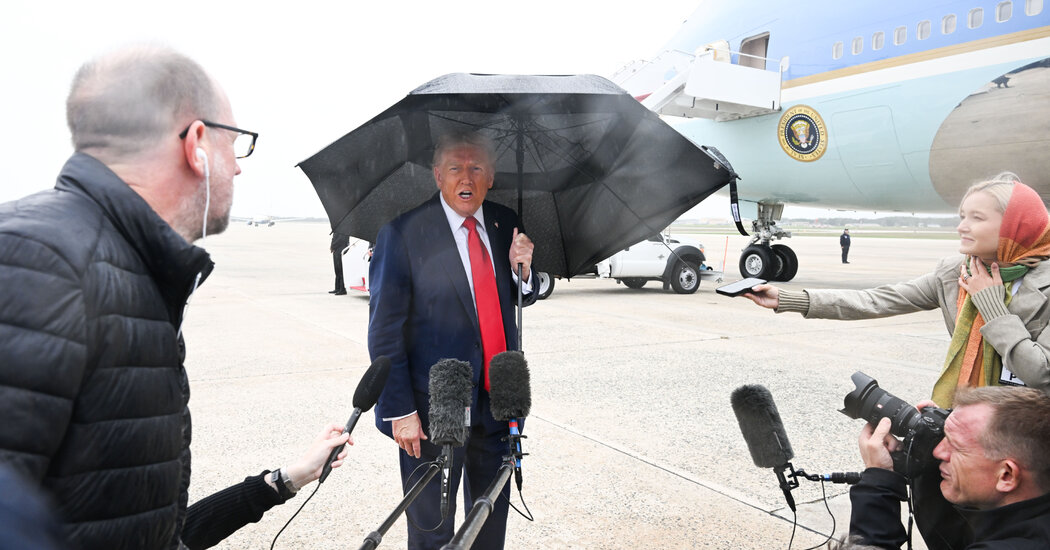
Asian stock markets declined following President Trump's announcement of a potential 100% tariff on Chinese imports starting November 1, along with export controls on critical software, leading to investor concerns over escalating trade tensions.
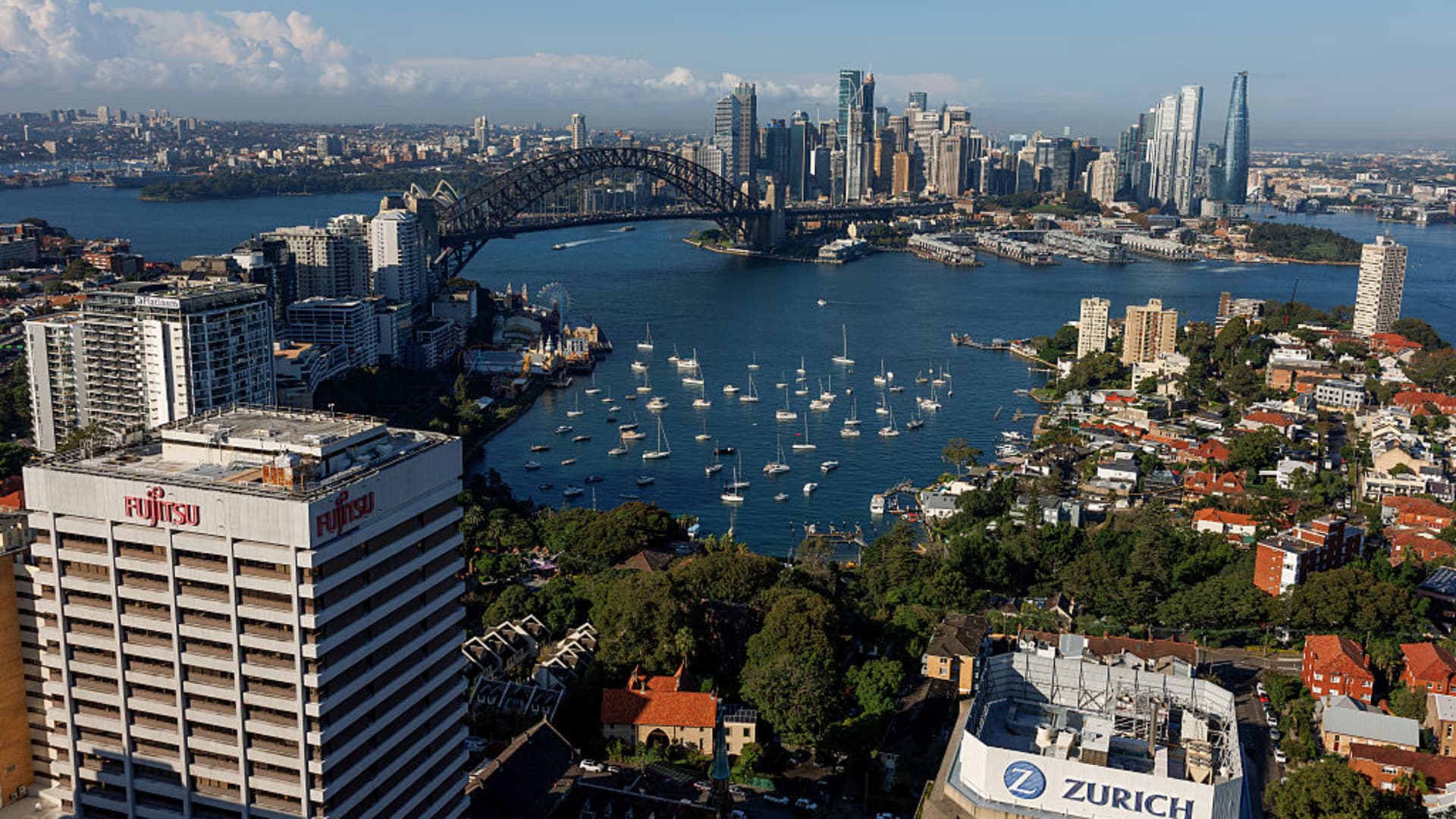
Asian markets, led by Chinese stocks, declined due to renewed trade tensions between China and the U.S., with both countries imposing and threatening new tariffs, causing investor concern and market volatility.
Hong Kong's Hang Seng index led a decline in Asia-Pacific markets, dropping over 2% amid concerns over the Federal Reserve's decision to hold interest rates steady and ongoing Middle East tensions, while U.S. markets showed mixed results and the dollar reached a record low against the Vietnamese dong.
Solar stocks plummeted after the Senate's budget bill maintained the full removal of clean-energy tax credits, extending the phaseout timeline and creating significant headwinds for solar and storage companies, with shares dropping between 17% and 35% in premarket trading.
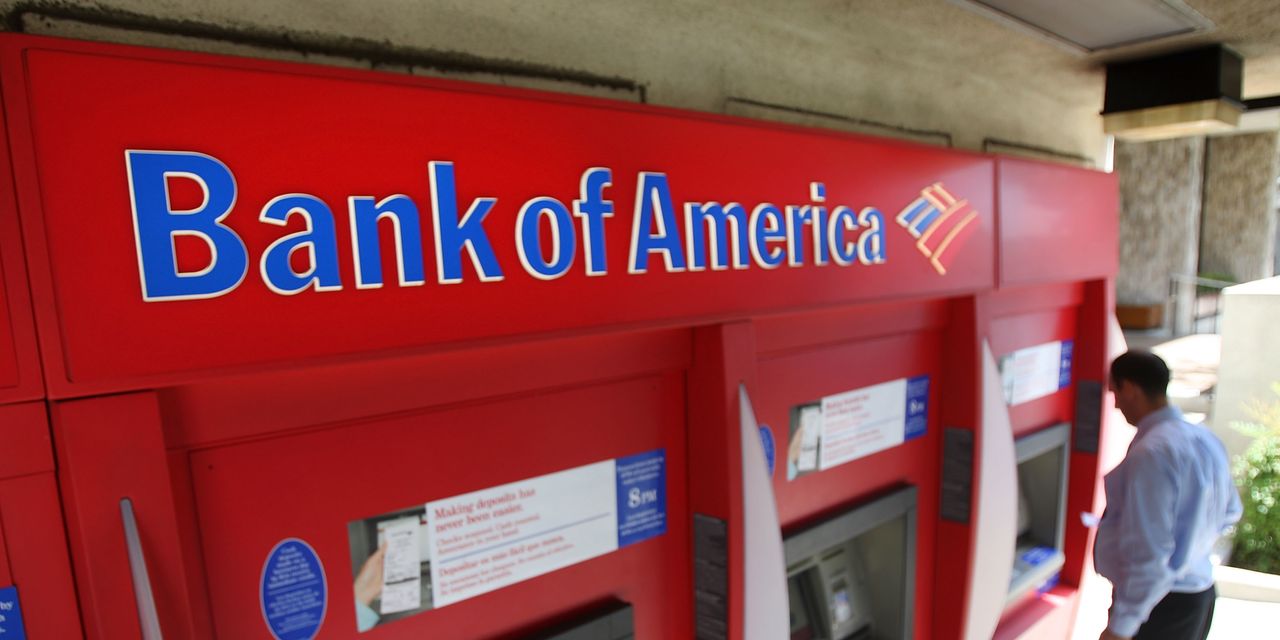
Banking stocks, including Bank of America and JPMorgan, experienced a broad decline as investors grew uncertain about the economy and lacked positive catalysts. The Financial Select Sector SPDR ETF dropped to a seven-month low, while the SPDR S&P Bank ETF and SPDR S&P Regional Banking ETF also sank. JPMorgan analyst Vivek Juneja advised investors to stay on the sidelines due to economic uncertainty and the impact of higher interest rates. Commercial loans are weak, capital-markets issuance has slowed, and the economic outlook is muddied by the upcoming election year. Bank stocks are also facing challenges from smaller loan pipelines and higher fraud costs.
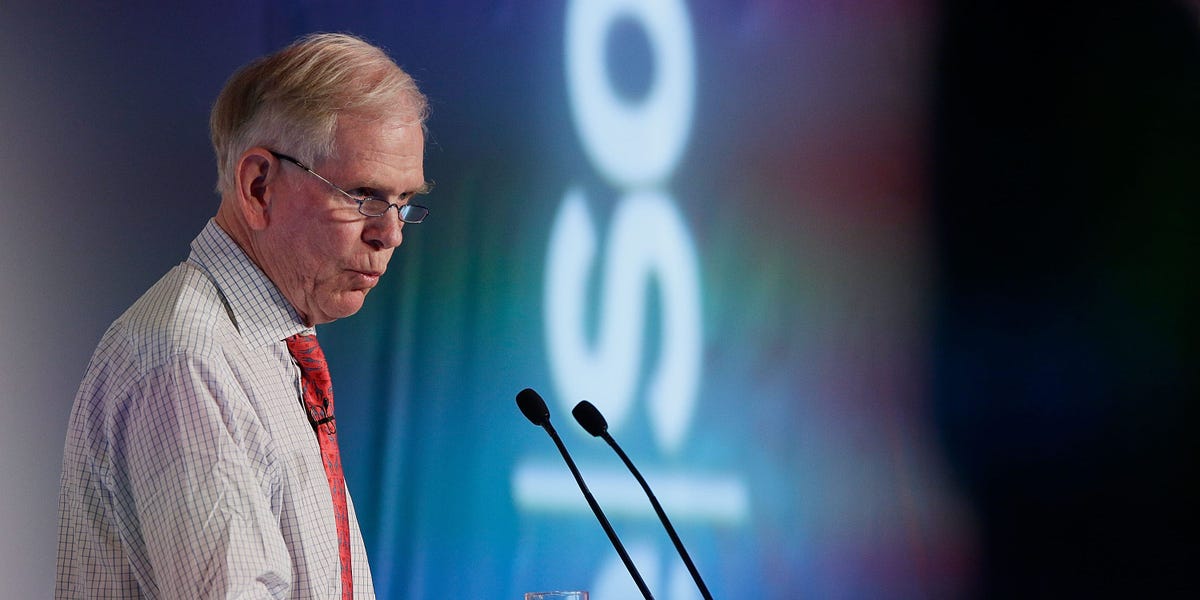
Jeremy Grantham, co-founder of GMO, warns that a US recession is still on the way and expresses little confidence in the Federal Reserve's ability to steer the economy towards a soft landing. Grantham believes that higher interest rates will cause pain in financial markets and that the central bank's track record in predicting recessions is "almost guaranteed to be wrong." He predicts that the repercussions of higher rates will lead to a stock market decline and a recession that could last into 2024. Grantham also suggests that reaching the Federal Reserve's goal of 2% inflation may be difficult, as he expects a period of moderately higher inflation and interest rates.
A survey conducted in the US has revealed that workers and retirees are losing faith in their ability to have enough money to live comfortably through retirement, with 64% of those still working feeling confident about their financial prospects during retirement, down from 73% last year. The decline is attributed to high inflation and last year's stock-market decline. Only 18% of surveyed American workers feel very confident, down from nearly 30% a year ago.