Tag

Stick Insects

All articles tagged with #stick insects

science1 year ago

"Study Finds Evolution Repeats with Reemergence of Lost Traits"

Recent research on stick insects reveals that genes related to lost traits can be preserved due to their involvement in multiple biological processes, allowing for the potential re-emergence of these traits over evolutionary time. This study, focusing on the production of males in parthenogenetic stick insects, highlights the role of pleiotropy and gene network connectivity in preserving these genes, offering new insights into evolutionary biology and the persistence of genetic architecture after trait loss.
science1 year ago

"Study Reveals Predictable Evolution in Stick Insects"

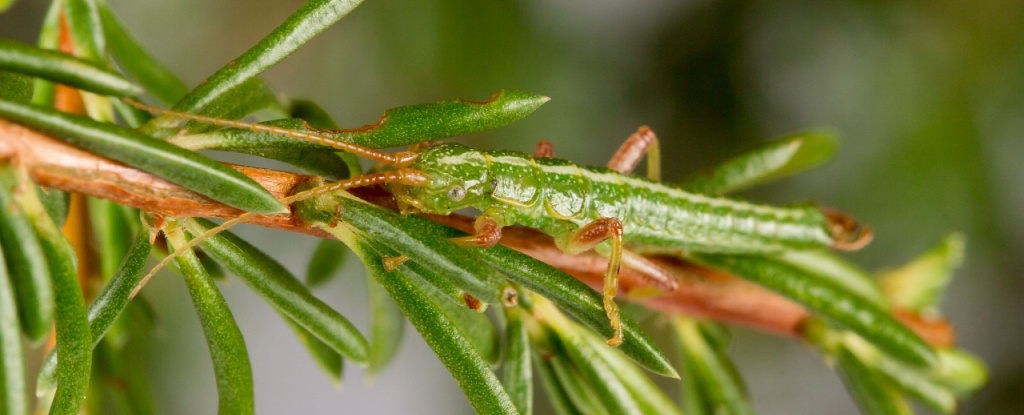
A new study on stick insects, specifically Timema cristinae, reveals that evolution can repeat itself in predictable ways. Over 30 years of data from 10 locations showed that the frequency of green and striped camouflage patterns cycled predictably, suggesting that evolution is both repeatable and complex. This finding challenges the notion that evolution is entirely random and could help scientists predict how organisms might change in response to selection pressures. The study has been published in Science Advances.

science1 year ago

"Male Genes Persist in Stick Insects Despite Absence of Males, Study Finds"

A study published in Genome Biology and Evolution reveals that male-related genes in stick insects are preserved even after the loss of males in parthenogenetic species. Researchers found that these genes, which are involved in multiple biological processes, show no signs of degradation and may play roles in female reproduction, suggesting pleiotropy as a key factor in their preservation. This discovery opens new avenues for understanding genetic architecture persistence and the potential re-emergence of lost traits.

neuroscience1 year ago

Unveiling the Mysteries of Locomotion through Neural Insights

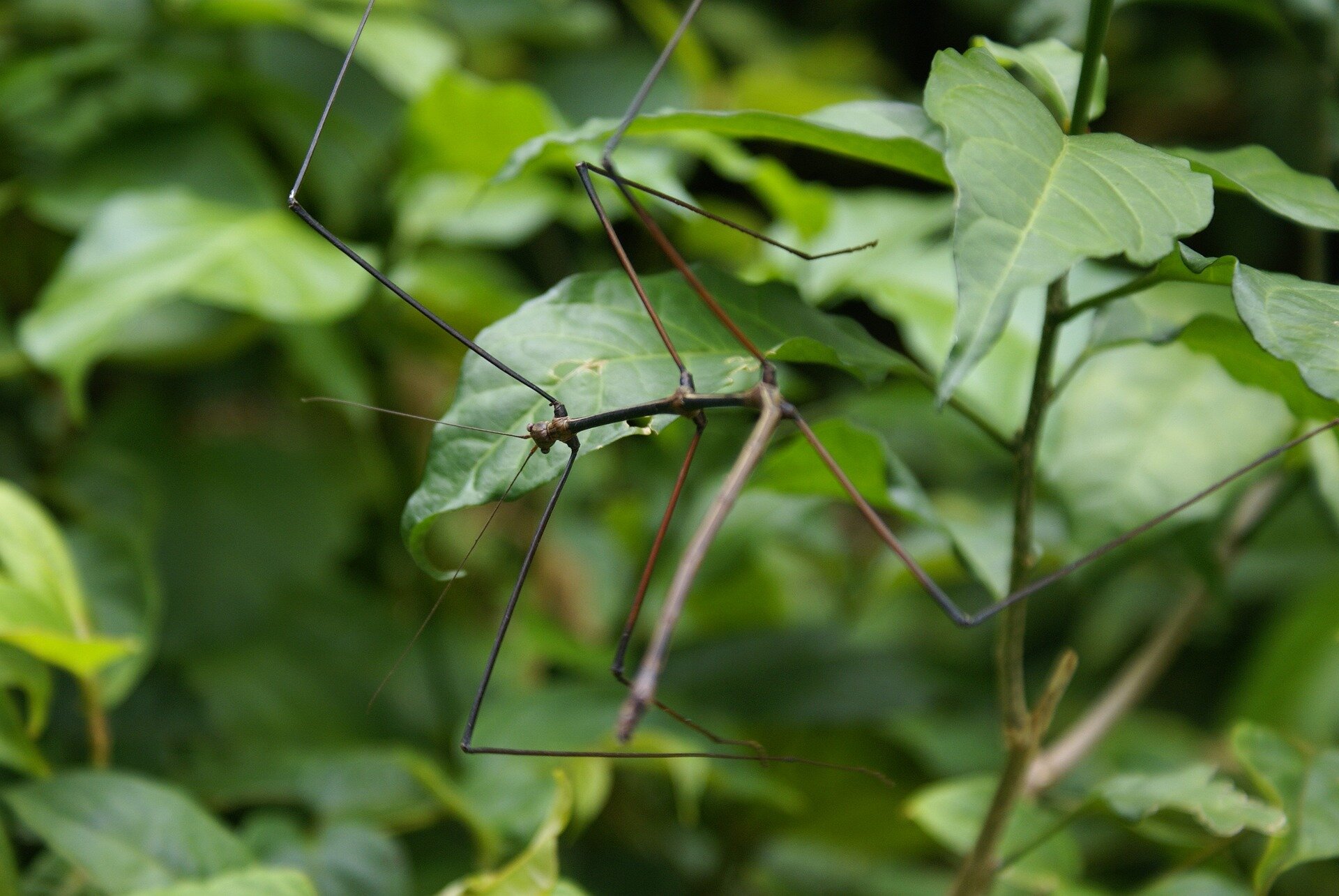
Researchers at the University of Cologne have discovered that the rhythmic activation of nerve cells controlling leg muscles in stick insects is specific to each motor neuron pool, challenging previous assumptions about motor neuron activation. The study reveals that the depressor muscle's motor neurons receive unique rhythmic excitation, unlike other leg muscles, highlighting the role of central pattern generators (CPGs) in producing rhythmic movements and the complexity of neural networks in coordinating walking movements.

science2 years ago

Chromosomal Inversion: A Key to Survival

Utah State University evolutionary geneticist Zachariah Gompert and colleagues investigated how genetic variation can persist over the long haul and impact adaptation. They studied stick insects (genus Timema), which feed on a wide variety of plants, and found that an ancient chromosomal inversion in one species, Timema knulli, provides resilience against the loss of genetic variation and may foster long-term survival. The inversion occurred about 7.5 million years ago and allows T. knulli to feed and thrive on Redwood trees, which other Timema species cannot do. Environmental heterogeneity and gene exchange among migrating populations of stick insects contribute to the persistence of the new and ancestral chromosomal variants or polymorphism.