Chromosomal Inversion: A Key to Survival
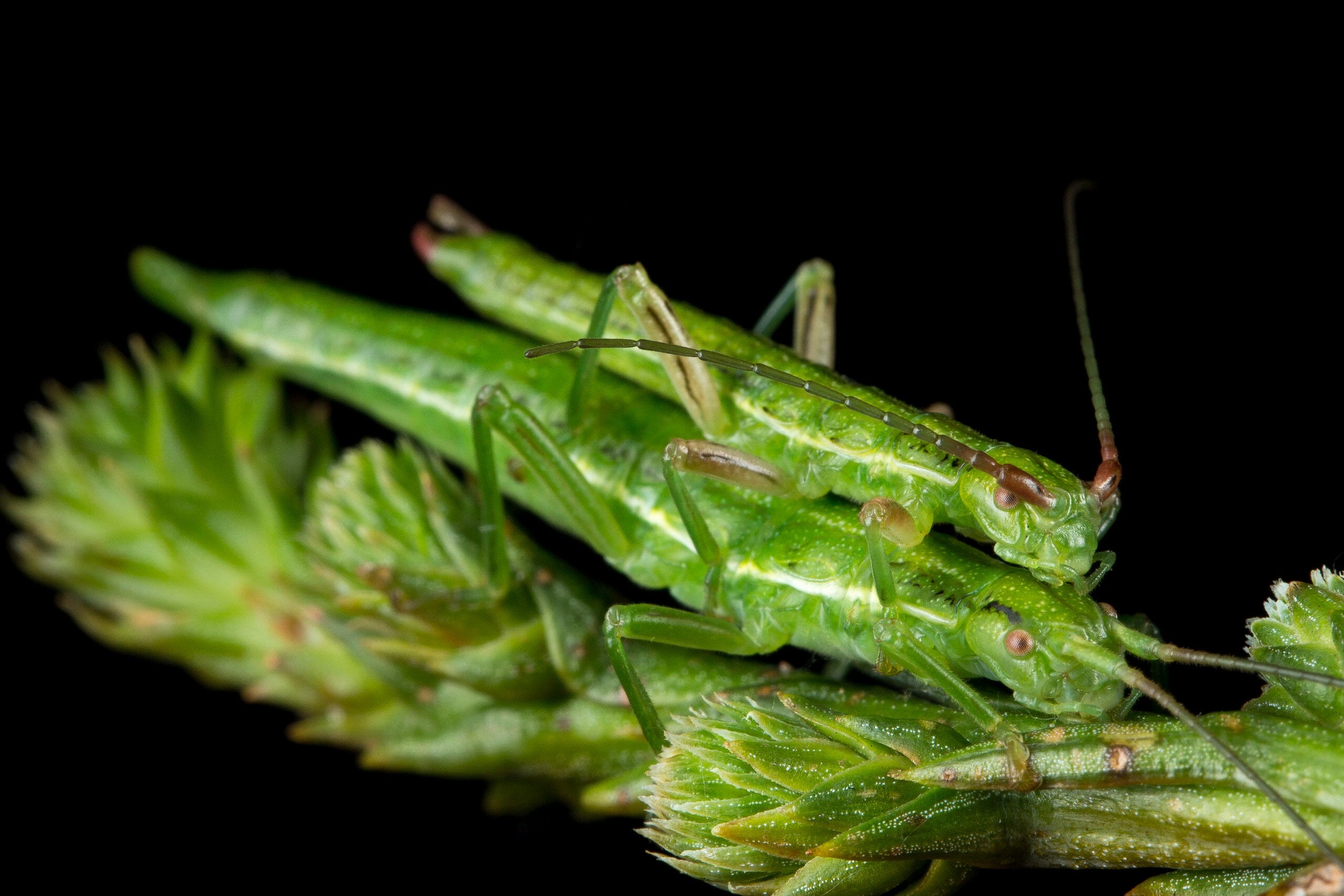
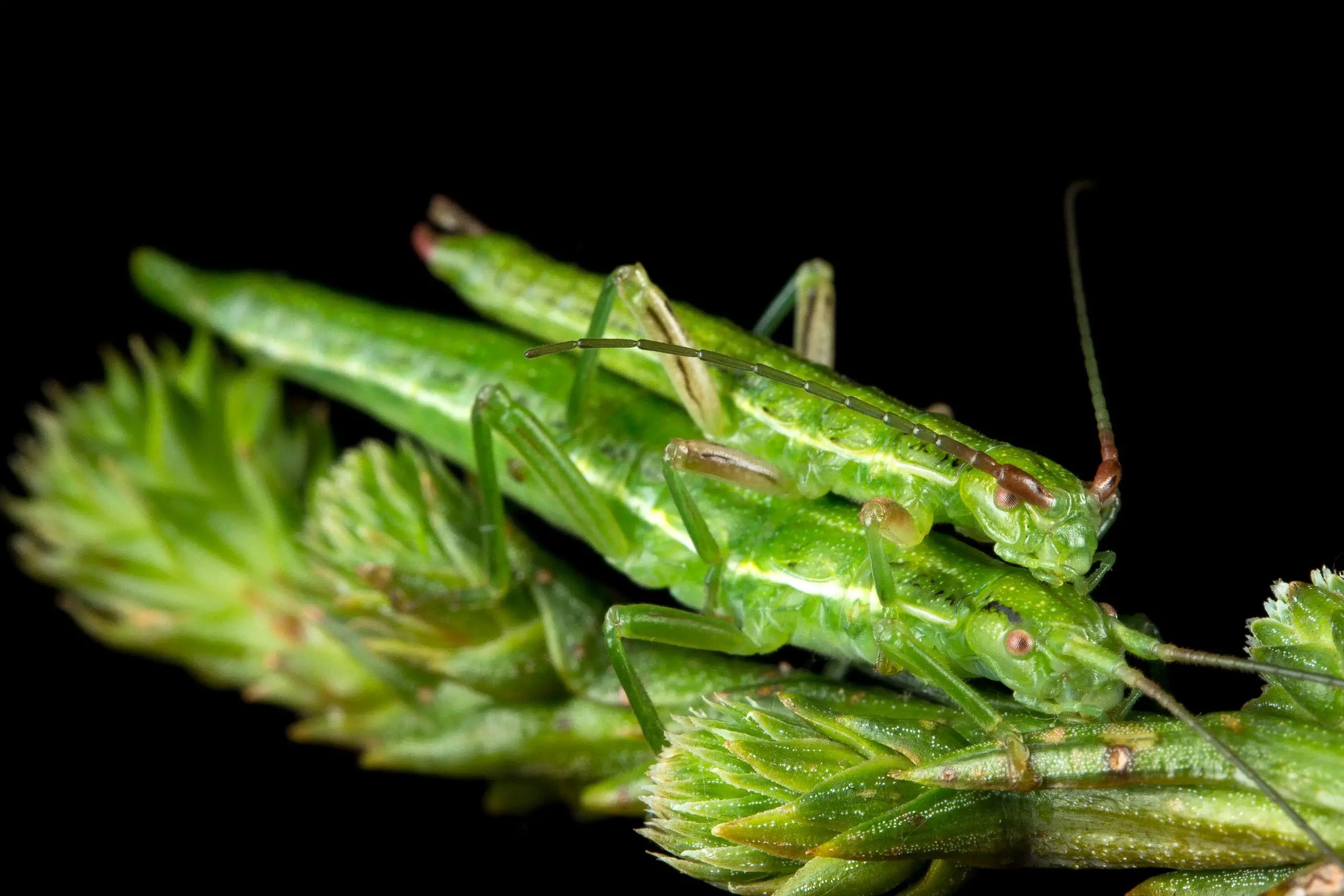
Utah State University evolutionary geneticist Zachariah Gompert and colleagues investigated how genetic variation can persist over the long haul and impact adaptation. They studied stick insects (genus Timema), which feed on a wide variety of plants, and found that an ancient chromosomal inversion in one species, Timema knulli, provides resilience against the loss of genetic variation and may foster long-term survival. The inversion occurred about 7.5 million years ago and allows T. knulli to feed and thrive on Redwood trees, which other Timema species cannot do. Environmental heterogeneity and gene exchange among migrating populations of stick insects contribute to the persistence of the new and ancestral chromosomal variants or polymorphism.