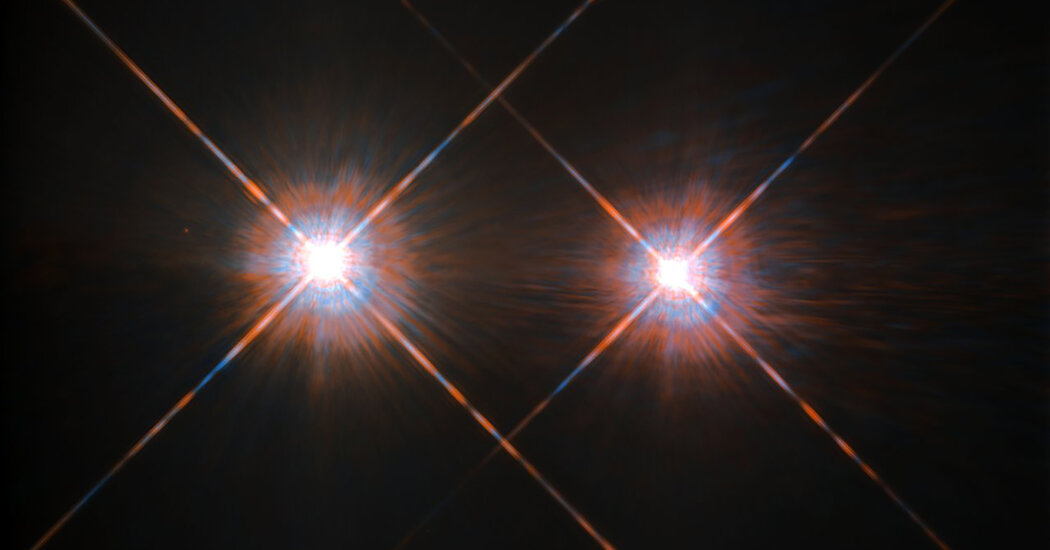
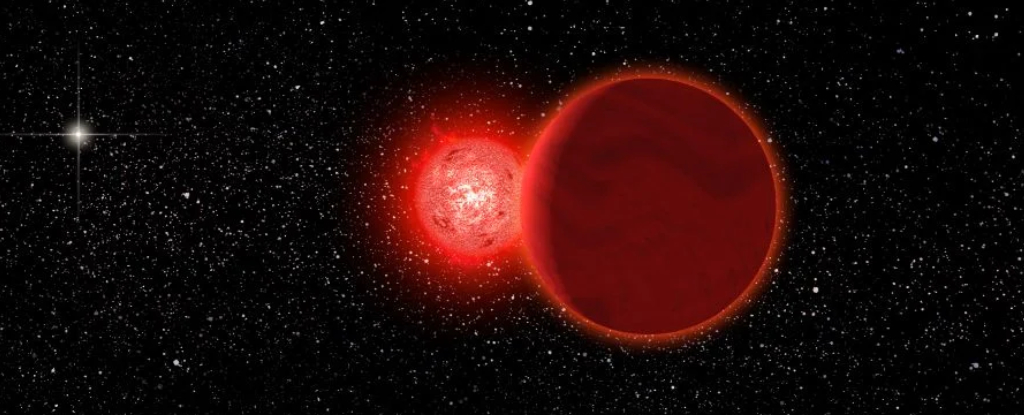
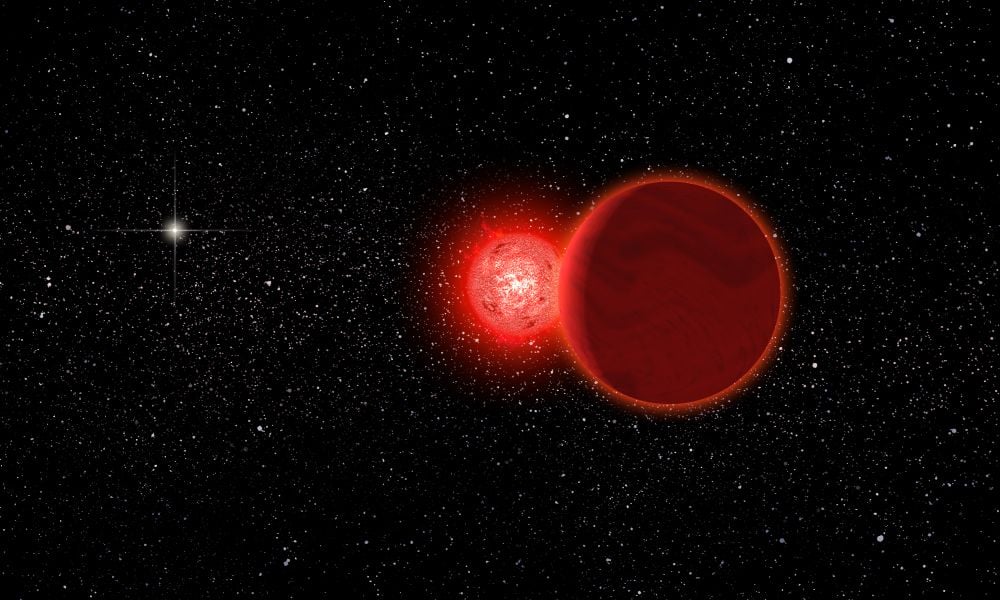
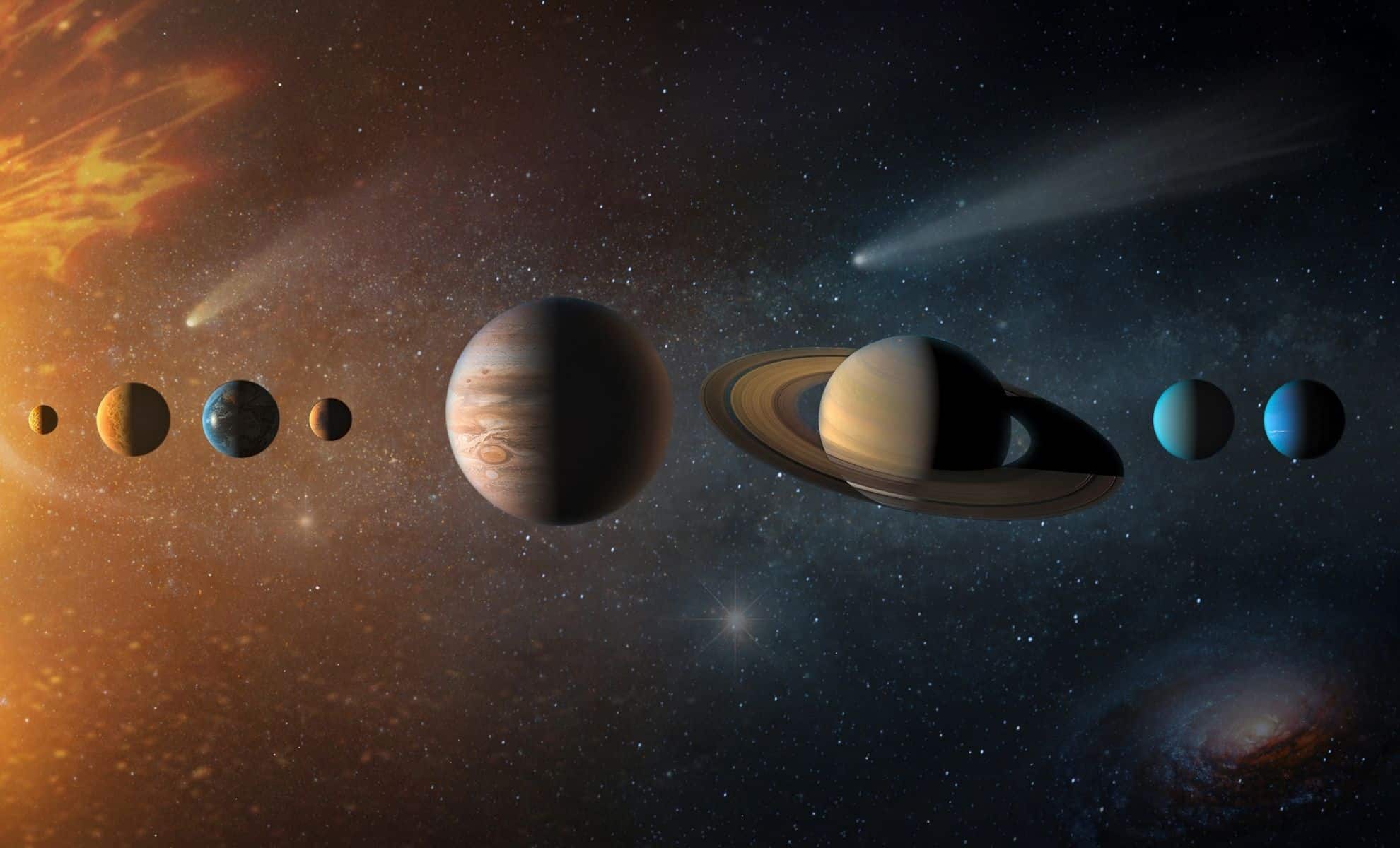
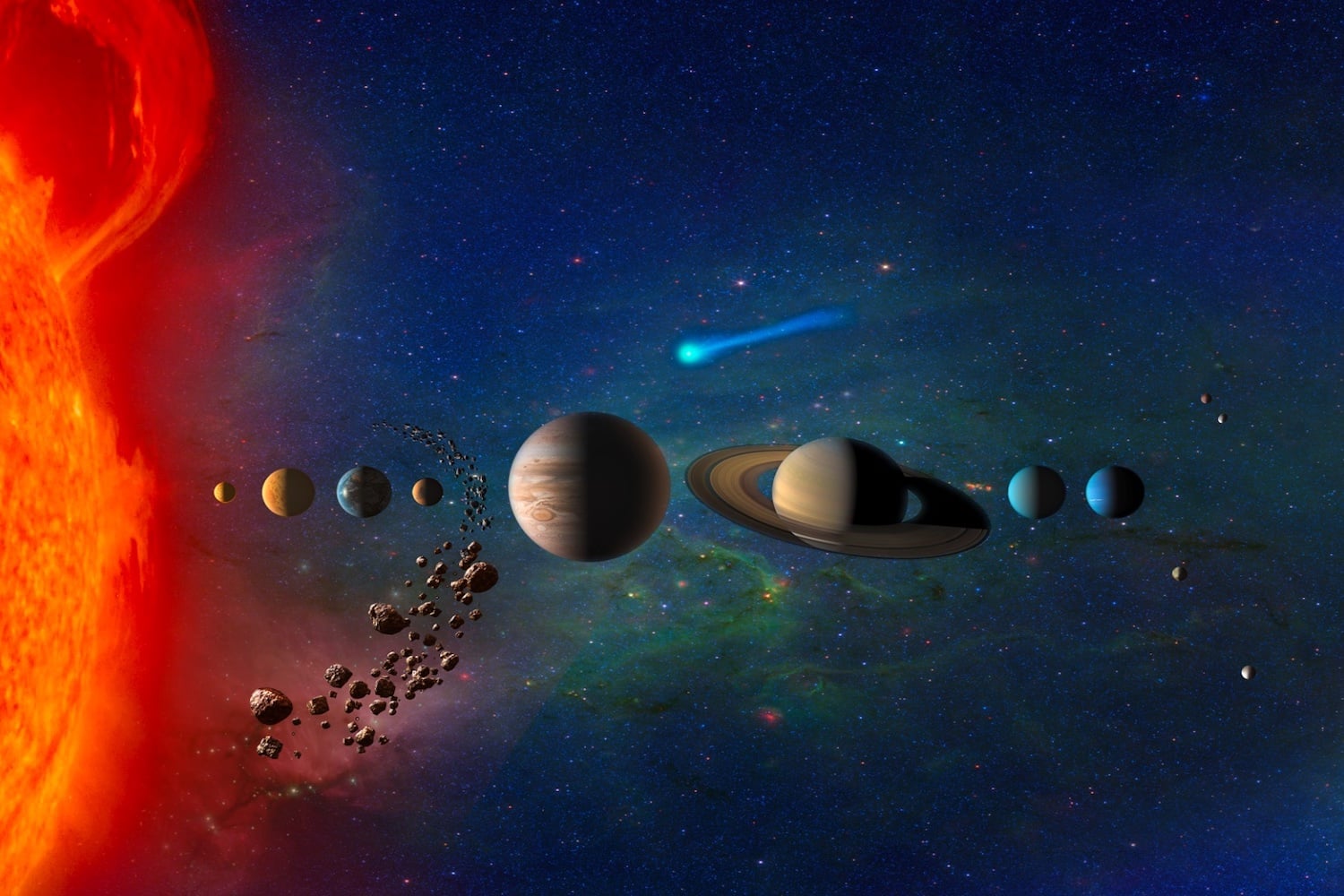
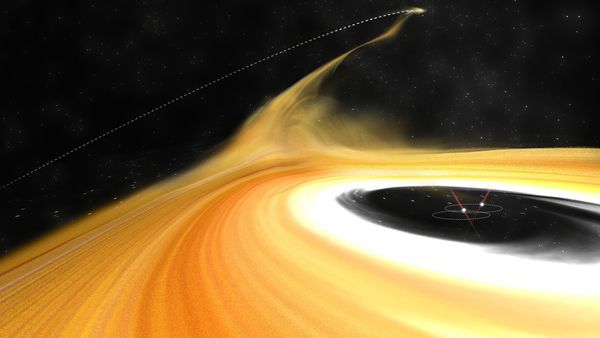
A new study suggests that stars passing close to the Sun could gravitationally disturb our solar system, potentially causing planets like Mercury to collide or be ejected, with simulations indicating such events are rare but possible over billions of years.
Recent simulations suggest that a passing star could potentially destabilize our solar system, increasing the risk of planetary ejections or collisions, including a small but notable chance of Earth being involved in such an event over the next few billion years, though these scenarios are considered unlikely.
Recent research suggests that passing stars, or stellar flybys, did not influence Earth's climate over the past 56 million years, including during the Paleocene-Eocene Thermal Maximum, when significant global warming occurred. Advanced models incorporating comprehensive Solar System dynamics show no link between stellar flybys and climate shifts, challenging earlier hypotheses that such events triggered major climatic changes.
Recent research suggests that stellar flybys have likely not influenced Earth's past climate changes over the last 56 million years, challenging earlier hypotheses. Using comprehensive solar system models, scientists found no significant impact of passing stars on Earth's orbital stability or climate events like the Paleocene-Eocene Thermal Maximum, emphasizing the importance of detailed modeling in understanding celestial influences on our planet.
A new study suggests that a rogue star passing close to the solar system could destabilize planetary orbits, potentially ejecting Earth and other planets over billions of years, with stellar influences being more disruptive than internal chaos.
A new study warns that passing stars could destabilize the solar system over the next 5 billion years, increasing the risk of planetary collisions or Earth being flung into deep space, with Mercury and Pluto most at risk of ejection.
A new theoretical study suggests that in about a billion years, a chance encounter with a passing star could save Earth from the sun's expansion by tossing it into a cooler orbit or helping it break free from the solar system entirely. However, the chances of this happening are extremely slim. The study simulated how our solar system would behave if a star swept past it, and found that in some simulations, Earth was pushed into a farther, colder orbit, while in others, it ended up in the Oort cloud or was gravitationally lured away by the wandering star. However, the odds of any of these scenarios occurring are roughly 1 in 35,000. Instead, the study suggests finding a solution ourselves, such as modifying Earth's orbit or blocking a fraction of the Sun's incoming energy.