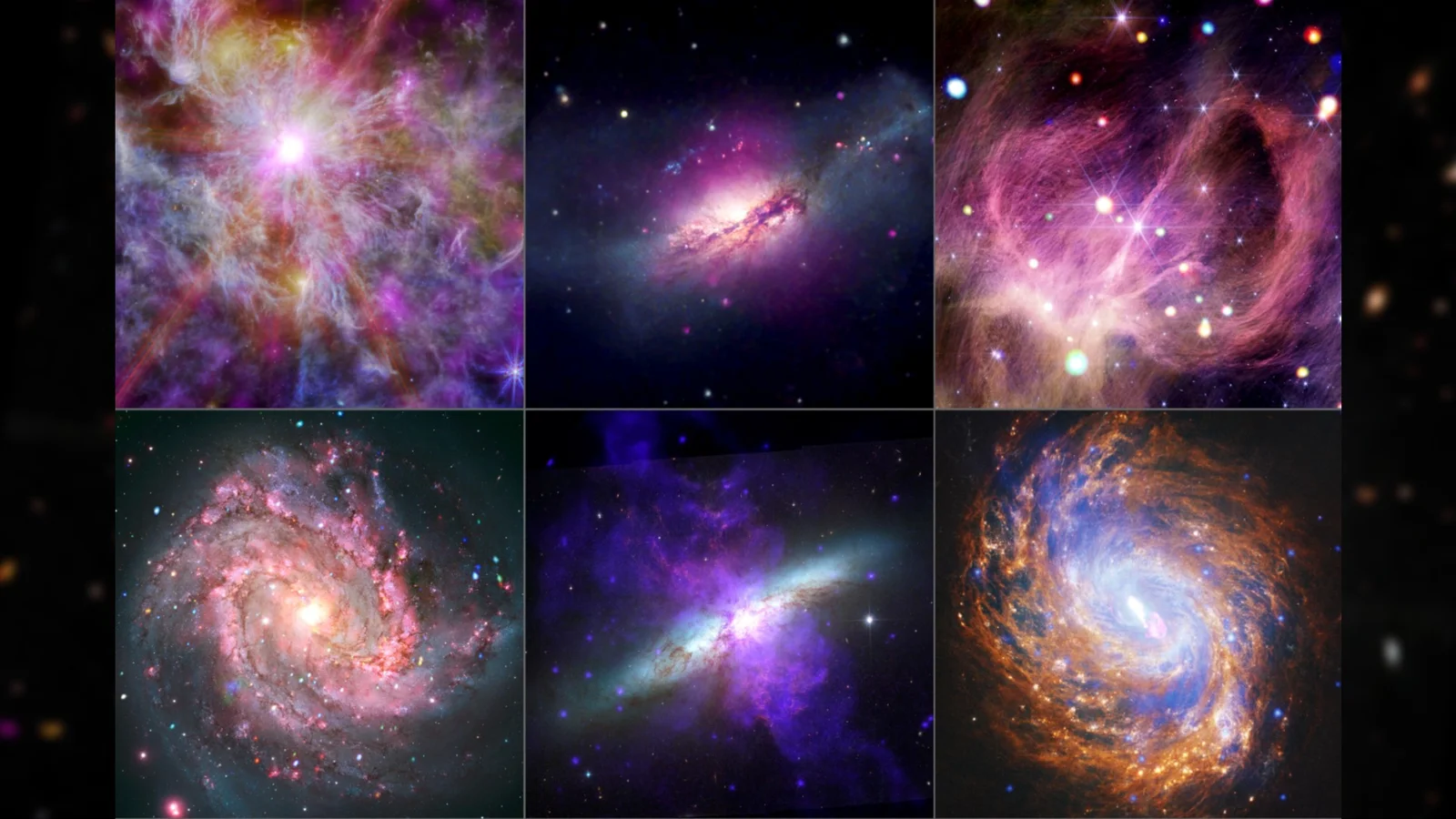
NASA's Chandra X-ray Observatory released stunning new composite images of cosmic phenomena, including star-forming regions, galaxies, and star clusters, combining data from multiple telescopes to reveal high-energy processes like supernova remnants and black hole activity in unprecedented detail.
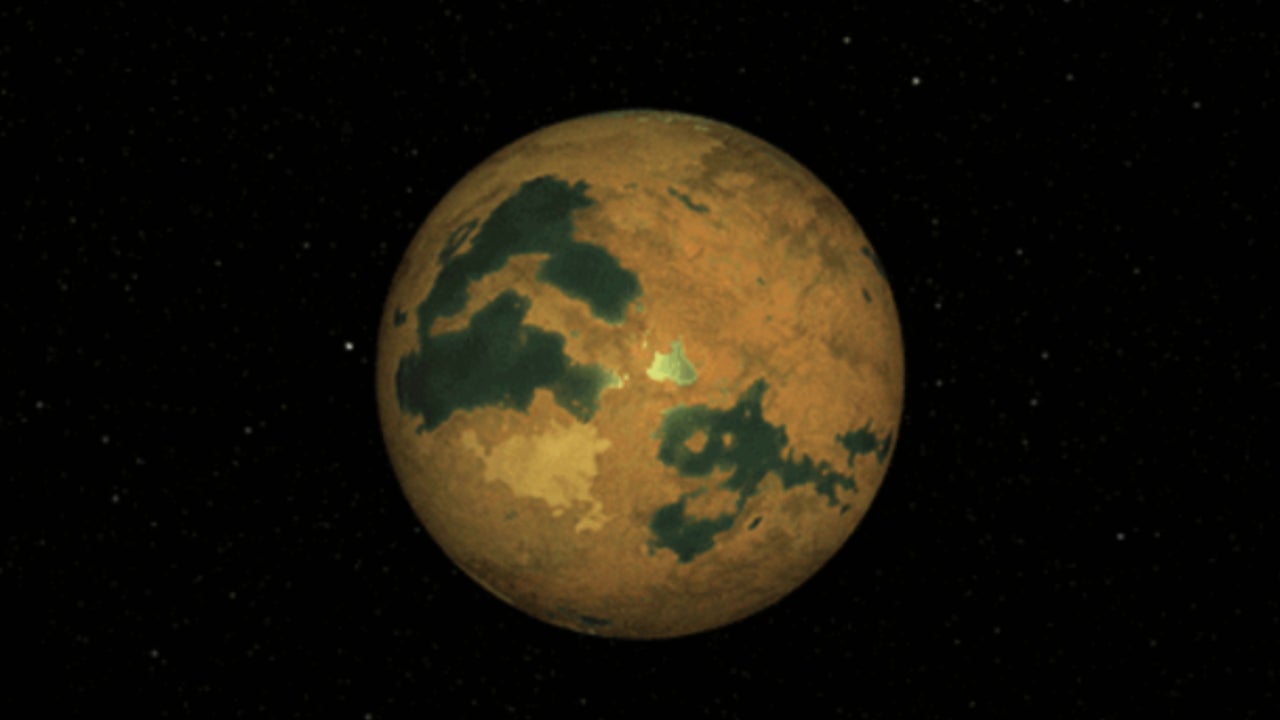
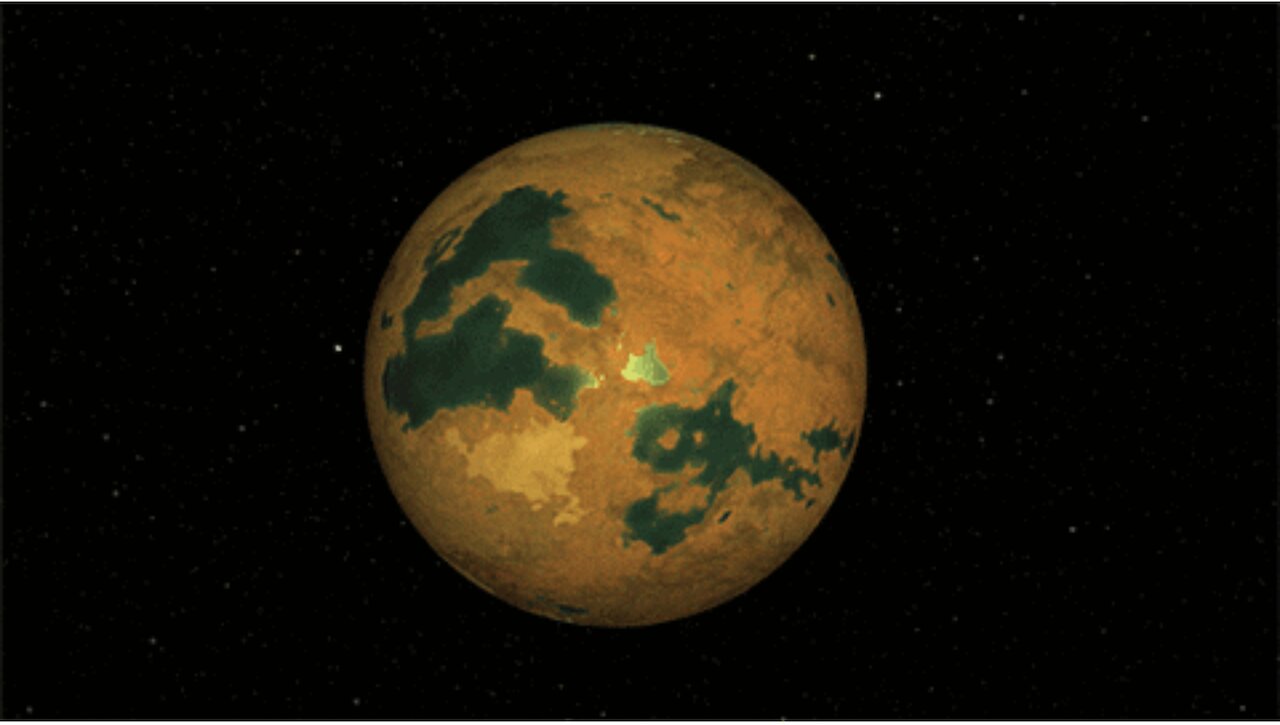
Scientists have debunked the existence of a planet orbiting the star 40 Eridani A, which was thought to be the real-world counterpart of Star Trek's Vulcan. New observations using the NEID instrument revealed that the light fluctuations previously attributed to an orbiting planet were actually caused by stellar activity on the star's surface.
A new study led by astronomer Abigail Burrows reveals that the planet thought to orbit 40 Eridani A, often compared to Star Trek's fictional Vulcan, is actually an illusion caused by the star's own activity. High-precision measurements from the NEID instrument show that the supposed planet signal is due to stellar jitters, not an actual planet.
Scientists at Cornell University have made a remarkable discovery by detecting intermittent flashes of blue light from a deceased star, known as the Tasmanian Devil, located a billion light-years away. The star had previously emitted a luminous fast blue optical transient (LFBOT) before fading, but the recent observations show that it is still radiating powerful flares similar to its original cataclysmic event. This unprecedented finding offers valuable insights into the mysterious world of star births and deaths, challenging previous assumptions about the behavior of dead stars.
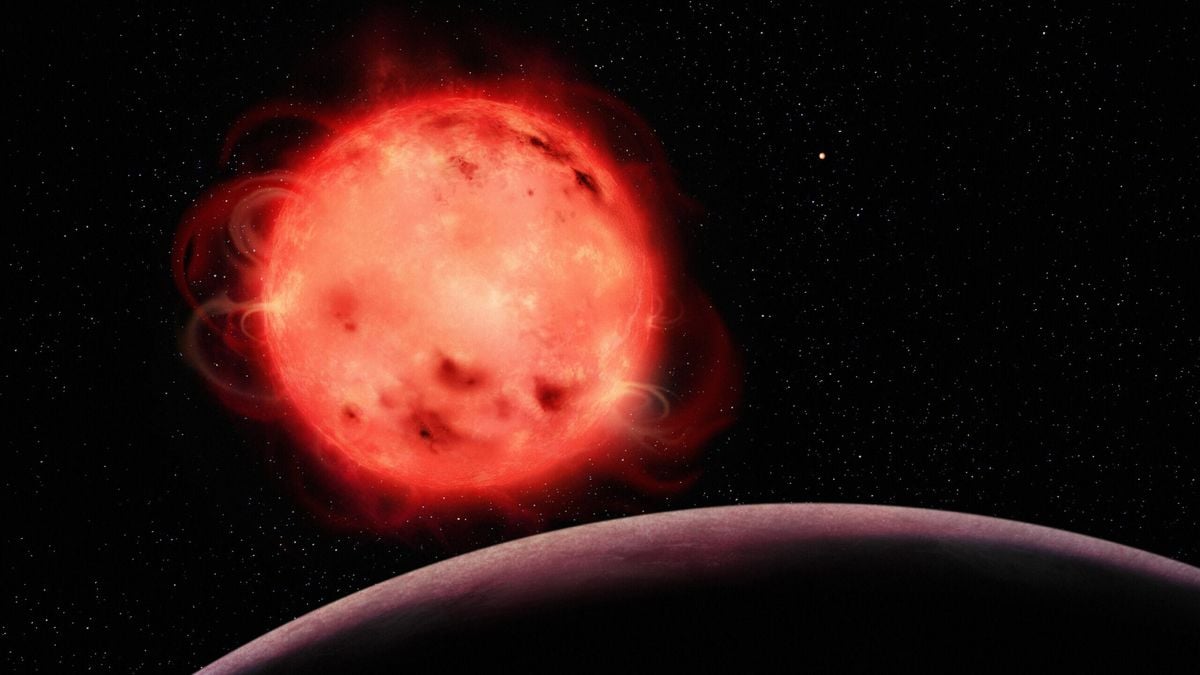
Observations from the James Webb Space Telescope (JWST) suggest that the TRAPPIST-1 exoplanet, TRAPPIST-1b, may lack a thick hydrogen atmosphere and instead be a bare rock with a surface temperature of 232 degrees Celsius. The active surface of the red dwarf star at the center of the TRAPPIST-1 system is interfering with efforts to observe the planet's atmosphere. Stellar activity, including bright faculae, dark star-spots, and flares, creates contrasting lines that mimic absorption lines in the planet's spectrum. Mitigating this interference will be crucial for future observations of the other planets in the system.