State Farm is issuing a one-time $100 dividend to about 49 million auto-insurance customers. The article outlines who qualifies and how the payment will be delivered, including how checks will be sent and when to expect the payout.
State Farm will issue an average $100 refund per auto policyholder, totaling about $5 billion for 49 million vehicles this summer; the cash refunds (not credits) reflect stronger-than-expected underwriting and lower auto repair costs, with more refund details to come.
State Farm is returning a record $5 billion in dividends to its customers, reflecting profits paid back to policyholders by the mutual insurer. Most payouts are issued automatically as credits on policy accounts or via mailed checks. If you believe you’re eligible but don’t see a credit, check your State Farm online account or contact customer service for the status and steps to claim.
State Farm will issue an average $100 per vehicle cash-back dividend to auto policyholders this summer, totaling about $5 billion for more than 49 million vehicles, as auto rates were cut by roughly 10% in 40 states (about $4.6 billion in savings) — the largest dividend in State Farm's 103-year history.
State Farm Mutual Automobile Insurance Company announced a $5 billion cash-back dividend for auto policyholders—the largest in its history—on top of $4.6 billion in annual auto-rate reductions. The one-time payments will be distributed this summer to qualifying customers across more than 49 million insured vehicles, averaging about $100 per vehicle, reflecting the mutual company’s financial strength and favorable underwriting.
State Farm will pay about $5 billion in auto-insurance dividends this summer, roughly $100 per vehicle for more than 49 million insured cars, funded by stronger underwriting and lower 2025 collision costs; auto rates have fallen about 10% in 40 states and around 15% in Illinois, while homeowners insurance remains challenged by severe weather and higher reinsurance costs.
An Arkansas jury found that State Farm underpaid customers for totaled cars by using outdated software that undervalued vehicle replacement costs, leading to a class action lawsuit. The case highlights issues with how insurance companies calculate payouts, with similar lawsuits emerging in other states.
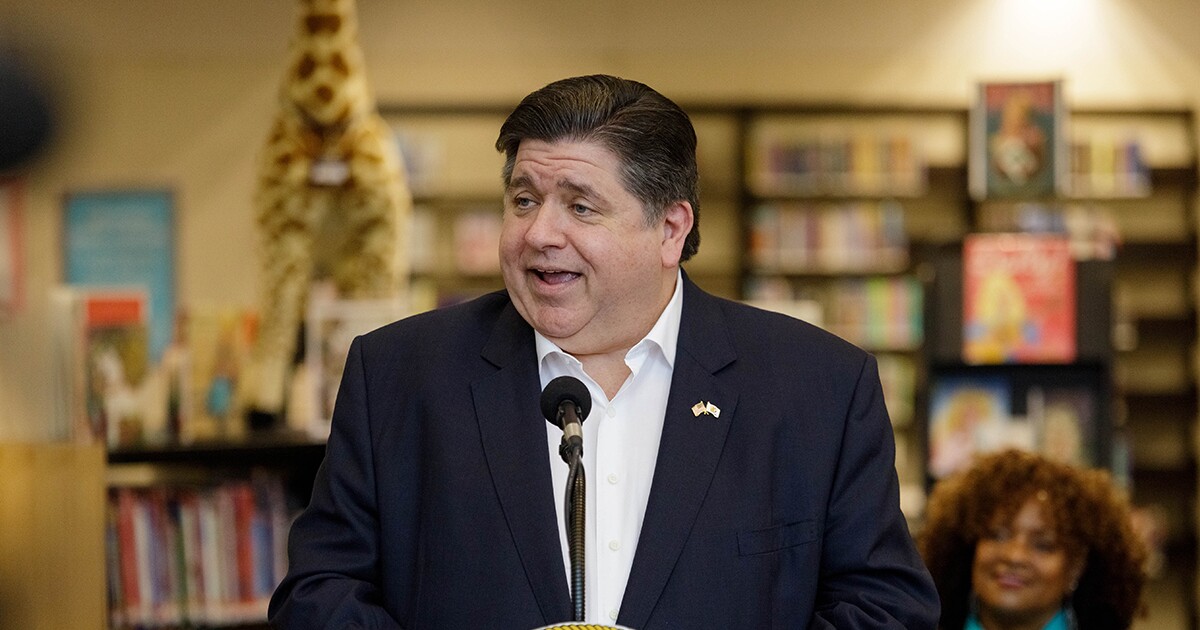
State Farm refutes Governor Pritzker's claims that its 27% homeowners' insurance rate hike in Illinois is unjustified and suggests the company is unfairly shifting costs out of state, emphasizing that the increase is due to inflation and severe weather, while regulators seek more transparency amid limited powers to intervene.
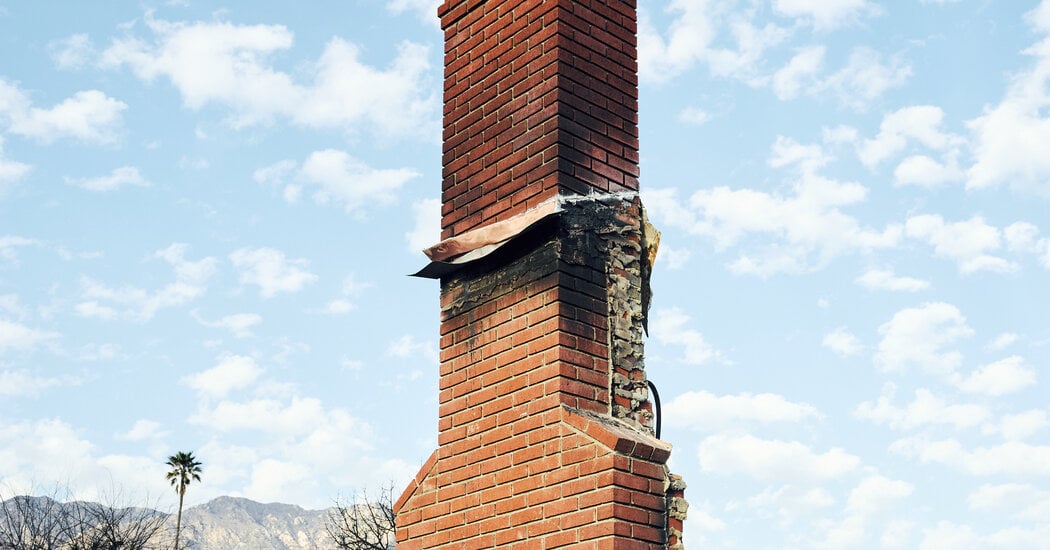
California's insurance regulator has launched a formal investigation into State Farm due to numerous complaints about its handling of wildfire claims in Los Angeles, citing issues like inconsistent communication and record-keeping that hinder recovery and erode trust.
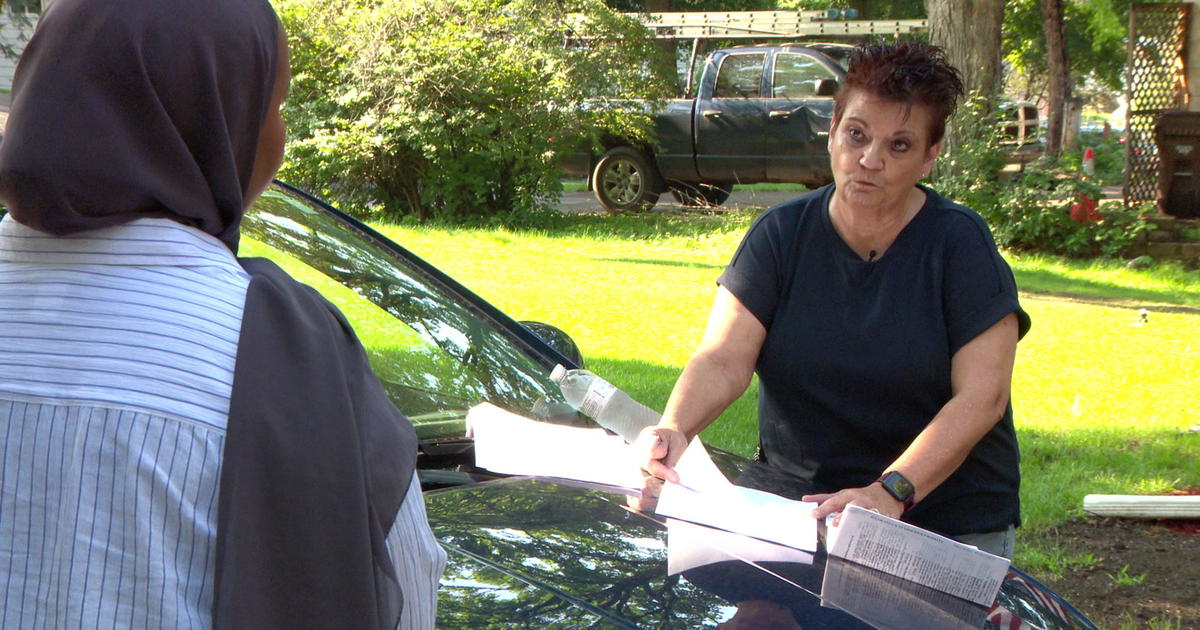
Erin Walters from Maple Grove, Minnesota, was denied car insurance renewal by State Farm due to the high theft rates associated with her 2019 Hyundai Elantra, a problem exacerbated by social media trends. Walters, who has never experienced theft, was advised to install a push-to-start ignition to be insured. She faced similar rejections from Progressive, highlighting a broader issue affecting Hyundai and Kia owners. Walters believes the manufacturer should recall and address the security flaws.
Rising home insurance costs and policy cancellations, driven by climate change and increasing natural disasters, are leaving more homeowners without coverage. This trend is particularly affecting those in disaster-prone areas like California, where insurers like State Farm are pulling out, leaving residents with few and expensive alternatives. The issue is exacerbated by regulatory constraints and the rising cost of reinsurance, making it difficult for homeowners to find affordable policies.
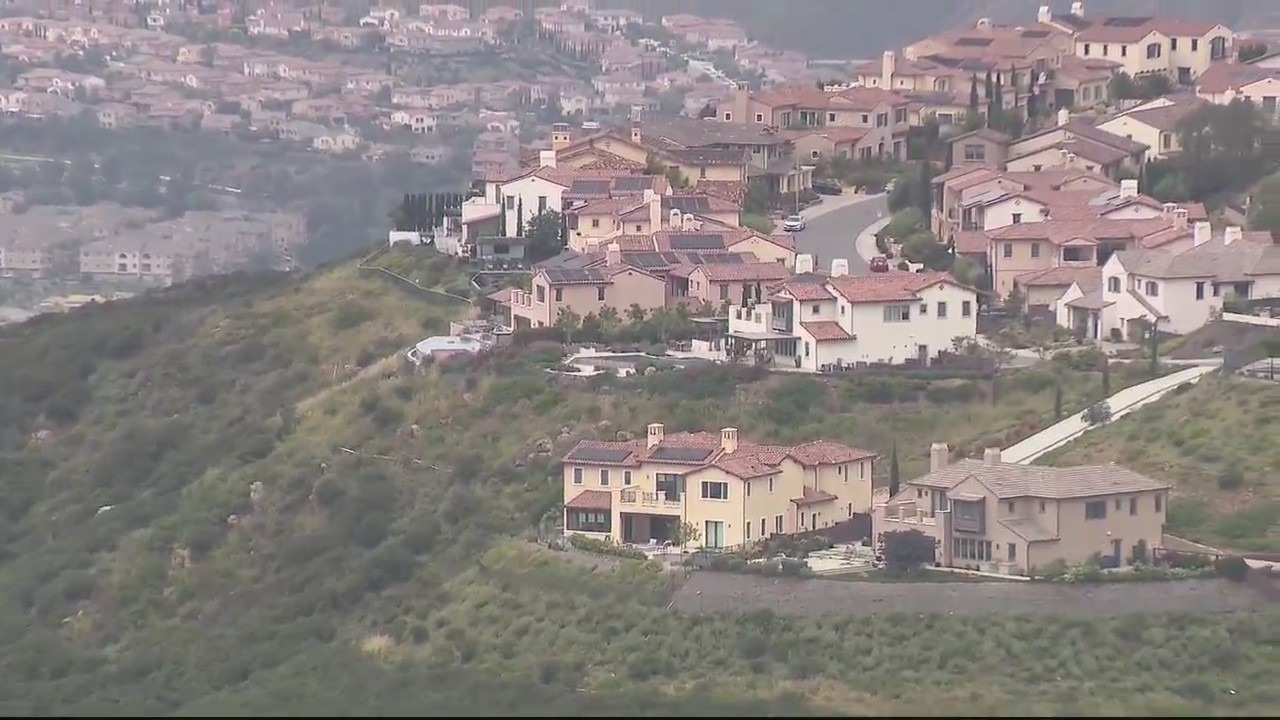
State Farm is dropping over 2,000 policyholders in 50 San Diego County zip codes, prompting affected homeowners to seek new insurance options. U.S. News & World Report lists Amica, USAA, Nationwide, Lemonade, and Chubb as some of the best insurance providers in the region, each with different coverage options and star ratings. Homeowners are advised to start shopping around as their current contracts expire during the summer months.
State Farm is dropping 30,000 homeowner’s insurance policies in California, affecting residents in 50 zip codes across San Diego County due to inflation, regulatory costs, and increasing catastrophe risks. Former San Diego Councilmember Scott Sherman attributes the issue to politics and regulatory restrictions, leading to limited options and soaring premiums for affected policyholders. Governor Gavin Newsom's emergency declaration aims to address the situation, with impacted customers retaining coverage until their current contracts expire.
State Farm plans to non-renew about 30,000 property insurance and 42,000 commercial apartment policies in California, focusing on areas with substantial wildfire or fire following earthquake hazards. The nonrenewals will impact 2% of its total policies in the state, and affected customers will retain coverage until their current contract is up. The decision was made to ensure long-term sustainability due to financial challenges, inflation, catastrophe exposure, and reinsurance costs. The company is working with policymakers to pursue reforms in insurance regulations, including allowing companies to switch to catastrophe modeling for rate calculations.
State Farm is canceling 72,000 policies in California, including 30,000 homes, due to high risk and financial concerns, impacting upscale neighborhoods in Los Angeles County. The decision follows record-breaking wildfire seasons and industry losses. The company cites the need to reduce exposure and financial strength. The cancellation affects various SoCal zip codes, prompting concerns about insurance options and coverage for homeowners in high-risk areas.