Tag

State Courts

All articles tagged with #state courts

politics2 years ago

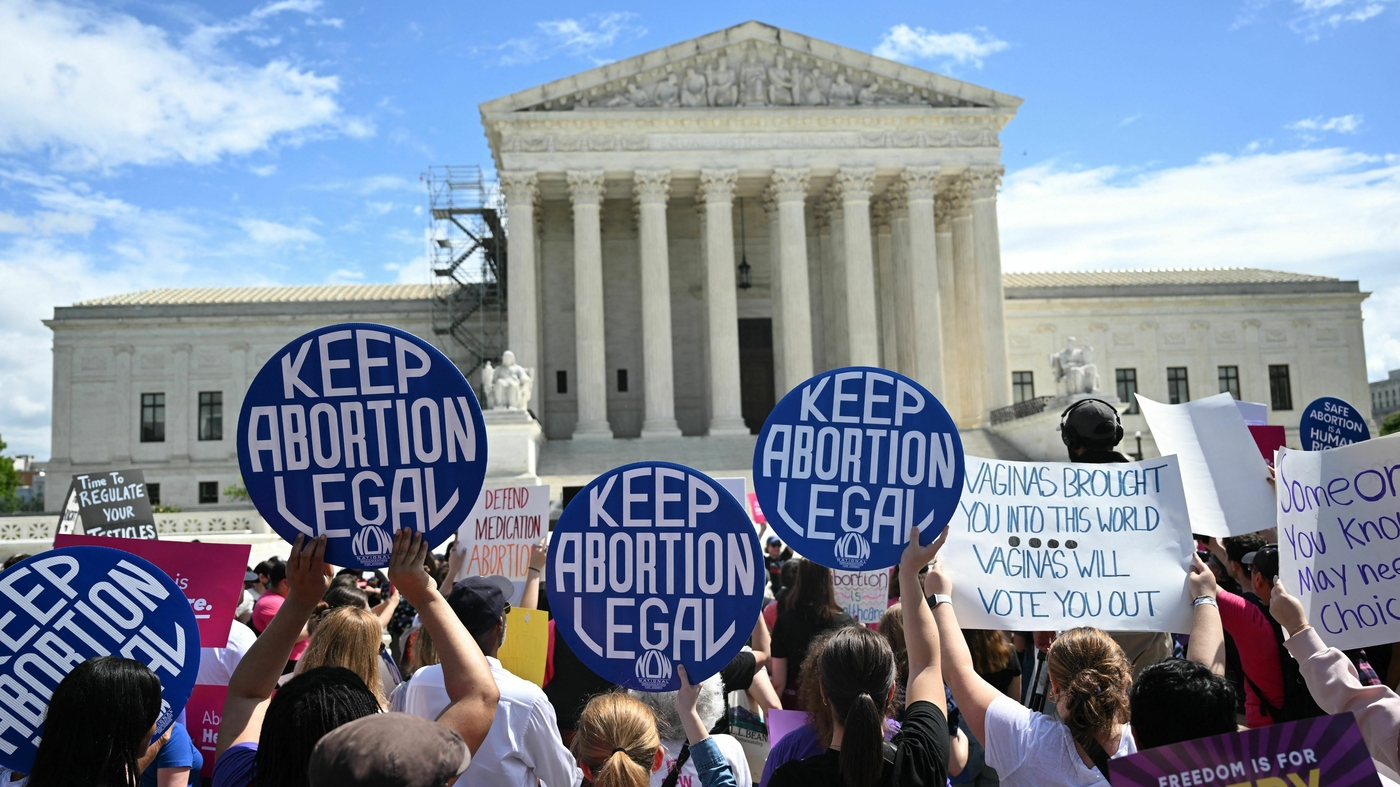
"Abortion Rights: A Test of Democracy's Resolve Amidst Unyielding Opposition"

The battles over abortion rights in the United States have revealed a growing divide in the commitment to democracy. Despite voters in multiple states affirming their support for abortion rights, opponents are increasingly challenging election results, refusing to align state laws with voter-backed changes, attempting to strip state courts of their power to consider abortion-related laws, and challenging the citizen-led ballot initiative process. Some Republicans and anti-abortion activists are defying the will of the voters and attempting to dismantle the system of checks and balances. These undemocratic attempts threaten American institutions and the public's faith in them, according to political observers.

law-and-politics2 years ago

State Courts Assert Authority in Abortion Regulation Battles in Utah and Kansas

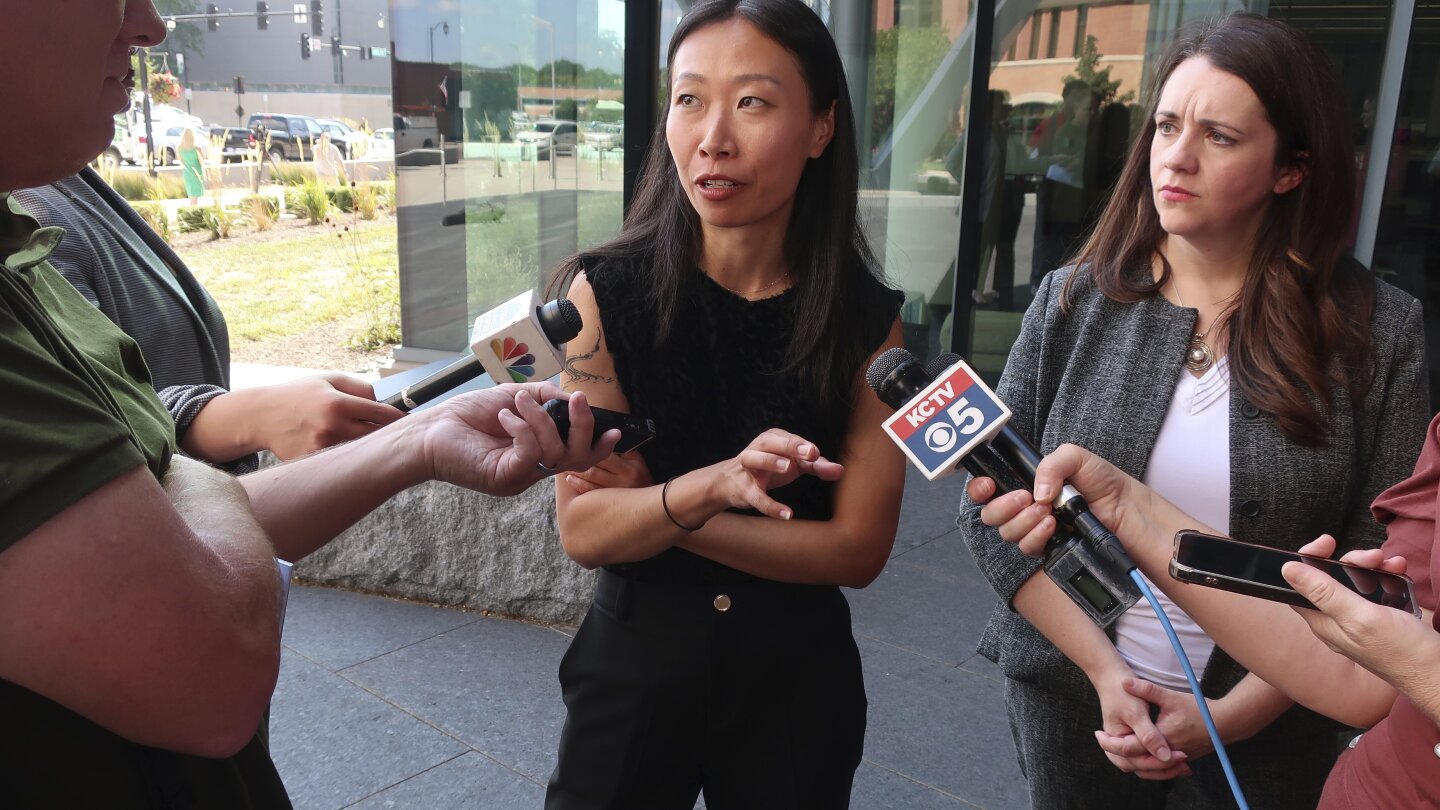
State courts in Utah and Kansas are considering whether their state constitutions require them to block or invalidate laws regulating abortion, more than a year after the Supreme Court's decision in Dobbs v. Jackson. In Kansas, the legal battle revolves around restrictions on abortion medications, patient information, and a 24-hour waiting period. The Kansas Supreme Court's 2019 decision declaring bodily autonomy a "fundamental" right protects abortion access. In Utah, the state's attorneys want the state Supreme Court to overrule a lower court's decision to put a 2020 state law banning most abortions on hold. These cases highlight the ongoing impact of the overturning of Roe v. Wade and the fierce court battles between Republican-controlled legislatures and doctors/clinics providing abortions.

politics2 years ago

"Koschnick's Job at Risk as Liberal Majority Takes Control of State Supreme Court"

Randy Koschnick, the Director of State Courts in Wisconsin, claims that liberal Justice Jill Karofsky has informed him that the state Supreme Court will vote to remove him from his position without providing a reason. Koschnick believes the move is politically motivated, as the court recently shifted to a 4-3 liberal majority. Koschnick defended his performance and questioned if he had done anything wrong, to which Karofsky allegedly responded that they were simply moving in a different direction. Conservative Justice Rebecca Bradley criticized the move as an abuse of power.

politics2 years ago

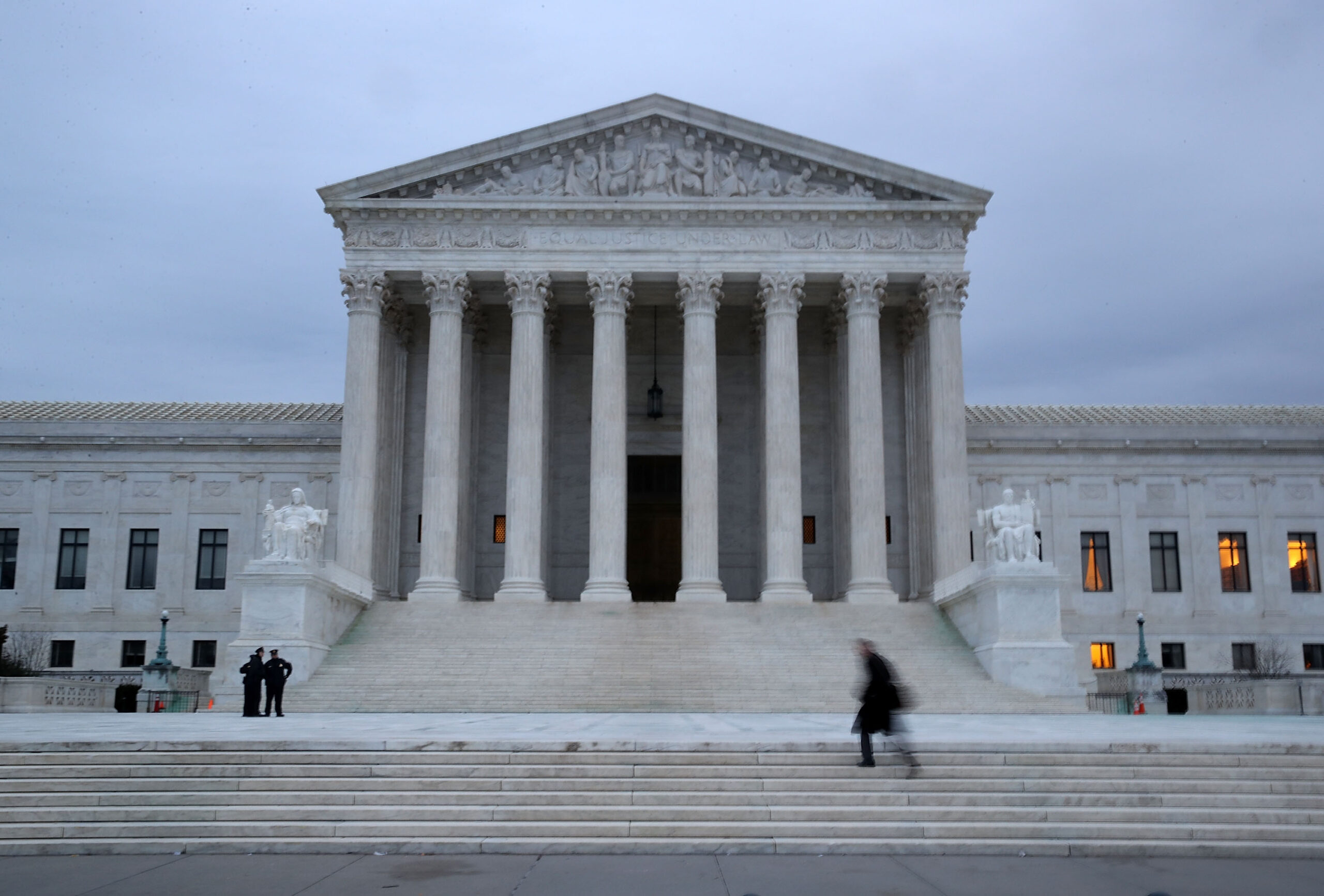
Supreme Court Rejects Controversial State Legislature Theory on Elections

The Supreme Court rejected the "independent state legislature" theory in a 6-3 ruling, affirming the role of state courts in weighing in on legislative decisions affecting federal elections. The theory, which had gained traction in mainstream Republican politics, sought to strip state courts of their authority to review federal-election-related policies or maps. The court's decision upholds the system of checks and balances on legislative authority over elections and recognizes the importance of state constitutions as independent sources of rights and protections. However, the dissenting justices, who are facing accusations of accepting inappropriate gifts from Republican megadonors, advocated for eliminating the ability of everyday Americans to challenge elected officials in state court or via ballot initiative. The ruling highlights the need for a code of ethics for Supreme Court justices and the overturning of previous decisions on partisan gerrymandering to restore the court's legitimacy.

politics2 years ago

Supreme Court's Election Rulings: A Mixed Bag of Victories and Concerns

The Supreme Court has surprised voting rights groups with recent decisions that uphold protections for minority voters and limit state lawmakers' power to set voting rules. The decisions, while victories for maintaining the status quo, also set the stage for future showdowns and unresolved questions. The first decision rejects the argument that state legislatures have unchecked power to set election rules, allowing courts to review laws for consistency with state constitutions. The second decision upholds the interpretation of the Voting Rights Act, requiring mapmakers to consider race but not make it the predominant factor in drawing districts. However, both decisions leave room for future challenges and uncertainties, potentially leading to more litigation.

politics2 years ago

Supreme Court's Rejection of Independent State Legislature Theory Sets Precedent for Future Election Challenges

The U.S. Supreme Court rejected the extreme version of the "independent state legislature theory," which argued that state legislatures have absolute power in setting the rules of federal elections. However, the court left open the possibility for more limited challenges, potentially increasing its role in deciding voting disputes during the 2024 presidential election. While voting rights groups celebrated the ruling, critics argue that the court's decision still allows for ideological and partisan judging. The issue of when state courts need to stay out of federal elections remains unresolved, and it may only be settled in a last-minute challenge during the 2024 election. The ruling has implications for future challenges to state court decisions and the boundaries of state court decision-making in elections.

politics2 years ago

Supreme Court Deals Blow to GOP's Election Transformation Efforts

The Supreme Court ruled that state courts can act as a check on their legislatures in redistricting and other issues affecting federal elections, rejecting arguments by North Carolina Republicans. The decision upholds a ruling by North Carolina's top court that struck down a congressional districting plan as excessively partisan under state law. While the practical effect of the decision is minimal due to a new Republican majority in the North Carolina Supreme Court, the ruling leaves room to challenge state court rulings on federal election issues. The case attracted attention as it could have had broader implications for election oversight and political polarization.

politics2 years ago

SCOTUS Supermajority's Impact on Abortion and Gun Policies.

Constitutional lawyer Michael Waldman argues that the conservative supermajority on the Supreme Court, including three appointees of President Trump, have defied longstanding precedents and rendered far-reaching decisions on gun control, reproductive rights, environmental regulations, and voting rights. Waldman says that the principle of "originalism" is fundamentally flawed and that state courts and state constitutions can be a strong bulwark for protection of rights, for advancement of equality, for promoting democracy.

environment2 years ago

Supreme Court Rejects Fossil Fuel Companies' Appeal in Climate Change Lawsuits.

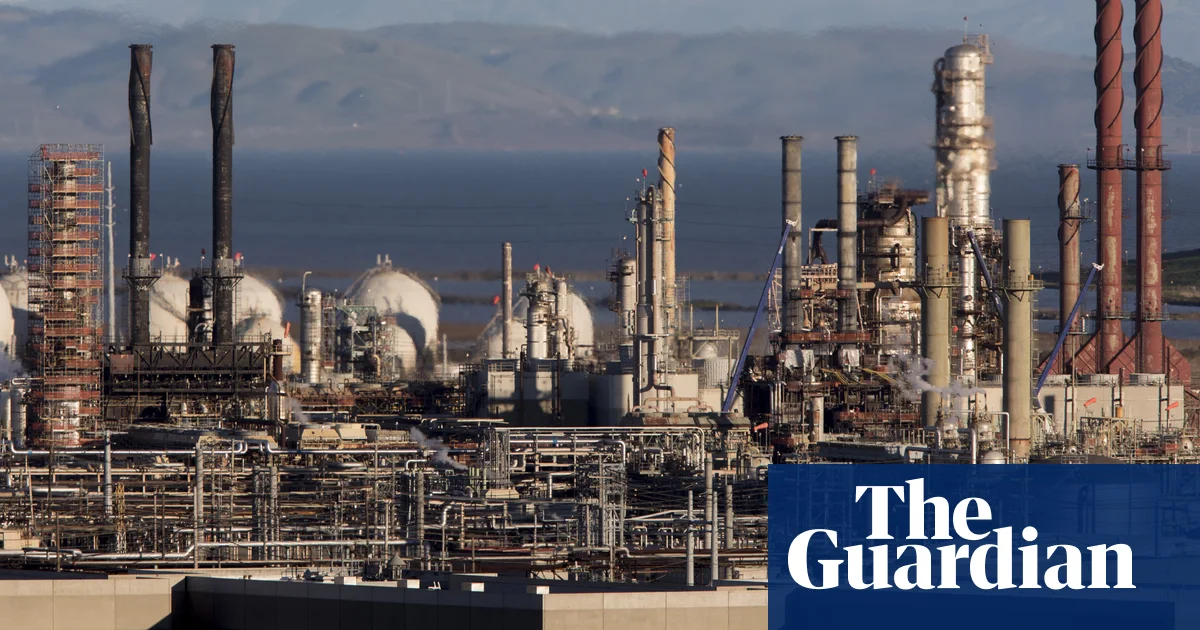
The US Supreme Court has declined to hear appeals from the fossil fuel industry seeking to move climate change lawsuits it faces to the federal courts, opening the door for Baltimore and other cities, states and counties to pursue their claims for damages from climate-related extreme weather events, flooding and sea-level rise in state courts. The fossil fuel companies vowed to continue fighting the lawsuits, and pursuing their jurisdictional arguments. Despite the high court’s decision, fossil fuel companies remain adamant that climate change should not be fought in courtrooms.

climate-change2 years ago

US Supreme Court Allows Climate Lawsuits Against Fossil Fuel Companies to Proceed

The US Supreme Court has allowed climate lawsuits against major oil companies to proceed in state courts, rather than federal courts, which are seen as more favorable to plaintiffs. The cases allege that fossil fuel companies exacerbated climate change by concealing and misrepresenting the dangers associated with burning fossil fuels. Local governments are seeking damages for the billions of dollars they have paid for climate mitigation and adaptation. The decision is being hailed as a breakthrough by climate experts and advocates, who hope it will lead to greater financial accountability for the fossil fuel industry.

environment2 years ago

Supreme Court Rejects Oil Companies' Climate Change Appeals

The US Supreme Court has rejected appeals by Exxon Mobil, Chevron, Suncor Energy, and other oil companies to move lawsuits filed by state and local governments accusing them of worsening climate change out of state courts and into federal courts. The lawsuits were filed by the state of Rhode Island and municipalities or counties in California, Colorado, Hawaii, and Maryland. The oil companies argued that the lawsuits should be heard in federal court, but the lower courts determined that they belonged in state court. Numerous state and local governments have pursued litigation against oil companies seeking climate-related damages.