Lawyers for Natia Dzadzama, wife of Marinera captain Avtandil Kalandadze, filed for judicial review in Edinburgh, arguing the US-held captain has been unlawfully detained in Scotland since January after the tanker was seized in UK waters. An interim interdict restricts removal of the captain and crew from Scottish jurisdiction while a full hearing is anticipated.
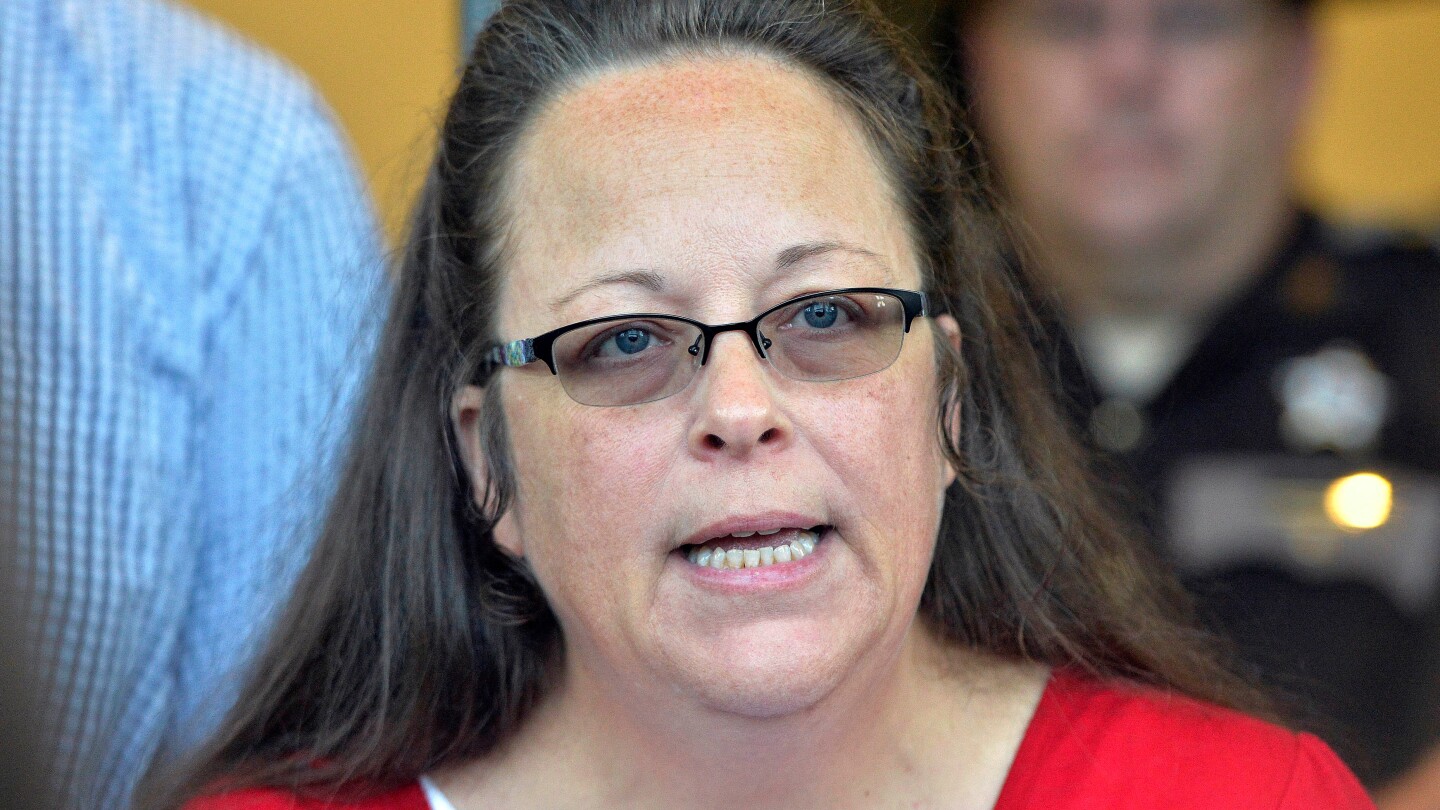
The U.S. Supreme Court is considering whether to overturn the 2015 decision legalizing same-sex marriage, with cases including Kim Davis's refusal to issue marriage licenses to same-sex couples and debates among justices about the decision's future. Some justices have expressed skepticism about the ruling, while others see it as a settled issue, reflecting ongoing legal and ideological debates.
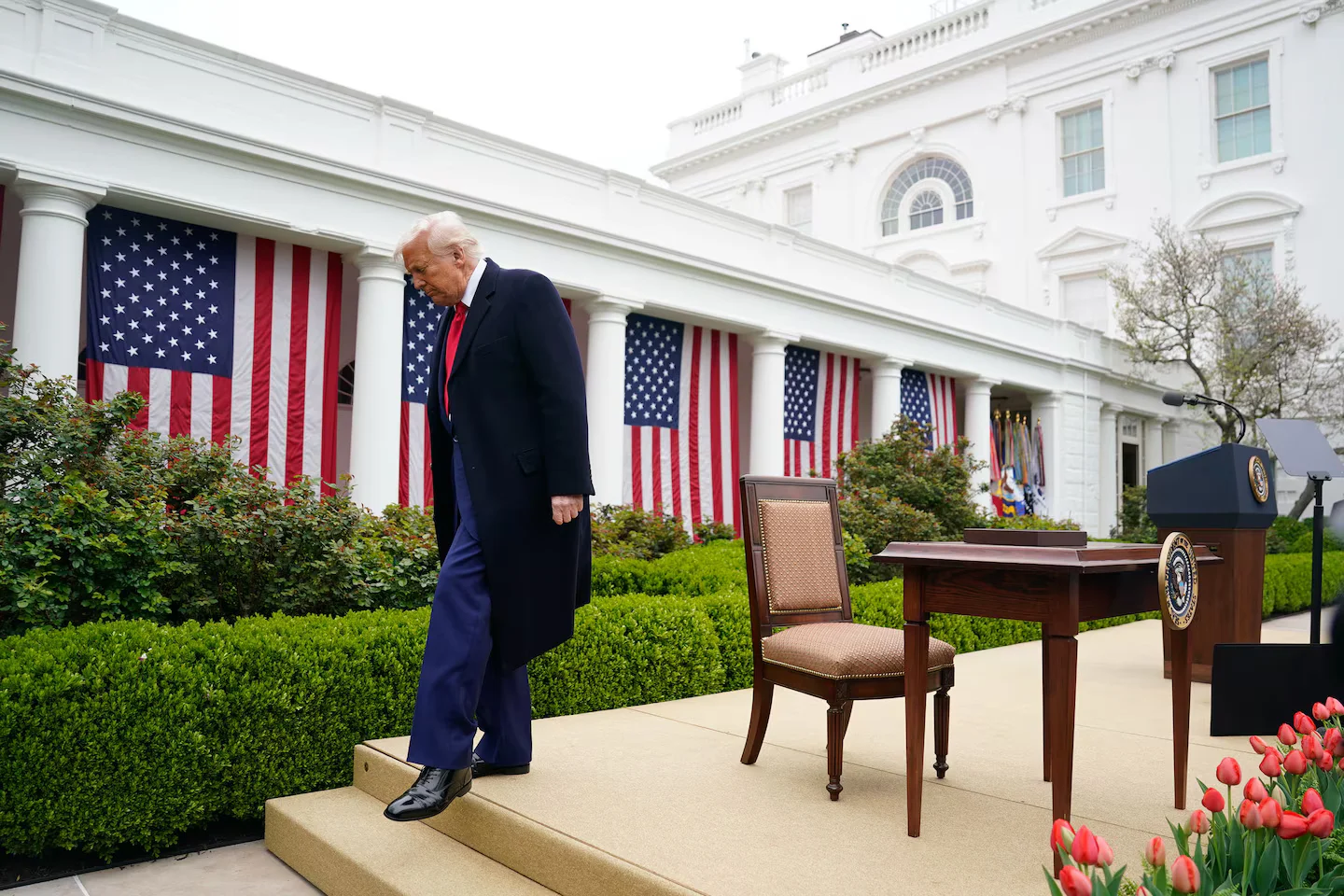
The Supreme Court debated whether Trump's broad use of tariffs, justified under a 48-year-old law, constitutes taxes and whether legal doctrines like the major questions and non-delegation limit presidential power, with many justices appearing skeptical of the administration's position. The case hinges on whether tariffs are considered taxes, which could lead to their invalidation, and reflects broader conservative efforts to limit executive authority. A decision is expected in the coming weeks or months.
The Supreme Court showed skepticism about President Trump's legal authority to impose broad tariffs on imports, indicating a potential ruling to limit or overturn the tariffs.
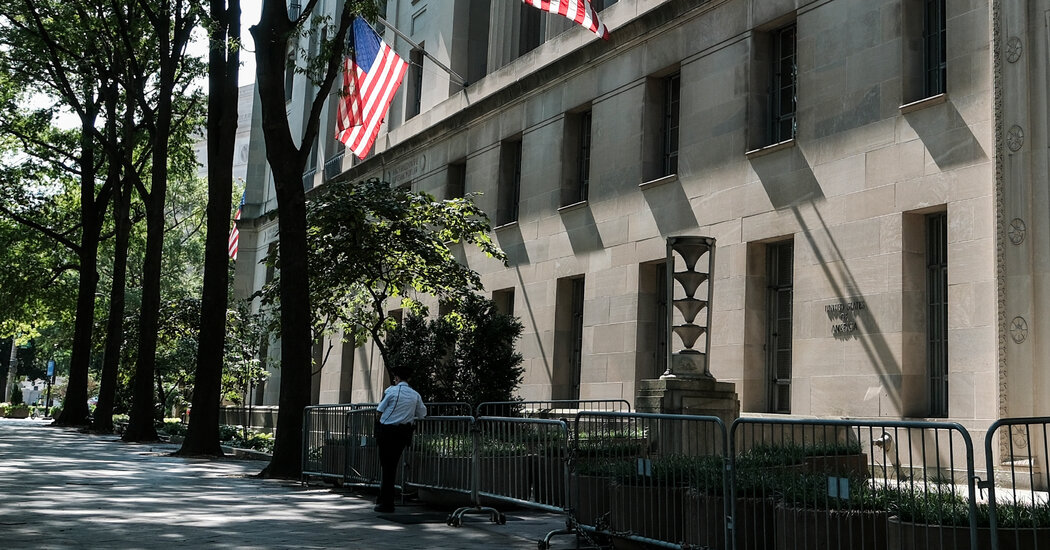
Despite President Trump's efforts to influence the Justice Department, various safeguards such as prosecutorial norms, grand juries, and judicial review serve as barriers that can prevent or delay politically motivated prosecutions, highlighting the resilience of the criminal justice system.
The Justice Department has asked the Supreme Court to allow former President Trump to withhold foreign aid funds through a legal argument that challenges the traditional congressional control over budget rescissions, escalating a legal battle over presidential authority and congressional spending powers.
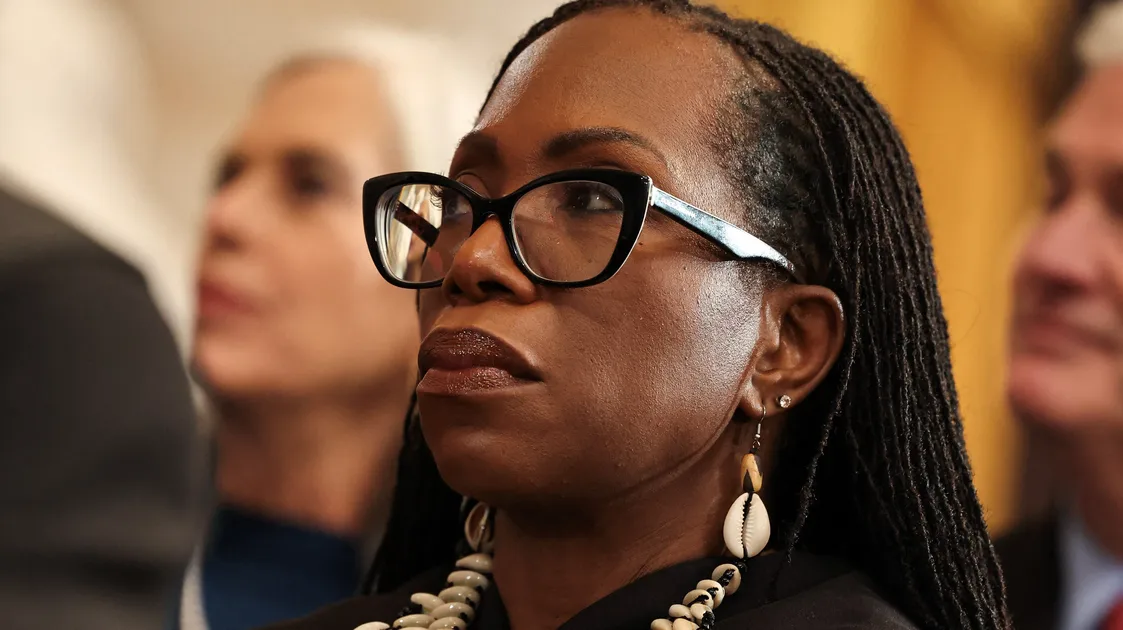
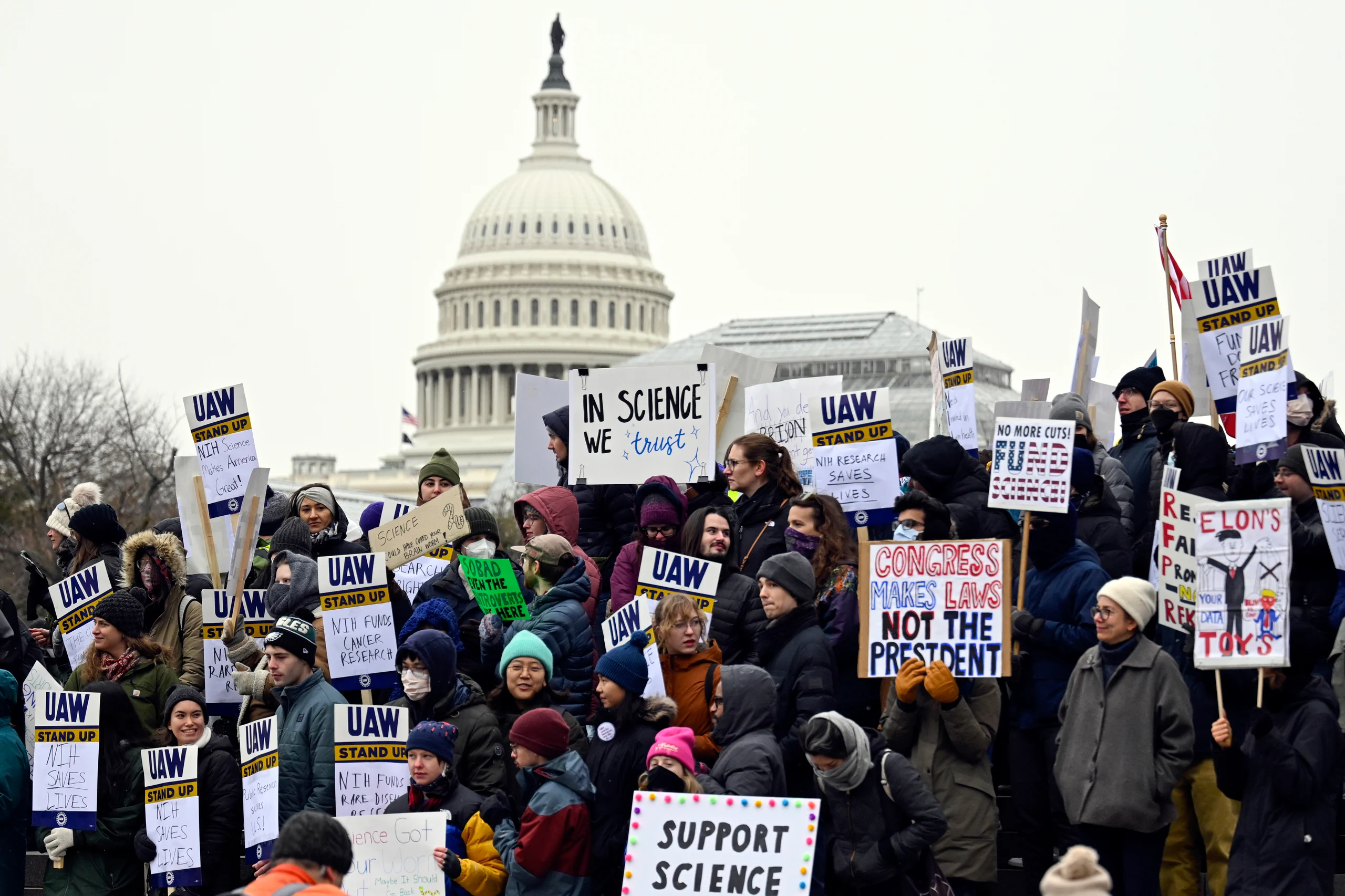
Justice Ketanji Brown Jackson criticized the conservative Supreme Court justices for their partisan approach and decision-making, particularly in a case involving the cancellation of NIH grants, accusing them of creating a confusing and biased legal process that undermines judicial review and hampers scientific and health research.
The Supreme Court, in a 5-4 decision, allowed the Trump administration to proceed with canceling $783 million in health research grants, while indicating the administration's rationale was unlawful. The ruling highlights ongoing tensions over presidential power and judicial review, especially concerning federal funding for diversity, equity, and inclusion initiatives. Justice Jackson criticized the decision for undermining legal standards and scientific progress, emphasizing the broader implications for law and public health.
A New Jersey judge is set to rule on Alina Habba's authority as U.S. Attorney amid debates over her appointment and the legality of interim appointment limits, with concerns about potential political influence and procedural irregularities.
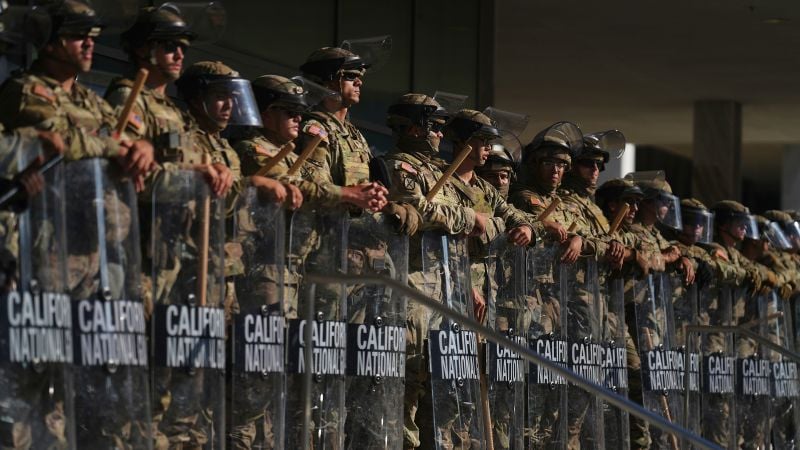
A federal judge in San Francisco questioned the legality of Trump's deployment of California National Guard troops during protests, raising concerns about the limits of federal law enforcement and the Posse Comitatus Act, with a ruling pending.
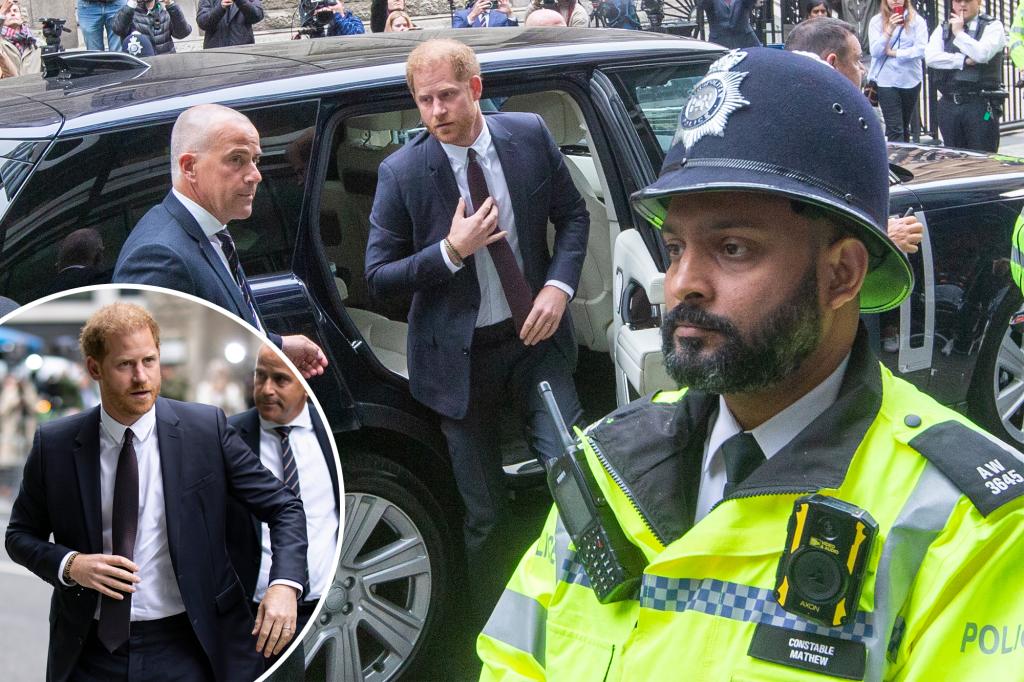
Prince Harry has arrived at London's High Court to begin a three-day case seeking to regain UK security protection for his family. The Duke of Sussex and his wife, Meghan Markle, were stripped of taxpayer-funded police protection after stepping back from their roles as working royals and moving to the US. Harry's lawyers had previously sought a judicial review of the government's refusal to allow him to hire police officers as private security, which was initially denied. A judge has now granted permission for a full hearing to review the Home Office's decision. The case will be held in private, and a decision is expected at a later date.
The article discusses the ongoing controversy in Israel surrounding judicial review and the power of the High Court. The author criticizes the involvement of politicians and the president in negotiating the fate of the court and argues that the court should set the tone and protect the rule of law. The article highlights the potential consequences of undermining judicial tools and warns that Israel's democracy is at risk. The Supreme Court is now facing a test as it hears petitions against a new law that could further subjugate the judicial system. The author urges the court to reject the law and defend the last embers of Israeli democracy.
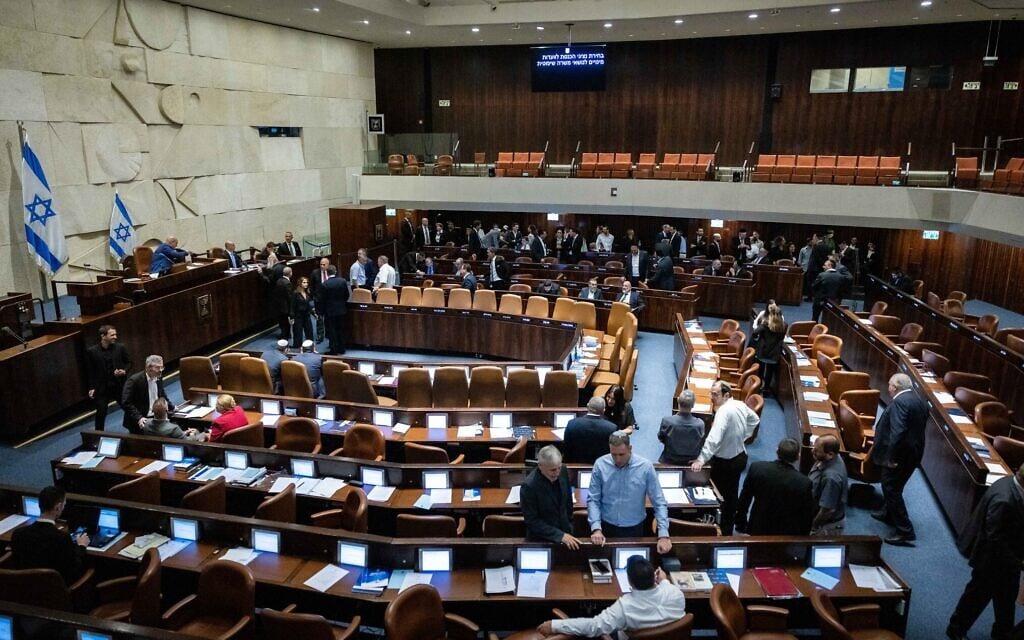
The Knesset is set to vote on a bill that would limit judicial review of the "reasonableness" of government decisions, as part of a broader plan to overhaul Israel's judiciary. The bill, which is expected to pass its first reading, has sparked protests and criticism from opposition members and legal experts. The proposed legislation would prevent courts from using the reasonableness test to invalidate or discuss decisions made by elected officials. Critics argue that the test is a crucial safeguard against government abuse, while proponents claim it enables rule by the judiciary. The bill is seen as a precursor to a larger effort to weaken judicial checks on political power, including increasing political influence over judicial appointments.
The Supreme Court rejected the "independent state legislature" theory in a 6-3 ruling, affirming the role of state courts in weighing in on legislative decisions affecting federal elections. The theory, which had gained traction in mainstream Republican politics, sought to strip state courts of their authority to review federal-election-related policies or maps. The court's decision upholds the system of checks and balances on legislative authority over elections and recognizes the importance of state constitutions as independent sources of rights and protections. However, the dissenting justices, who are facing accusations of accepting inappropriate gifts from Republican megadonors, advocated for eliminating the ability of everyday Americans to challenge elected officials in state court or via ballot initiative. The ruling highlights the need for a code of ethics for Supreme Court justices and the overturning of previous decisions on partisan gerrymandering to restore the court's legitimacy.
The US Supreme Court rejected the "independent state legislature" theory, which argued that state legislatures have the authority to set election rules with little oversight from state courts. The decision was made in a case about North Carolina's congressional map. The court maintained the power of state courts to review election laws under state constitutions, while urging federal courts to "not abandon their own duty to exercise judicial review."