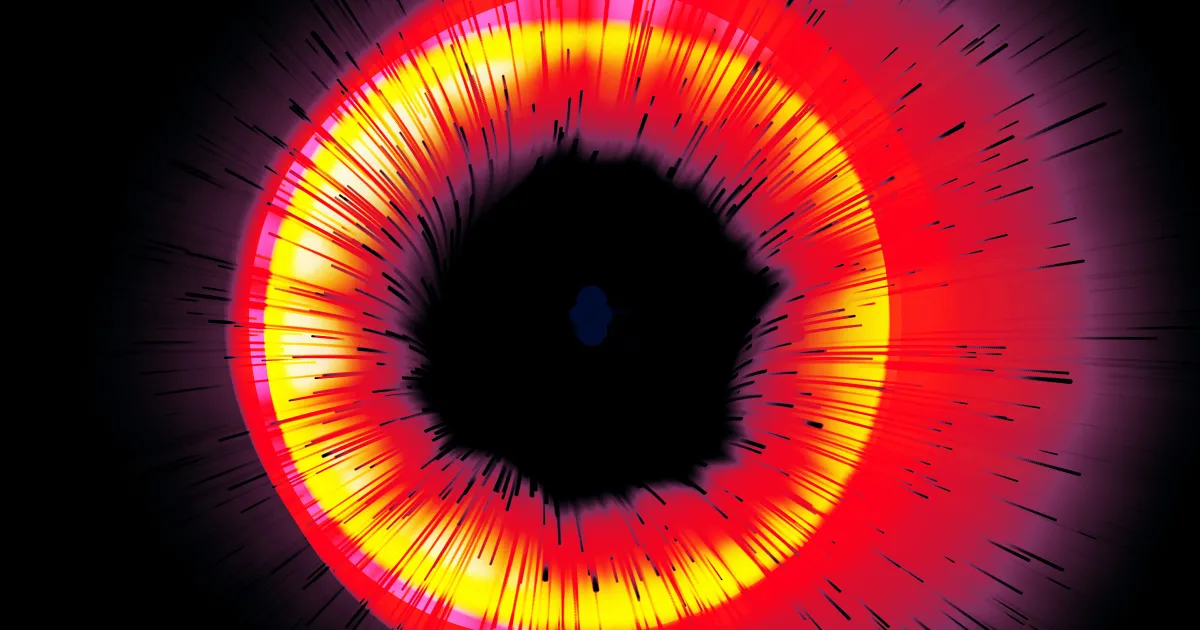
Astronomers observed an unusually long and repeating gamma ray burst, GRB 250702B, which may be caused by a stellar-mass black hole devouring a star from the inside, challenging existing theories about such cosmic events.
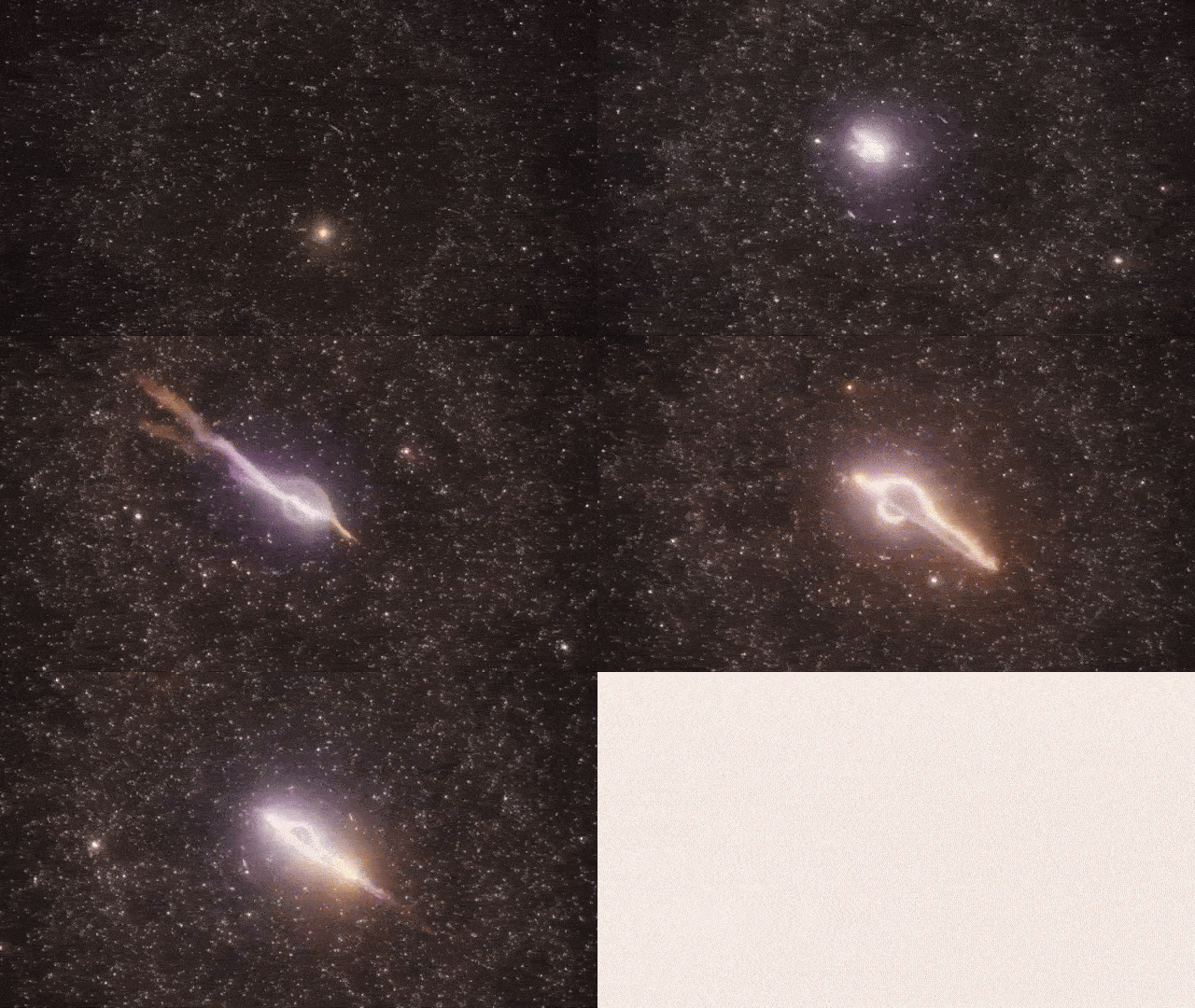
Researchers have created an animation depicting the suspected intermediate-mass black hole HLX-1 ripping apart a star, providing insights into these elusive objects that bridge stellar and supermassive black holes, and highlighting their importance in understanding black hole evolution.
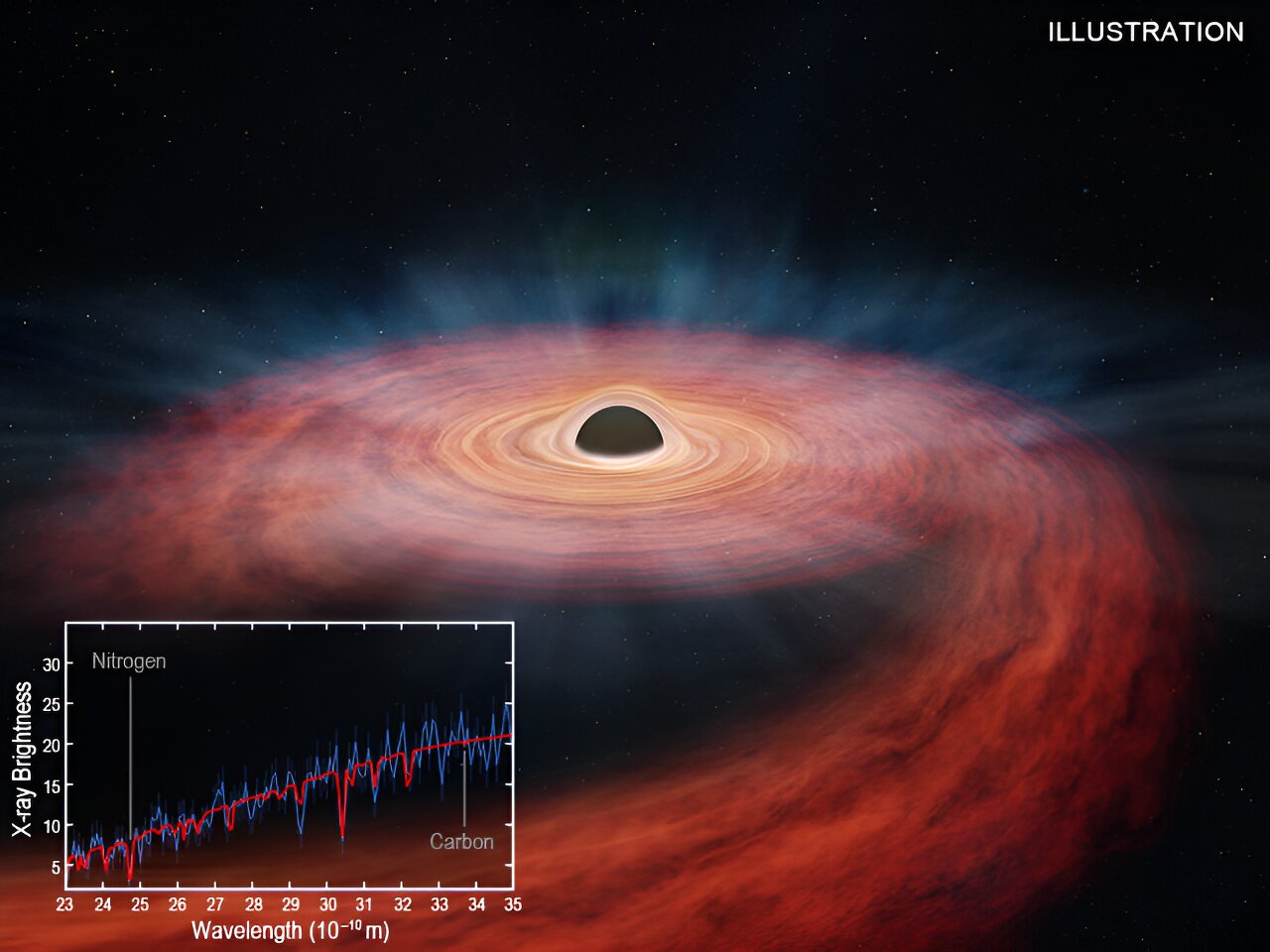
Astronomers have studied the aftermath of a tidal disruption event known as ASASSN-14li, where a massive star was torn apart by a giant black hole. NASA's Chandra X-ray Observatory and ESA's XMM-Newton analyzed the nitrogen and carbon near the black hole, providing clues about the star's composition. The star in ASASSN-14li was estimated to have three times the mass of the Sun, making it one of the most massive stars observed to be destroyed by a black hole. This study enhances our understanding of tidal disruptions and offers insights into the presence of star clusters around supermassive black holes in distant galaxies.
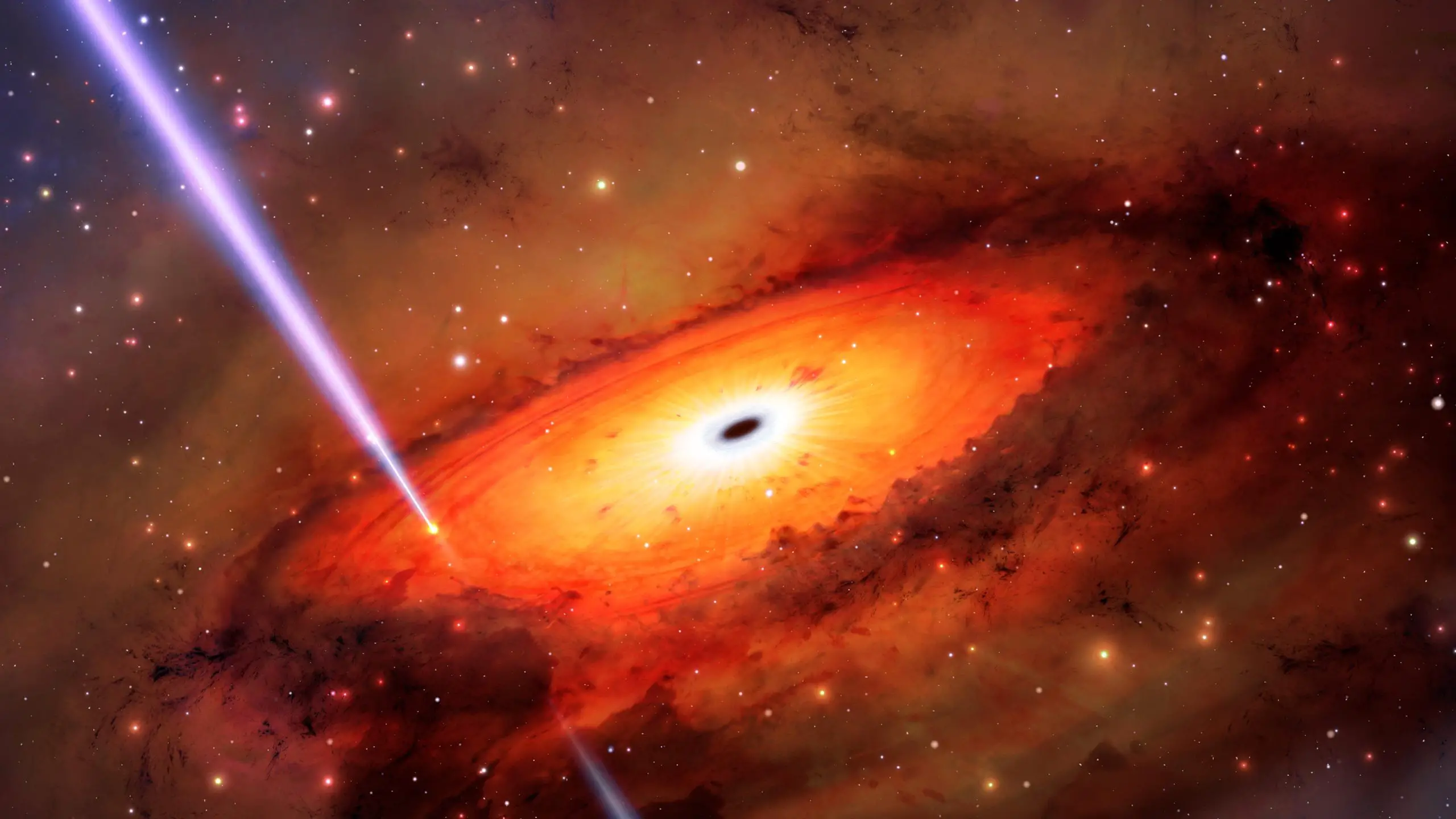
Astrophysicists have discovered a new mechanism for star destruction and gamma-ray burst generation, originating from stellar collisions in the dense environments near supermassive black holes in ancient galaxies. This finding enhances our understanding of star deaths and might point to previously unknown sources of gravitational waves. The study was published in Nature Astronomy and led by Radboud University in the Netherlands.