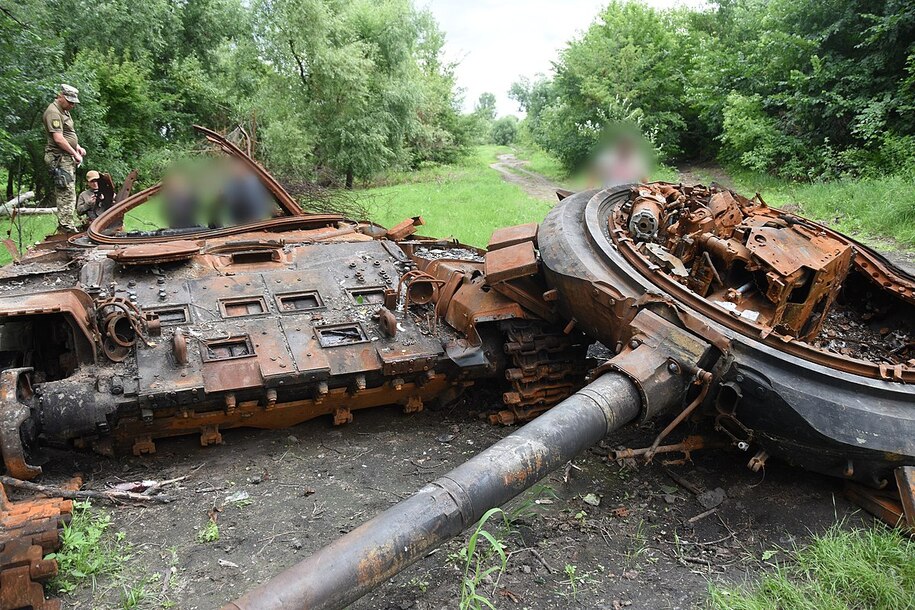
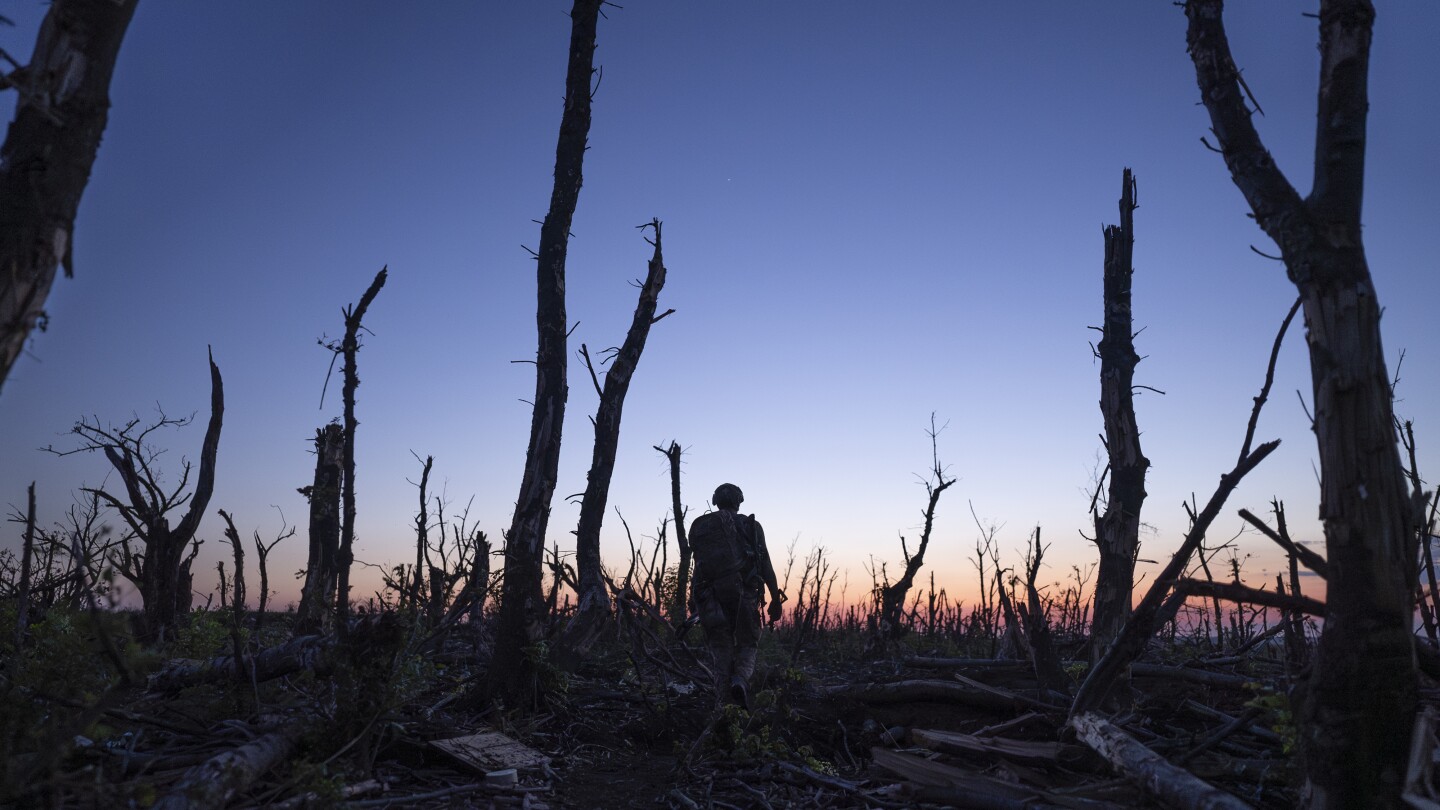
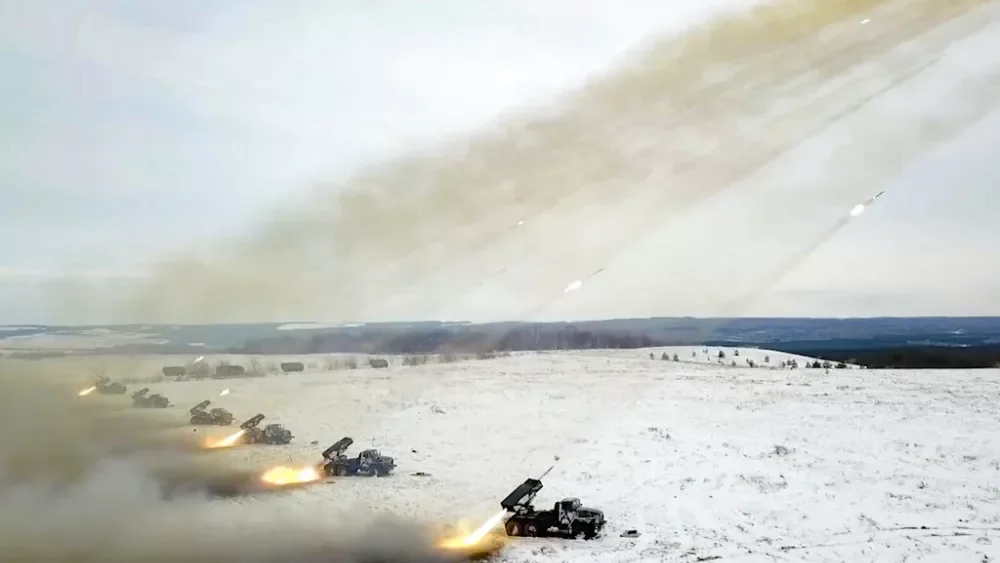
According to a report by the International Institute for Strategic Studies, Russia may only be able to sustain a stalemate in Ukraine for three more years due to economic and military constraints. The report suggests that Russia's ability to maintain its current level of military engagement in Ukraine is limited, and it may struggle to continue the conflict beyond that timeframe.
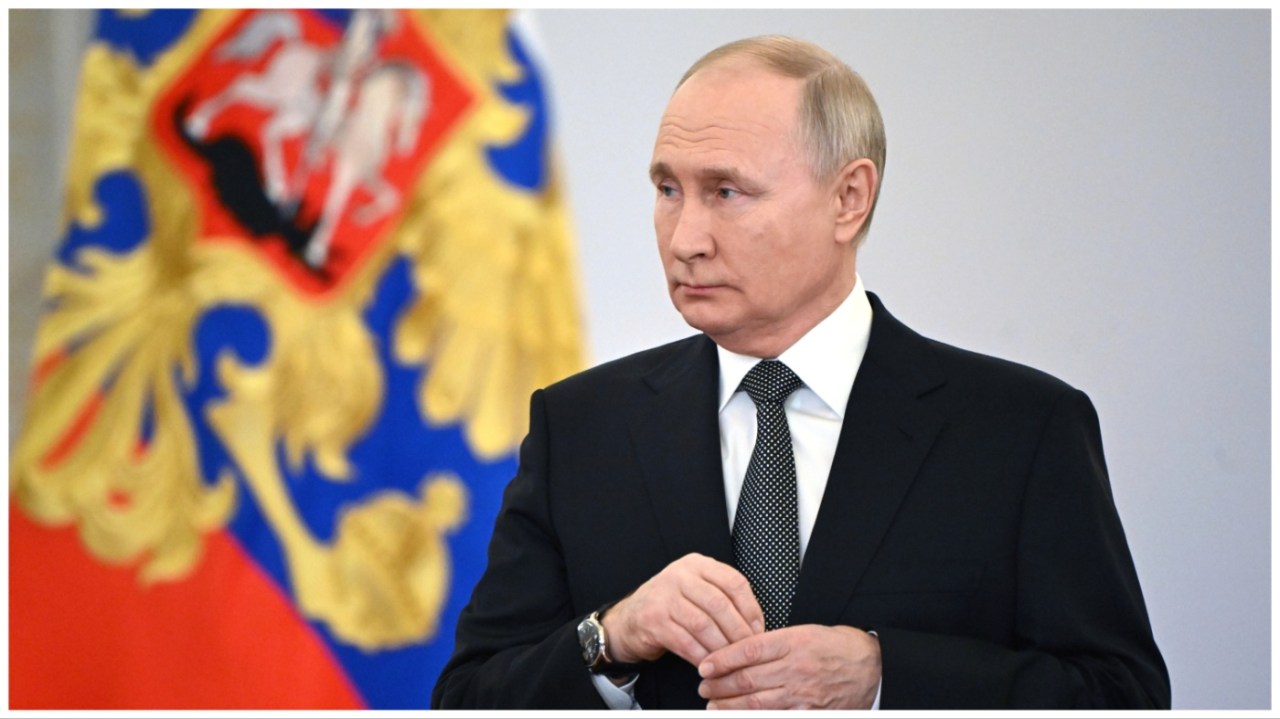
Ukraine ends the year disappointed as its counteroffensive against Russia fails to make significant progress, leaving about one-fifth of Ukraine under Russian control. The stalemate on the battlefield has led to anxiety about the future of Western aid for Ukraine's war effort, as political deliberations over financial assistance become strained. Russian President Vladimir Putin is playing a waiting game, hoping that Western support will gradually crumble due to political divisions, war fatigue, and other global demands. The shifting sentiment could benefit Putin, especially after the upcoming US elections. Despite setbacks, Putin has managed to maintain control and increase defense spending, while Ukraine faces the challenge of resourcing another offensive operation. The international political outlook remains uncertain, raising questions about the best way forward for Ukraine.
The war in Ukraine has reached a stalemate, with Ukrainian officials acknowledging that a breakthrough is unlikely. Russian President Vladimir Putin's strategy of holding territory and waiting for Western allies to crack appears to be working. Ukraine faces the challenge of convincing the skeptical West to continue arming its troops and fighting against entrenched Russian forces. Despite suffering heavy losses, Russia is seeking to exhaust Ukraine's resources and weaken Western support. Ukraine is hoping for major upgrades in weaponry and support from the US, but faces hurdles in Congress. The Biden administration maintains confidence in Ukraine's ability to resist Russia, but Europe's support is showing cracks. The war's endgame and the question of funding a "forever war" are being debated.
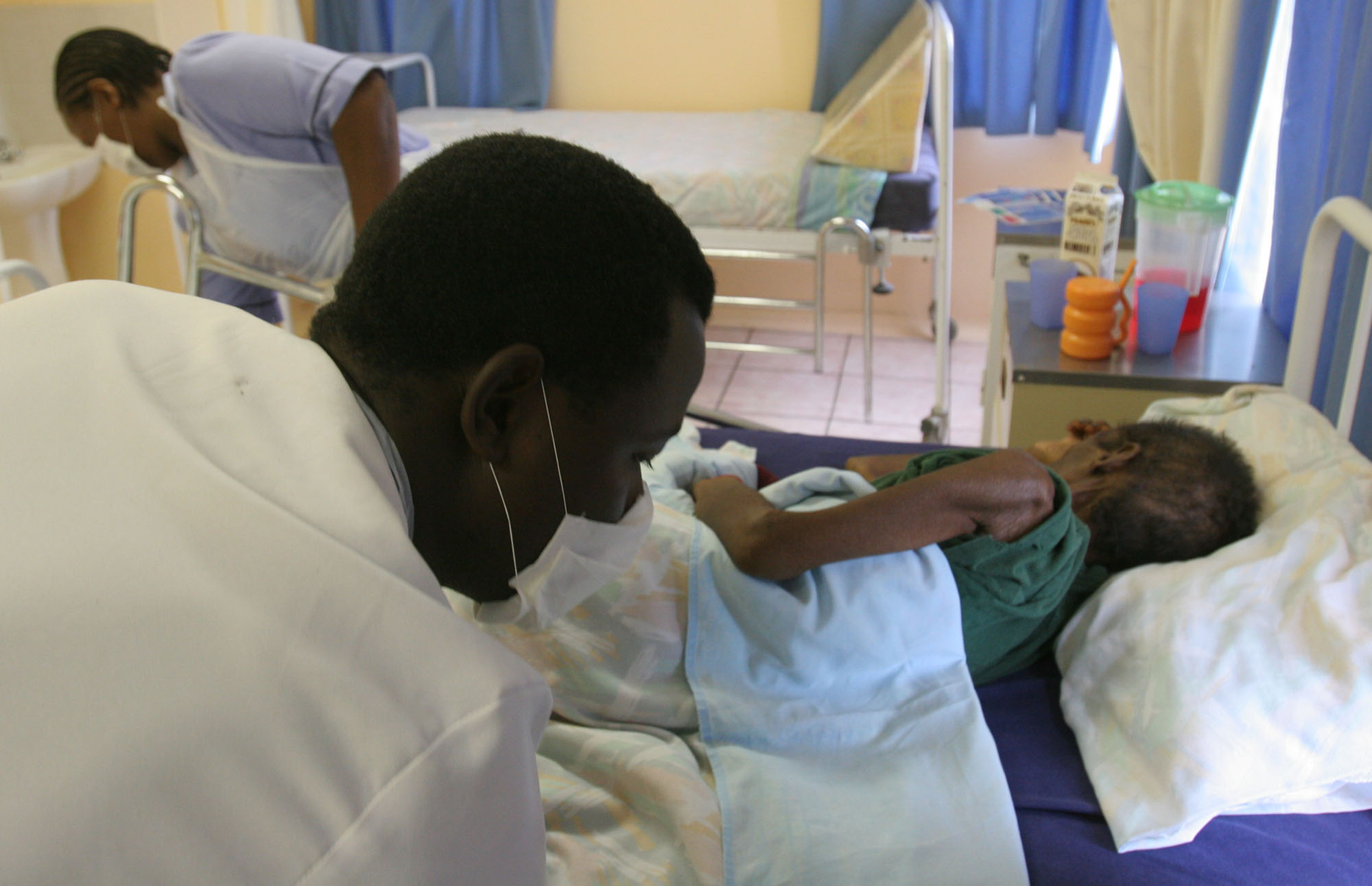
Negotiations for the reauthorization of the President's Emergency Plan for AIDS Relief (PEPFAR), a successful U.S. global HIV/AIDS relief program, have reached a stalemate in Congress. The deadlock stems from a divide between Republicans who accuse the Biden administration of using PEPFAR to fund abortion providers overseas and House Democrats who refuse to reinstate Trump-era rules that prohibited foreign aid going to groups that provide or counsel on abortions. Talks have also stalled in the Senate, and the best hope for reauthorization now lies in the government spending process, which is expected to drag into early 2024. The 2024 election further complicates the issue, with some Republicans opposing a long-term reauthorization to prevent restrictions from being tied to a future conservative president. Without a long-term commitment, groups fighting HIV and AIDS worldwide will struggle to hire staff and launch long-term projects.
The Russian-Ukrainian war has reached a stalemate, with neither side able to achieve a fundamental change on the ground. Calls for negotiations have intensified, but the positions of Russia and Ukraine are currently irreconcilable. Ukraine is determined to achieve complete liberation of the occupied territories and rejects the idea of negotiations, while Russia seeks to impose its terms, including a demilitarized and non-aligned Ukraine. The outcome of the war will have significant implications for the military-political balance in Eastern Europe, with Russia potentially using a neutral Ukraine as a springboard for further expansion.
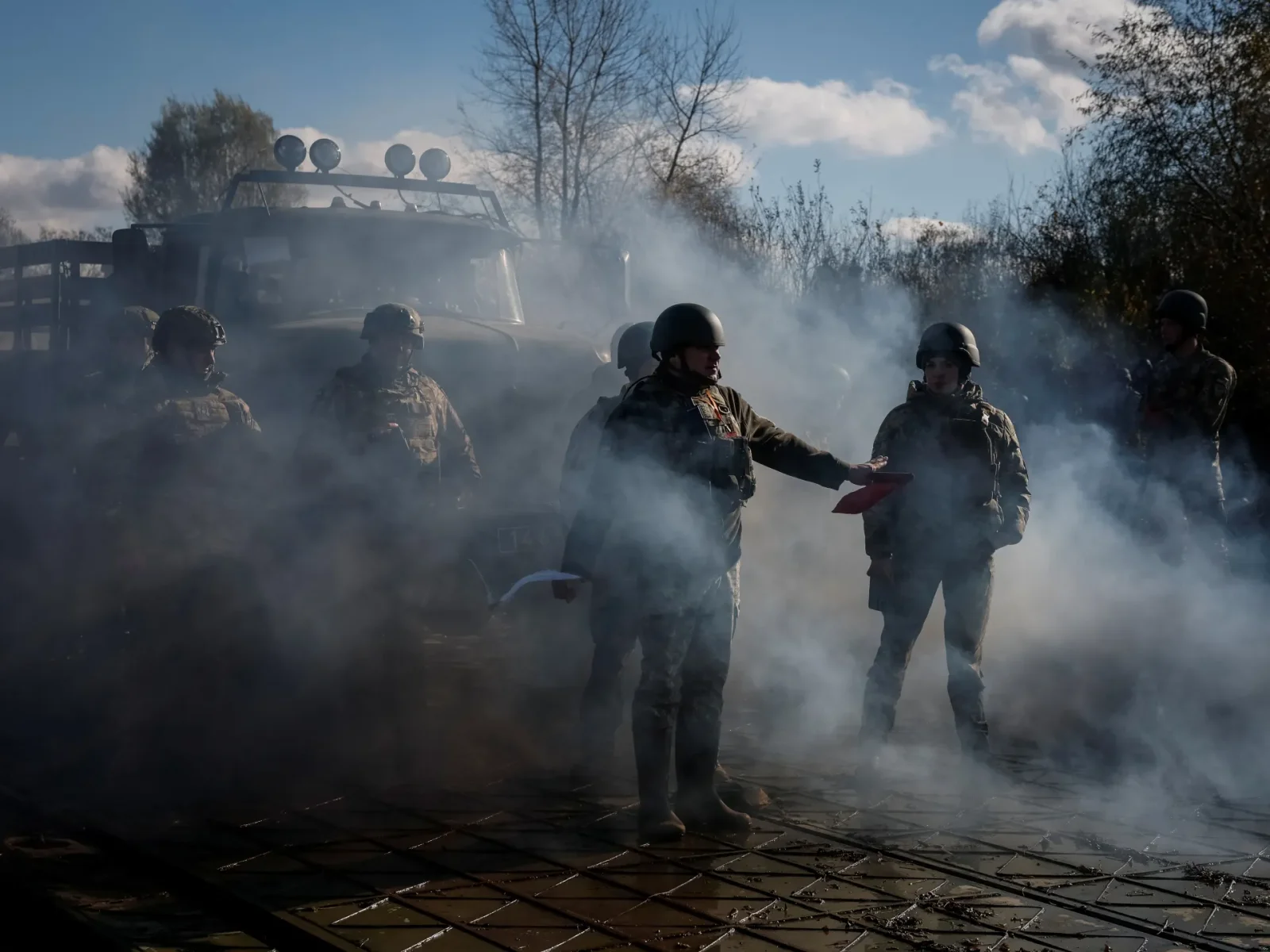
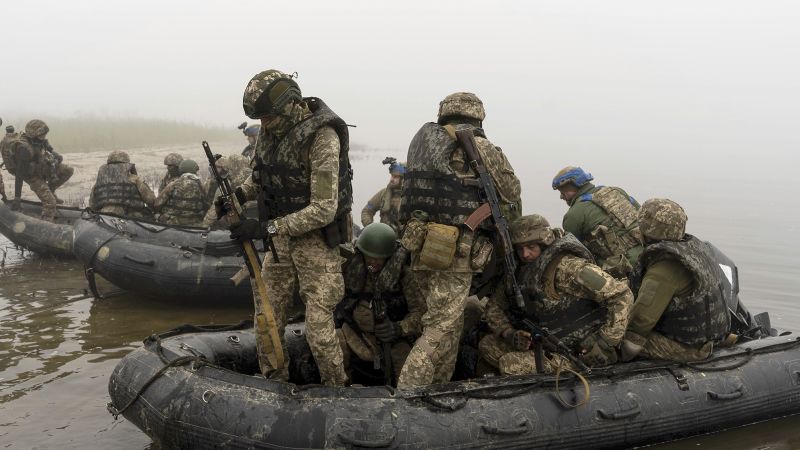
Russian Defense Minister Sergei Shoigu claims that the Russian army is advancing "in all directions" in Ukraine, while a Ukrainian commander insists that their military is "firmly holding the lines." The Ukrainian counteroffensive launched in June has stalled, with hopes for a breakthrough fading as winter approaches. Russian forces have increased their activity around the frontline city of Avdiivka, but the situation remains a stalemate. Both sides have suffered losses, and there are concerns that foreign aid to Ukraine may decrease if the stalemate continues. Russian forces continue to bomb cities in Ukraine nightly.
Experts predict a long and bloody stalemate in Ukraine this winter, with neither side expected to achieve a breakthrough. Ukraine's counteroffensive has failed to cut Russian forces in two, while Russia's recent offensives have also been unsuccessful. The war lacks high strategy and has become an attrition war, with both sides unable to gain a technological or tactical advantage. The conflict is expected to continue through the winter, resulting in more casualties. While Ukraine's allies have imposed sanctions on Russia, the country has found alternative sources for its needs. Some observers believe that time is on Russia's side, but there are indications of declining morale among Russian soldiers. Both sides may secretly desire negotiations, but for now, they continue to demonstrate a will to fight.
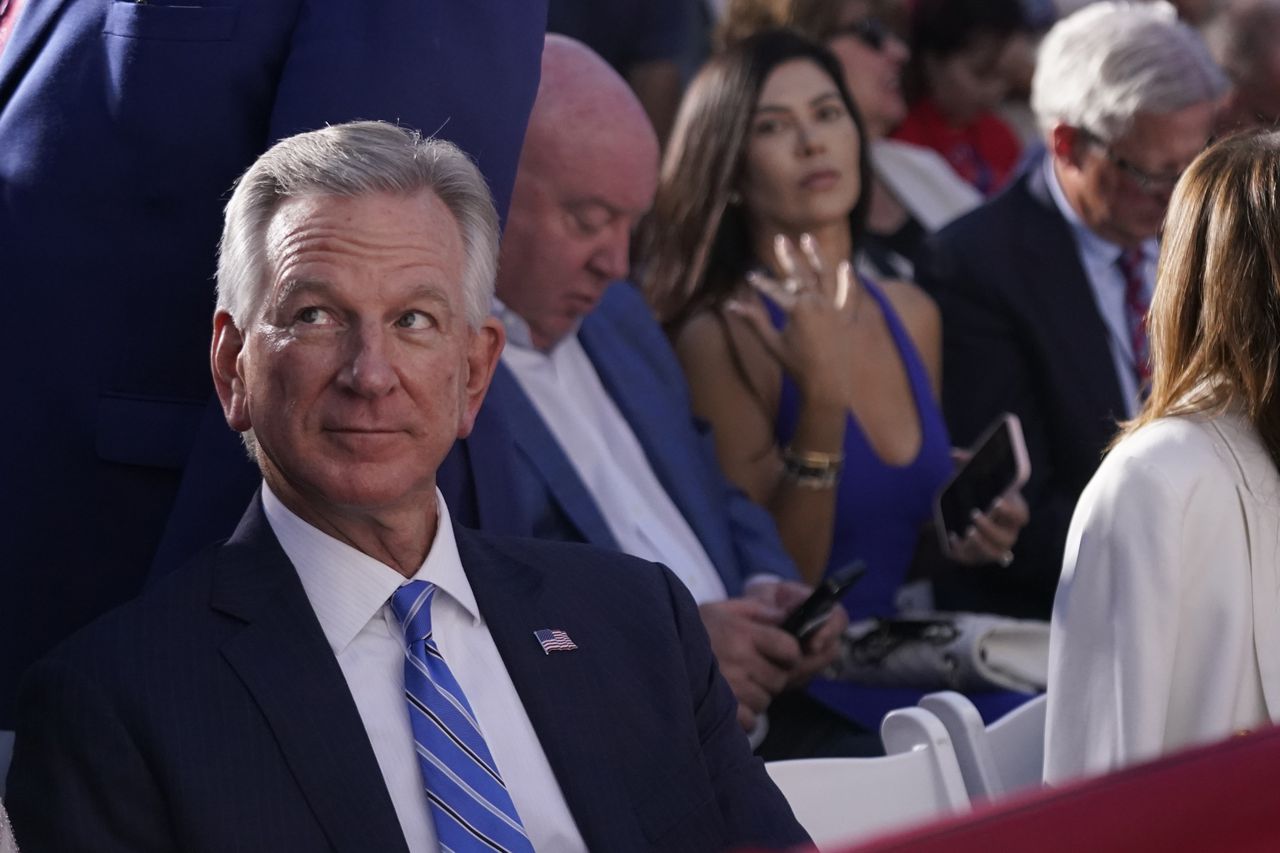
Republican Senator Tommy Tuberville reportedly told his GOP colleagues that he will find a way to resolve the stalemate caused by his holds on military promotions and nominations before Senate Majority Leader Chuck Schumer brings a resolution to the floor. Tuberville's blockade has been criticized for holding up over 350 promotions since February, and he has suggested that his objection could be resolved if the final version of the NDAA eliminates the Pentagon's abortion policy.
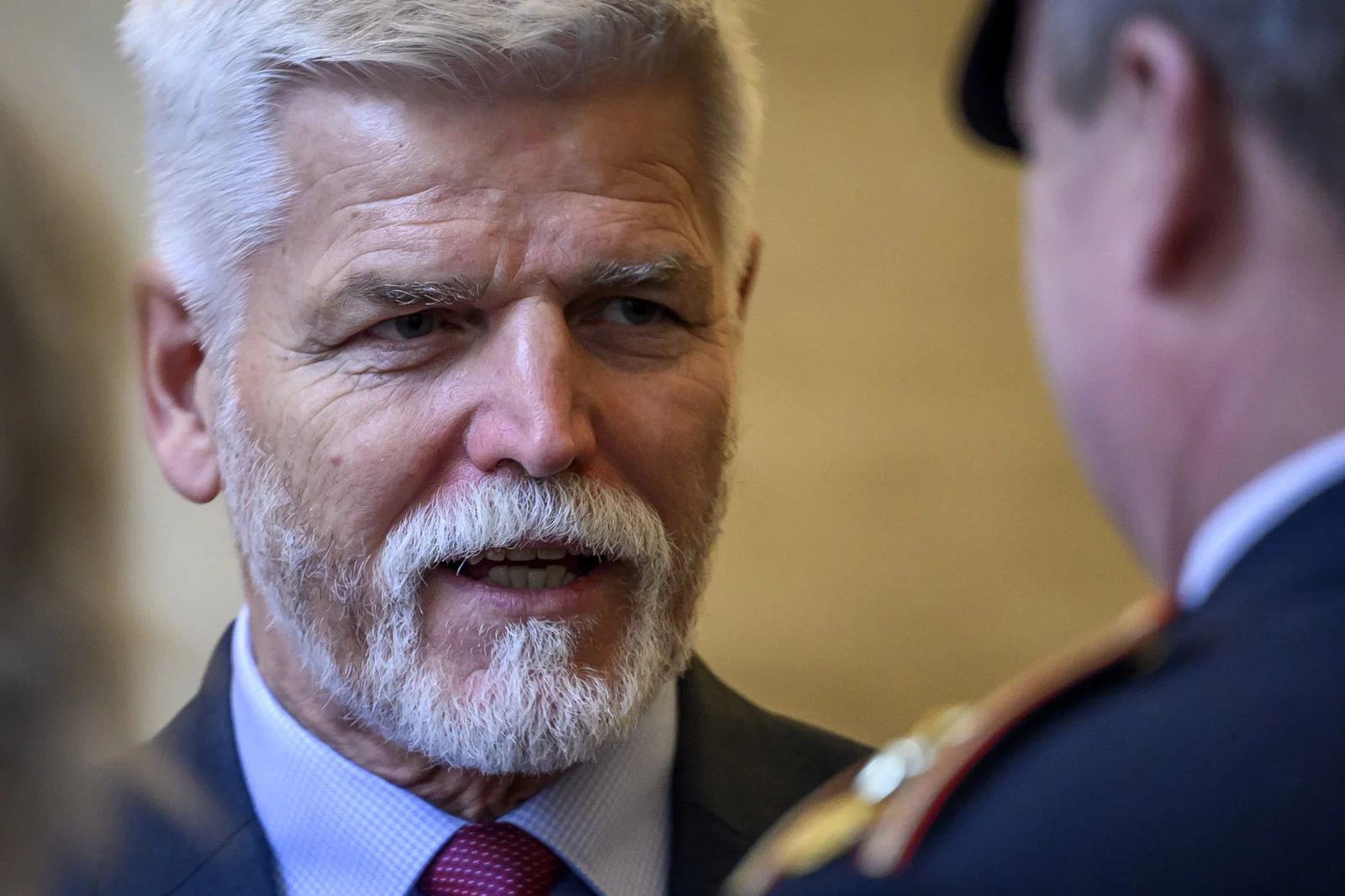
Czech Republic President Petr Pavel has warned that Russian President Vladimir Putin could gain the upper hand in the war against Ukraine if Western allies do not increase their military support. Pavel expressed concerns about the slow delivery of promised aid to Ukraine and the imbalance in military equipment, including the delayed training of Ukrainian pilots on F-16 fighter jets. He emphasized the importance of this year in laying the foundations for success and warned that next year could be even more favorable to Moscow if support for Ukraine is not maintained. Pavel also highlighted the recent conflict in the Gaza Strip as a distraction that may benefit Putin.
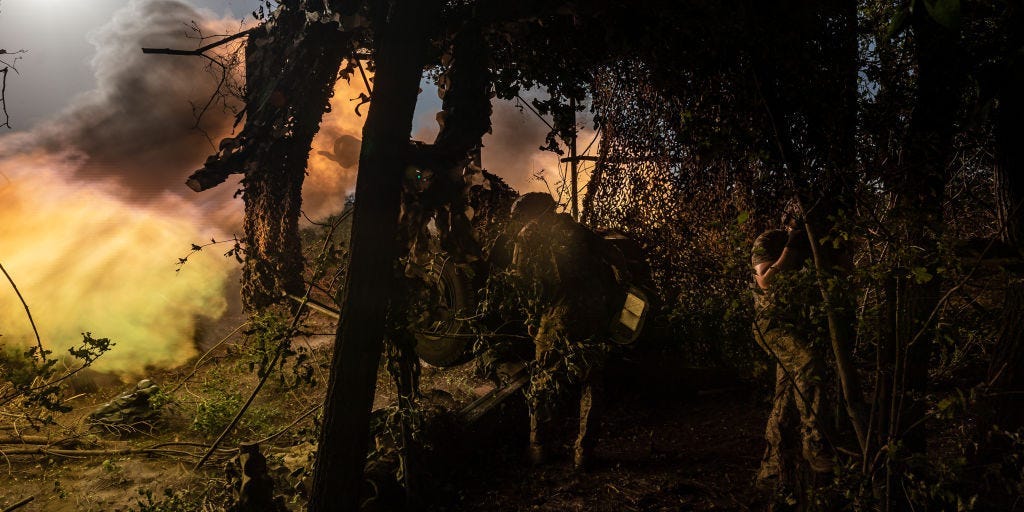
Russian forces have been launching waves of attacks on the Ukrainian city of Avdiivka, in an attempt to break the stalemate between the two sides. Ukrainian soldiers have compared the situation to a zombie movie, as Russian units advance overnight and attack in the morning. The tactics used by Russia resemble those used in the past to seize control of other strategically vital towns. The conflict between Ukrainian and Russian forces has been ongoing for months, with both sides deadlocked along a broad front line.
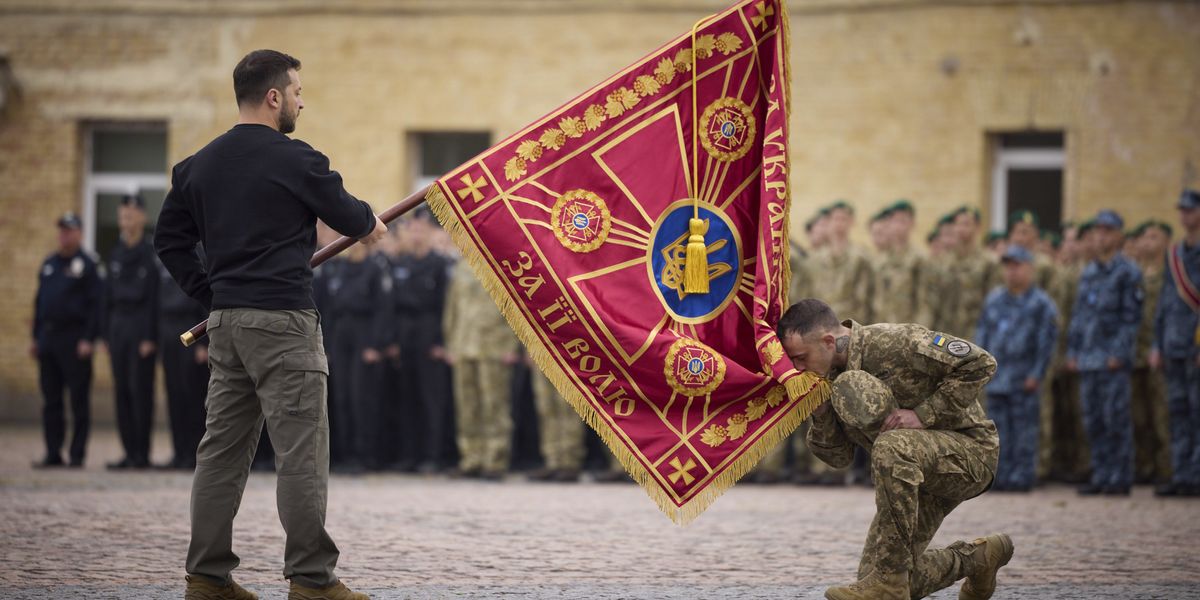
Tensions among Ukraine's senior leaders, including President Zelensky and top general Zaluzhny, have become increasingly visible as the country faces a stalemate in its counteroffensive against Russia. Zelensky called for an end to political infighting and warned that a lack of unity could have dire consequences. The disagreement between Zelensky and Zaluzhny over whether the war has reached a stalemate has highlighted divisions within the leadership. The issue of a perceived deadlock is particularly sensitive as it could lead to pressure for negotiations with Russia that may involve territorial concessions, which the majority of Ukrainians oppose. The political fractures and lack of progress in the war are dampening civilian morale, while international attention and aid for Ukraine are also waning.
Tensions are rising in Kyiv as divisions between Ukrainian President Zelensky and his military command become public, with a dispute over the state of the war with Russia. Zelensky insists the conflict is not at a stalemate, despite the military chief's assessment. The disagreement has raised concerns about Western support for Ukraine, especially as attention is diverted by the outbreak of violence in the Middle East. Zelensky acknowledges that people are tired after 18 months of war but emphasizes the need for unity and offensive actions. The Ukrainian leader also suggests that Russia aims to divert attention from Ukraine's fight by fueling conflicts elsewhere.
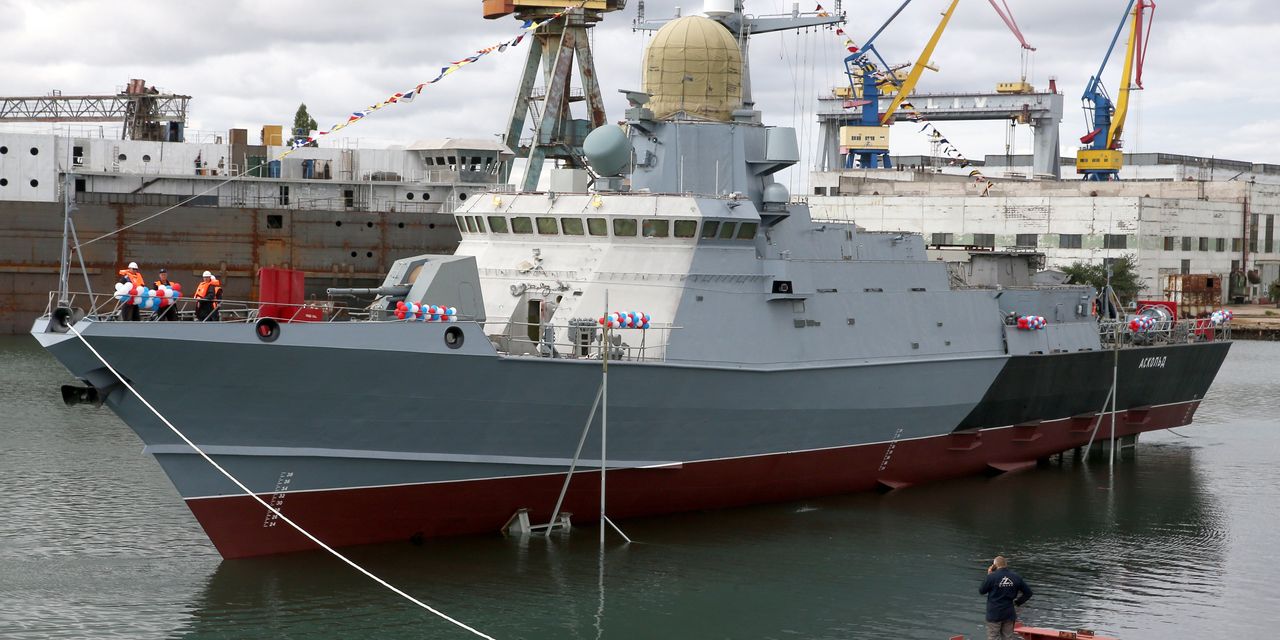
Ukraine's Air Force launched cruise missiles at a shipbuilding facility in Kerch, Crimea, damaging a Russian cruise missile carrier, according to Moscow. This incident highlights Ukraine's intensified attacks and their impact on the Russian Navy. Ukrainian military commanders describe the current situation as a stalemate.
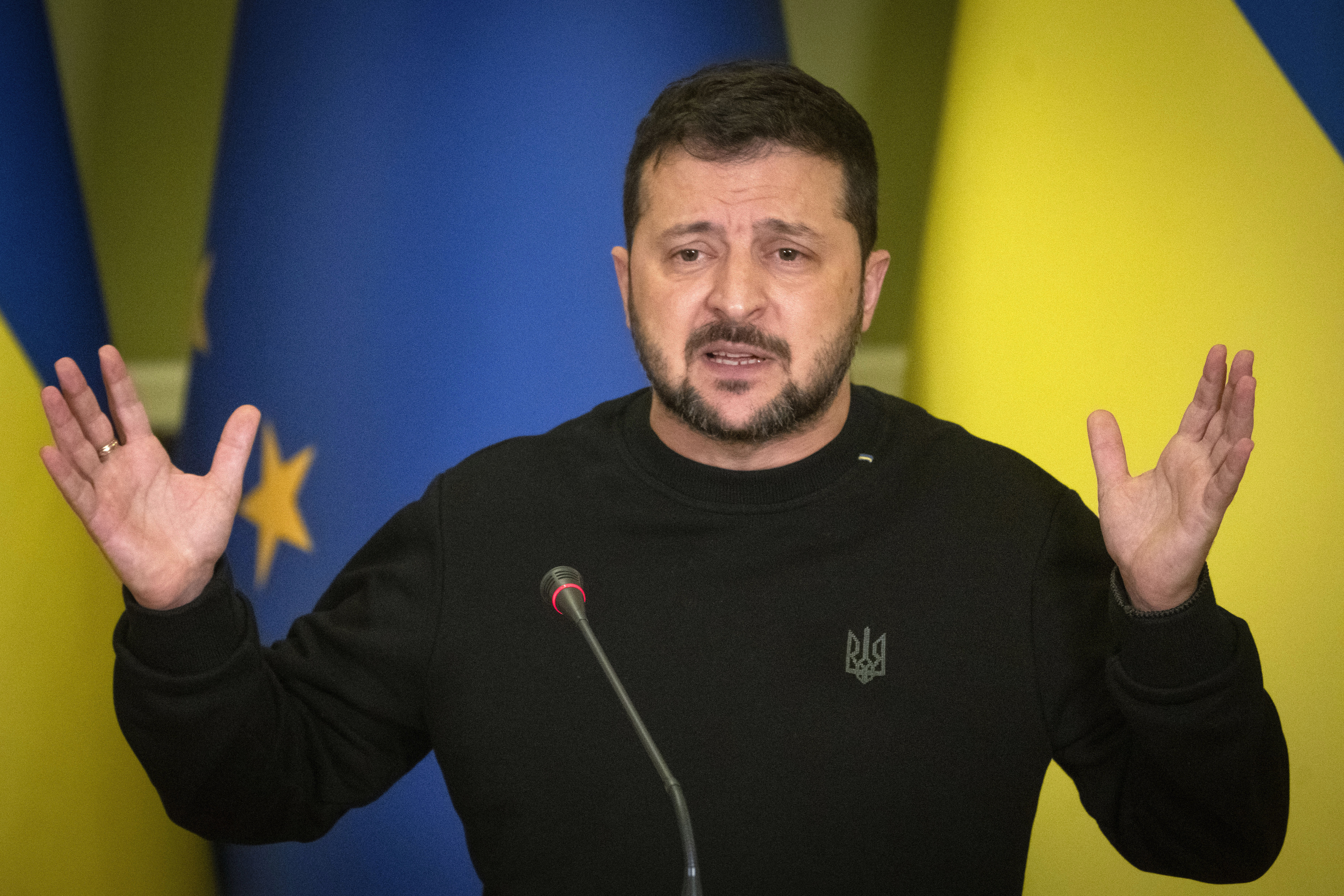
Ukrainian President Zelenskyy rejects the notion that the war with Russia has reached a stalemate, despite a top Ukrainian general stating otherwise. Zelenskyy emphasizes the need for proper weapons and military aid to continue the fight against Russia. The question of whether the war is at a stalemate arises as Congress debates sending more military aid to Ukraine, which is a priority for both Senate Majority Leader Schumer and Minority Leader McConnell. Zelenskyy concludes that Ukraine continues to fight for its freedom against Putin.
Ukrainian President Volodymr Zelenskyy stated that Ukraine is changing its military tactics to prevent a stalemate in the ongoing conflict with Russia. He emphasized that with continued military aid from the United States and other allies, Ukraine can still win the war. Zelenskyy highlighted the need for support in terms of air power, specifically drones and air defense systems. He expressed confidence that Ukraine's armed forces are developing new plans and operations to strike Russia unexpectedly and achieve battlefield success.