A wave of test notifications flooded Xbox mobile app users’ devices, apparently via Braze; Xbox apologized and said the issue is resolved, as the company faces leadership changes amid a broader shake-up.
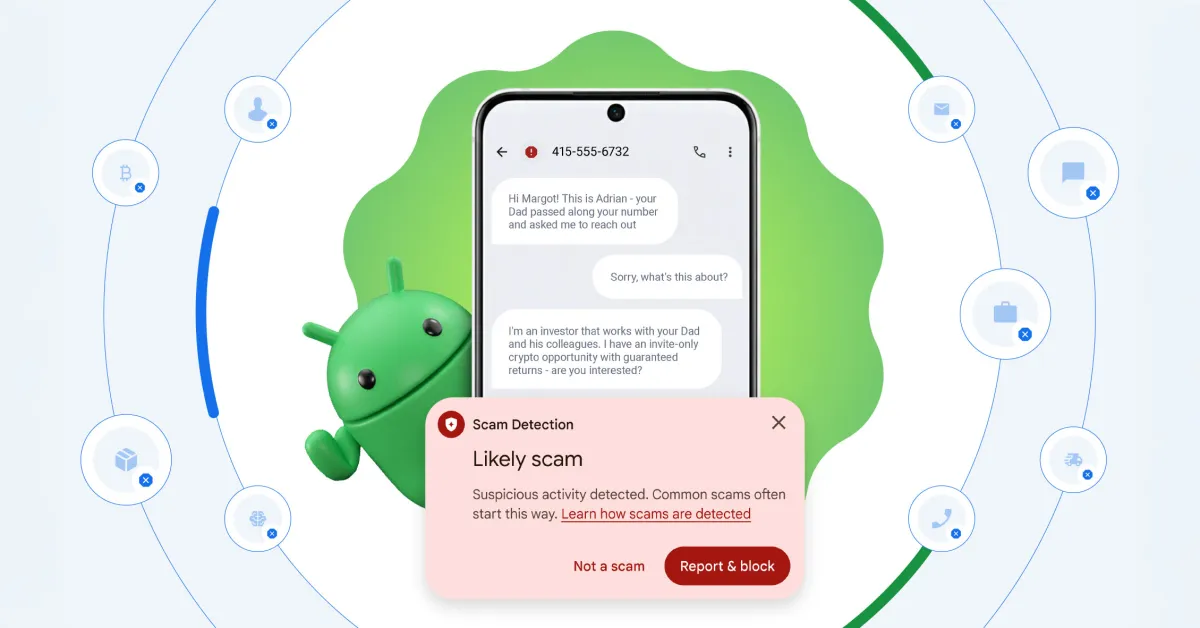
A Google and YouGov study reveals Android users are significantly better at avoiding scam and spam texts compared to iOS users, with Pixel users experiencing the least unwanted messages, thanks to Google's ongoing security measures and AI enhancements.
Microsoft has acknowledged that some Outlook.com users are encountering problems with their emails being blocked and marked as spam when sending to Gmail accounts. The issue affects users with Outlook.com country domains, and Google's mail server is sending notifications to affected users explaining that their messages have been stopped due to suspicions of being spam. Microsoft suggests impacted users add an Outlook.com alias to their accounts as a temporary fix. Google's new anti-spam guidelines are also mentioned, which include stricter measures for bulk senders to improve email deliverability and defend against spam, phishing, and malware.
Google's Gmail celebrates its 20th birthday with new rules aimed at reducing spam, targeting bulk senders who violate provisions by sending over 5,000 messages to Gmail addresses in a single day. The measures require authentication, one-click unsubscribe options, and adherence to new spam rate thresholds. While receiving positive feedback, the rules only apply to personal Gmail accounts, not those under Google's Workspaces business suite.
Google's new AI-generated search results feature, Search Generative Experience (SGE), is reportedly being plagued by spammy and malicious links, similar to the issues seen in regular search results. SEO expert Lily Ray discovered that spammers and scammers are manipulating long-tail, local results to boost themselves in ranking, and these same malicious links are now showing up in SGE results. While Google claims to be updating its spam-fighting systems to safeguard SGE, concerns remain about the safety and quality of the results being displayed to the public.
OpenAI's GPT Store, designed for custom chatbots powered by OpenAI's generative AI models, is reportedly inundated with spam and potentially copyright-infringing GPTs, raising concerns about the effectiveness of OpenAI's moderation efforts. The marketplace, intended for a wide range of tasks, has seen the emergence of GPTs claiming to generate art in the style of Disney and Marvel, act as funnels to third-party paid services, and advertise the ability to bypass AI content detection tools.
Google is updating its search algorithms in May to combat spammy and automated content, including AI-generated spam and low-quality third-party content. The changes aim to reduce unhelpful and unoriginal search results by 40 percent, targeting sites created primarily for search engines and content farms. The updates will also address the issue of reputable sites hosting low-quality third-party content and root out expired domains transformed into click mills. Site owners have been given a two-month notice to adapt before the changes take effect on May 5.
Google has announced a new core algorithm update for its search, aiming to reduce spam and low-quality results. The update will refine ranking systems to identify unhelpful webpages and combat mass-content generation via AI. Google will also take action against low-quality third-party content posted on high-quality sites for ranking purposes and the use of expired domains to boost content ranking. The impact on search referrals remains to be seen, but website owners should review their pages and links to ensure compliance with the new rules.
Google has announced a new core algorithm update for its search, aiming to reduce spam and low-quality results. The update will refine ranking systems to identify unhelpful webpages and combat mass-content generation via AI. Google will also take action against low-quality third-party content posted on high-quality sites for ranking purposes and the use of expired domains to boost content ranking. The update is expected to reduce low-quality, unoriginal content in search results by 40%, impacting SEO strategies and Google search referrals.
Google announced a search quality update to combat SEO-optimized junk pages and spam, aiming to improve search rankings and reduce low-quality and unoriginal content by 40%. The update will focus on downranking pages created for search engines instead of people, addressing abusive content creation at scale, site reputation abuse, and expired domain abuse. The changes aim to improve the usefulness of Google Search and will be enforced on May 5, giving site owners time to make adjustments.
Google is implementing changes to its search ranking systems to combat spam and prioritize high-quality content, including downranking content that exists solely to summarize other content and combatting manipulative tactics. The company is targeting spammy behaviors such as creating low-quality content at scale, site reputation abuse, and expired domain abuse. Google aims to reduce "unhelpful content" by up to 40 percent and is giving sites 60 days to address reputation abuse before making ranking changes. The company acknowledges the challenges posed by AI-generated content and the ongoing battle against manipulative tactics to ensure the prioritization of quality content in search results.
Google Messages is reportedly blocking RCS (Rich Communication Services) on rooted Android phones, preventing users from sending or receiving RCS messages without warning. The move is part of Google's efforts to combat spam and abuse on its messaging platform. Users have complained about issues with RCS on rooted devices, with some experiencing disappearing messages and a lack of fallback to SMS/MMS. Google is implementing Play Integrity API attestation checks specifically on the Google Messages app, and while tech-savvy users have found workarounds, the stricter measures have left many users frustrated.
Hormel Foods CEO Jim Snee believes the company is well-positioned as weight-loss drugs gain popularity, attributing this to its diverse "protein portfolio" which includes brands like Planters, Skippy, Justin's, and Spam. Following an earnings beat, shares of Hormel Foods surged 14.56% and closed as the top gainer in the S&P 500. Snee highlighted the appeal of the company's protein products to a wide consumer base, emphasizing affordability, indulgence, natural and organic options, as well as meat and "non-meat" protein. He also noted the success of the Planters brand and the popularity of Spam, with new flavored iterations in the pipeline.
Starting in April 2024, Google will begin rejecting a percentage of non-compliant mass email traffic to Gmail accounts, gradually increasing the rejection rate to enforce new email sender authentication guidelines. Bulk senders will have until June 1 to implement one-click unsubscribe in all commercial messages, and the changes will only impact bulk emails sent to personal Gmail accounts. Additionally, WhatsApp is introducing a feature to block spam messages directly from the lock screen, and Virgin Media O2 in the U.K. is partnering with Hiya to implement Adaptive AI caller identification and spam-blocking tools to protect customers from fraudulent calls.
Starting in April 2024, Google will begin rejecting a percentage of non-compliant mass email traffic to personal Gmail accounts unless senders adhere to new email sender guidelines, including authentication and avoiding unsolicited email. Bulk senders have until June 1 to implement one-click unsubscribe in all commercial messages. These changes aim to boost sender-side security, increase user control over inbox content, and reduce phishing risks. Additionally, WhatsApp is also enhancing spam protection by allowing users to block spam messages directly from the lock screen.