Apple is expanding its advertising in the App Store by adding more ad placements in search results, which will appear further down the page starting in 2026, aiming to increase opportunities for app promotion without requiring campaign changes.
Google is updating its search results to group sponsored results into a collapsible section at the top of the page, with an option to hide them after viewing, aiming to improve navigation but still requiring users to see ads first.
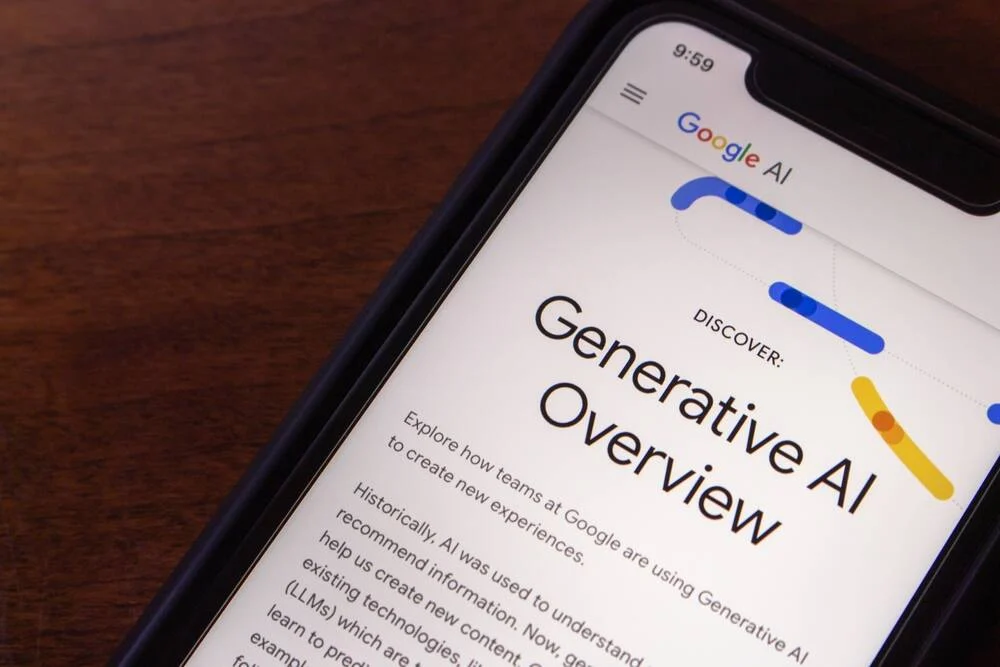
Google's executive defends the use of AI summaries in search results, emphasizing the goal of maintaining a healthy ecosystem that balances traditional links and AI-driven content, despite concerns about potential revenue impacts on publishers and ongoing lawsuits.
Google Maps is experiencing a technical glitch that has caused COVID vaccine location results to disappear or be inaccurately displayed, while other medical services remain visible. Google is working to fix the issue, but the cause and implications are unclear, raising concerns about the visibility of vaccination sites.
Google Maps is developing a new feature that allows users to create and share a list of the first ten search results from any query, simplifying group planning and decision-making. This feature, found in an APK teardown, will enable users to easily share curated lists with customizable names, descriptions, and icons, although it is not yet live. It aims to improve collaborative discovery and decision processes, especially for activities like choosing restaurants.
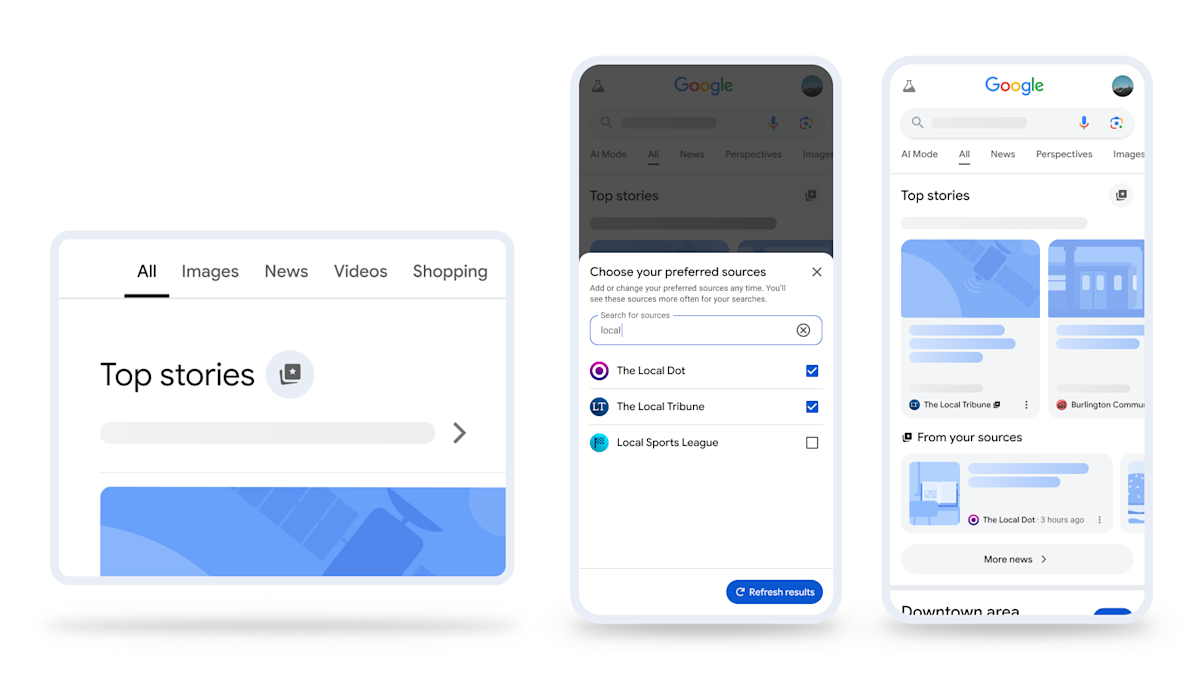
Google now allows users in the US and India to prioritize specific news sources like The Register in their search results by setting preferred sources through a simple interface, giving users more control over which publishers appear in the Top Stories box.
Google is rolling out a new feature called Preferred Sources, allowing users to prioritize specific websites or news outlets in search results, making it easier to see content from their favorite sources. The feature is now available in the US and India for English users, enabling personalized search experiences.
Google introduces a new feature called 'Preferred Sources' in the US and India, allowing users to select their favorite news sites and blogs to be prioritized in search results, enhancing personalized news consumption but potentially creating ideological bubbles.
OpenAI removed a controversial feature that allowed ChatGPT users to make their chats discoverable in search engines, after it was revealed that thousands of private conversations, some containing sensitive information, were indexed by Google, raising privacy concerns.
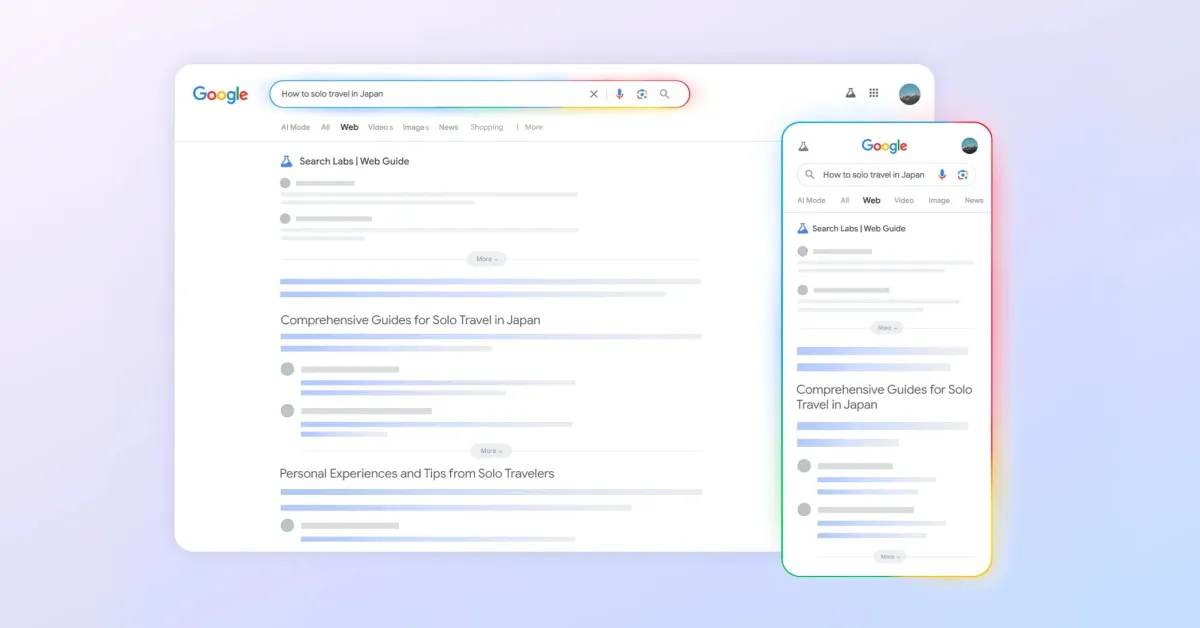
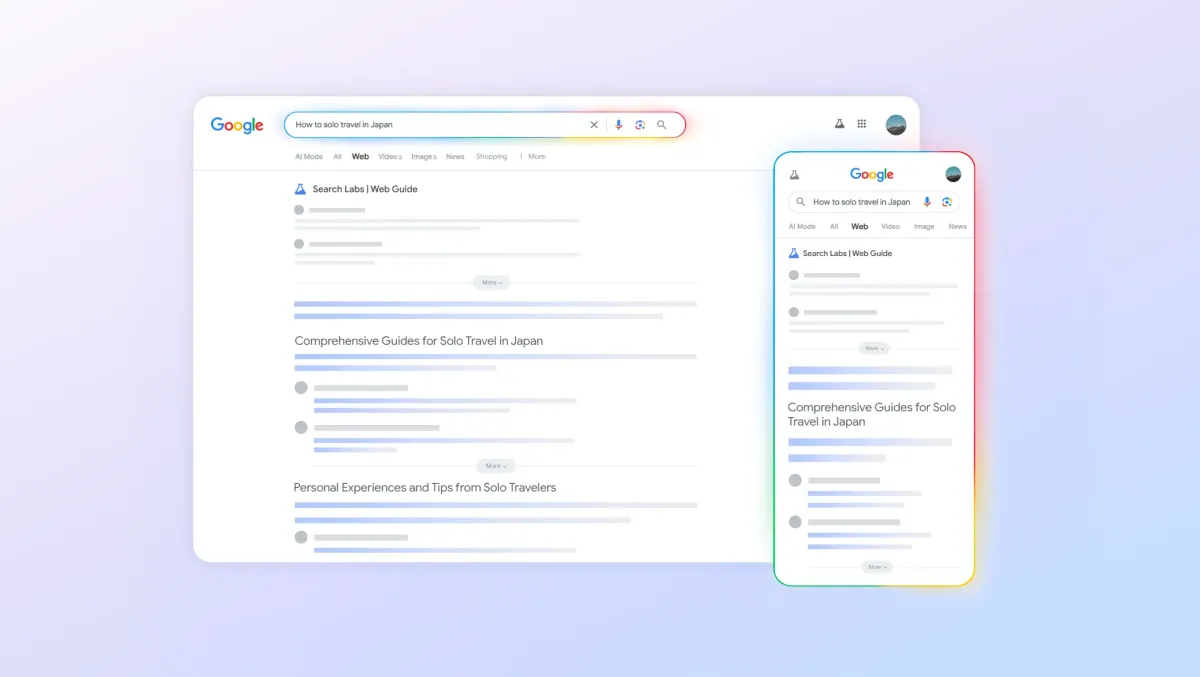
Google is developing 'Web Guide,' an AI-powered feature in Search Labs that organizes search results into categories with summaries and headers to help users find information more easily and discover new pages, using a custom Gemini model and query expansion techniques.
Google is testing a new AI-powered feature called Web Guide within Search Labs that organizes search results by grouping related pages, especially useful for complex or open-ended queries. Powered by Gemini, it aims to improve search relevance by providing categorized sections, and users can opt in or out of the experiment, which will eventually expand to other search areas.
A study from Pew Research Center indicates that AI Overviews in Google Search lead to fewer clicked links and reduced further searches, raising concerns about their impact on web traffic and publishers. Google disputes the findings, claiming their data shows no significant decline in outbound clicks, and highlights that users find AI features helpful. The debate continues over how AI integration affects user engagement and web traffic.
A Pew Research Center study shows that Google's AI Overviews in search results reduce user clicks on traditional links and increase the likelihood of ending browsing sessions, raising concerns about the impact on website traffic and revenue, despite Google's dispute of the findings.
Lifehacker reports that users can utilize DuckDuckGo to filter out AI-generated images from their search results, enhancing privacy and search relevance.
A study analyzing 10,000 keywords found that Google's AI Mode produces highly inconsistent results, with only 9.2% URL overlap across repeated searches and minimal overlap with organic search results, highlighting the volatility and potential opportunities for content visibility in AI-driven search environments.