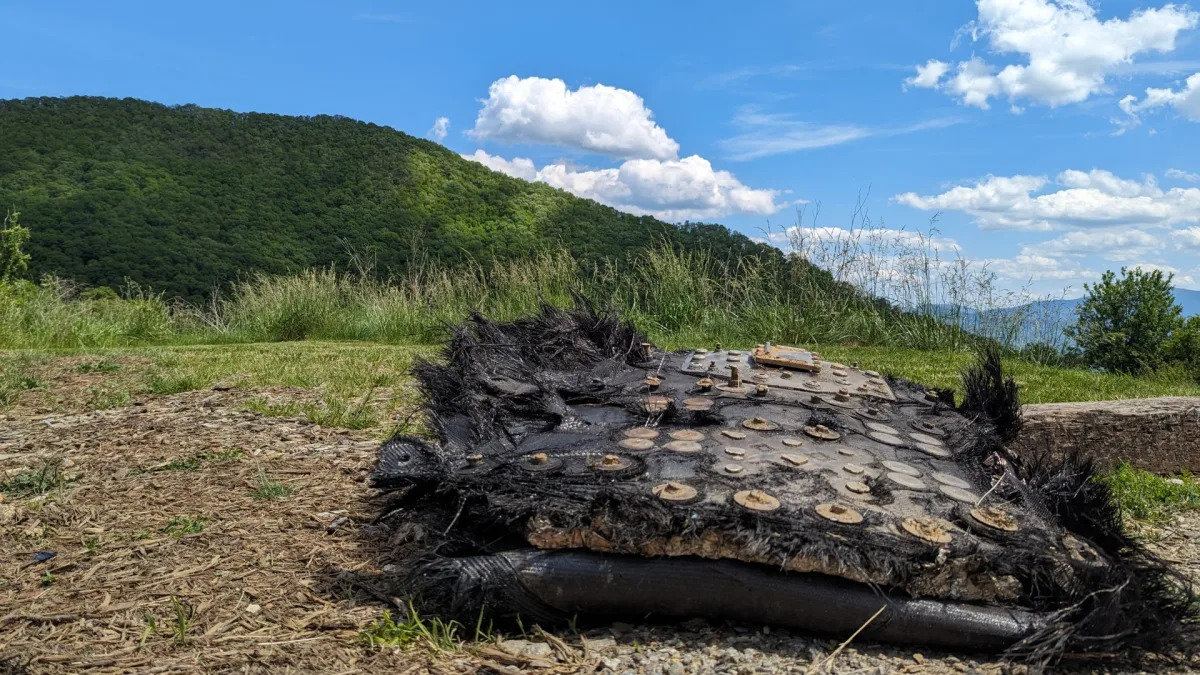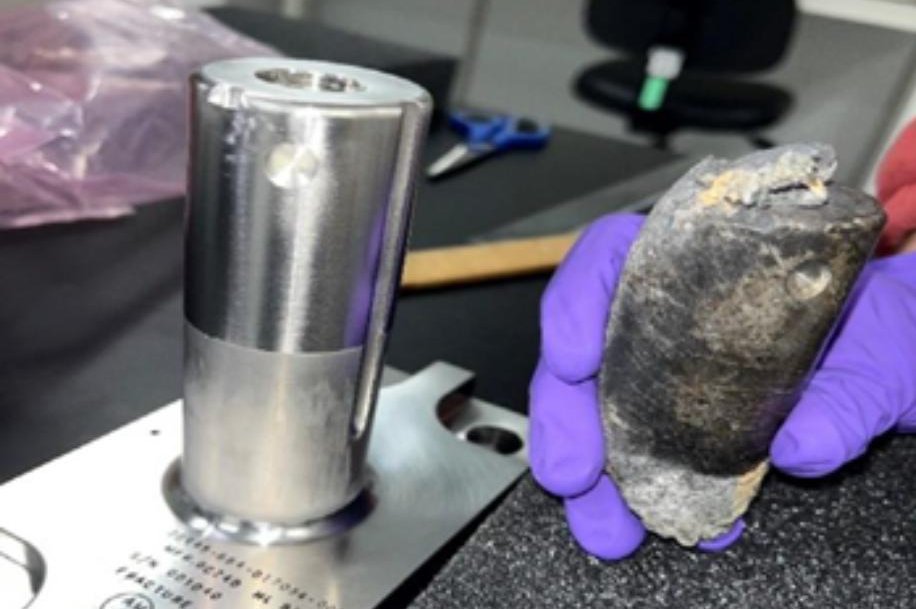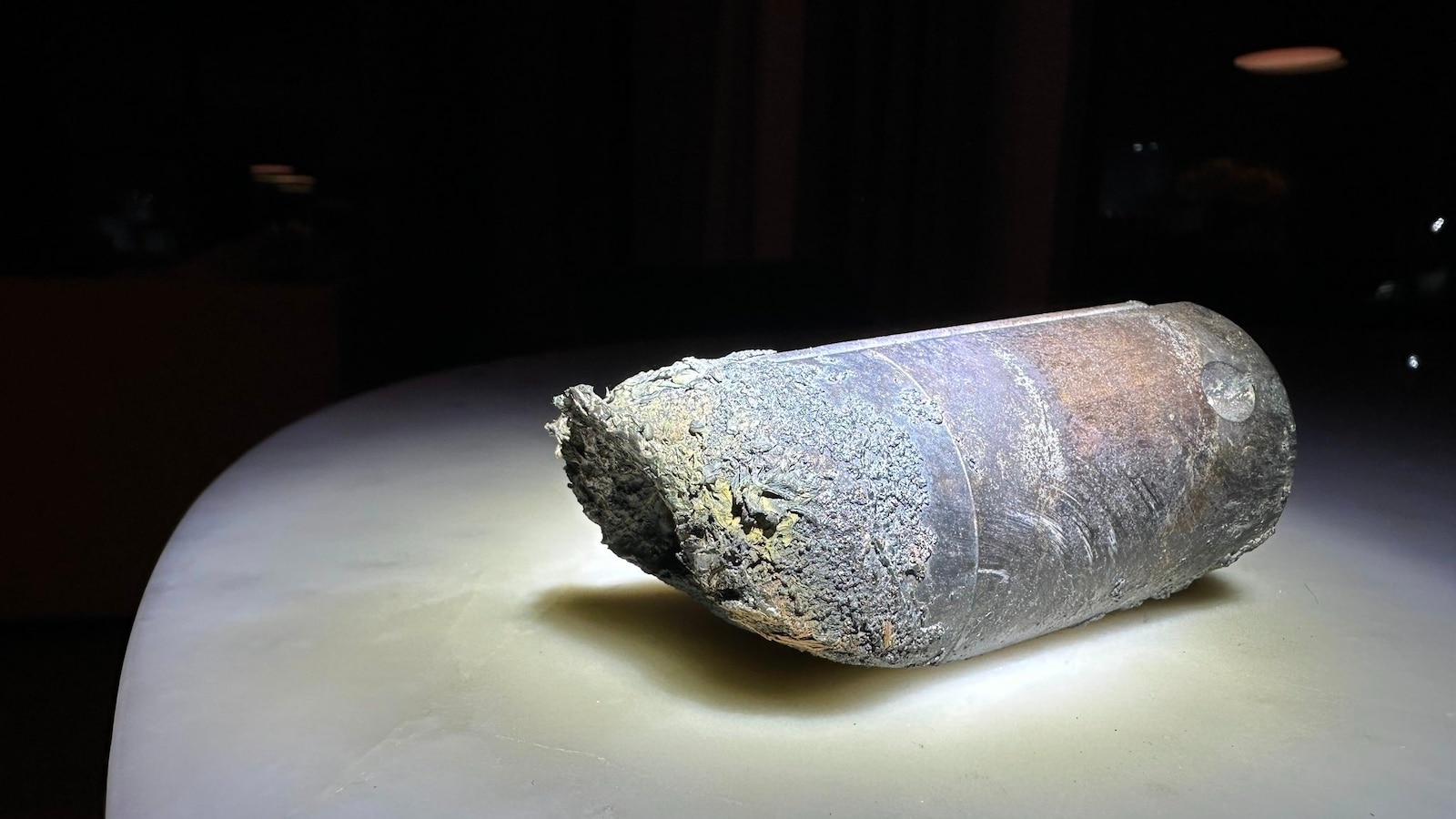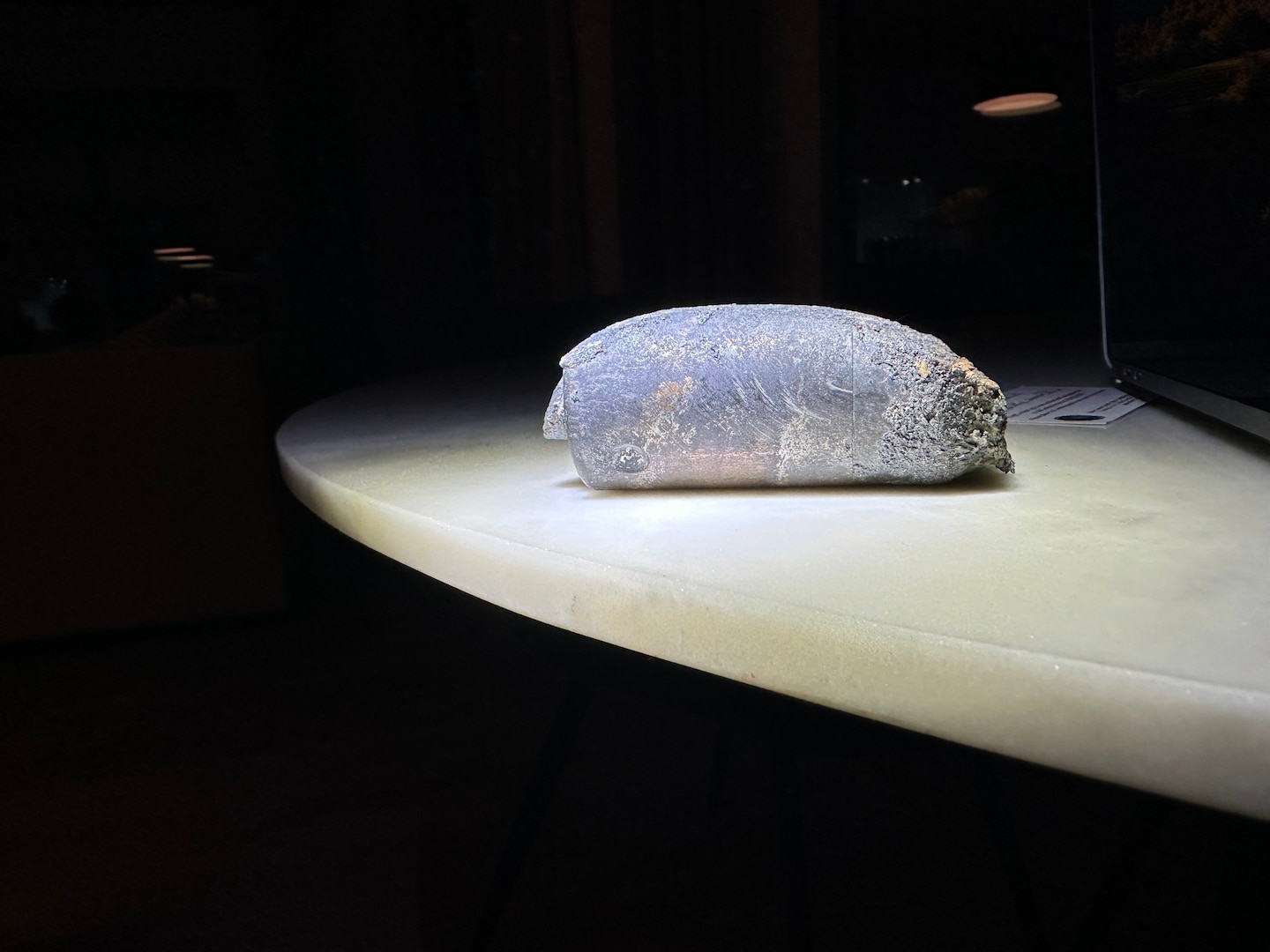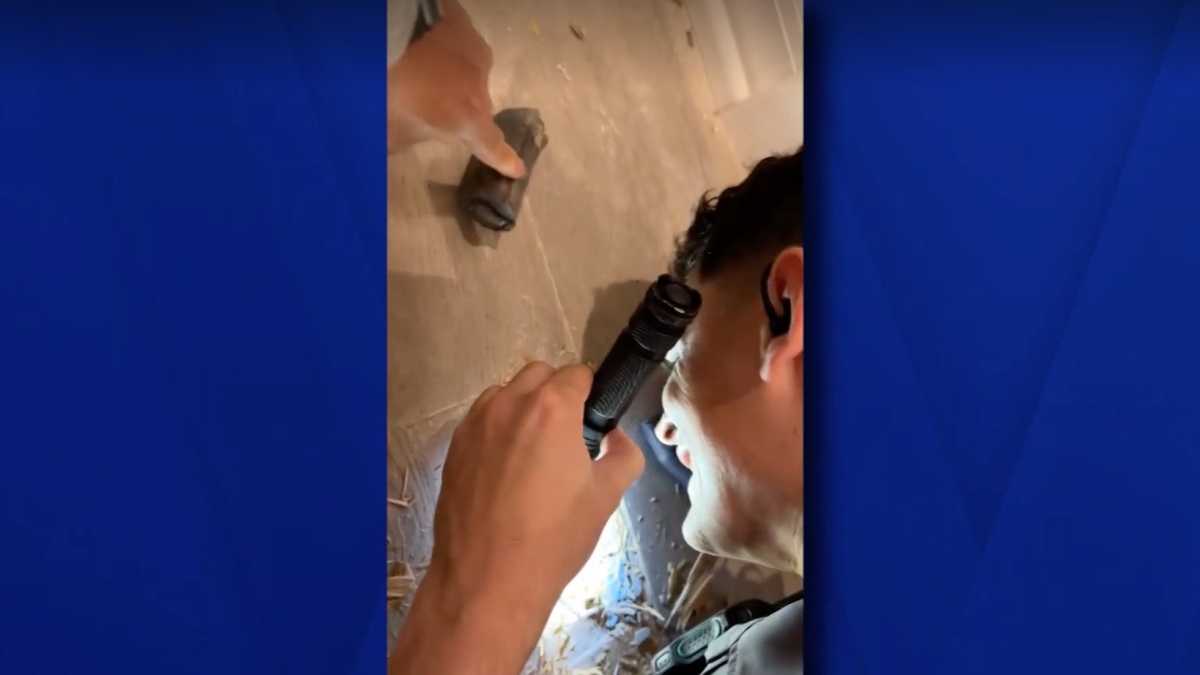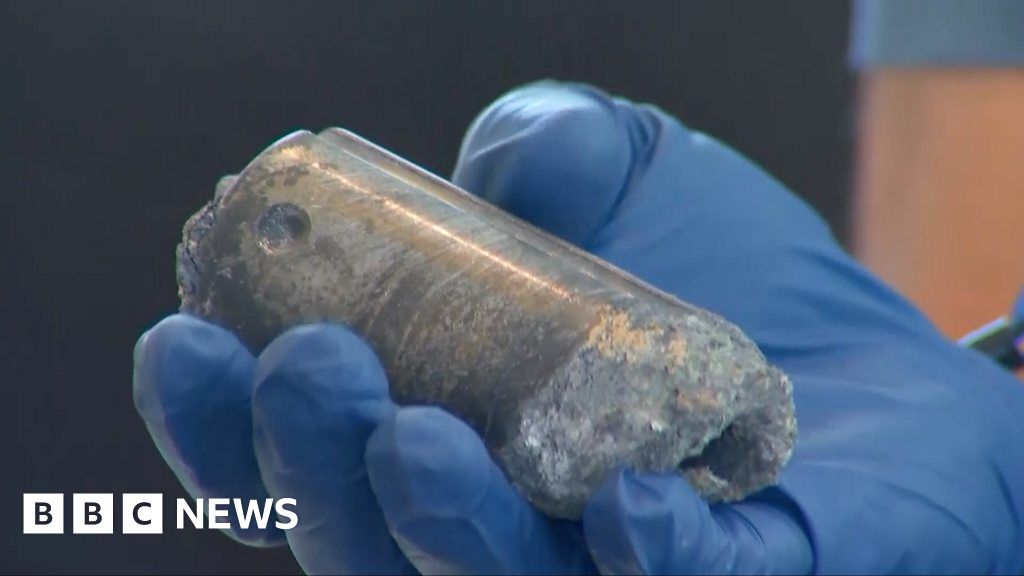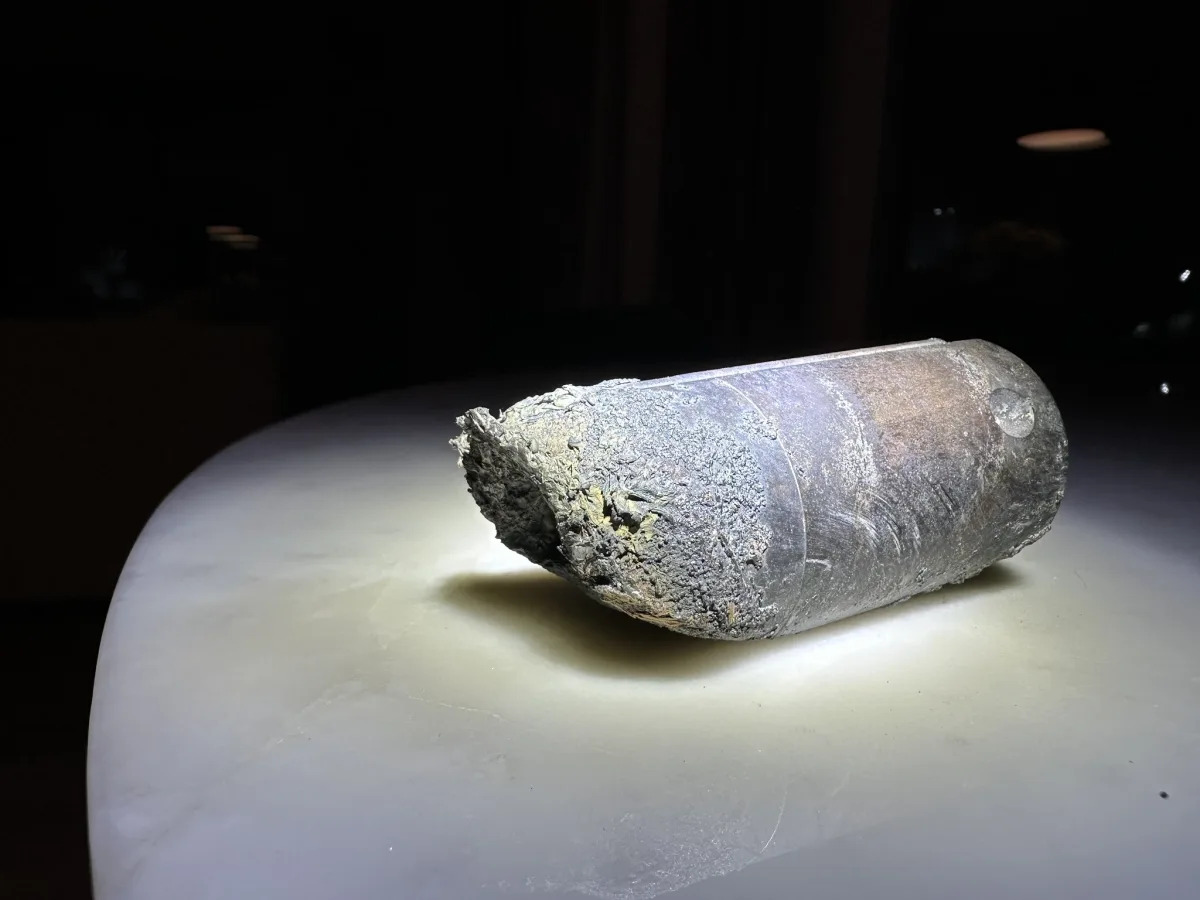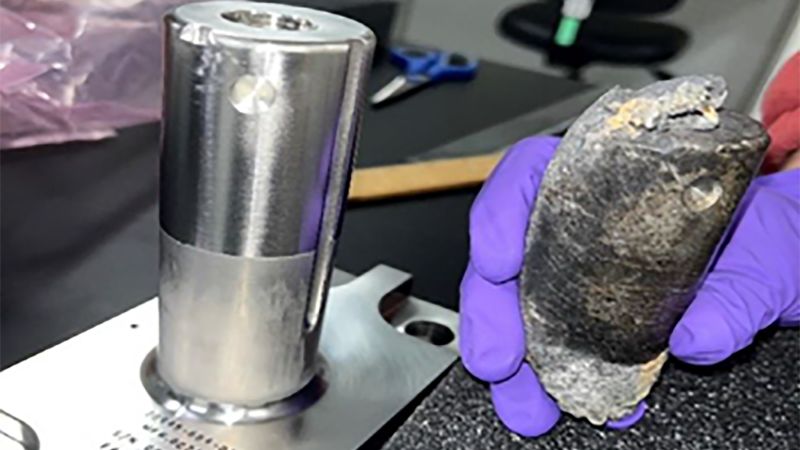
A piece of space debris from SpaceX's Crew-7 Dragon capsule was discovered near Canton, North Carolina, by a groundskeeper at a luxury camping site. The debris, likely from the spacecraft's "trunk" section, was identified by astrophysicist Jonathan McDowell. This incident highlights the occasional survival of large spacecraft components after reentry. Despite the rarity of such events, the Glamping Collective plans to display the debris as a unique find.
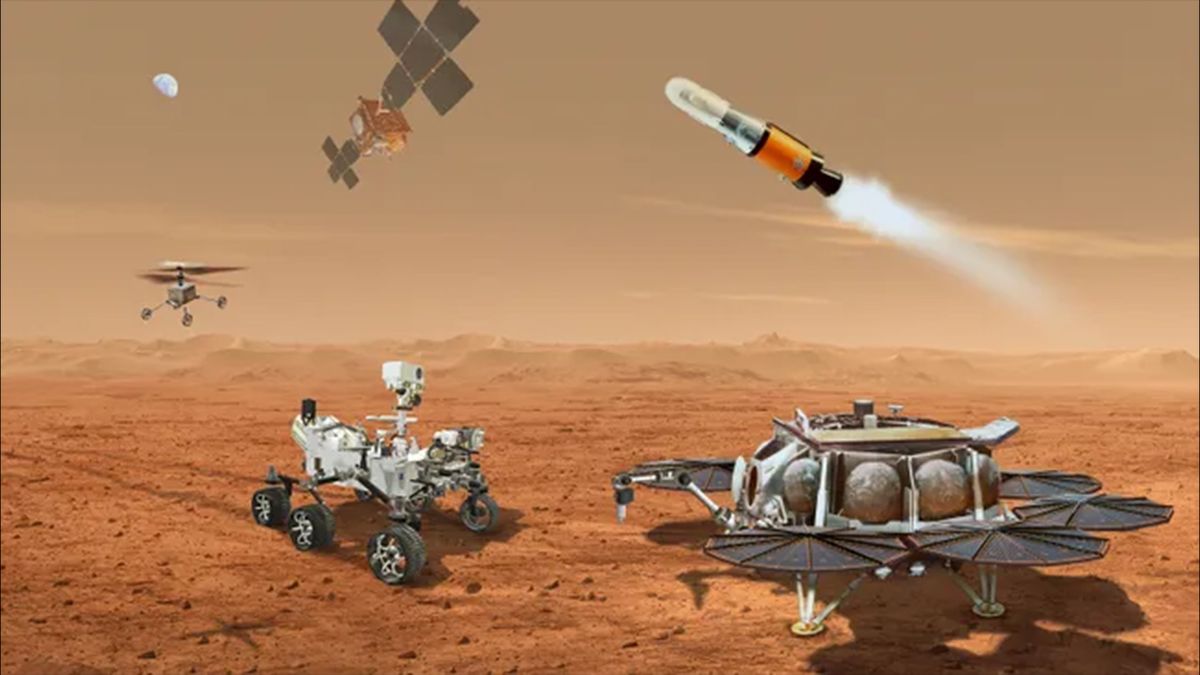
NASA is responding to the Mars Sample Return Independent Review Board's report and outlining the next steps for the program. The Bipartisan Commission on Biodefense, led by former Democratic Congresswoman Donna Shalala and former Republican Congresswoman Susan Brooks, is calling for measures to defend Earth from potential space bugs that could be brought back from Mars or exist in space. They emphasize the need for coordination, collaboration, and investment in research and technology to prevent the contamination of extraterrestrial environments and protect Earth's inhabitants from potential space-related biological threats.
NASA has confirmed that the object that fell into a Florida home last month was part of a battery pack released from the International Space Station, sparking legal discussions about who should pay for the damages. The cylindrical piece of metal tore through the homeowner's roof, but luckily, no one was hurt. The homeowner, Alejandro Otero, had suspected the object came from space even before NASA's confirmation. NASA retrieved the object and confirmed its origin, and now legal codes and intergovernmental agreements are being navigated to address the situation.
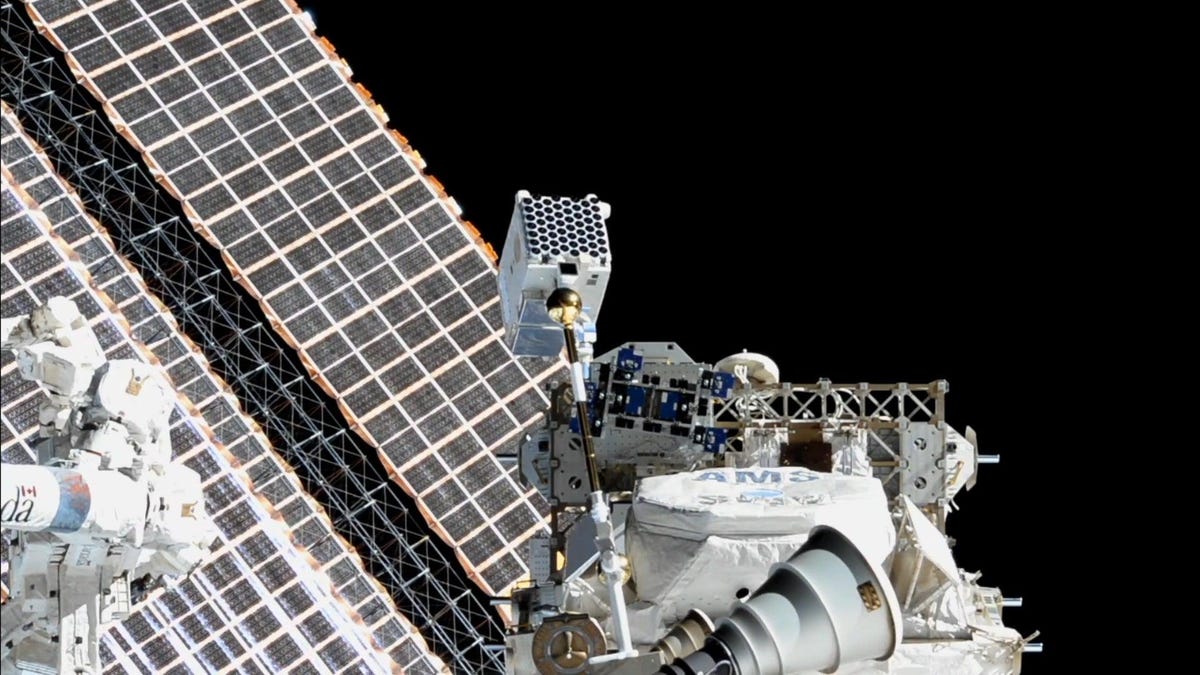
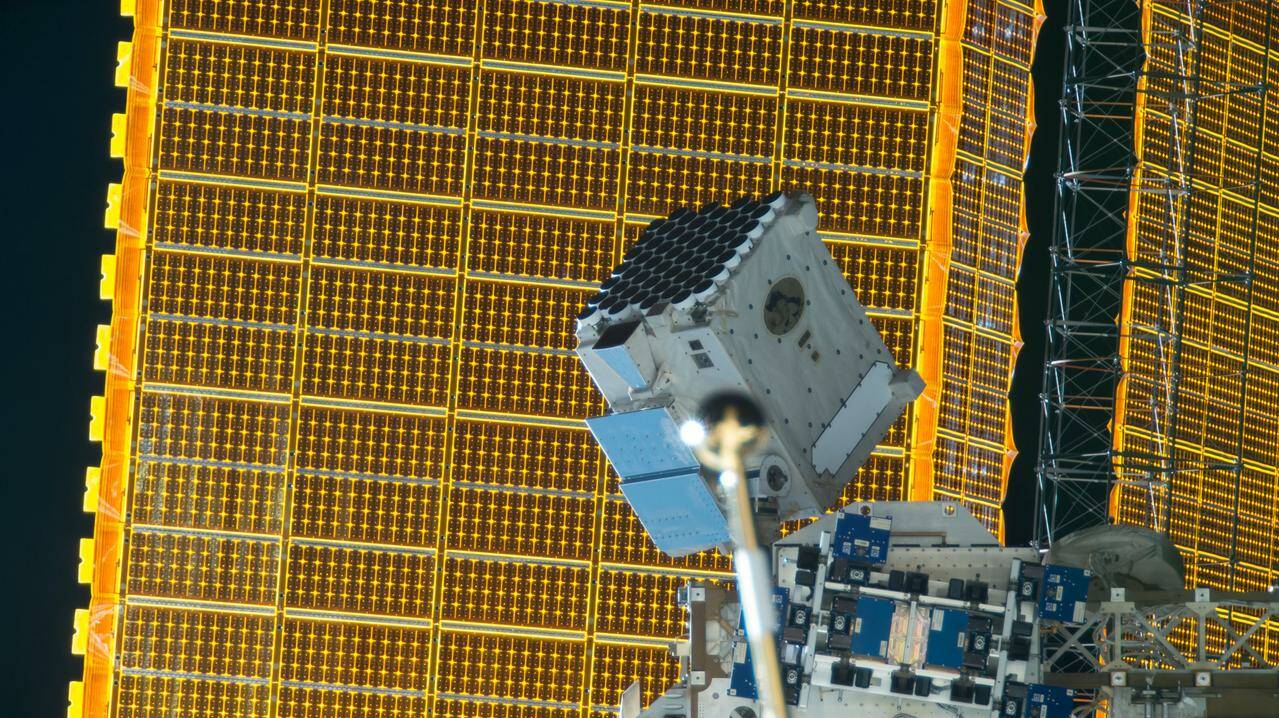
NASA is planning a rare spacewalk to repair a telescope mounted on the International Space Station that has been affected by unwanted sunlight leaking into its sensitive detectors. The repair involves installing patches to block out the sunlight, and the astronauts will carry out the repair during an upcoming mission. This challenging repair task is necessary to ensure the telescope's normal operations and measurements are not affected by the light leak.
NASA plans to send astronauts to repair the Neutron star Interior Composition Explorer (NICER) telescope on the International Space Station (ISS) due to a "light leak" issue affecting its X-ray measurements. The telescope, launched in 2017, was not designed for servicing, presenting a challenge for the repair. This will be the fourth science observatory that NASA has risked astronauts to repair, highlighting the risks and rewards of having astronauts fix equipment not originally intended for servicing in space.
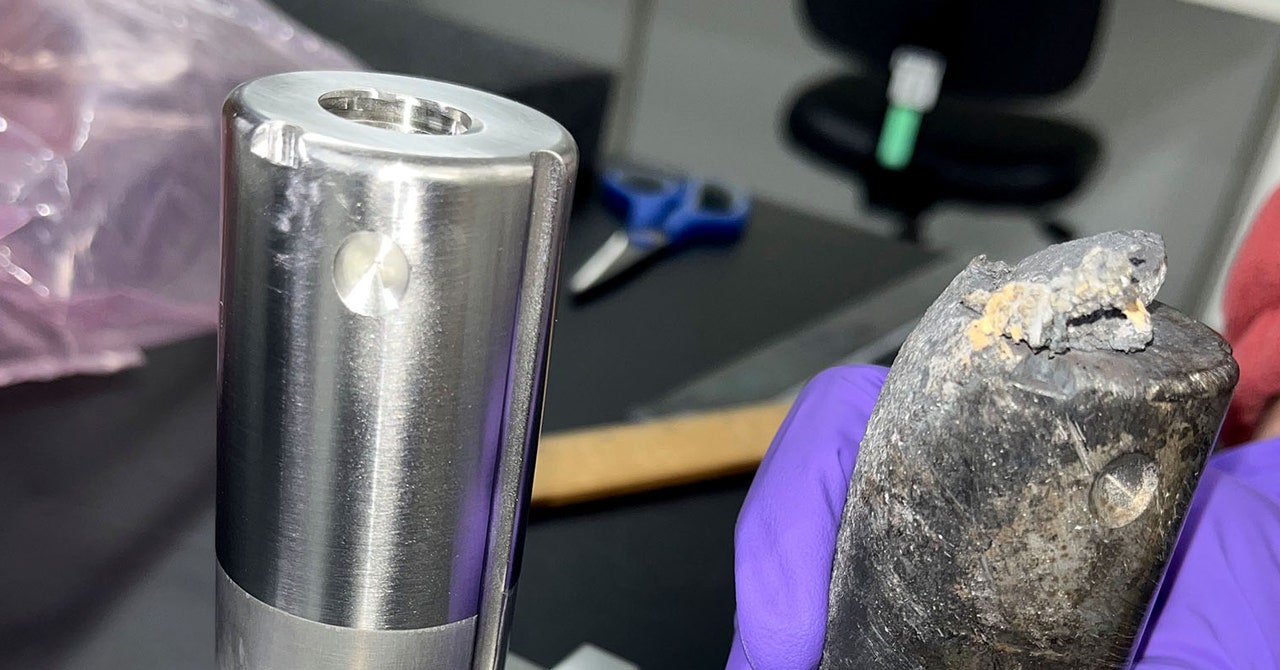
NASA confirmed that the object that crashed through a Florida home's roof in March was debris from the International Space Station, specifically a piece of a cargo pallet of depleted batteries jettisoned in 2021. The 1.6-pound debris, identified as a stanchion from NASA flight support equipment, survived re-entry and impacted the home. NASA will investigate the cause of the debris survival and update modeling and analysis as needed.
Nasa has confirmed that a heavy metal chunk that crashed into a Florida home was space junk from a cargo pallet released from the international space station in 2021. The debris, weighing 1.6lb and measuring about 4in by 1.6in, was supposed to be destroyed in Earth's atmosphere but instead crashed through a Florida home. Nasa will investigate how the debris survived re-entry and "update modeling and analysis," but it's unclear if they will cover the cost of damages to the homeowner's property.
NASA confirmed that a space object that crashed through a home in Naples, Florida was a stanchion from a cargo pallet containing aging nickel hydride batteries from the International Space Station. The object, made of the metal alloy Inconel, survived re-entry through Earth’s atmosphere and impacted the home, causing significant damage. NASA is analyzing the object to determine its origin and remains committed to responsibly operating in low Earth orbit.
NASA confirmed that the metal object that crashed through a Florida home was part of a pallet of space station junk released into space in 2021. The debris, which was expected to burn up upon reentry, instead survived and struck the home, sparking curiosity and prompting NASA to investigate. The homeowner, Alejandro Otero, is in contact with his insurance company about repairs, and it remains unclear whether NASA will cover the costs. The incident has raised questions about liability for space debris damage and highlighted the need to address the potential risks posed by space debris as human activity in space continues to increase.
A mysterious object suspected to be space debris crashed into a Florida family's home, leaving them in shock. The homeowner believes it could be either space junk or a meteorite, with NASA later confirming it was debris from the International Space Station. The debris, a stanchion from flight support equipment, weighed 1.6 pounds and caused damage to the home, but fortunately, no one was hurt.
A piece of space debris from the International Space Station narrowly missed hitting a boy after crashing through a home in Naples, Florida, three years after being discarded into space.
NASA confirmed that a piece of space debris that pierced a Florida man's roof was a stanchion from equipment used to mount batteries onto the International Space Station's cargo pallet, which was jettisoned three years ago. The 1.6 lb, 4-inch tall object missed the homeowner's son and caused significant damage. NASA will investigate why the debris did not disintegrate as expected during atmospheric re-entry, highlighting the safety risks posed by space junk to people and property on Earth.
NASA expected a piece of garbage from the International Space Station to disintegrate upon reentry into Earth's atmosphere, but a small piece survived and crashed into a Florida home. The impact has prompted NASA to investigate the cause of the debris survival and reevaluate its space debris disposal methods. While most space junk burns up upon reentry, this incident highlights the need for more conservative analysis and better disposal methods to prevent similar occurrences in the future.
NASA's original plan to return Mars samples to Earth has been deemed too expensive and time-consuming, with a projected return date of 2040 and a cost of $11 billion. As a result, NASA is seeking new, cost-effective ways to retrieve the samples sooner, potentially involving private industry collaboration. The agency is exploring innovative ideas to cut costs and accelerate the timeline, while emphasizing that Mars sample return remains a high priority despite the challenges.
NASA has confirmed that a piece of space debris that crashed through a Florida family's roof last month came from the International Space Station (ISS). The debris, a section of a cargo pallet containing spent nickel hydride batteries, was expected to burn up during re-entry but survived, causing damage to the home. NASA has emphasized its commitment to reducing the risk of falling space debris and will conduct a detailed analysis to understand how their predictions fell short.