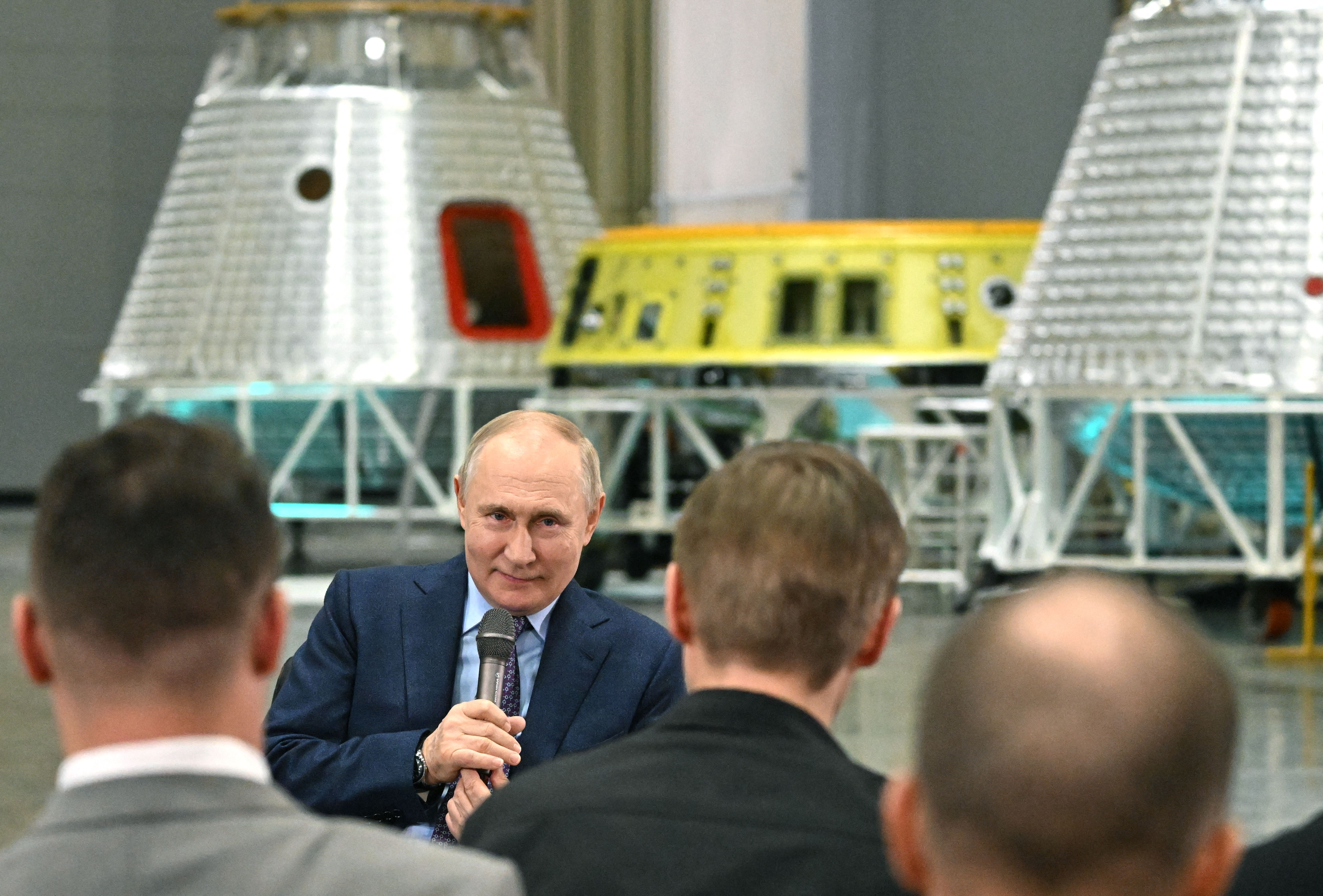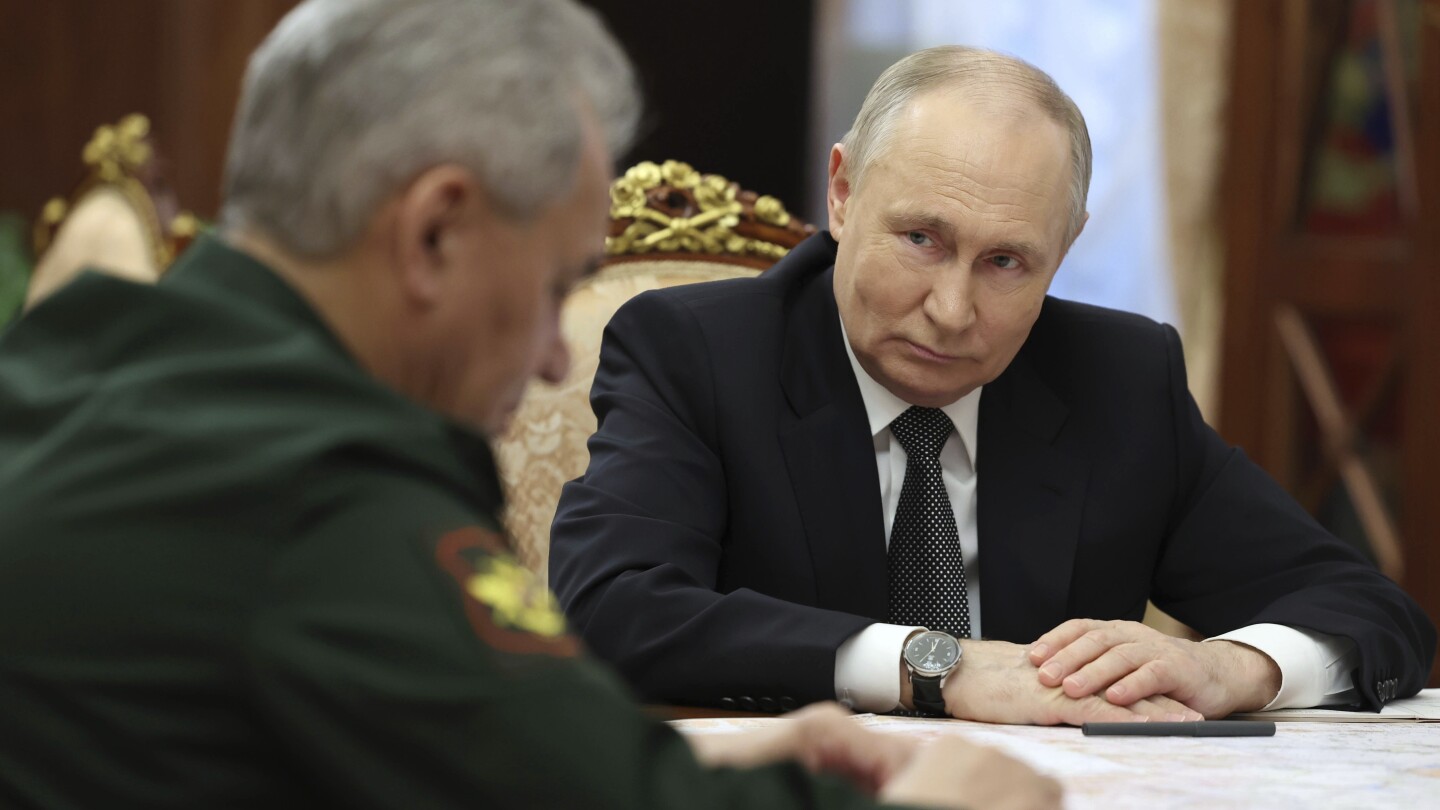
Russian President Vladimir Putin denies U.S. claims of Russia developing anti-satellite weapons and insists that Russia has no intention of deploying nuclear weapons in space, emphasizing that the country's space capabilities are similar to those of the U.S. The White House has expressed concerns about Russia's alleged anti-satellite weapon capability, which would violate the international Outer Space Treaty, and has indicated a desire to engage directly with Russia on the issue. Putin accuses the U.S. of seeking Russia's defeat in Ukraine while simultaneously calling for dialogue on strategic stability, making future contacts between the two countries unlikely.
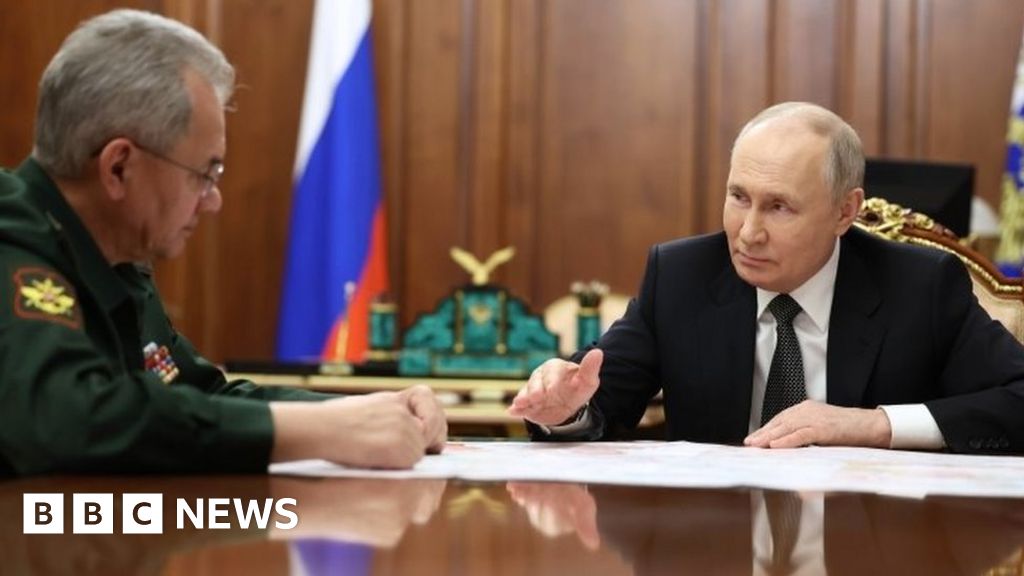
Russian President Vladimir Putin denies plans to deploy nuclear weapons in space, stating that Moscow is "categorically against" such deployment. This comes after US officials raised concerns about Russia developing a space-based anti-satellite weapon armed with a nuclear warhead. The US administration is engaging in direct diplomatic efforts with Russia over the issue, while Putin calls for international agreements on space weaponry to be upheld. Despite Russia's denial, experts warn of the potential for space to become the next frontier of warfare, with concerns about the safety of satellites in the current geopolitical climate.
Russian President Vladimir Putin stated that Russia has no plans to deploy nuclear weapons in space, asserting that the country's space capabilities are similar to those of the U.S. This comes after the White House confirmed Russia's possession of a concerning anti-satellite weapon capability, which is not yet operational. The White House expressed concerns about the weapon's compliance with the international Outer Space Treaty, which prohibits the deployment of nuclear weapons in space. Putin emphasized Russia's opposition to such deployment and criticized the U.S. for seeking Russia's defeat in Ukraine while also expressing a desire for dialogue on strategic stability.
House Intelligence Committee Chairman Mike Turner defended his cryptic statement about a "serious national security threat" last week, which led to reports about Russia's alleged plan to put nuclear weapons in space. Turner expressed concerns about the Biden administration potentially overlooking the threat and emphasized the need to avert an international crisis. The alleged Russian anti-satellite capability involves a nuclear device that could disrupt space satellites, but the White House stated it has not been deployed. Turner also highlighted the urgency of providing additional aid to Ukraine amid Russia's advances and emphasized the importance of the US responding to Moscow's actions in Ukraine.
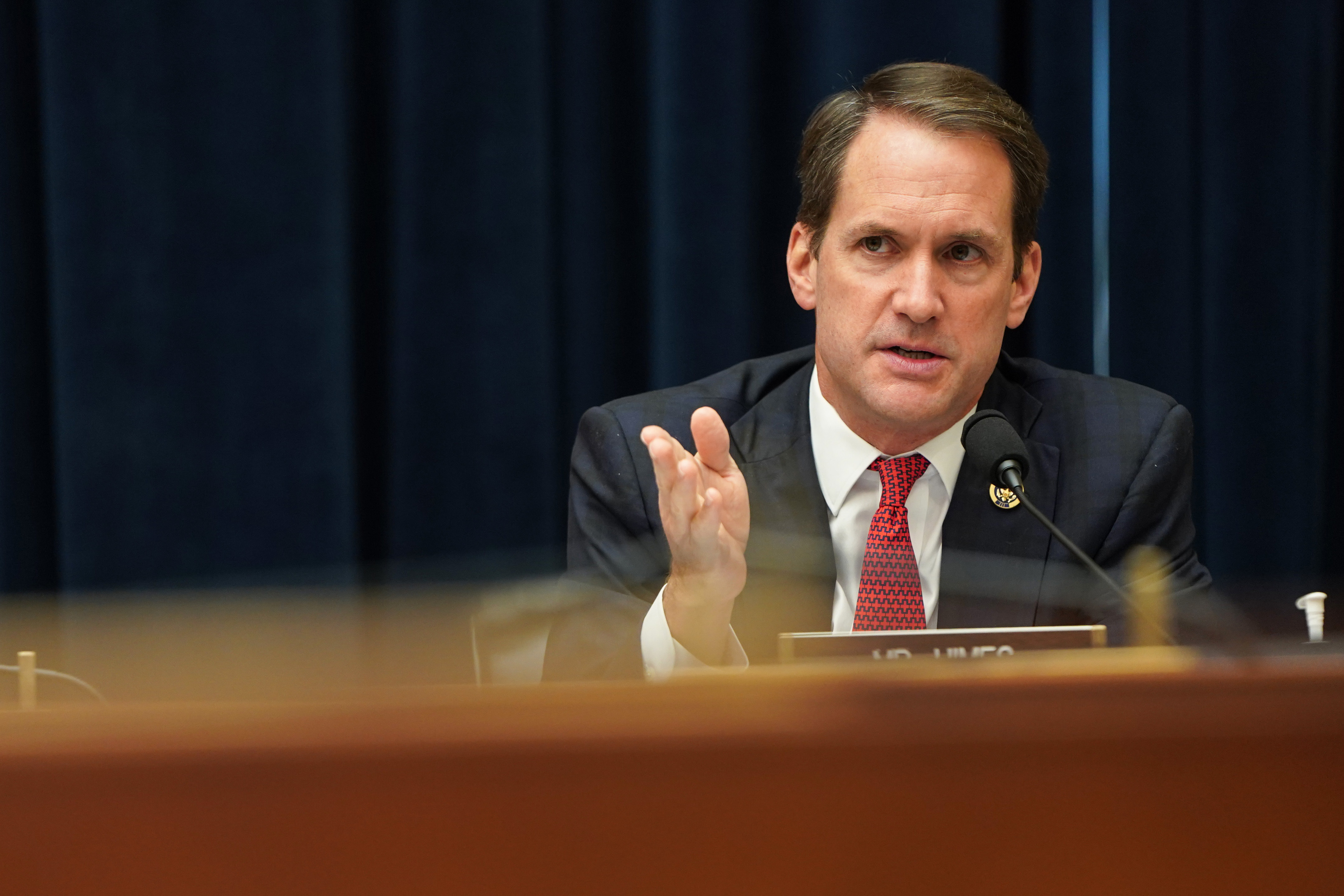
The Intelligence Committee faced a chaotic day as news of a Russian anti-satellite nuclear weapon leaked, coinciding with the Section 702 reauthorization debate. Chairman Turner's cryptic threat statement sparked confusion and controversy, leading to a clash with Himes. The discussion also delved into Russia's space militarization, potential responses, and the complexities of Section 702, including concerns about probable cause warrants and the Fourth Amendment.
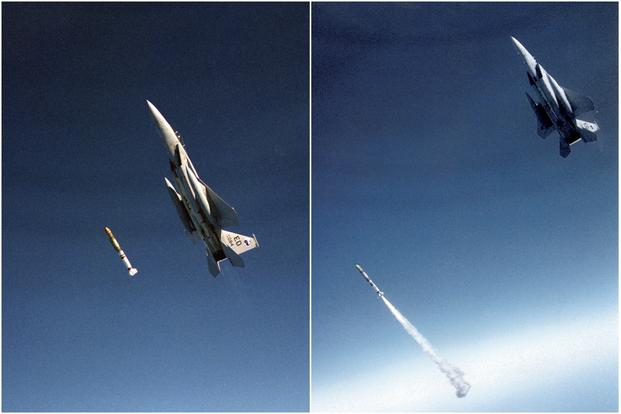
The US faces a new threat from Russia with an emerging anti-satellite weapon that could disrupt military and civilian operations in outer space, potentially causing major economic damage. The US military has a decades-old countermeasure in place, involving sending a fighter jet to destroy the threatening satellite, a tactic successfully demonstrated in 1985 by Maj. Gen. Wilbert "Doug" Pearson Jr. using the ASM-135 missile. Despite the success, the program was discontinued due to funding cuts, and no one else has matched Pearson's achievement as a "space ace" since then.
Russia is working on developing a nuclear anti-satellite weapon, but it is not yet ready to deploy it in space, according to US intelligence sources. While the Biden administration and lawmakers have expressed concerns, there is currently no immediate threat. The weapon could potentially disrupt global communications and US military operations by destroying satellites, but it would not have the capability to launch attacks on Earth. Russia's pursuit of this capability raises questions about its space program and its willingness to abandon international treaties, posing a concerning threat to US assets in space.
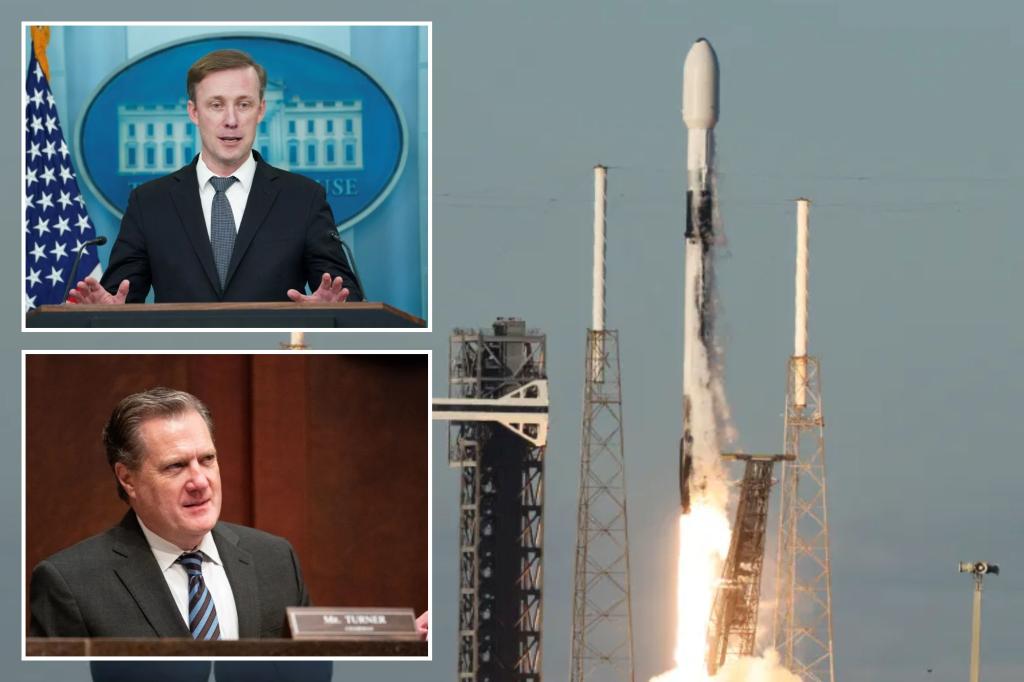
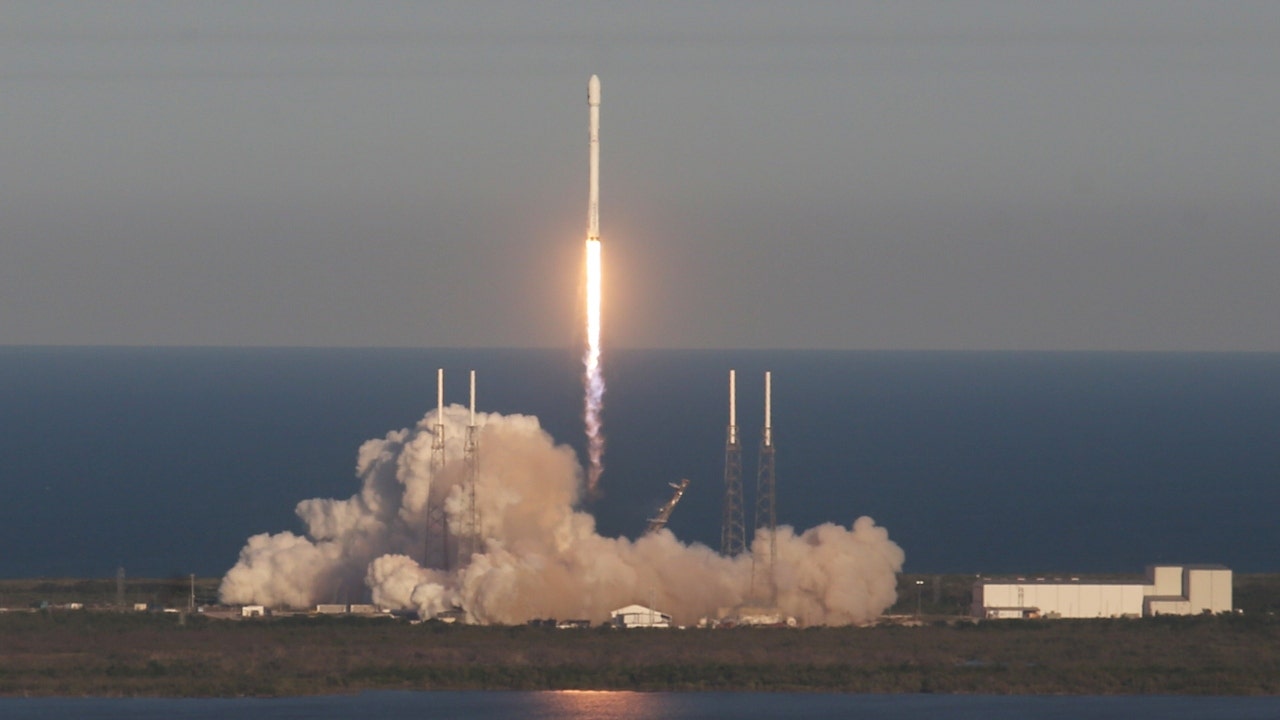
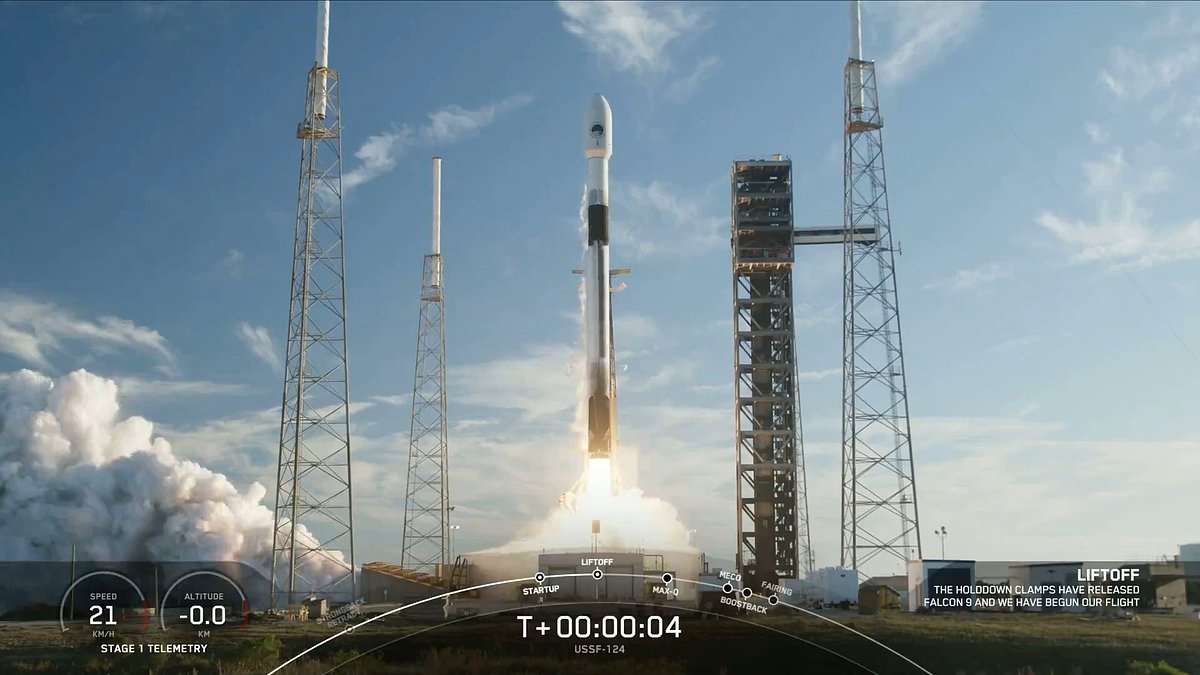
The US launched six satellites, including advanced missile tracking technology, a day after alarming intel revealed Russia's interest in deploying nuclear weapons in space to target Western satellites. The launch, conducted by SpaceX's Falcon 9 rocket in coordination with the Space Development Agency and the Missile Defense Agency, aims to bolster the US's ability to track advanced weapons, including hypersonic ones. Amid heightened concerns about Russia's growing nuclear capabilities, the House Intelligence Committee Chairman's cryptic threat against US national security and Russia's rumored space technology have raised alarm.
Recent intelligence suggests Russia may be considering deploying a nuclear weapon in space, raising concerns about potential violations of the Outer Space Treaty and the ramifications of an orbital detonation. This development, along with Russia's suspension of the New START treaty and previous satellite destruction, has prompted worries about the security of satellites and the generation of space debris. Experts also highlight the potential for systemic threats, including cyberattacks and digital vulnerabilities. The White House and lawmakers have sought to address these concerns, emphasizing the need for careful handling of classified information and assurance of steady leadership.
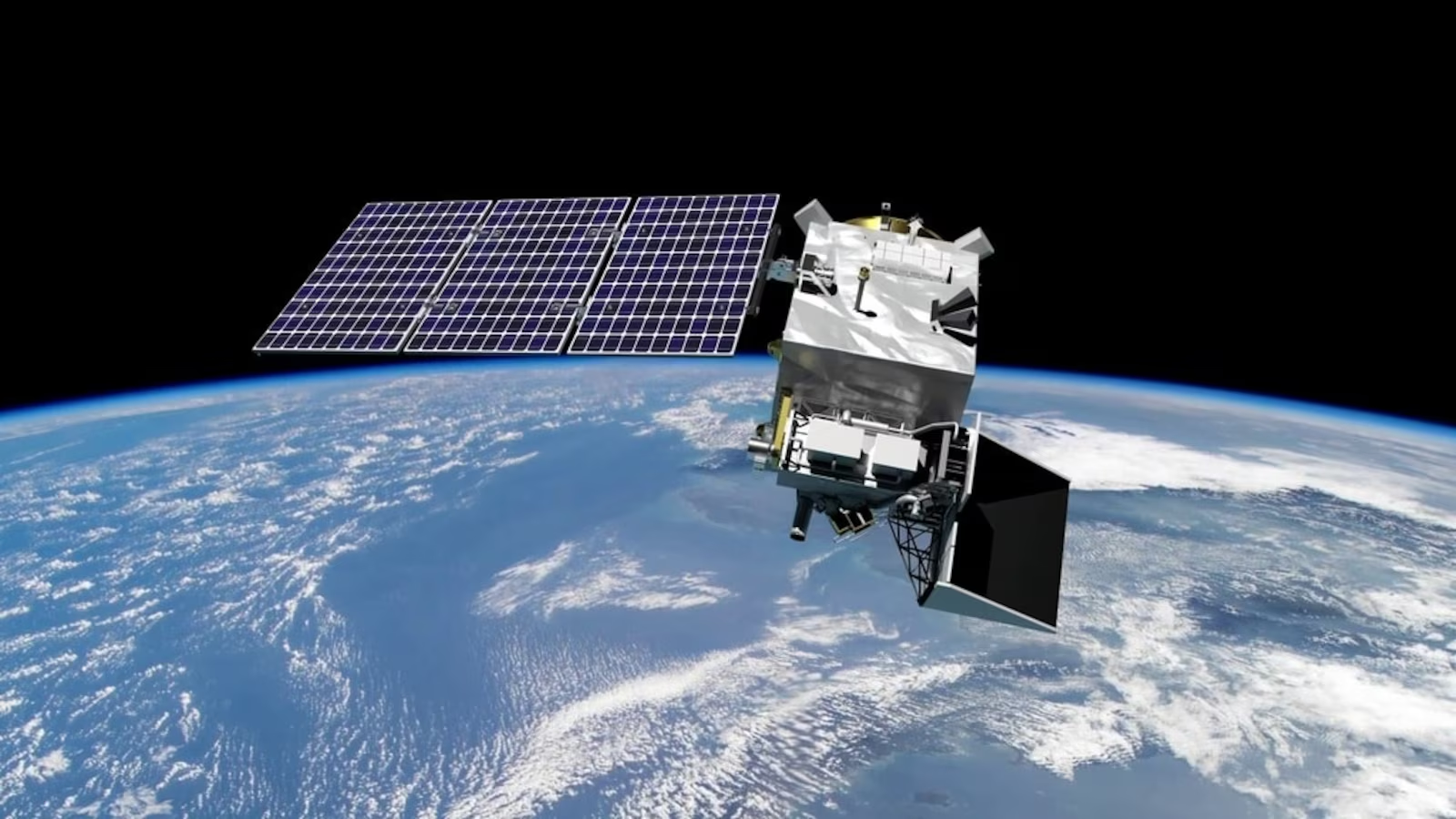
The US launched six satellites, including two from the Missile Defense Agency and four from the Space Development Agency, capable of detecting global missile launches into orbit, following concerns about Russia's space-based weapons capability. The satellites will detect hypersonic, ballistic, and other advanced threats earlier than terrestrial radars. House Intelligence Committee Chairman Mike Turner raised an alarm about a "serious national security threat" related to Russia's space capabilities, specifically its nuclear capabilities in space, which could potentially threaten US military communications and reconnaissance. White House National Security Adviser Jake Sullivan will discuss the Russian threat with members of Congress.
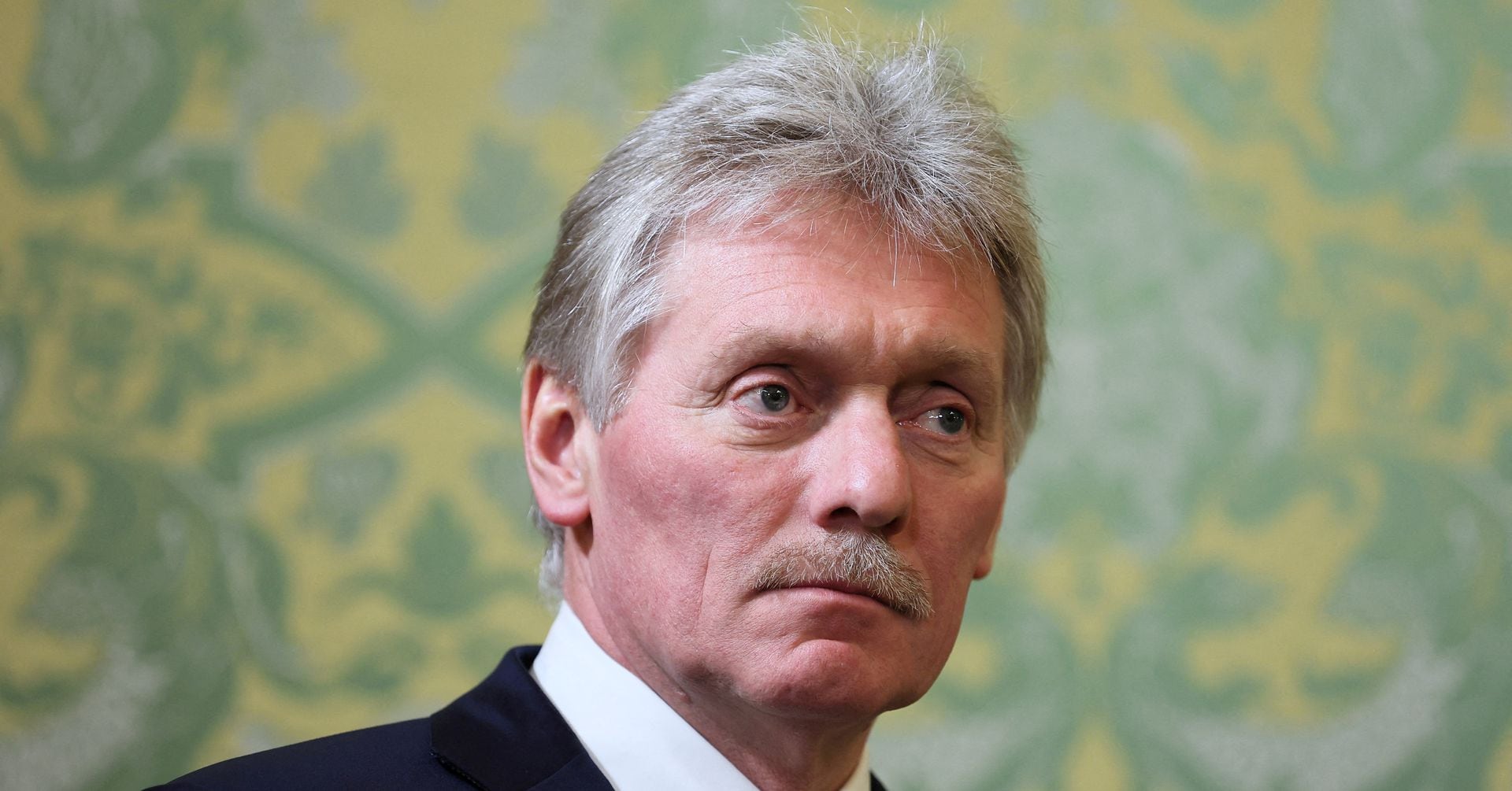
The Kremlin has dismissed the United States' warning about Russia's new nuclear capabilities in space as a "malicious fabrication" and a ploy to secure more funding. The U.S. has informed Congress and European allies about Russian attempts to develop a space-based weapon, but Moscow has labeled the claims as fabrications. Tensions between the two nations have escalated, with both sides warning of the risk of conflict. The reported Russian space-based, anti-satellite nuclear weapon has raised concerns, as the U.S. lacks the capability to counter such a weapon.
Russia is reportedly developing space weapons aimed at disabling space-based communication and intelligence networks, posing a potential national security threat to the United States. The Ukraine conflict and the role of space systems in aiding Ukraine triggered Russia to rush the development of these new space tactics. Russia's new capability may involve directed-energy weapons or electromagnetic pulses in space that could disable commercial and military networks. Meanwhile, the United States is working on building a more resilient architecture in space, and commercial companies like Starlink have developed hard-to-target satellite networks, which worries Russia.
A SpaceX Falcon rocket launched from Cape Canaveral carrying an undisclosed payload, coinciding with Russia's plan to deploy a nuclear weapon in space. The booster successfully completed its seventh mission, with a second launch scheduled for the Intuitive Machines lunar lander. The launch marks the 11th national security launch supported by a SpaceX Falcon, with the USSF-124 mission sending six satellites to orbit. Members of Congress were briefed on the threat, prompting calls to declassify information for open discussion. Russia's previous demonstrations of space weaponry, including satellite destruction and hypersonic missiles, have raised concerns about escalating tensions in space.