The Pentagon estimates that Iran's ability to build a nuclear weapon is now closer to two years away following U.S. strikes on key nuclear sites, a more optimistic outlook than the UN's assessment, with damage believed to have significantly delayed Iran's nuclear ambitions.

The Pentagon estimates that Iran's ability to build a nuclear weapon is now closer to two years away following U.S. strikes on key nuclear sites, a more optimistic outlook than the UN's assessment, with damage to Iran's nuclear infrastructure significantly degrading its nuclear capabilities.
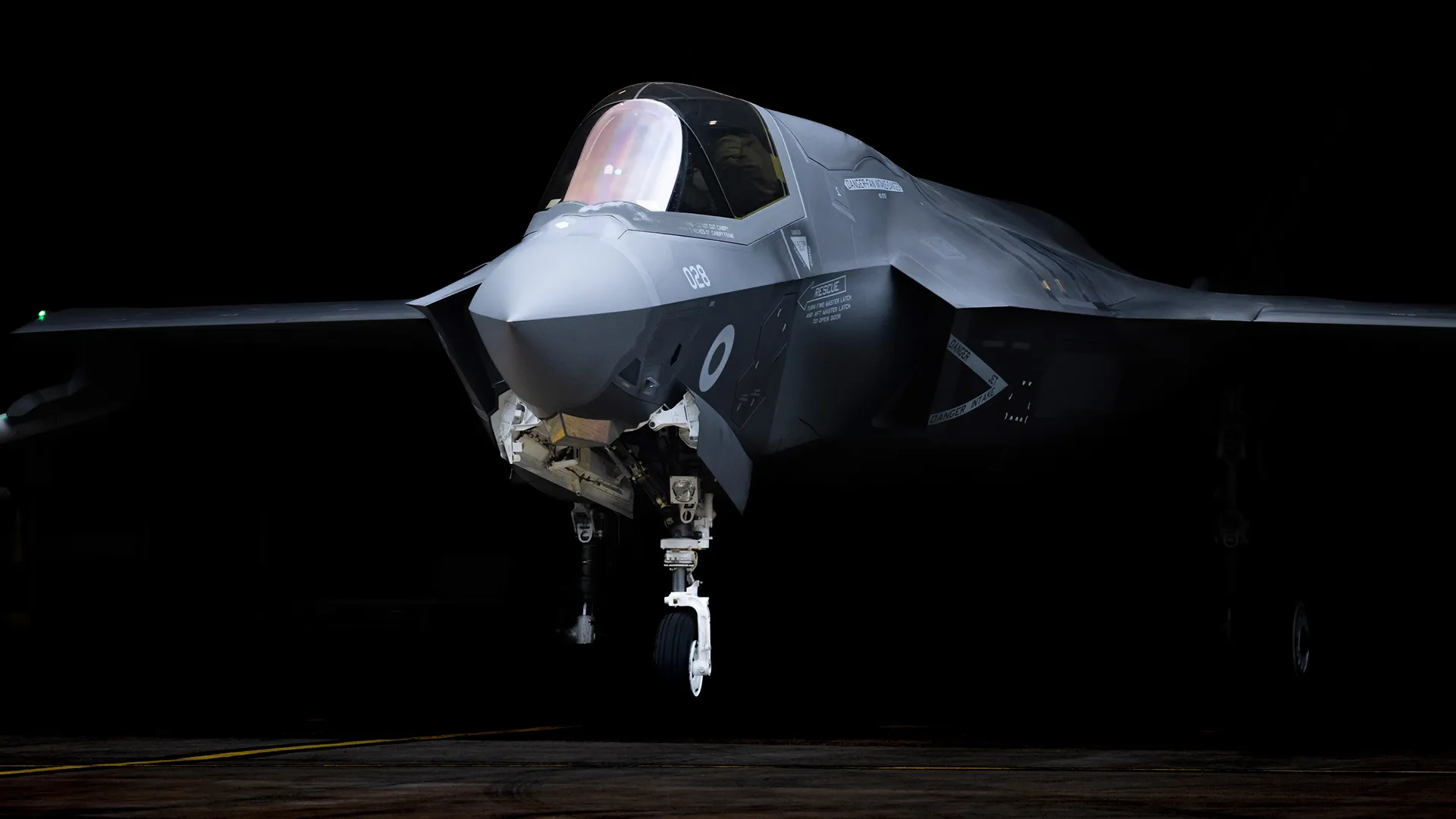
The UK has announced the purchase of 12 F-35A fighters to enhance its nuclear deterrence, joining NATO's dual-capable aircraft mission with U.S.-owned B61-12 nuclear bombs, primarily for training and strategic flexibility, while maintaining its submarine-based nuclear deterrent. The move signifies a significant upgrade in the UK's nuclear posture and NATO's collective defense, with implications for future military and technological developments.
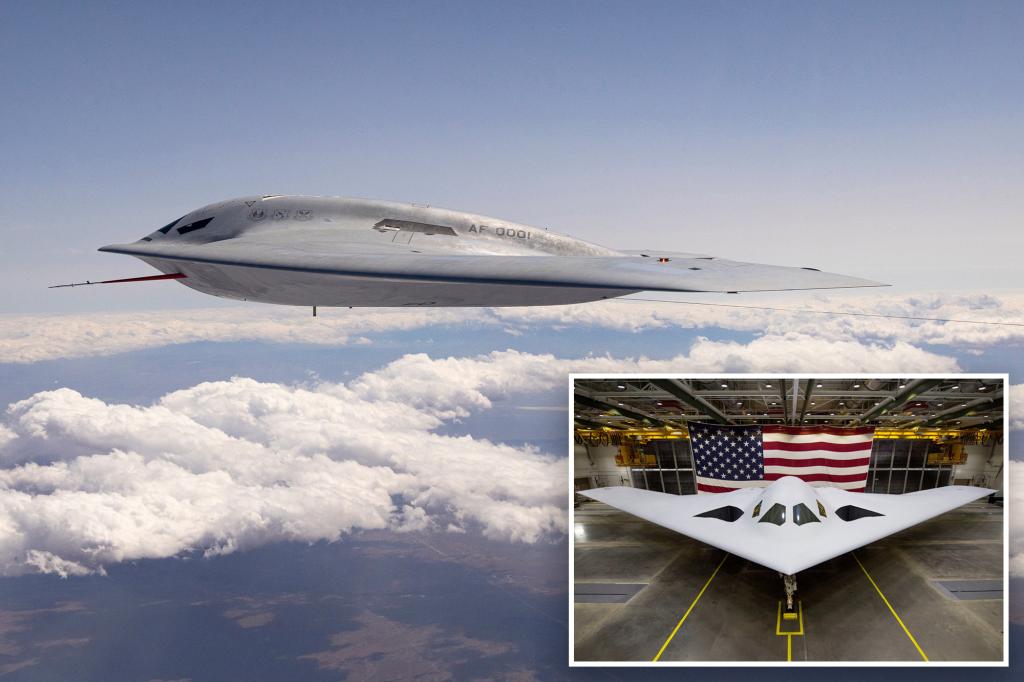
The Air Force has unveiled the B-21 Raider, a new nuclear stealth bomber set to replace the B-1 and B-2 models. Currently undergoing testing in California, the B-21 is designed to be highly survivable and capable of carrying both nuclear and conventional payloads. It is the first aircraft to be more digital than not and is expected to be operational by next spring. The B-21 will primarily operate out of Ellsworth Air Force Base in South Dakota.
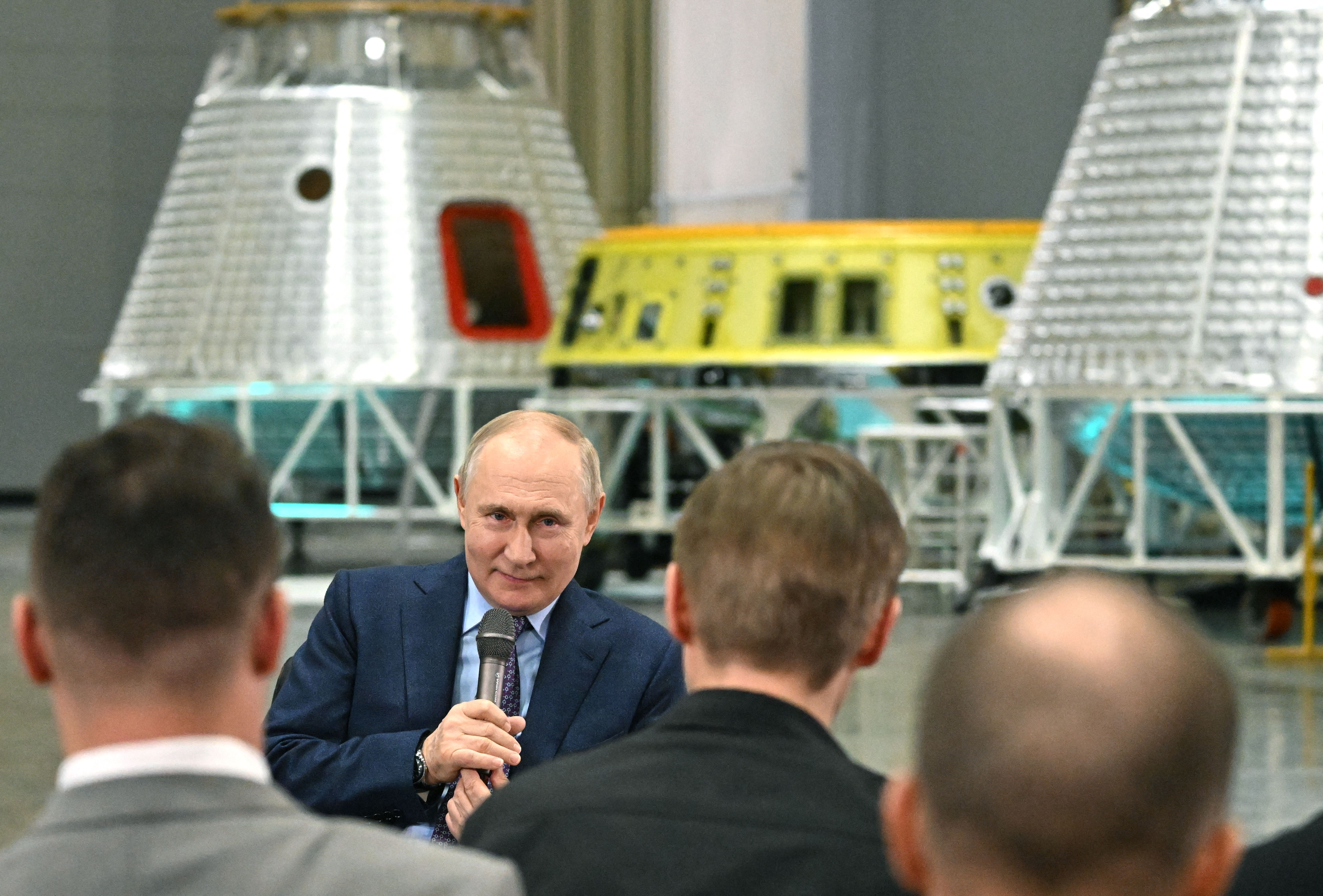
Russia is working on developing a nuclear anti-satellite weapon, but it is not yet ready to deploy it in space, according to US intelligence sources. While the Biden administration and lawmakers have expressed concerns, there is currently no immediate threat. The weapon could potentially disrupt global communications and US military operations by destroying satellites, but it would not have the capability to launch attacks on Earth. Russia's pursuit of this capability raises questions about its space program and its willingness to abandon international treaties, posing a concerning threat to US assets in space.
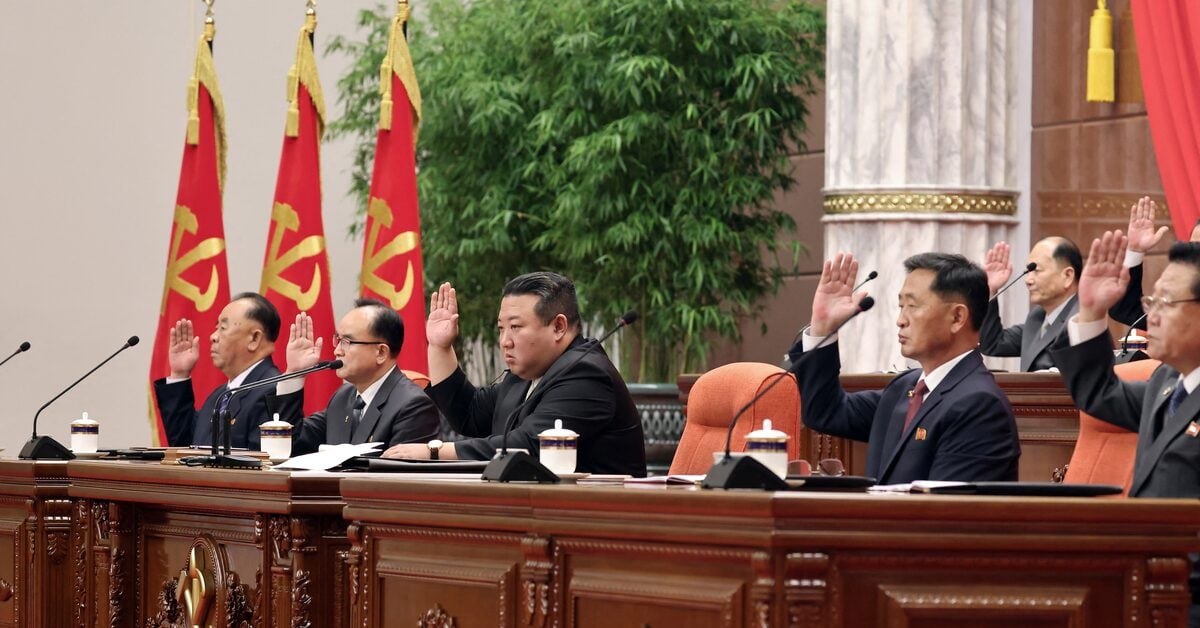
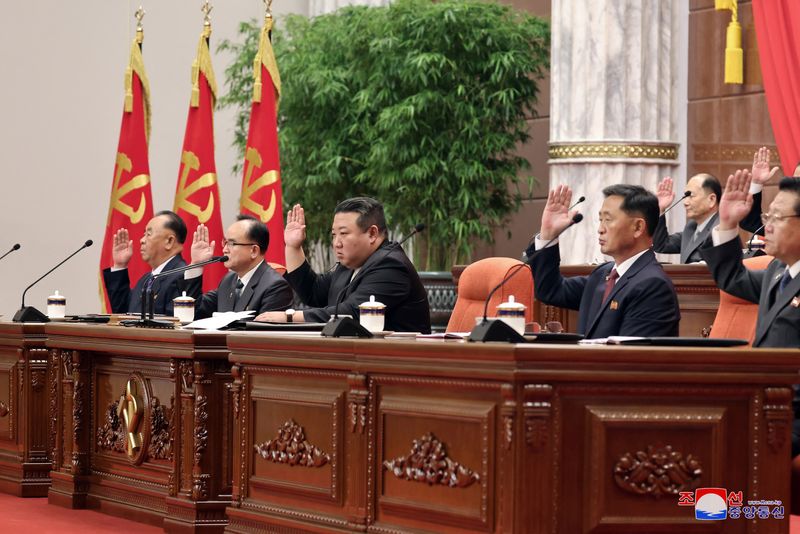
North Korea has called its botched military satellite launch last month the "gravest failure" at the ruling party's latest key meeting. The meeting also discussed ensuring self-sufficiency in food supply by increasing the country's agricultural output and meeting the annual grain production target. North Korea also vowed to continue developing its nuclear capability and strengthening solidarity with other countries that oppose what it called the "U.S. strategy for world supremacy." The country is under strict international sanctions over its nuclear weapons and ballistic missile programs, and its economy has been further strained by strict self-imposed border lockdowns aimed at stopping COVID-19 outbreaks.
North Korea has called its botched military satellite launch last month the "gravest failure" at the ruling party's latest key meeting. The meeting also discussed ensuring self-sufficiency in food supply and continuing to develop its nuclear capability. The country is under strict international sanctions over its nuclear weapons and ballistic missile programs, and its economy has been further strained by strict self-imposed border lockdowns aimed at stopping COVID-19 outbreaks.
The US is feeling pressure to respond to China's expanding nuclear capability, according to Ely Ratner, the US assistant secretary of defence for Indo-Pacific security affairs. Ratner stated that Beijing's drive to modernize its military weaponry compels Washington to "maintain deterrence" alongside allies and partners. However, Ratner also believes that the "forces of stability" are currently outpacing the "forces of aggression and coercion" in the region.