NASA's Psyche mission and U.S. startups are exploring asteroid mining for valuable metals like platinum, gold, and rare earths, potentially worth quadrillions of dollars, but the venture carries risks of market disruption and technical challenges.
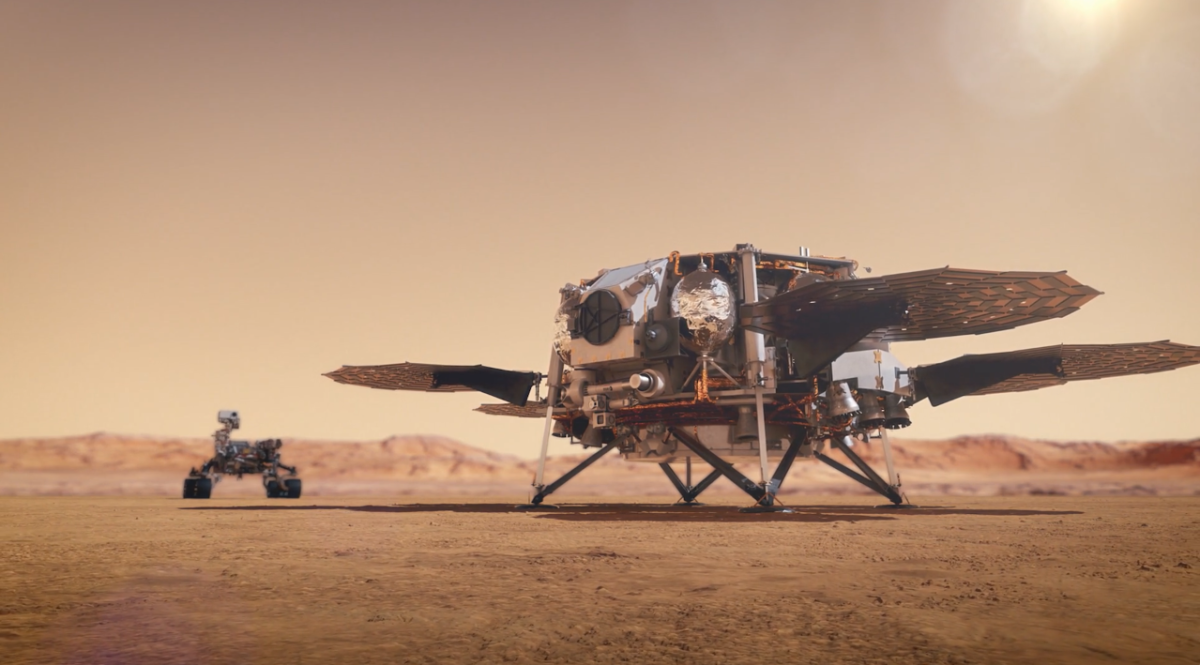
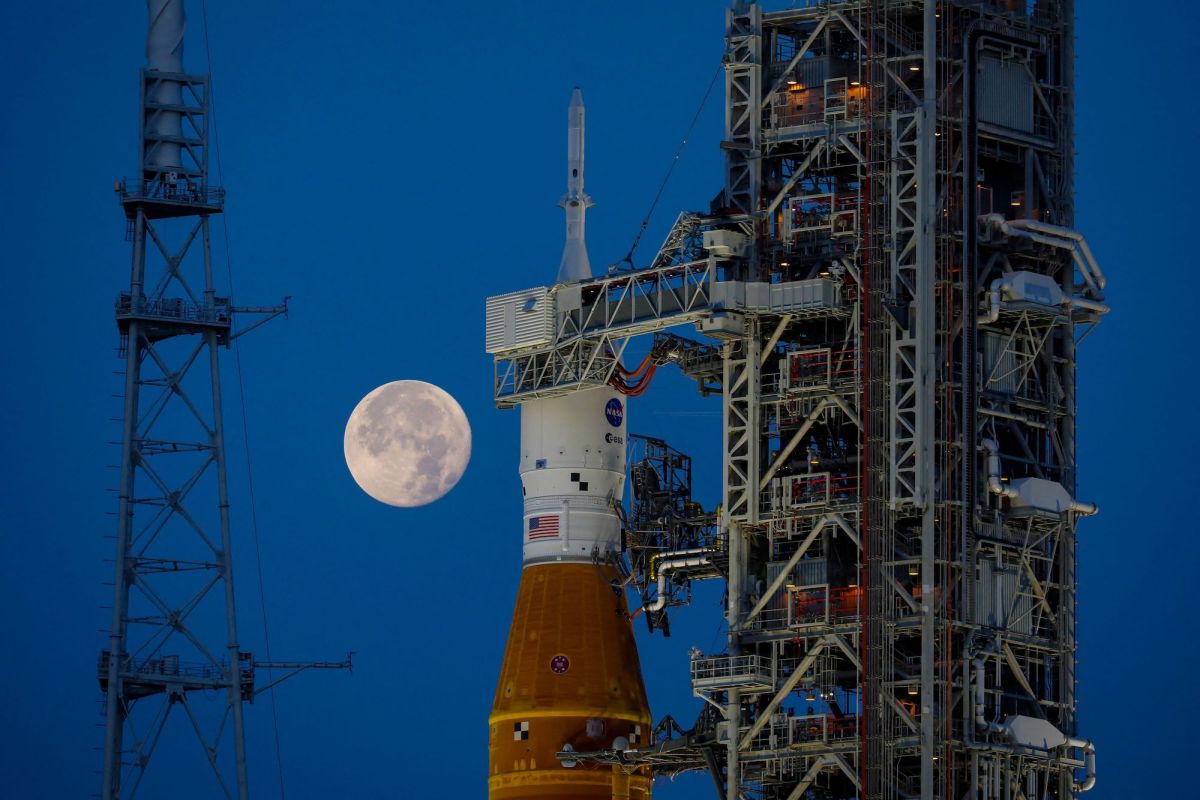
NASA has scrapped its $11 billion, 15-year Mars Sample Return mission due to cost and timeline concerns, opening the door for space startups and commercial providers to propose new, more affordable plans to return samples from Mars in the 2030s. This strategic shift presents a significant opportunity for the commercial space industry, potentially leading to multi-billion-dollar contracts and accelerating the development of interplanetary capabilities. The move signals a shift towards leveraging commercial services and hardware for ambitious space missions, similar to the impact of the Commercial Lunar Payload Services on lunar exploration.
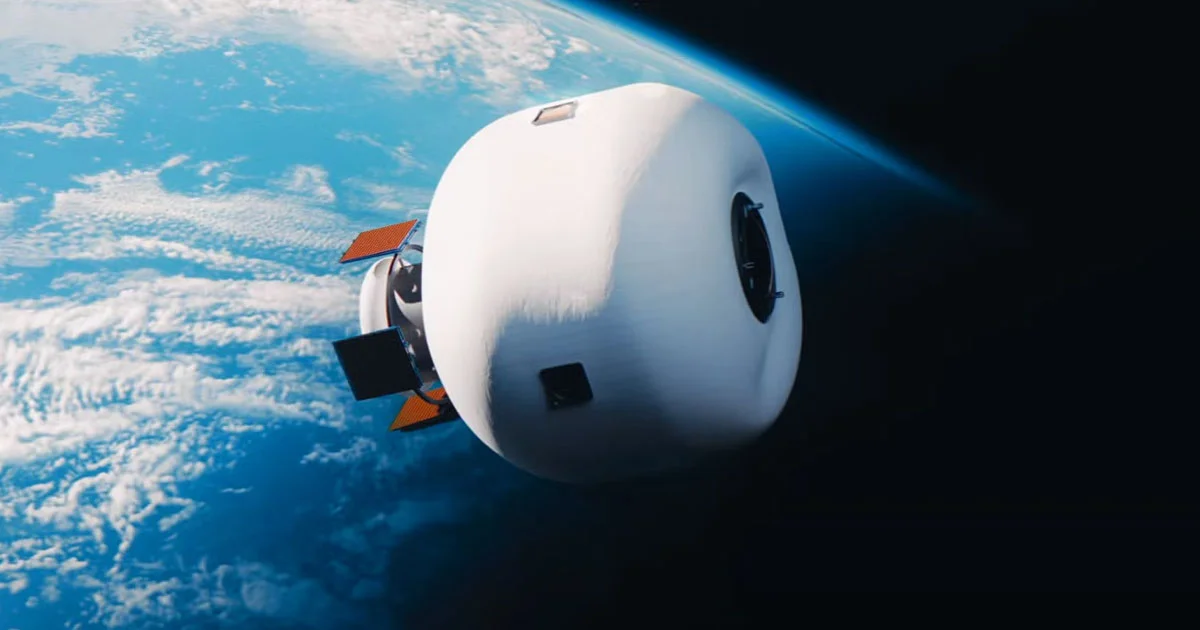
Space startup Max Space plans to launch expandable, "stadium-sized" habitats into Earth's orbit on SpaceX rockets by the end of the decade, aiming to provide more habitable space in space at a lower cost. The company's scalable habitat designs range from 20 to 35,300 cubic feet and could potentially be deployed on the Moon or Mars. With a focus on inflatable habitats, Max Space aims to conduct its first off-Earth test within two years, while facing competition from other companies like Sierra Space in the race to develop expanding habitats for space exploration.
Interlune, a secretive startup led by ex-Blue Origin leaders, has raised $15.5 million in new funding for its mission to harvest natural resources from the moon. The company aims to develop technology for lunar in-situ resource utilization, enabling the sorting of lunar regolith for various applications such as oxygen extraction and 3D printing. With a focus on creating a sustainable in-space economy, Interlune joins a growing number of space startups and organizations working on ISRU technology to support long-term human presence on the moon and beyond.
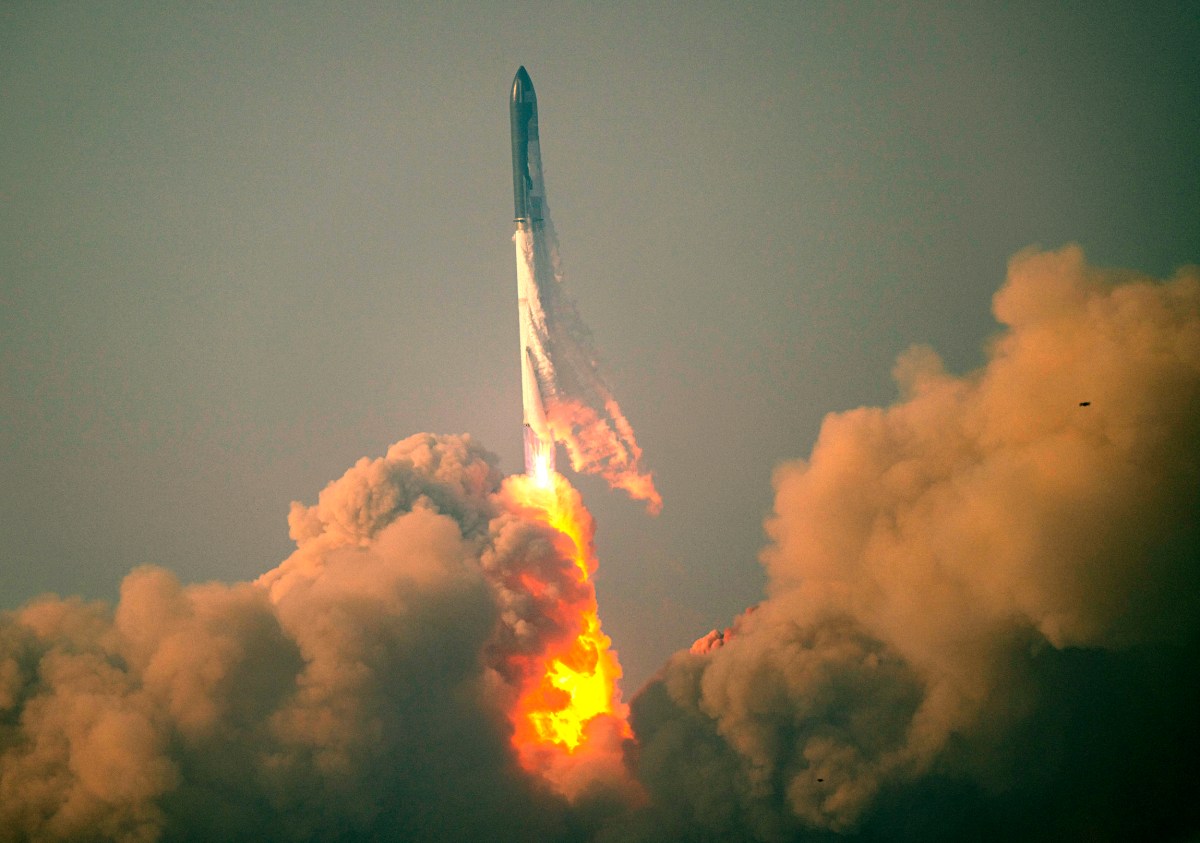
The space industry is expected to see significant advancements in 2024. SpaceX will continue testing its Starship, aiming for an orbital flight. Several private companies, including Astrobotic and Intuitive Machines, will attempt lunar landings, potentially making history. Startups will demonstrate advanced satellite operations, such as rendezvous and proximity operations and in-space manufacturing. Additionally, there will be rocket testing from newer entrants like Blue Origin's New Glenn and Rocket Lab's Neutron, as well as updates from Stoke Space and Relativity.
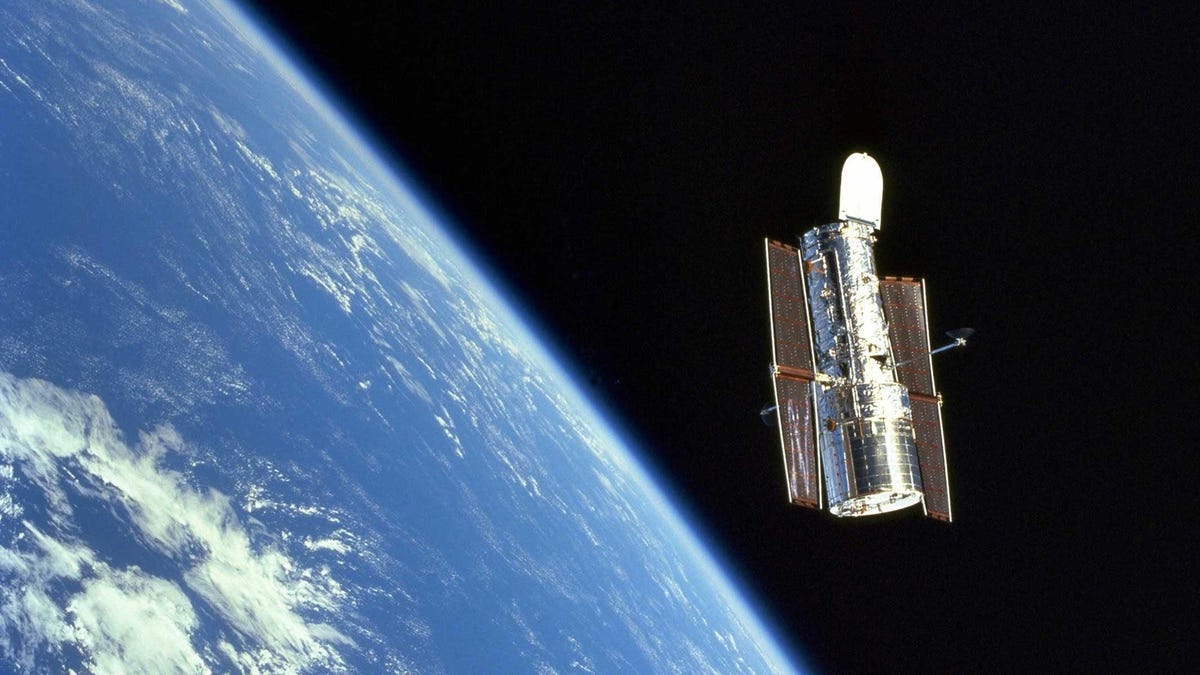
Two space startups, Momentus Space and Astroscale, have proposed a joint plan to relocate the Hubble Space Telescope to a higher Earth orbit and remove any threatening debris within the telescope's new orbit. The plan would involve a robotic mission, with Momentus' Vigoride space tug using Astroscale's rendezvous, proximity operations, and docking services to capture and raise the telescope's orbit by up to 31 miles. The companies' collaboration offers NASA a cost-effective way to extend the lifespan of the Hubble, which is currently healthy but will eventually re-enter Earth's atmosphere due to atmospheric drag.
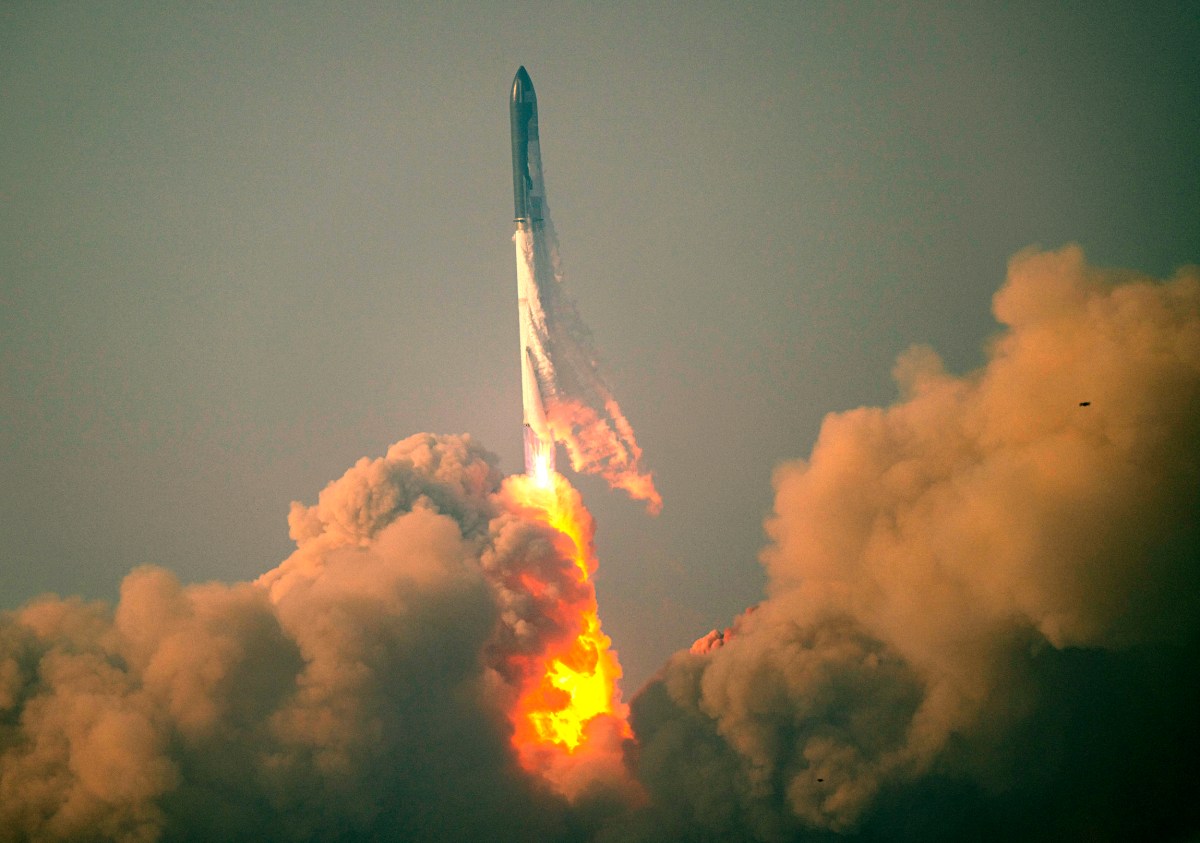
Space startups need to start preparing for a post-Starship world as the super-heavy launch system is poised to fundamentally reshape the space economy by continuing the trend of lowering the cost of launching mass to space. Starship will be capable of carrying a paradigm-shifting quantity of 100 to 150 tons of stuff to orbit, far outstripping the payload capacity of any rocket that humans have ever designed. Founders should be thinking now about how Starship could affect their operations, for better or worse.