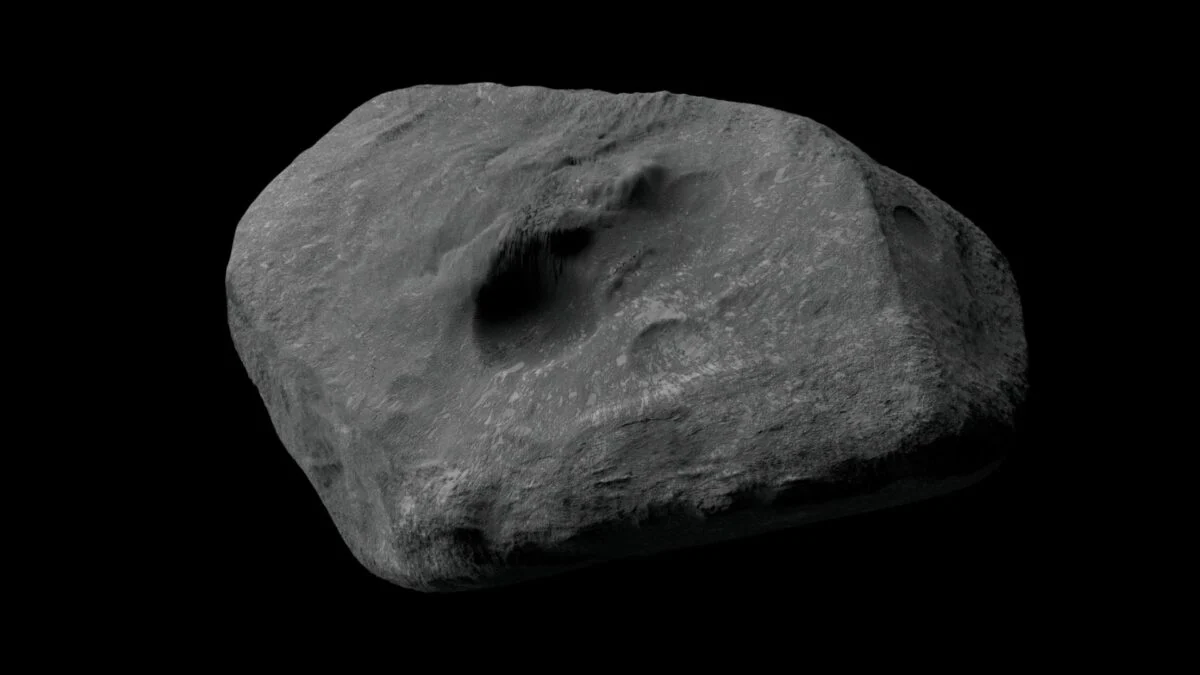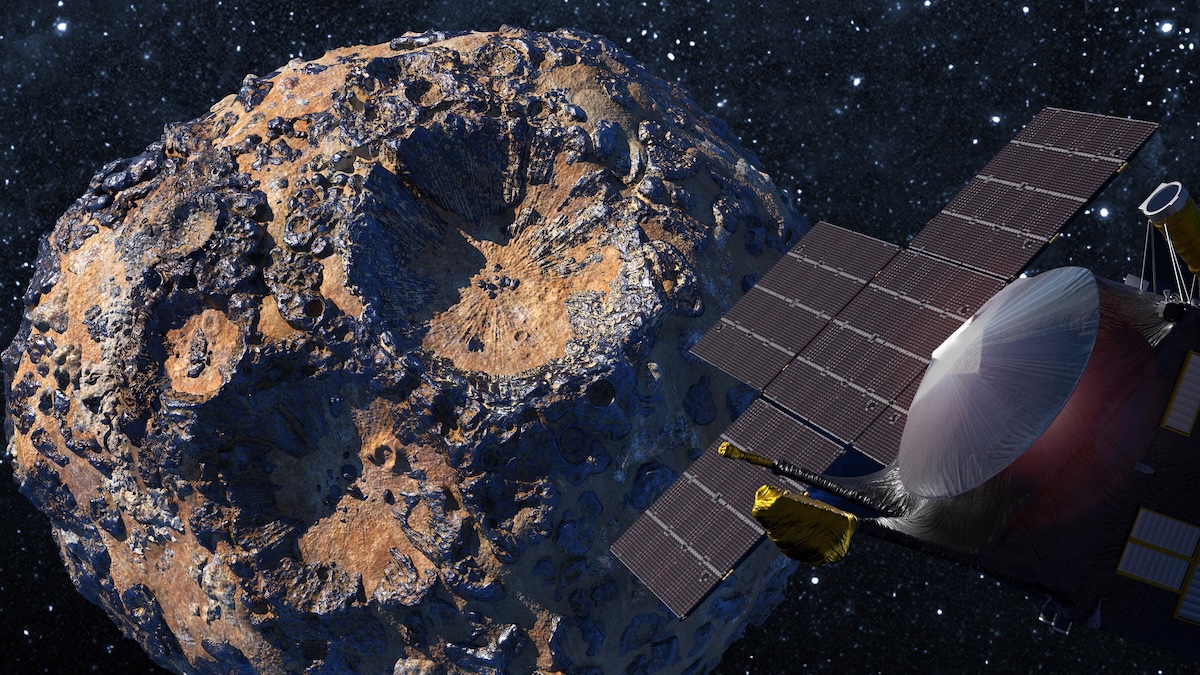
A recent study suggests that while mining undifferentiated asteroids may not be feasible, certain water-rich and mineral-rich asteroids could be valuable sources of raw materials, supporting future space resource exploitation and exploration efforts. The research emphasizes the need for further missions and technological development to realize asteroid mining's potential, which could benefit humanity by providing resources and reducing Earth's environmental impact.
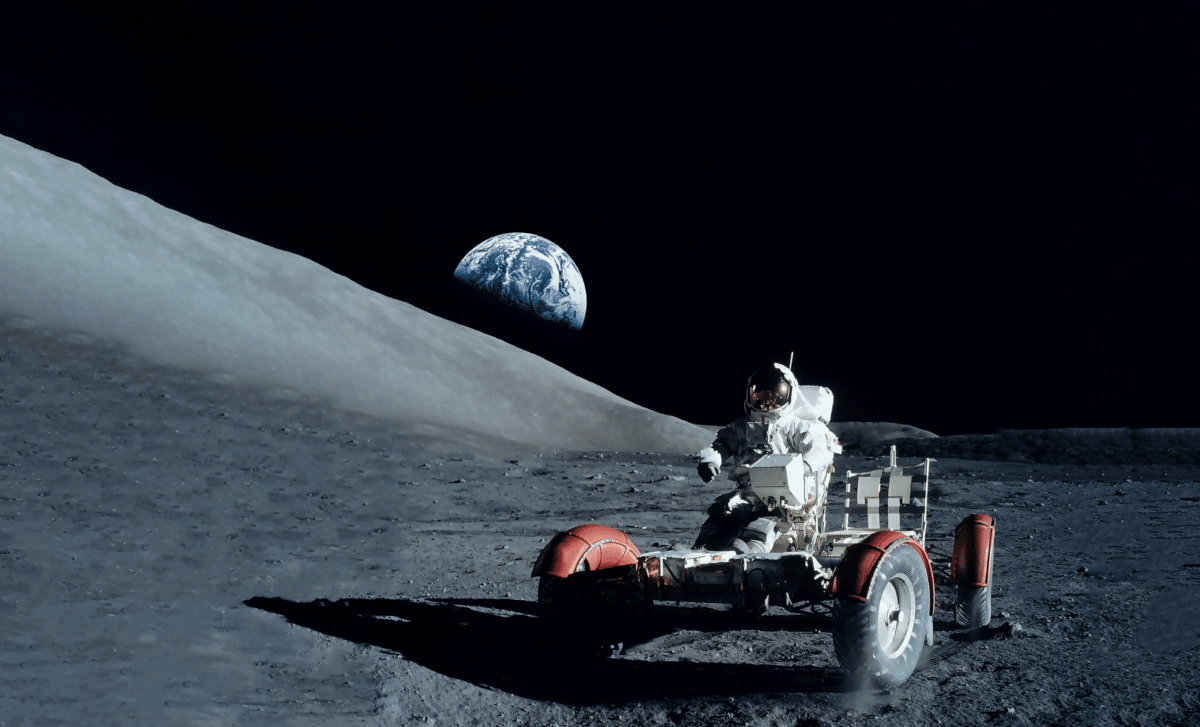
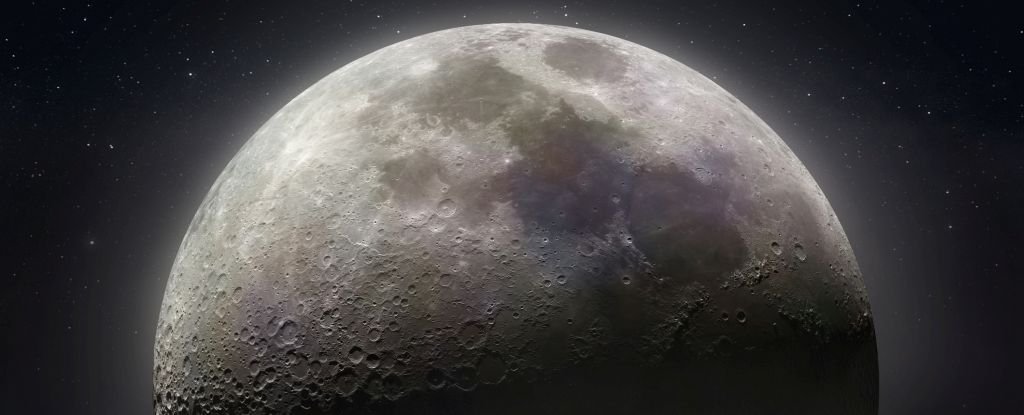
Scientists are developing methods to extract and convert frozen water on the Moon's south pole into rocket fuel, which could significantly reduce space mission costs and support permanent lunar bases and deeper space exploration, amid increasing competition between the US and China for lunar resources.
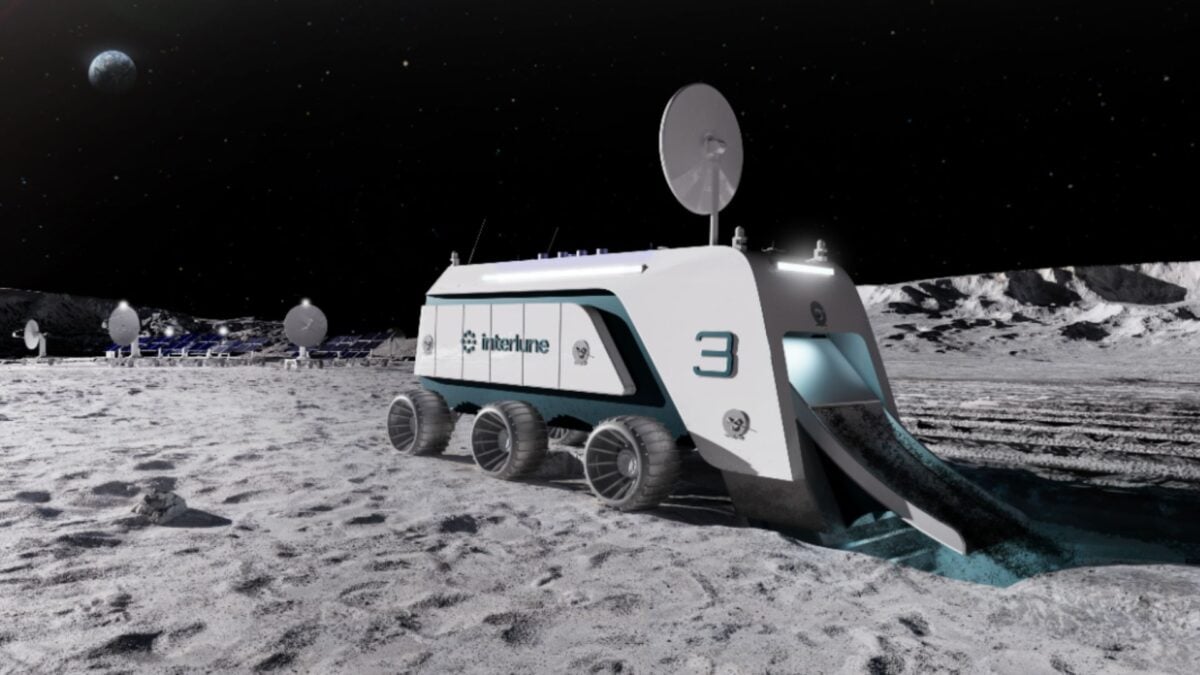
Private companies and space agencies are rapidly advancing toward lunar mining, particularly for helium-3, with plans to start operations by 2029, but the lack of a comprehensive international legal framework raises concerns about disputes, environmental impact, and resource sharing.
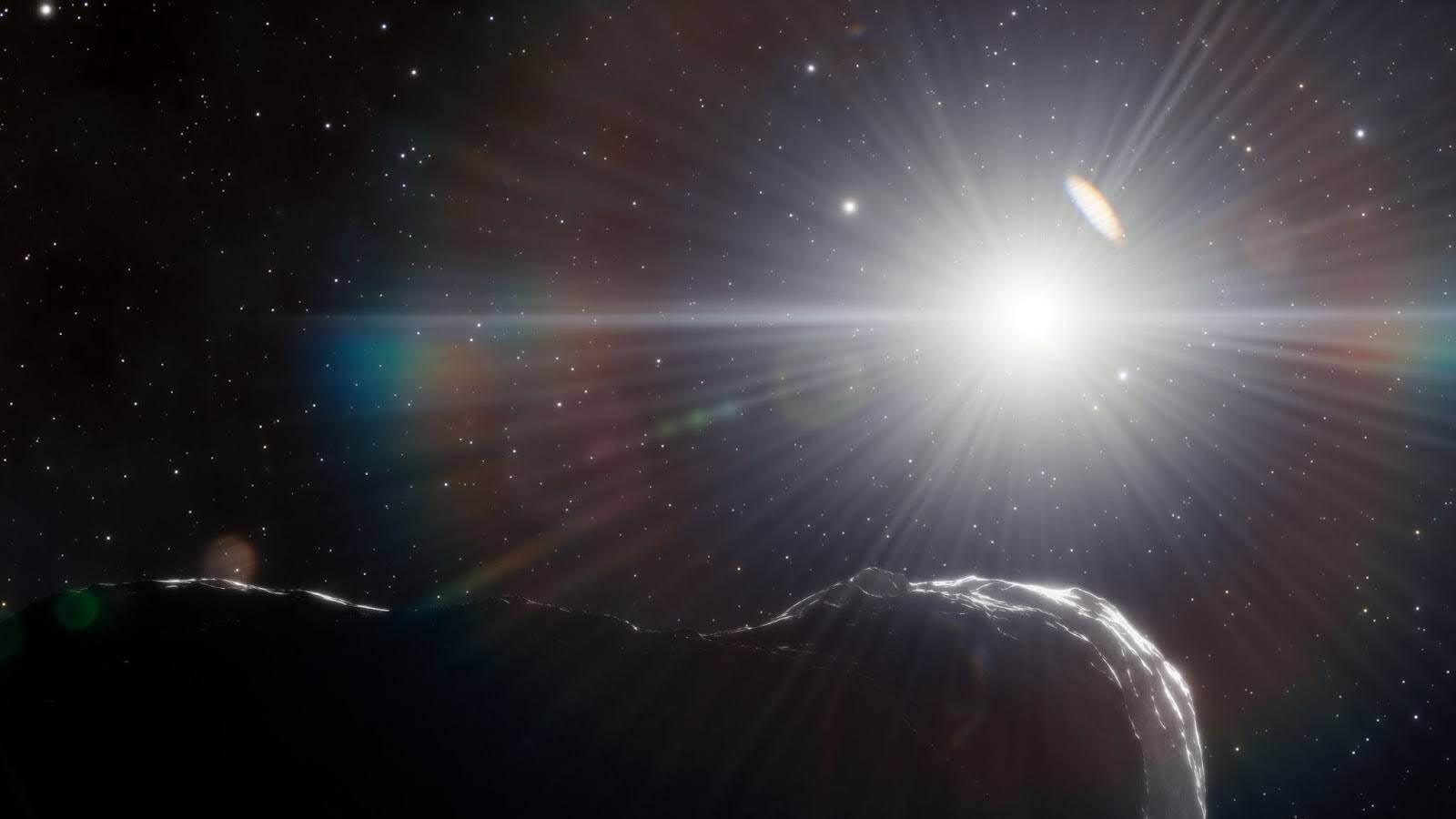
Researchers identify carbon-rich asteroids containing minerals like olivine and spinel as promising targets for future space mining, highlighting the potential for extracting valuable metals and rare earth elements, despite current technological and economic challenges.
Researchers analyzing rare meteorites called carbonaceous chondrites from Antarctica have revealed their potential as sources of valuable materials like transition metals and water for future space mining, although concentrations are lower than Earth's deposits. These primitive asteroids could support in-space infrastructure development, but mining them remains complex and experimental, with specific asteroid types showing more promise for resource extraction.
Nations and companies are racing to mine helium-3 on the Moon, a rare isotope with potential for clean fusion energy and advanced technology, amid technical challenges and geopolitical competition, aiming to establish long-term lunar operations and influence future space resource ownership.
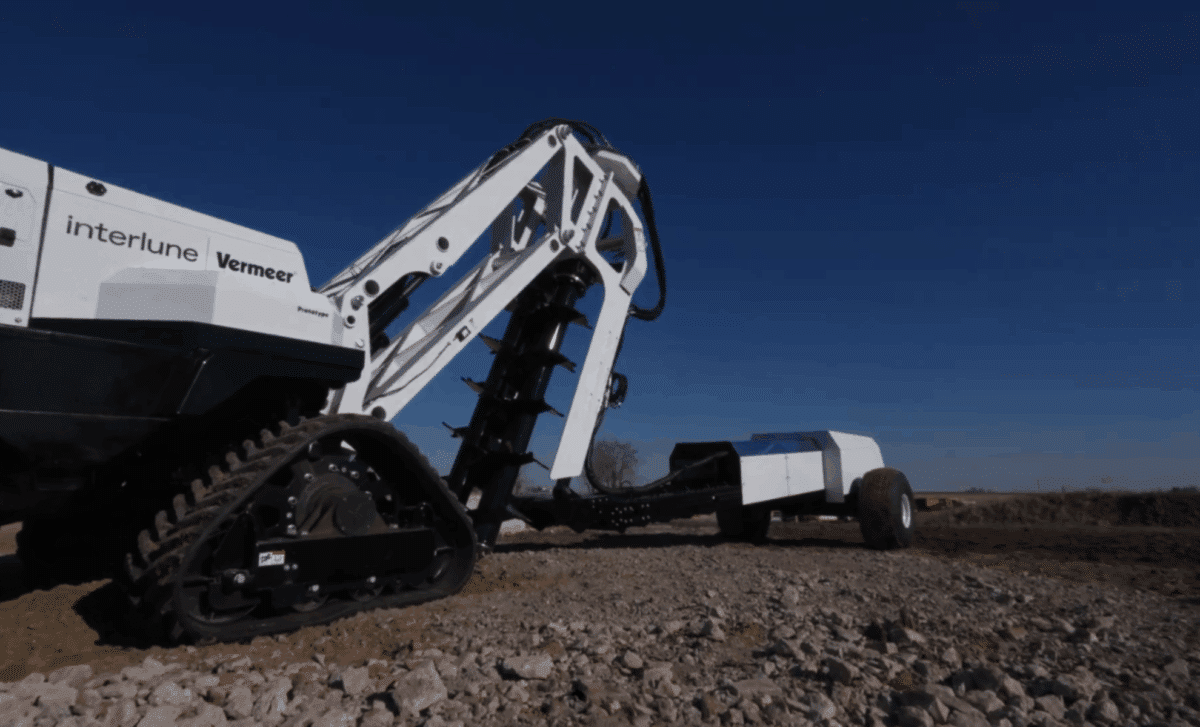
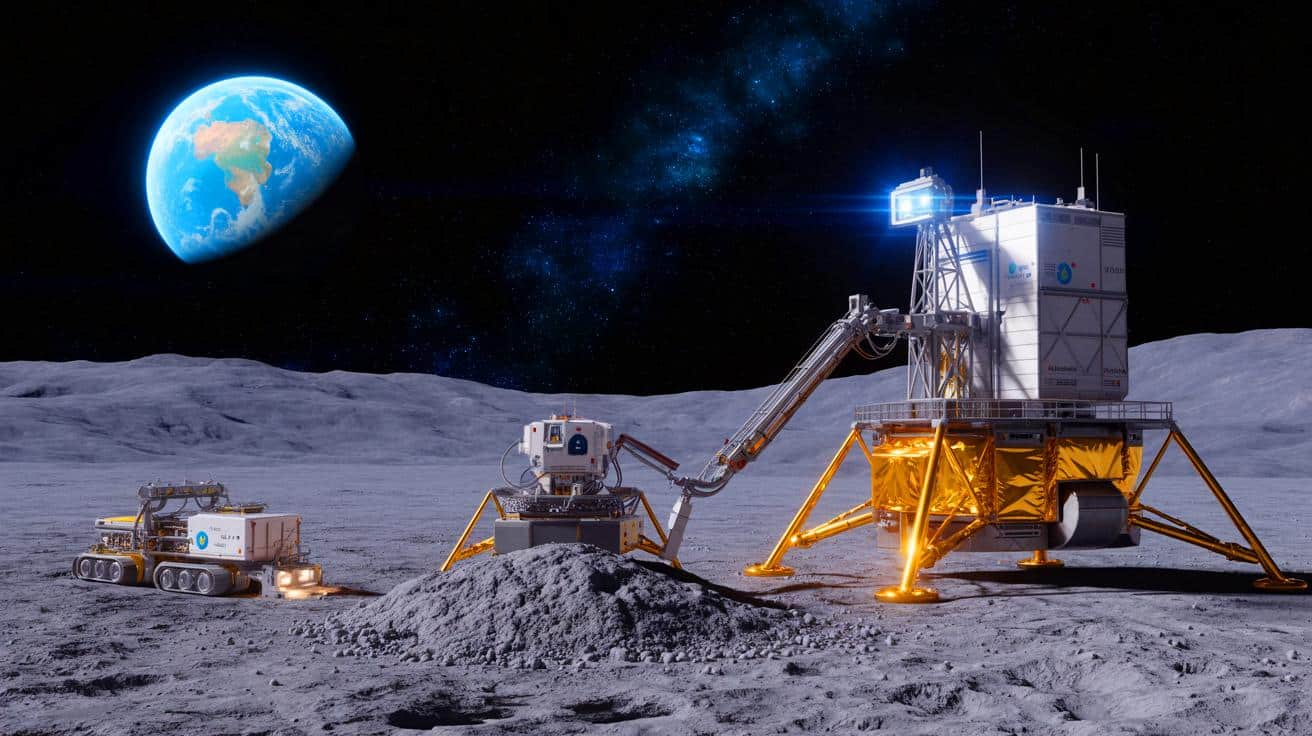
Interlune, a startup planning to launch in 2027, aims to mine helium-3 on the Moon, a rare isotope with immense energy potential, to revolutionize energy production and open new lunar economic opportunities.
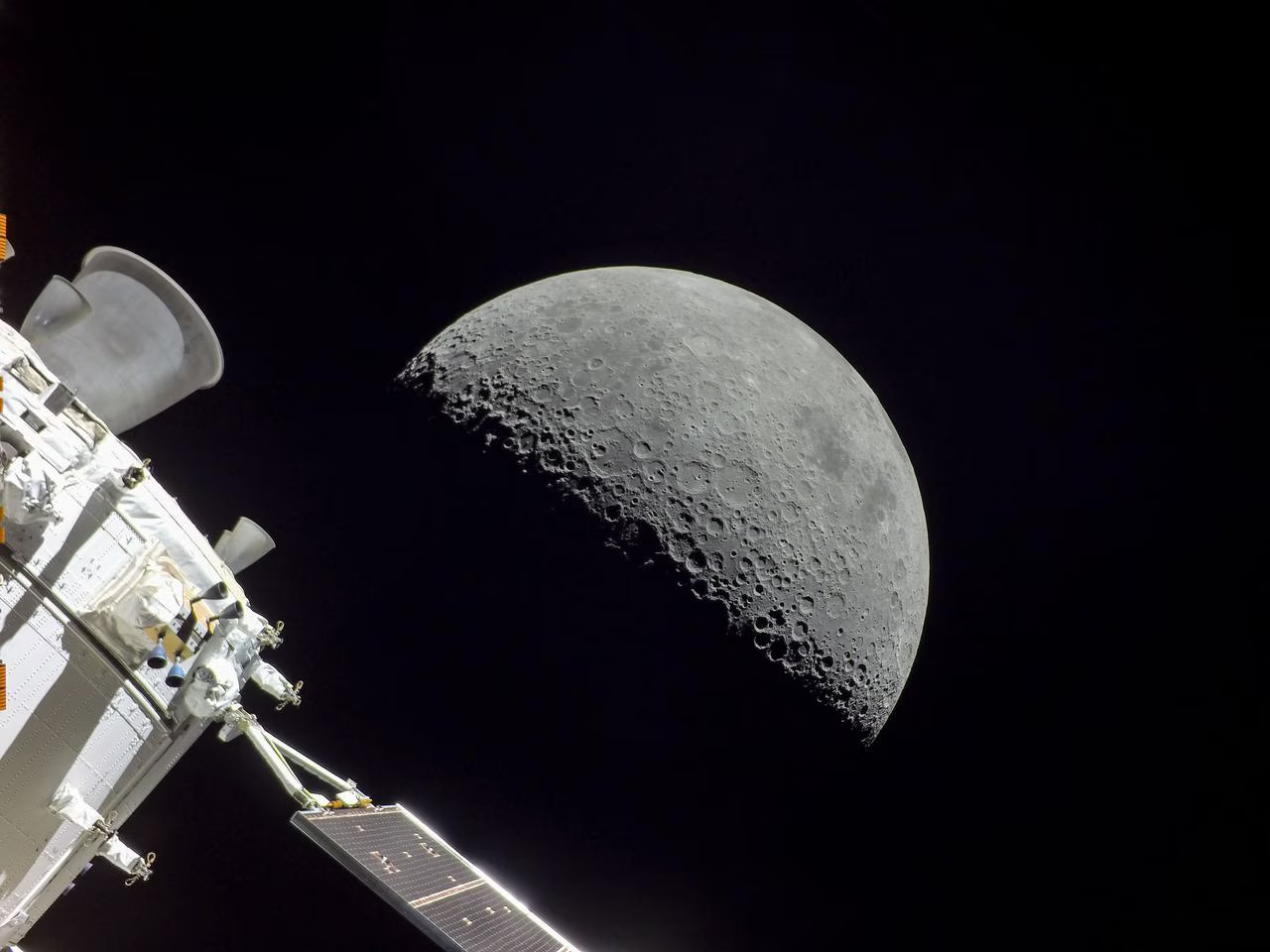
The Moon is being explored as a potential source of helium-3, a rare isotope crucial for quantum computing and clean fusion energy, with the US and China leading the race, raising significant technological and geopolitical implications.
A new study suggests that the Moon's impact craters may contain significant deposits of platinum-group metals and water, making it a promising and more accessible target for space mining compared to asteroids, with potential benefits for resource sustainability and space exploration.
The article discusses the potential of mini-moons, like asteroid 2024 PT5, as accessible targets for asteroid mining due to their proximity to Earth, and explores the technological and economic challenges involved in capturing and extracting valuable metals from these space rocks, with future missions and innovations on the horizon.
Interlune, a Seattle-based startup, has made the largest deal yet for lunar helium-3, a rare isotope on Earth, by partnering with Bluefors to supply up to 10,000 liters annually from 2028 to 2037, driven by rising demand from the quantum computing industry, though challenges remain in lunar mining technology and resource estimation.
Finnish tech firm Bluefors has purchased over $300 million worth of Helium-3 from the moon through Interlune, marking the largest resource purchase from space, to support the growing demand for quantum computing cooling technology. The deal highlights the potential for lunar resource extraction, particularly Helium-3, which is rare on Earth but abundant on the moon, and could be crucial for future technological advancements and energy solutions.
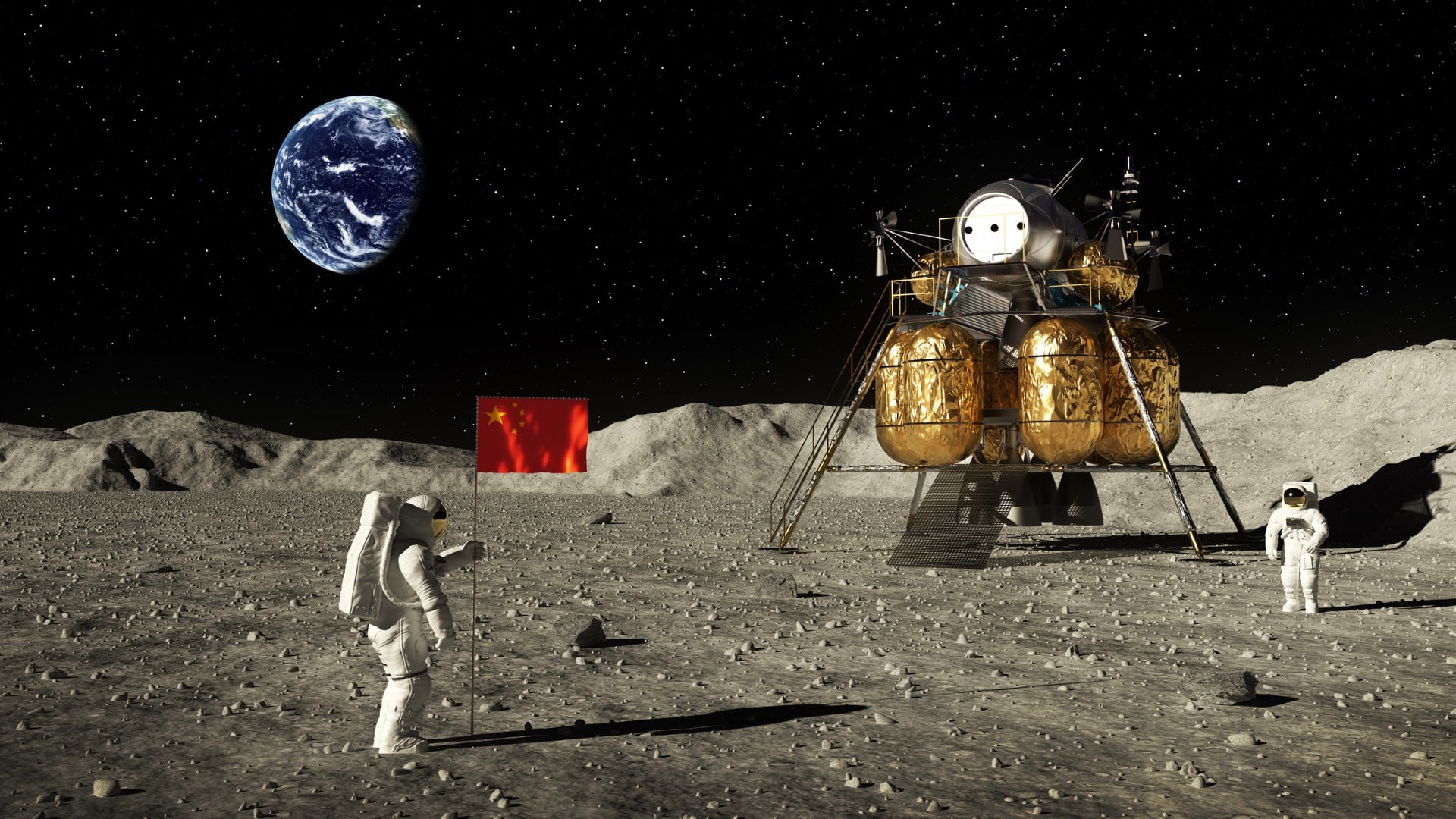
China aims to land astronauts on the moon before 2030, potentially surpassing the US in the lunar race, which could have significant geopolitical, economic, and strategic repercussions, especially if China establishes a sustained lunar presence and controls key resources like water ice.
The article explores the potential and challenges of asteroid mining, highlighting efforts by companies like AstroForge to extract valuable metals from space rocks, and discusses the possibility of mining resources from moon impact sites, with considerations of economic viability and international regulation for future space resource utilization.
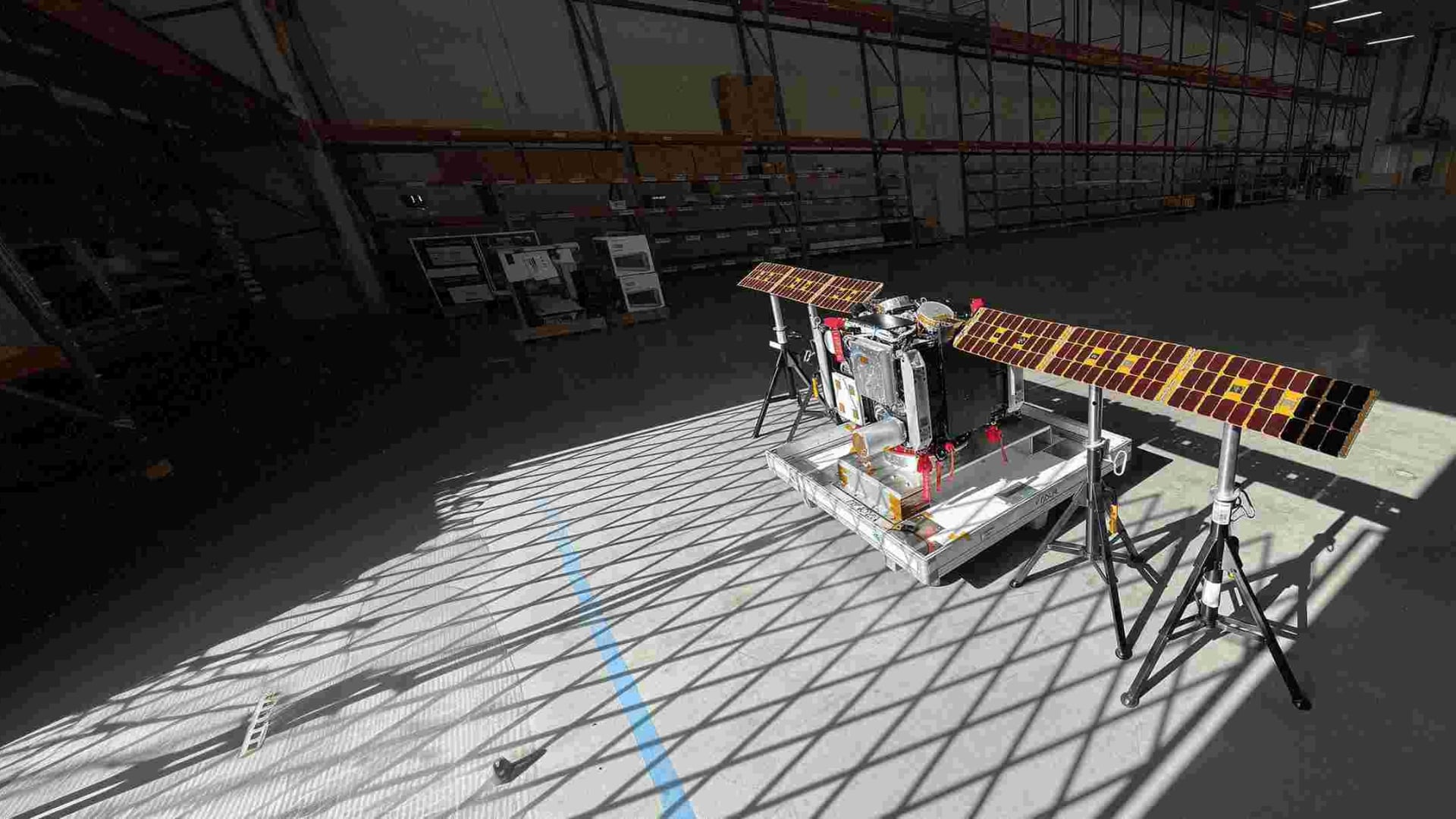
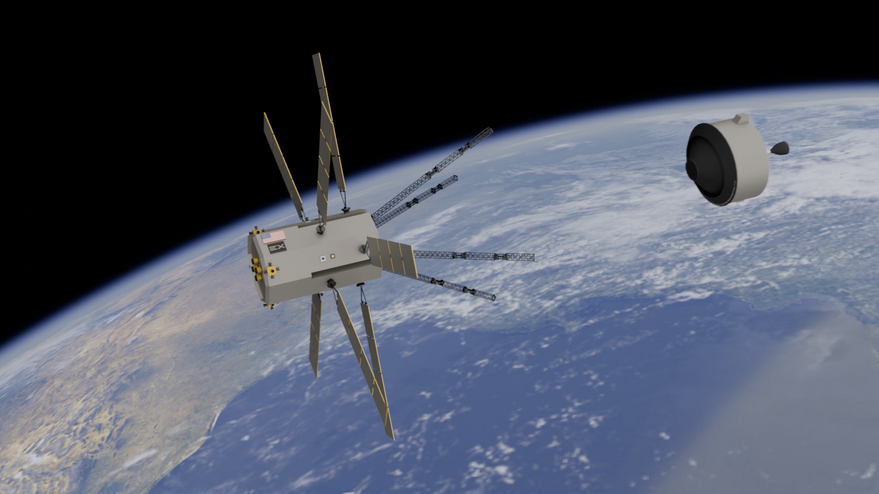
Exploration Labs plans a 2028 mission to rendezvous with the asteroid Apophis, aiming to deposit cubesats in its orbit and validate systems for future asteroid capture missions. The company is developing modular spacecraft and robotics for space object capture and transport, with a near-term focus on addressing space infrastructure challenges. NASA has also expressed interest in low-cost missions to Apophis, with its OSIRIS-APEX spacecraft scheduled to rendezvous with the asteroid after its April 2029 flyby.