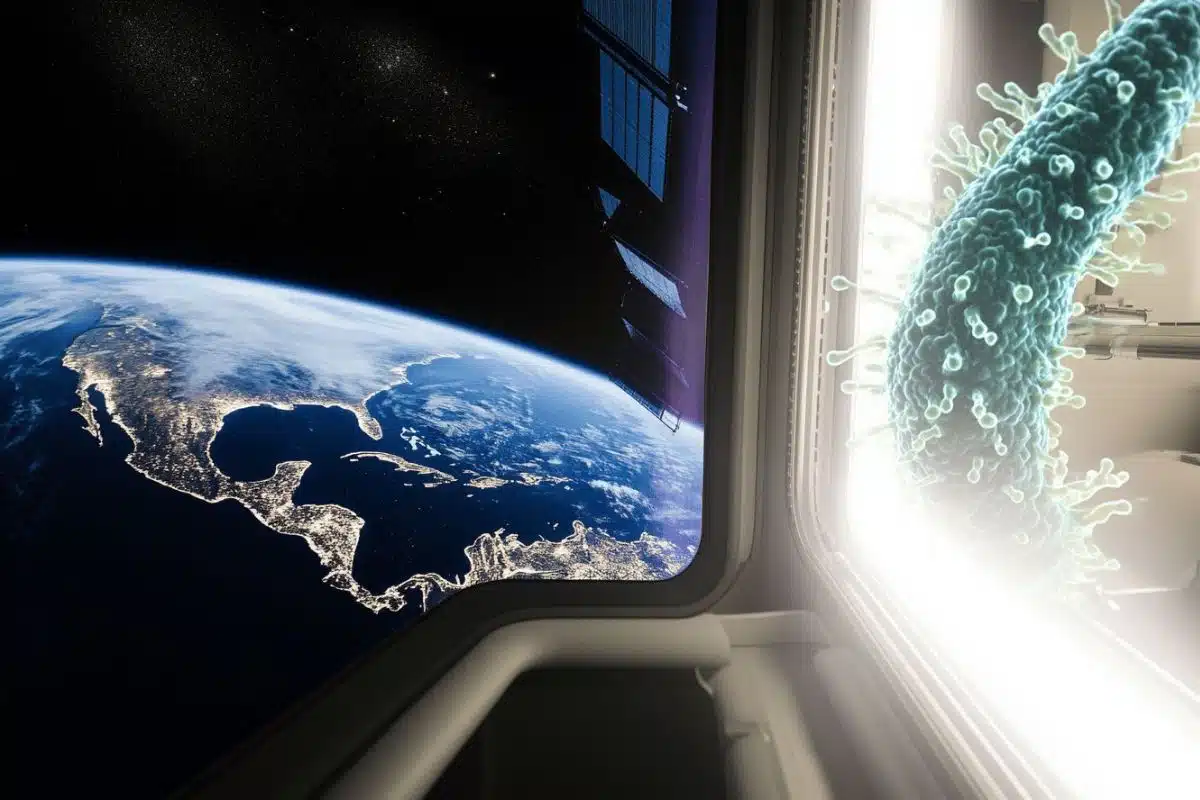
Chinese astronauts aboard the Tiangong space station discovered a new bacterial species, Niallia tiangongensis, which has adapted uniquely to space conditions, raising concerns about microbial risks and the need for advanced management in future space missions.
Scientists have discovered a new bacterial species, Niallia tiangongensis, on China's Tiangong space station, which exhibits unique traits like biofilm formation and radiation resistance, highlighting the importance of understanding microbial life in space for crew safety and potential biotechnological applications.
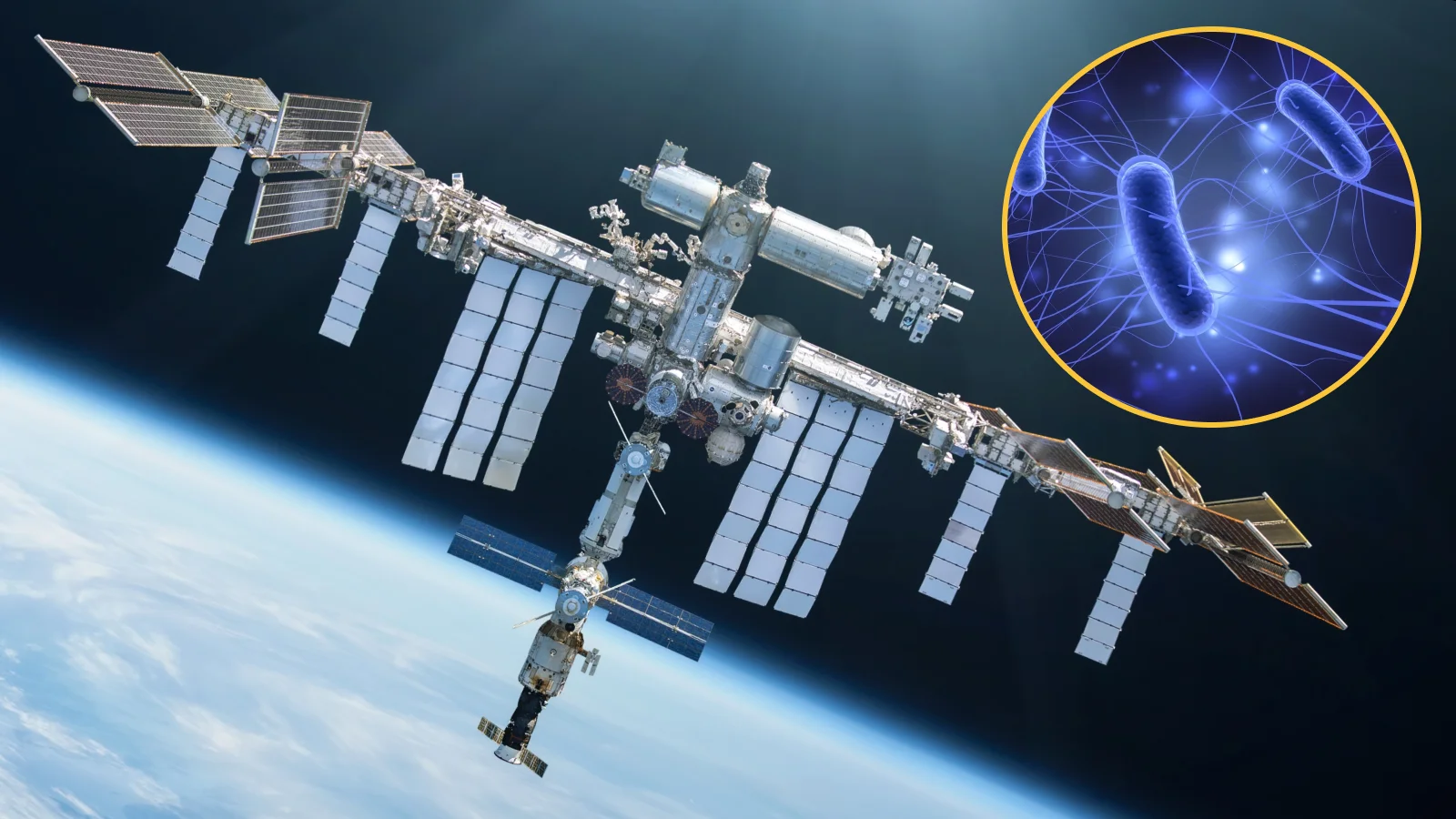
A recent study by an international team of scientists has highlighted the potential impact of prolonged space travel on the human gut microbiome, emphasizing the increased stress from microgravity and space radiation, including Galactic Cosmic Rays (GCR). The researchers recommend further research to understand the risks associated with the space environment and suggest using the International Space Station (ISS) as an ideal environment for testing the human microbiome response to space radiation and microgravity. They stress the need for additional research to estimate the magnitude of adaptation in microorganisms before crewed deep-space exploration can be realized, as it has the potential to identify potential pathogens and develop strategies to prevent their spread during missions.