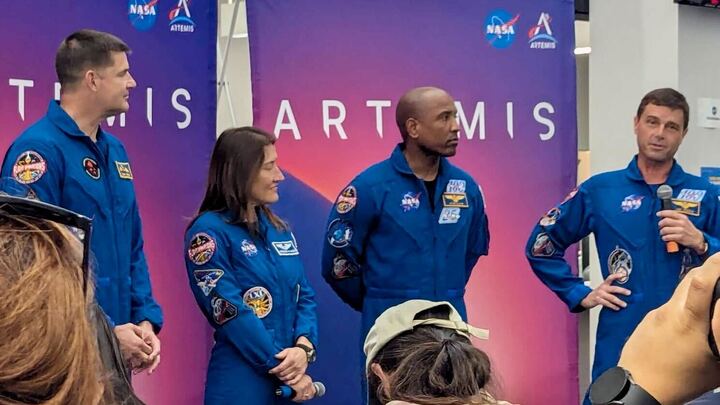
NASA's Artemis 2 mission will serve as a platform for studying the effects of deep space on human health, with astronauts acting as subjects for experiments on sleep, stress, immune response, and radiation, while also testing innovative biomedical technologies like organ-on-a-chip devices, to better understand and prepare for long-duration space travel beyond low Earth orbit.
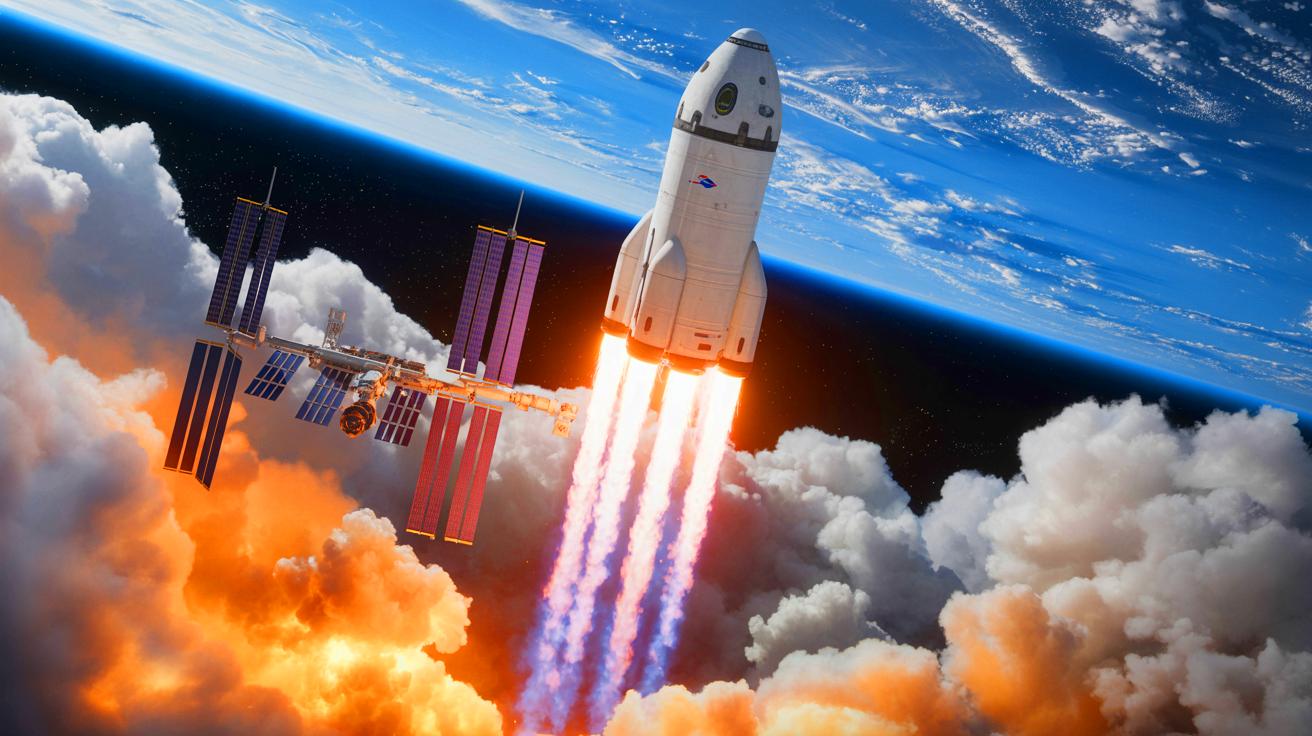
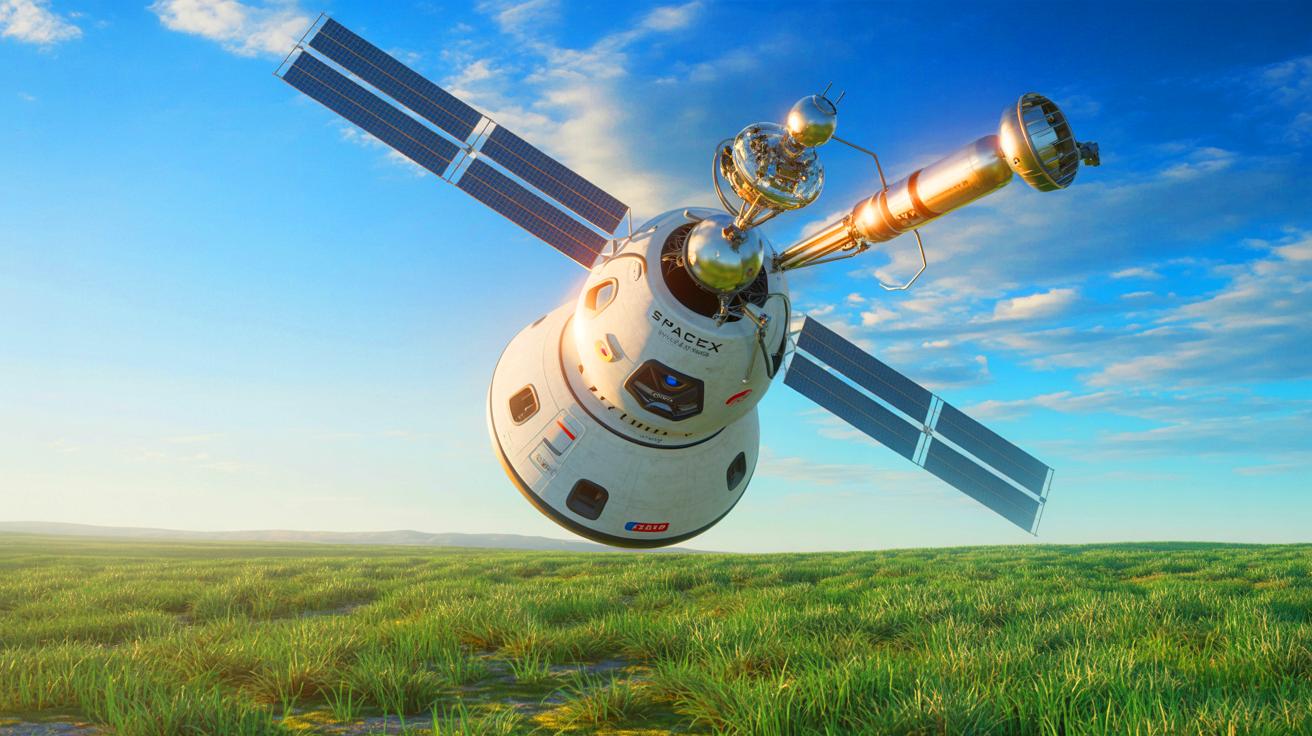
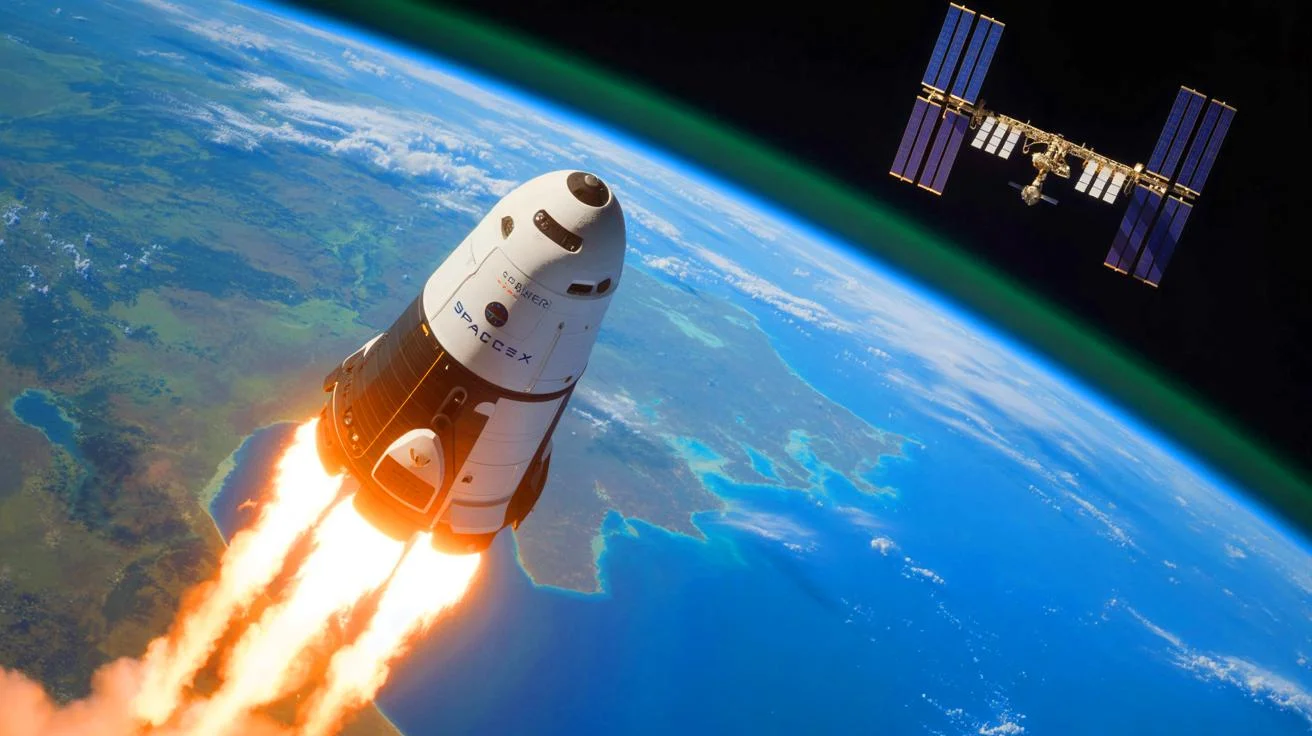
SpaceX's Dragon capsule returned from the ISS with 6,700 pounds of advanced equipment, including materials tested for durability in space, innovative robots for satellite servicing, hyperspectral imaging technology, and educational materials, marking significant progress in space technology and exploration.
SpaceX's Dragon capsule returned from the ISS with 6,700 pounds of innovative technology, including materials tested for durability in space, advanced robotic systems for satellite servicing, hyperspectral imaging technology, and educational materials, highlighting significant advancements in space exploration and science.
SpaceX's Dragon capsule returned from the ISS with 6,700 pounds of advanced technology and experiments, including materials testing for deep space, innovative robotics for satellite servicing, space imaging advancements, and educational materials, marking significant progress in space exploration and technology development.
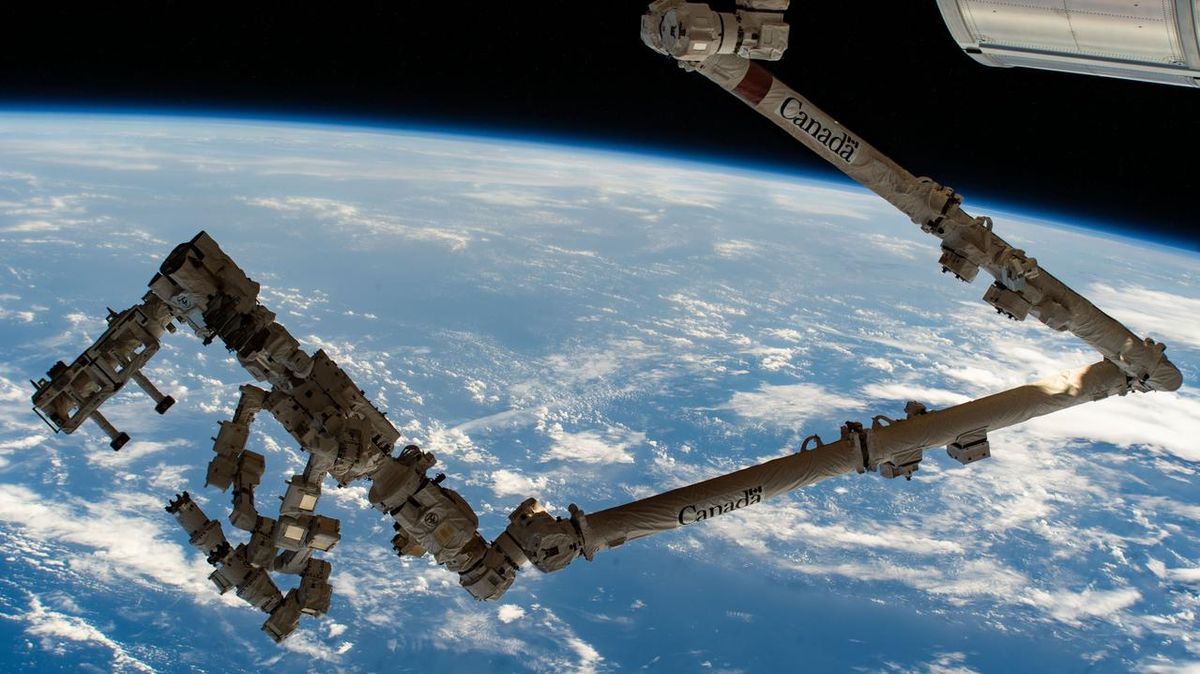
NASA astronaut Don Pettit captured a video of the Canadian Space Agency's Dextre robot performing a science experiment on the International Space Station. The footage, shared on social media, shows Dextre working with the Materials International Space Station Experiment (MISSE) to test material durability in space. The Canadarm2 and Dextre, managed by MDA Space, are key robotic assets on the ISS, contributing to various tasks including spacecraft capture. Pettit, known for his space photography, continues to document space missions and phenomena during his time on the ISS.
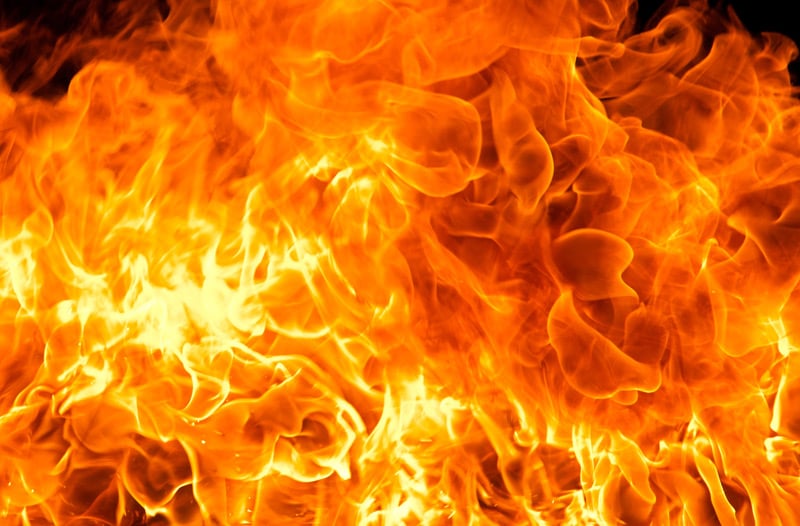
NASA concludes its Spacecraft Fire Safety Experiment (Saffire) with the final test onboard a Northrop Grumman Cygnus spacecraft after it departed from the International Space Station (ISS). The purpose of Saffire was to study large-scale flame growth and material flammability in an ISS-like environment, providing critical data for spacecraft design and astronaut safety. The experiments, including the recent Saffire-VI, have yielded valuable insights into fire behavior in microgravity, with the aim of informing future spacecraft and missions.
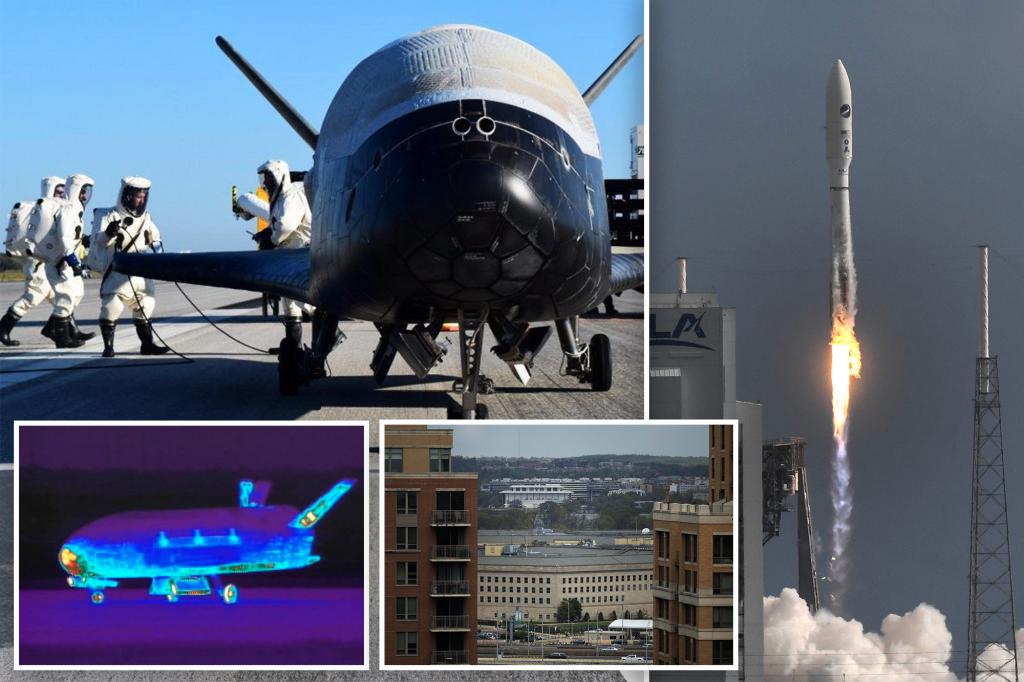
The US Space Force's X-37B unmanned drone, known for its mysterious missions, is set to launch again, potentially reaching higher orbits than previous missions. Speculation suggests that the spacecraft may be used to search for threats from enemy satellites. The upcoming flight, dubbed OTV-7, will carry groundbreaking experiments to enhance space operations and test future space domain awareness technologies. The X-37B has previously been used to test new technologies and deploy small satellites. The program's purpose and budget remain classified, adding to its mystique. China has also developed its own secretive reusable spaceplane, the Shenlong, amid concerns of weaponization of space.