EU countries are struggling to meet Ukraine's financial needs, with Norway being urged to use its sovereign wealth fund to support Ukraine, but Norway's government is cautious and reviewing its involvement amid ongoing debates and financial constraints within the EU.
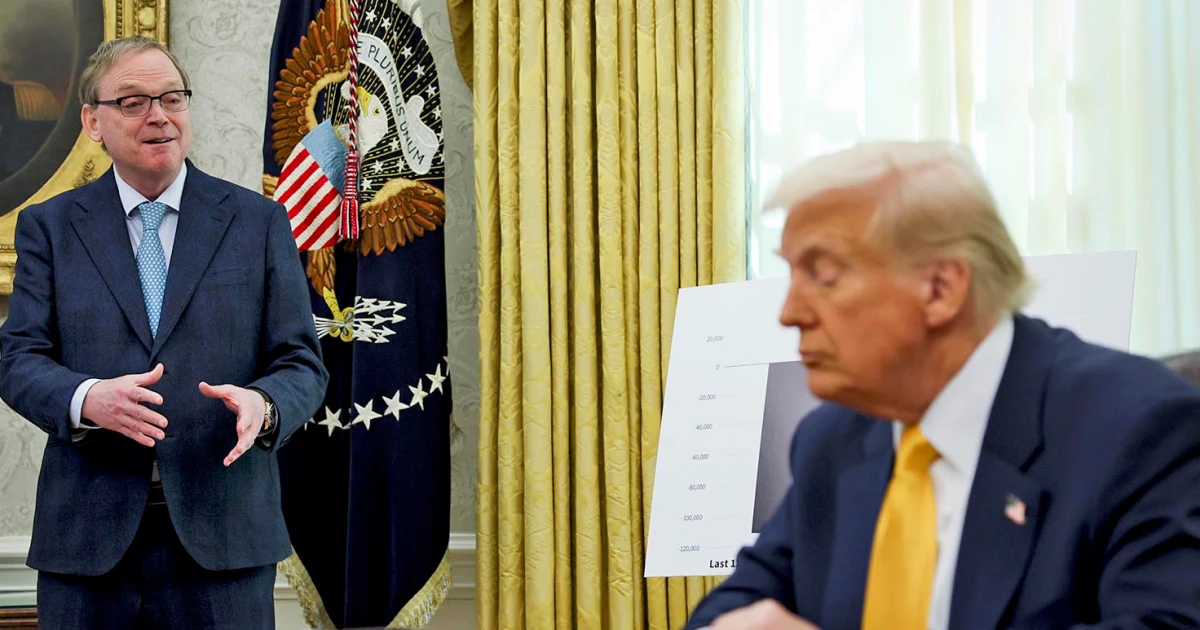
The U.S. government, under the Trump administration, plans to take ownership stakes in more companies, starting with nearly 10% in Intel, as part of a strategy to build a sovereign wealth fund, raising questions about government influence in private industry.
The U.S. government, under advisement from Trump officials, may increase its equity stakes in companies, exemplified by its recent nearly 10% investment in Intel through funds from the CHIPS Act, potentially establishing a sovereign wealth fund-like structure to support domestic industries and investments.
Russia's ruble remains weak, valued at less than a penny, despite the central bank's halt on foreign currency purchases. The ruble has fallen 20% against the dollar this year, exacerbated by U.S. sanctions on Russian banks. While this could make exports cheaper, it risks increasing inflation due to more expensive imports. Russia's sovereign wealth fund, used to support the ruble, has dwindled from $140 billion to $55 billion since the Ukraine invasion, leaving the economy vulnerable to energy price fluctuations. The central bank maintains high interest rates, but further hikes could strain the economy.
Norway's Government Pension Fund Global, the world's largest sovereign wealth fund, reported a first-quarter profit of $110 billion, driven by strong returns on its investments in technology stocks. The fund's equity investments yielded 9.1%, while fixed income and real estate investments saw negative returns. Established in the 1990s to invest surplus revenues from Norway's oil and gas sector, the fund has investments in over 8,800 companies across 70 countries. Despite concerns about the performance of tech giants like Apple and Tesla, the fund's deputy CEO noted a more nuanced market outlook for these companies.
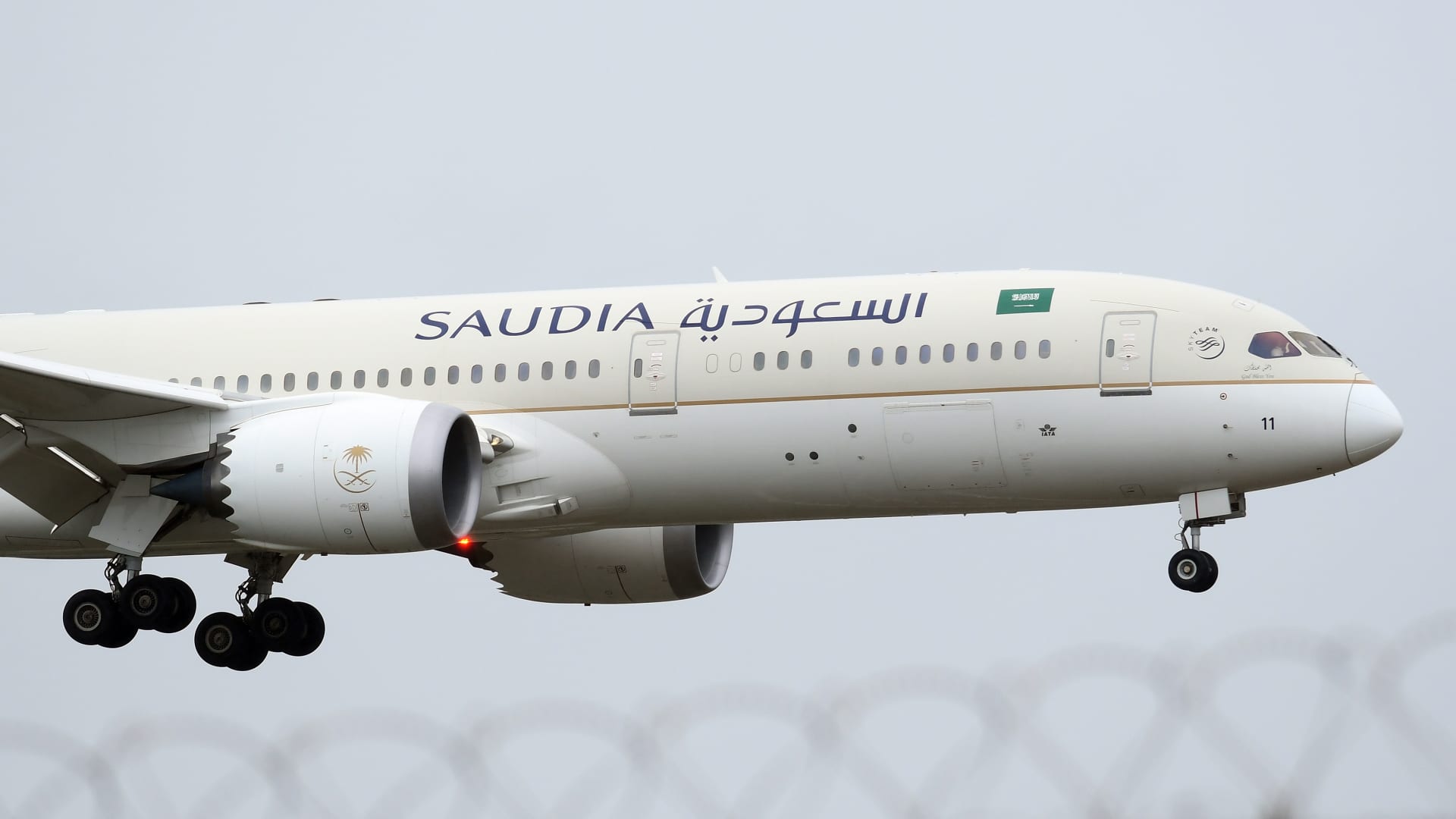
Saudi Arabia's sovereign wealth fund, the Public Investment Fund (PIF), is reportedly in talks to acquire the national airline Saudia as part of its strategy to invest in tourism and transport assets and diversify the kingdom's economy away from oil. The potential acquisition could lead to increased efficiency and profitability for the airline, with the PIF considering options such as privatization or merging Saudia with Riyadh Air, another airline it owns. Talks are in early stages and the valuation of the airline is yet to be determined.
Turkey's sovereign wealth fund is testing investor appetite with a $500 million bond deal, aiming to gauge interest in the country's financial markets.
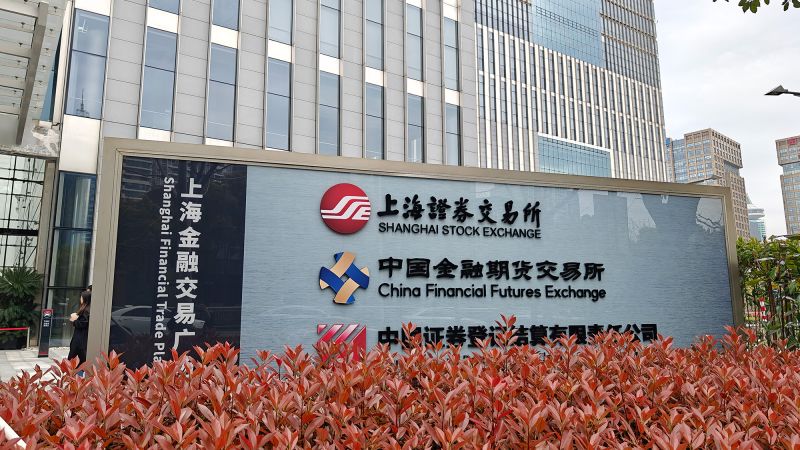
Chinese stocks experienced a significant rally after the country's sovereign wealth fund announced plans to increase share purchases, with the Shanghai Composite and Shenzhen Component Index both posting substantial gains. This move follows a three-year market downturn and a recent $6.1 trillion market value loss. Beijing's intensified efforts to stabilize the stock market include encouraging institutional investors to enter the market, but underlying economic challenges persist, such as weak demand, deflationary pressures, a struggling real estate sector, and escalating trade tensions with the United States.
Norway's sovereign wealth fund, the world's largest, reported a record profit of $213 billion in 2023, driven by strong returns on its investments in technology stocks. The fund's return on investment was 16.1%, slightly lower than its benchmark index, with significant gains in equity investments. Despite geopolitical tensions and inflation, the fund's CEO highlighted the negative impact on economic growth and world trade, as well as increased freight costs.
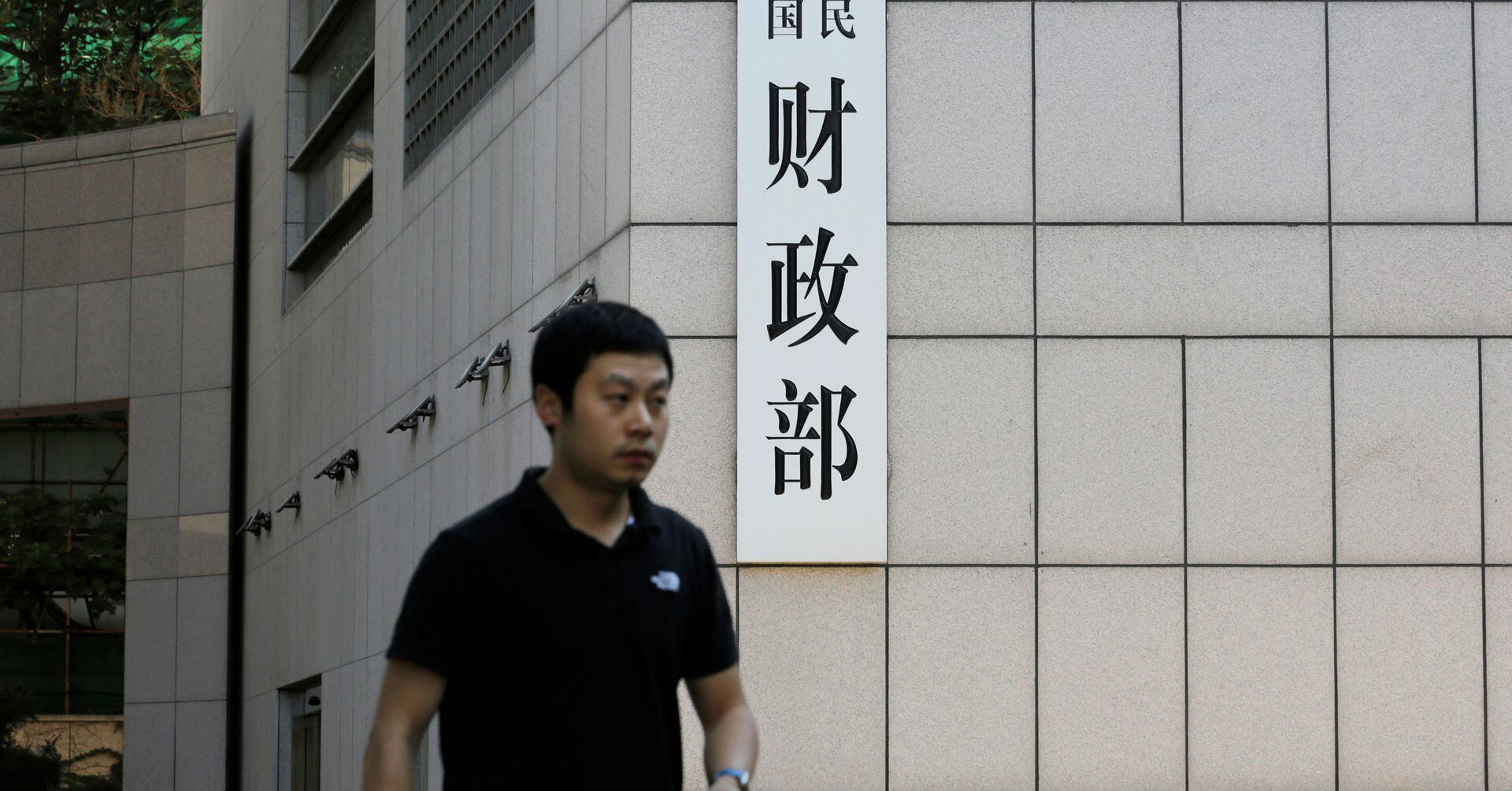
China plans to merge three state-owned bad debt asset managers with its sovereign wealth fund, China Investment Corp, as part of market reform efforts to strengthen capital markets and improve confidence. This move comes amid a stock market rout and financial risks stemming from a real estate debt crisis, prompting Beijing to take actions such as suspending the lending of restricted shares and implementing policies to ease the cash crunch for Chinese developers. The real estate troubles are impacting consumer and broader economic growth in the world's second-largest economy.
China plans to merge three major asset management companies - China Cinda Asset Management, China Orient Asset Management, and China Great Wall Asset Management - into the sovereign wealth fund China Investment Corp (CIC) as part of a financial reform plan. This move aligns with the government's commitment to separate its roles as regulator and shareholder of state-owned financial institutions, aiming to curb risk in the nation's financial industry amid economic challenges. The Ministry of Finance, the largest shareholder of the three AMCs, is driving this consolidation, while another troubled asset manager, China Huarong, was excluded from the merger.
Norway's sovereign wealth fund, the world's largest stock market investor, has called on Tesla to respect fundamental labor rights, including collective bargaining. The fund, which is Tesla's seventh-largest shareholder, expressed its expectation that companies it invests in should uphold human rights and engage with workers and their representatives. Tesla has faced criticism from unions and pension funds in the Nordic region for refusing to accept demands for collective bargaining rights from Swedish mechanics. The company's board recommended against a shareholder proposal to adopt a policy of respecting labor rights, which received support from 32% of voters. Some pension funds, including Denmark's PensionDanmark, have divested their holdings in Tesla due to the ongoing conflict.
Norway's $1.4 trillion sovereign wealth fund, the world's largest, reported a loss of $34 billion in the third quarter due to drops in the value of equities and bonds. The fund's return on investment was -2.1%, with equities, fixed income, and real estate assets all experiencing losses. The decline may be attributed to rising interest rates. The fund expressed concern about the concentration of growth in a few large U.S. tech companies. It also has minimal exposure to Israel and is monitoring the situation in the region.
Norway's $1.4 trillion sovereign wealth fund, the world's largest, reported losses of 2.1% in the third quarter, amounting to $34 billion, as all asset classes fell in value. The fund cited a weaker three-month period compared to the first half of the year, with the stock market performing poorly, particularly in the tech, industrials, and consumer discretionary sectors. The losses come amidst longer-term concerns about the broader economic environment. Equities made up 70.6% of the fund's investments at the end of the third quarter.
Norges Bank Investment Management (NBIM), the operator of Norway's $1.4 trillion sovereign wealth fund, is closing its Shanghai office and shifting its operations to Singapore, signaling a trend of global companies diversifying away from China. The closure is driven by operational considerations and does not impact the fund's investments or strategy in China. This move follows similar actions by other international investors amid growing uncertainty in doing business in China. China's economy is facing challenges, including a real estate slump and record unemployment, while Beijing's crackdown on Western firms and expanded espionage laws have further unnerved foreign businesses.