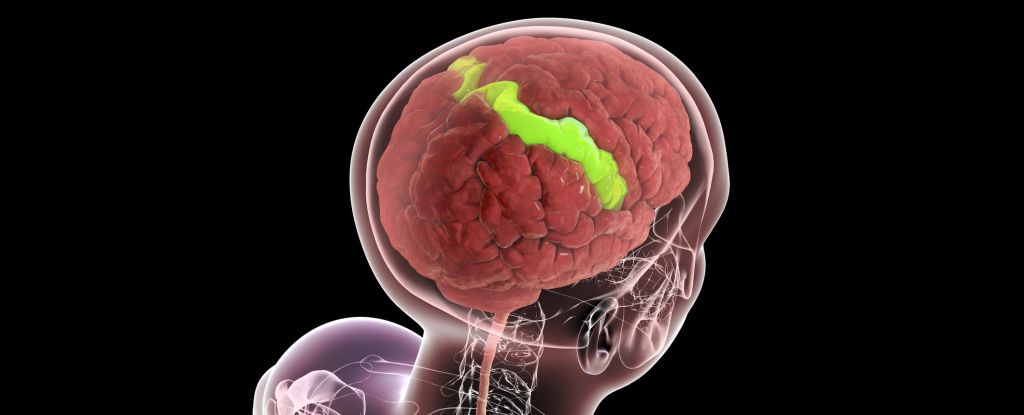
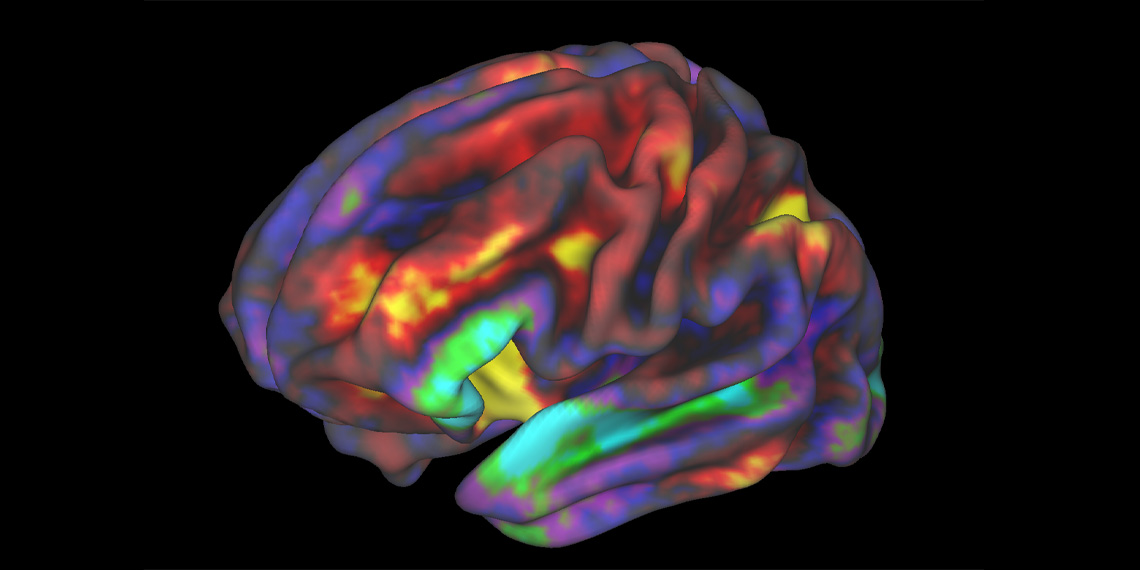
New research indicates that certain layers of the brain's somatosensory cortex actually grow stronger with age, suggesting that neuroplasticity persists into older age and that the brain can adapt and strengthen through use, challenging the idea that brain degeneration is inevitable with aging.
A new study using optogenetics has revealed that the perception of time is intertwined with the sense of touch, with the somatosensory cortex playing a dual role in processing both tactile sensations and time perception. The research demonstrates that the perception of time is rooted in a widespread network of brain areas, shedding light on the intricate interplay between the sense of touch and the sense of time. This insight opens new avenues for understanding the complex relationship between sensing the external world and sensing time.
A groundbreaking study published in Nature Communications reveals a link between the sense of touch and time perception, demonstrating the crucial role of the somatosensory cortex in how we perceive the duration of tactile experiences. Utilizing optogenetics, researchers found that increasing neuronal activity in this brain region led to altered perceptions of both intensity and duration of tactile stimuli in rats. The study challenges the traditional view of time perception and suggests an integrated approach to understanding sensory experiences, while also providing a theoretical framework for linking neural processes to subjective experiences.
The homunculus is a miniature map of the body that exists in the somatosensory cortex of the brain and is responsible for mapping out the body. Different parts of the body take up different amounts of space in the homunculus, depending on how sensitive they are. The homunculus was discovered through years of research and experiments on animals and humans. It has helped researchers to understand the relationship between brain functions and movement and to study the effects of brain damage on movement and sensation in corresponding body parts. The homunculus has also been used to explain some neurological disorders, such as Phantom Limb Pain.