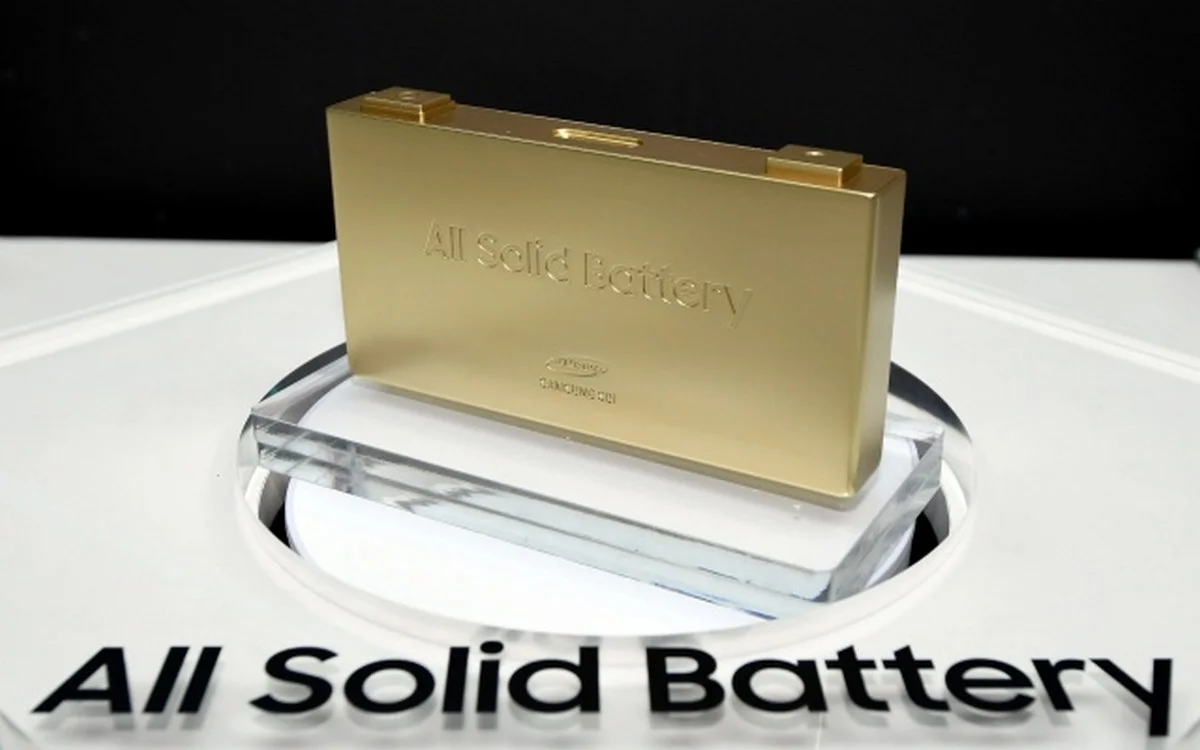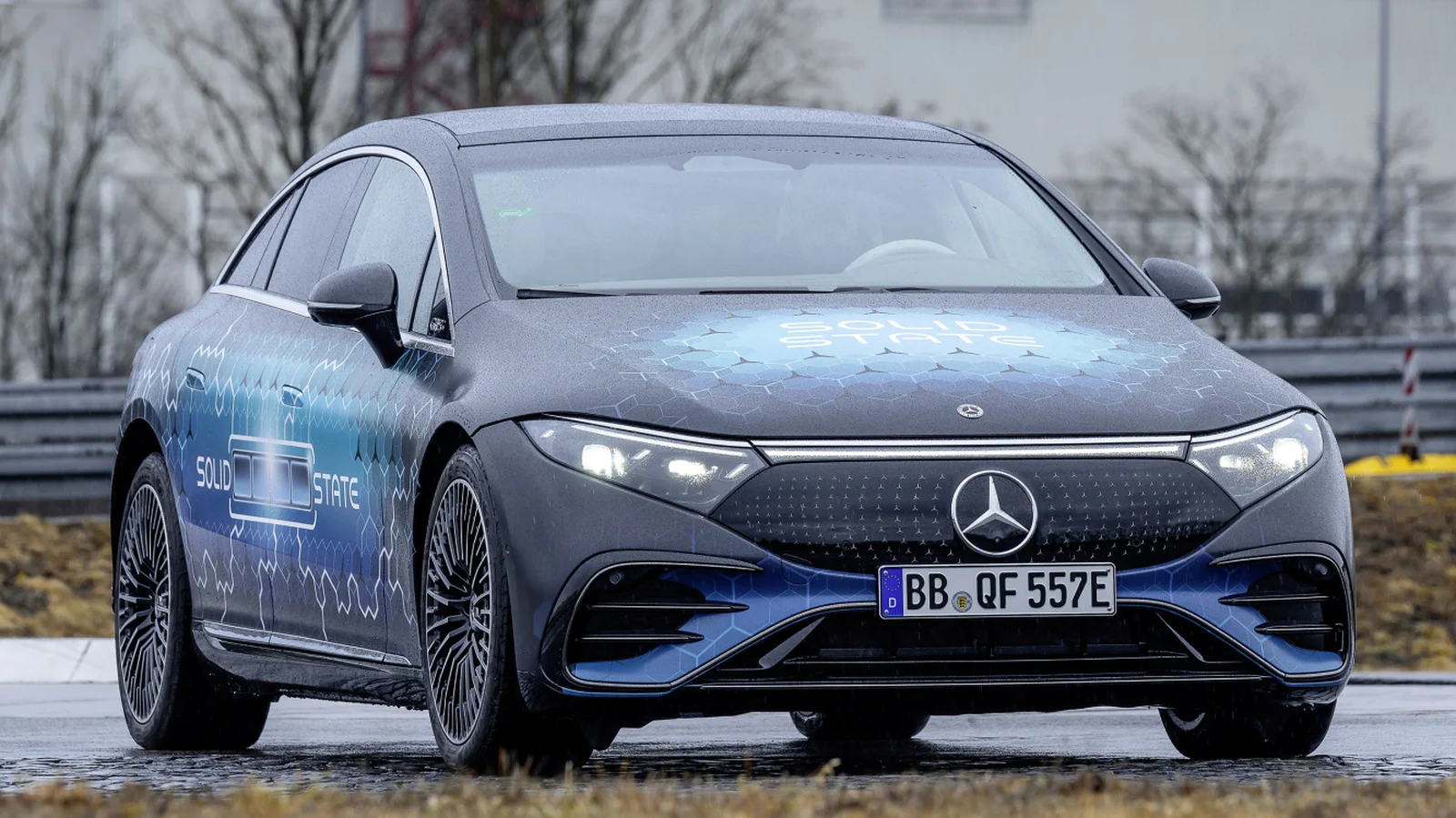
Samsung is preparing to mass-produce solid-state batteries with a 600-mile range that can charge in 9 minutes, aiming for market release next year, in partnership with BMW and Solid Power, promising safer, more efficient energy storage for electric vehicles and devices.
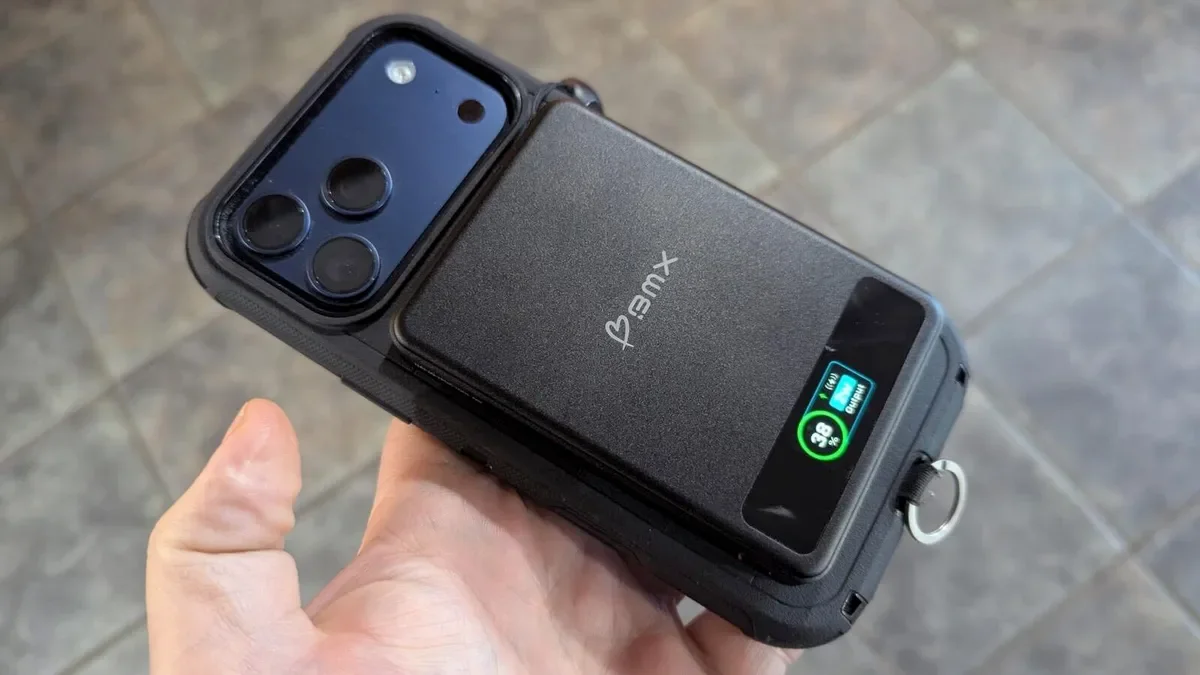
The Kuxiu S3 10,000mAh MagSafe battery pack offers a reliable, versatile, and efficient power solution with solid-state battery technology, supporting fast wireless and wired charging for multiple Apple devices, making it a great all-in-one portable charger.
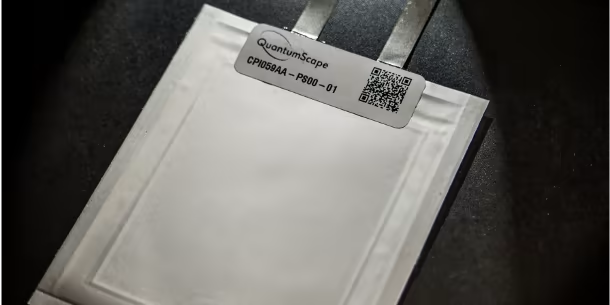
QuantumScape has achieved its 2025 goal of expanding its commercial engagement, including signing a joint development agreement with a top-10 global automaker, marking a successful year of collaborations and partnerships in the battery industry.
Researchers have developed a sodium-based solid-state battery that performs reliably from room temperature to below freezing, offering a cheaper and more environmentally friendly alternative to lithium batteries, and advancing the field of energy storage technology.
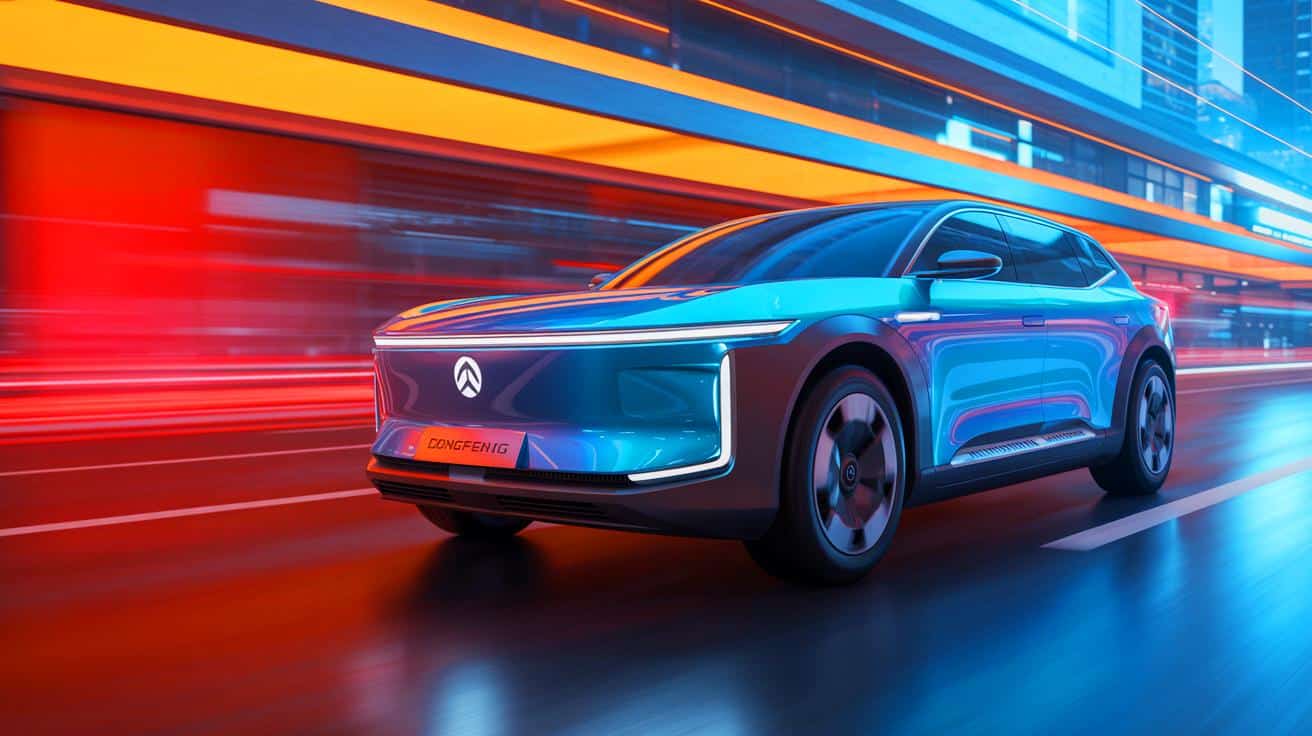
Dongfeng Motor Corporation is transforming its brand structure and advancing its electric vehicle technology, including plans for solid-state batteries with over 620 miles range by 2026 and a groundbreaking 5-minute, 280-mile fast charge capability, supported by collaborations with Huawei for smart features and driver assistance systems.
QuantumScape's stock surged 44% after announcing a key milestone in solid-state EV battery technology, specifically the baseline production of its improved Cobra separator process, bringing the company closer to commercial viability by 2026, with Volkswagen as a major early adopter.
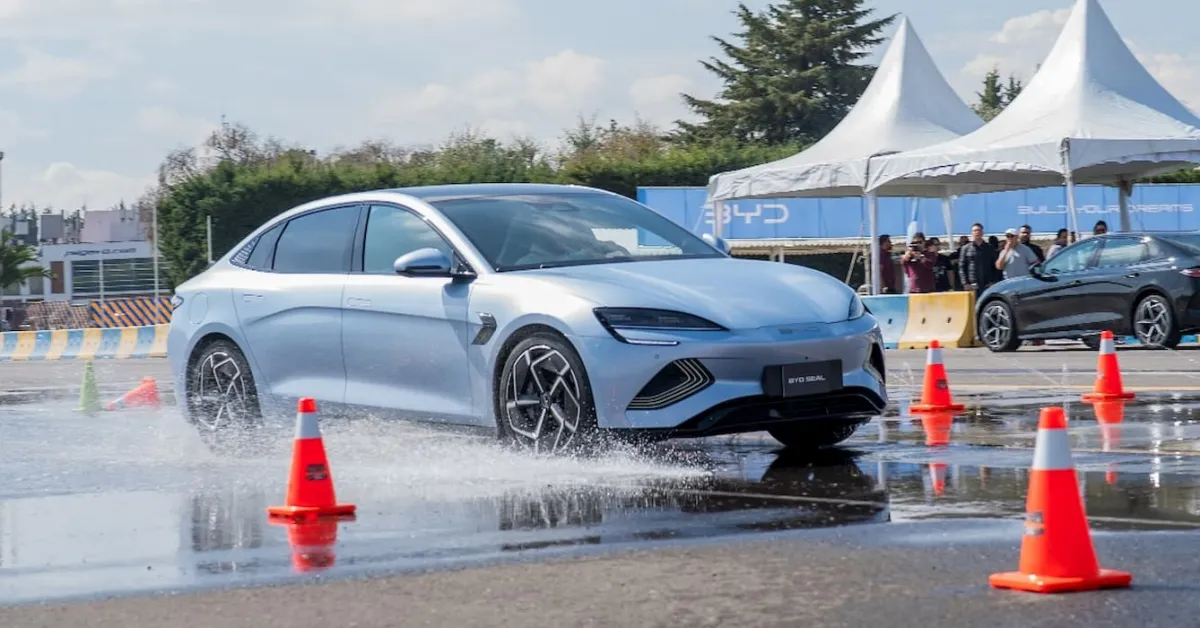
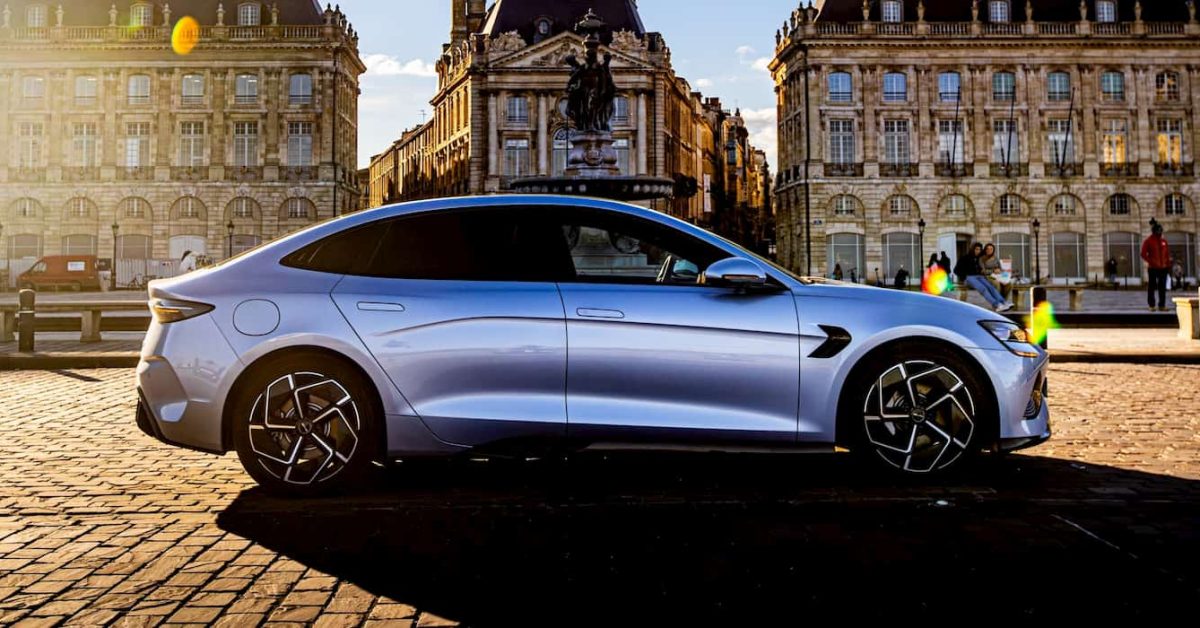
BYD is testing solid-state EV batteries in its Seal sedan, with initial results suggesting a range of nearly 1,200 miles, and plans to start mass production by 2030, potentially revolutionizing electric vehicle performance and cost.
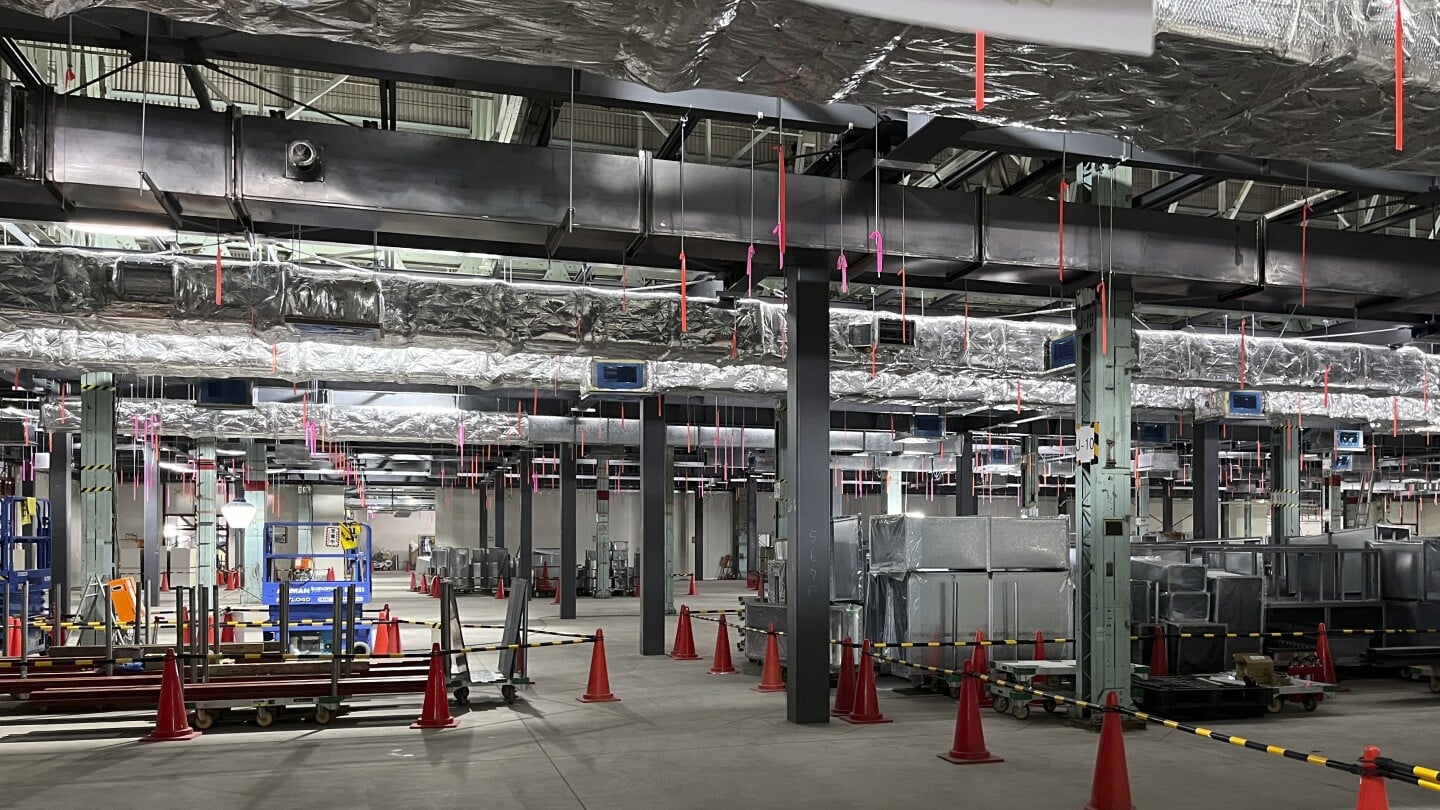
Nissan plans to mass produce electric vehicles with advanced next-generation solid-state batteries by early 2029, aiming to catch up with and potentially surpass competitors like Tesla and BYD. The company's unfinished pilot plant is scheduled to begin operating a pilot production line by March 2025, with commercial production of EVs set to start in fiscal year 2028-2029. Nissan officials highlighted the potential for solid-state batteries to be more powerful, cheaper, safer, and faster to charge than current lithium-ion batteries, with plans to offer them in a range of models, including pickup trucks.
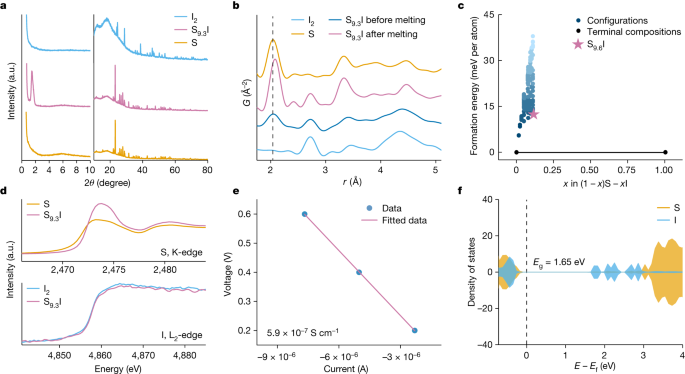
Researchers have developed a healable and conductive sulfur iodide material for use in solid-state lithium-sulfur batteries, which are known for their high energy storage potential. The study's data is available upon request from the corresponding author. The research builds on previous work in the field of all-solid-state batteries and offers potential advancements in battery technology.
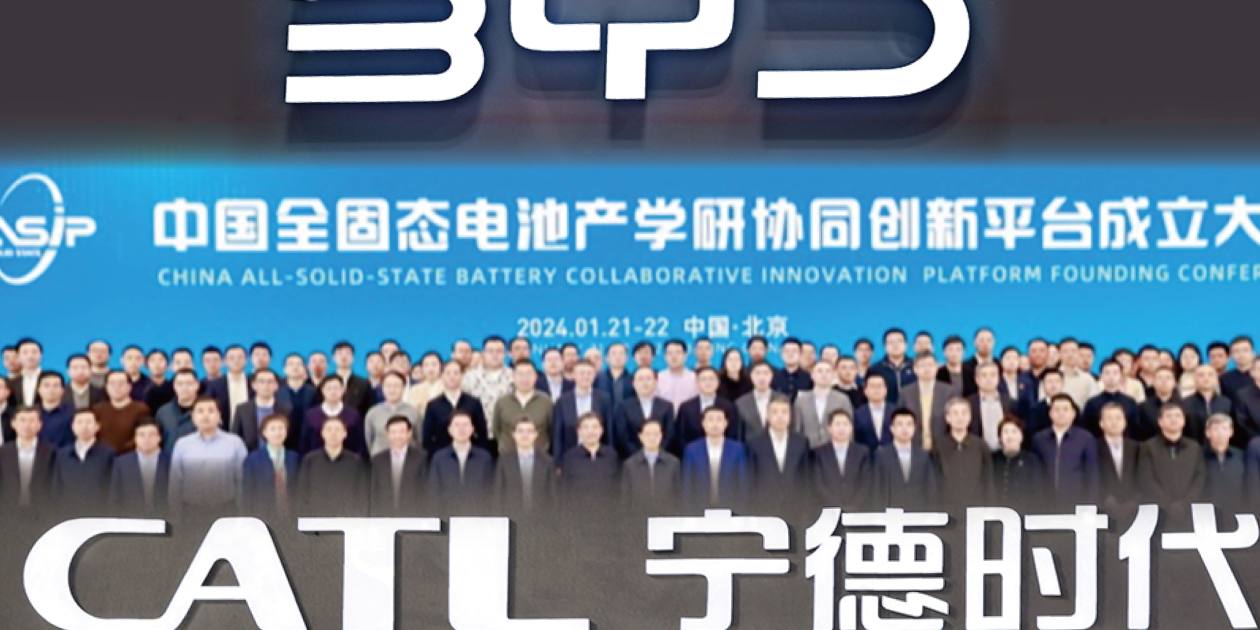
Chinese automakers and battery giants, including BYD, CATL, and NIO, have formed an alliance called the China All-Solid-State Battery Collaborative Innovation Platform (CASIP) to develop all solid-state EV batteries. This alliance aims to commercialize solid-state batteries and establish a supply chain, with a focus on boosting research and development of next-gen EV battery tech. The goal is to ensure China remains ahead in the global EV battery market, as six of the top ten global battery makers collaborate to bring solid-state EV batteries to market.
China's government, academia, and industry have formed a consortium called CASIP to accelerate the development of solid-state batteries, aiming to establish a supply chain for these batteries by 2030. This initiative brings together major players in the electric vehicle market, including CATL and BYD, and poses a challenge to Japan and the West in the race to commercialize this potentially revolutionary technology.
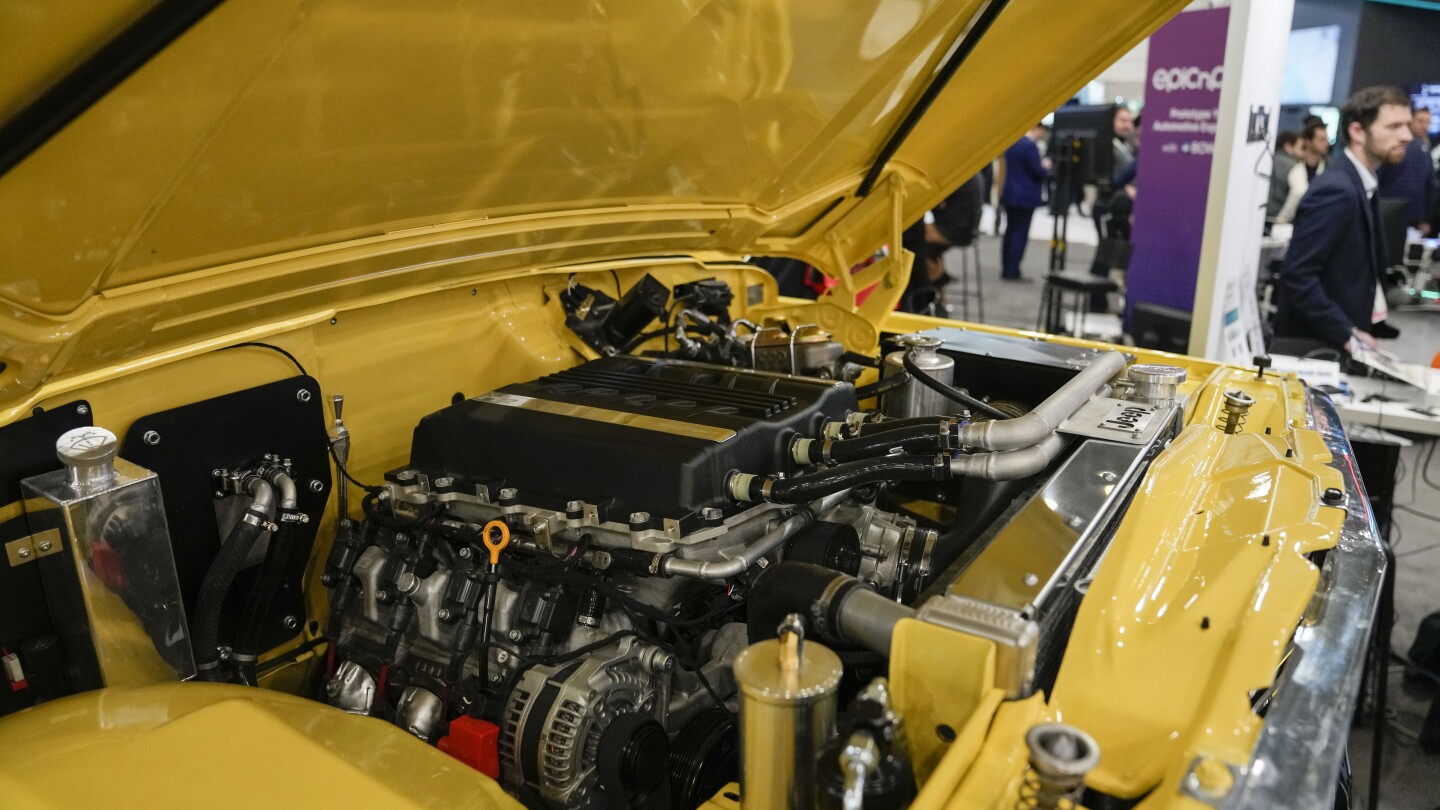
At CES 2024, Hyundai and Bosch Mobility showcased their plans for hydrogen energy utilization, buoyed by government investments. Honda unveiled "thin, light and wise" EV concepts, while Kia introduced electric vans with interchangeable body modules. Mercedes-Benz and other automakers are enhancing in-car tech ecosystems, with some partnering with Google for pre-installed apps. Additionally, Honda and Toyota are eyeing the development of solid-state batteries for future EVs, aiming for improved stability, power, and energy density.
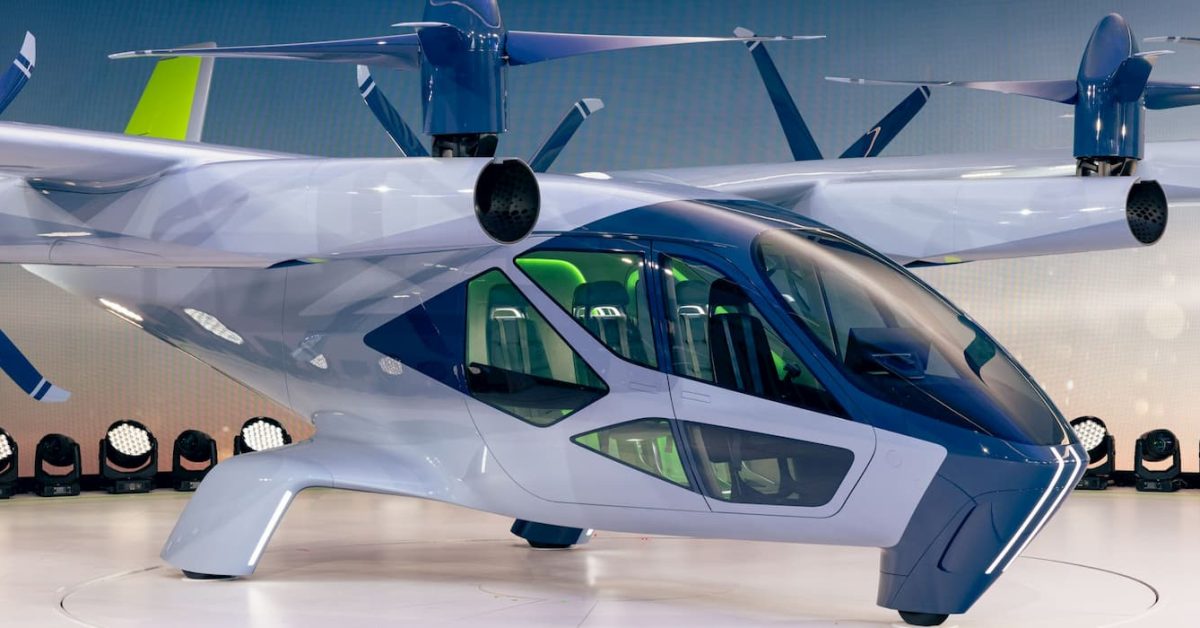
Hyundai's advanced air mobility company, Supernal, unveiled its electric flying taxi, the S-A2, at CES, which is designed for city travel with 25 to 40-mile trips and could be powered by solid-state batteries. The four-passenger eVTOL is set to operate quietly and is designed to cruise at 120 miles per hour at 1,500 feet. Hyundai plans to apply for certification in the US in mid-2024 and begin flight tests by the end of 2024, with an official launch targeted for 2028.
Researchers at Harvard's John A. Paulson School of Engineering and Applied Sciences have developed a new solid state lithium metal battery that can be charged and discharged at least 6,000 times, lasting over 16 years of daily cycles. The battery, published in Nature Materials, uses micron-sized silicon particles in the anode to prevent dendrite formation, allowing for quick recharging in about 10 minutes. The technology has been licensed to Adden Energy, a Harvard spinoff company, and offers potential for new materials in battery design. While this advancement may not significantly reduce costs, it could help sustain the momentum of electrification in the market.
Toyota plans to produce solid-state batteries for electric vehicles (EVs) starting in 2027, but initial production will be limited to "several hundred tons" per year, translating to "over ten thousand vehicles." Mass production is expected to begin in 2030, with production increasing to "several thousand tons" annually. This limited availability may result in the batteries being used in a low-production Lexus flagship EV. However, it means it will be a while before consumers can purchase an electric Corolla or RAV4.