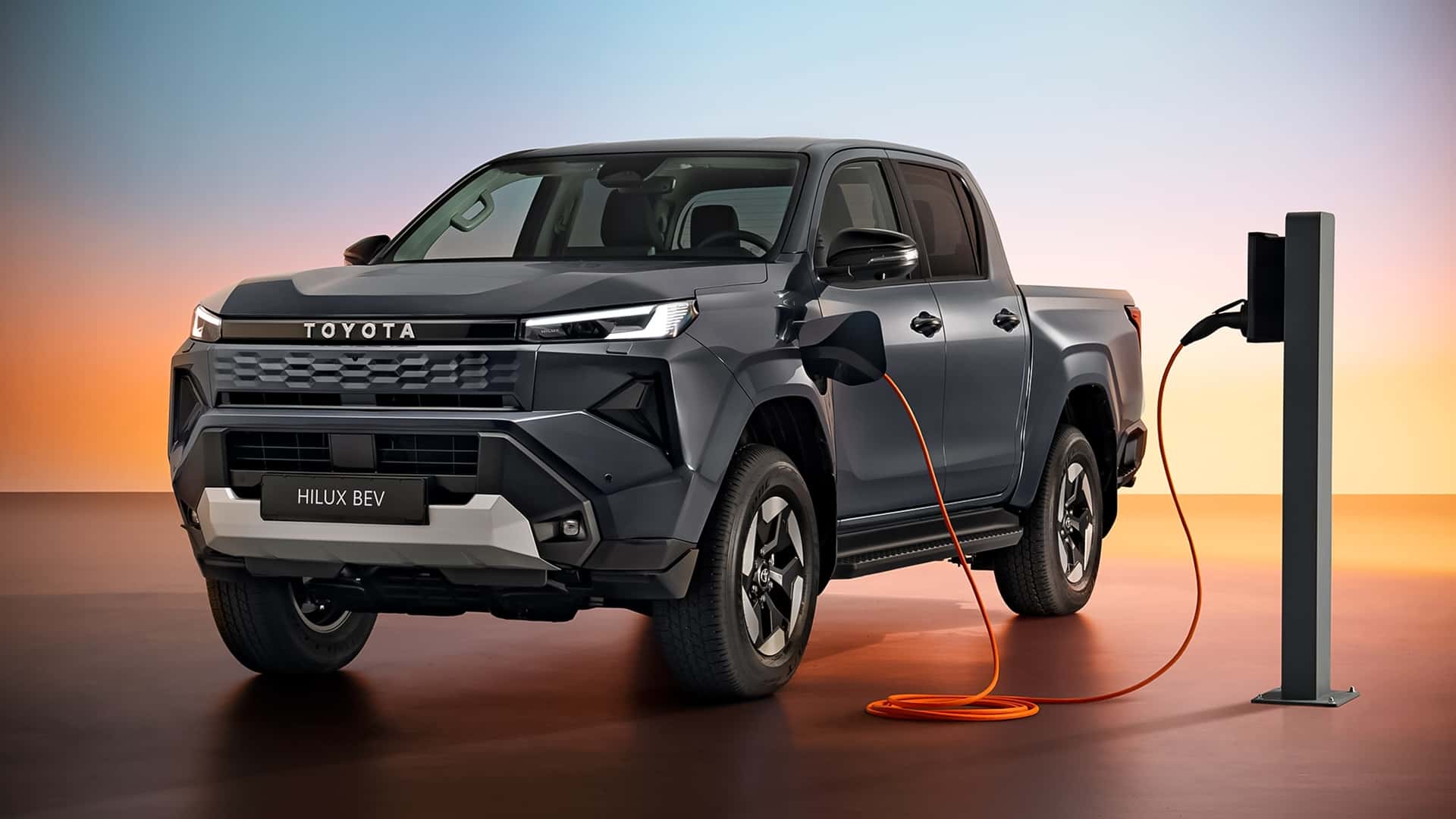
Toyota has launched the ninth-generation Hilux as an electric vehicle in Thailand, featuring a dual-motor setup, a 59.2 kWh battery with a range of about 150 miles, and options for hybrid and hydrogen fuel cell variants, with sales starting in Europe in December.
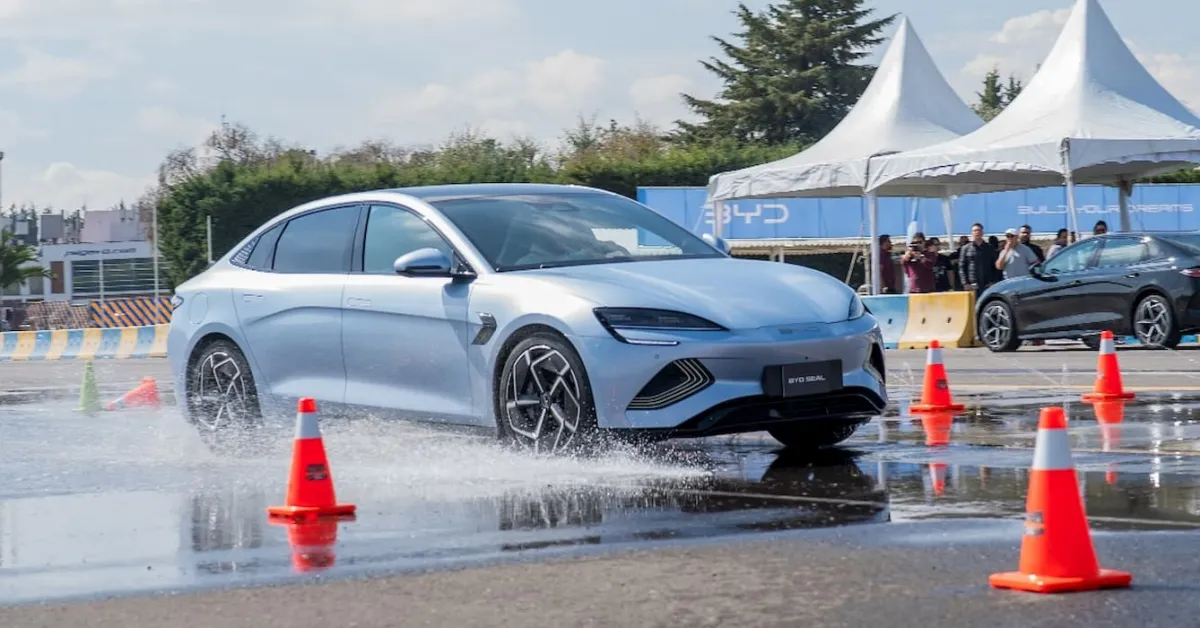
BYD is testing solid-state EV batteries in its Seal sedan, with initial results suggesting a range of nearly 1,200 miles, and plans to start mass production by 2030, potentially revolutionizing electric vehicle performance and cost.
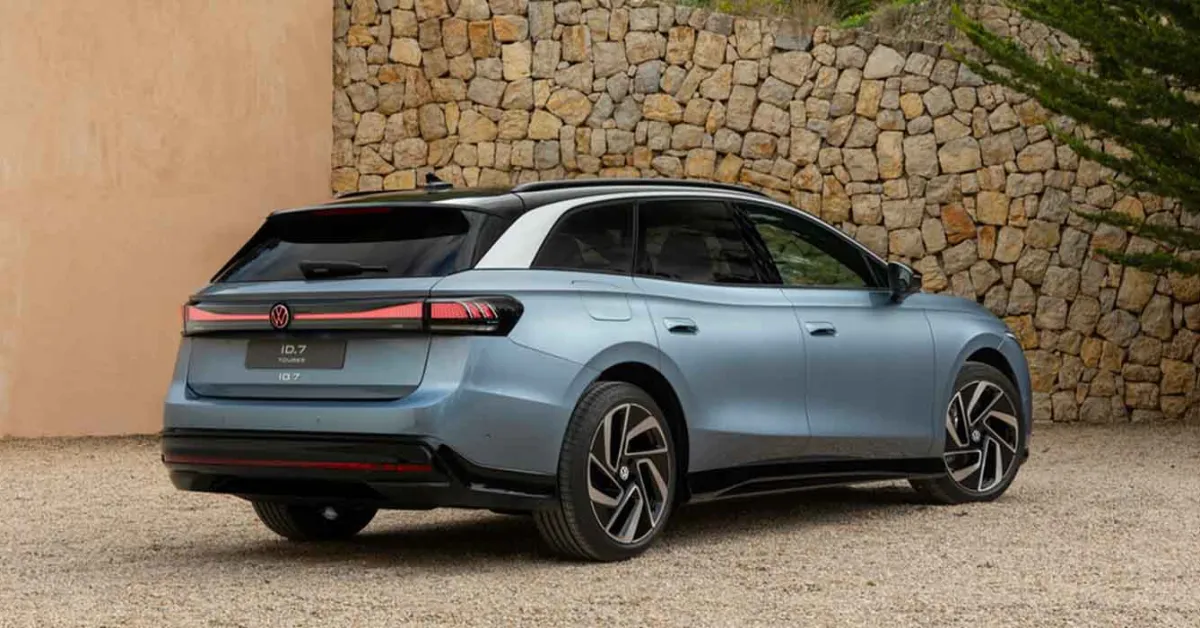
Volkswagen has unveiled the ID.7 Tourer, an all-electric station wagon with added cargo space and an impressive range of up to 685km. Designed for families and long trips, the ID.7 Tourer offers a spacious interior with a cargo capacity of 605 liters and up to 1,714 liters with the rear seats down. It will be available with two different battery sizes, promising competitive charging rates and features such as an augmented-reality head-up display and a panoramic sunroof. Pre-orders are expected to begin in Europe in Q1 2024.
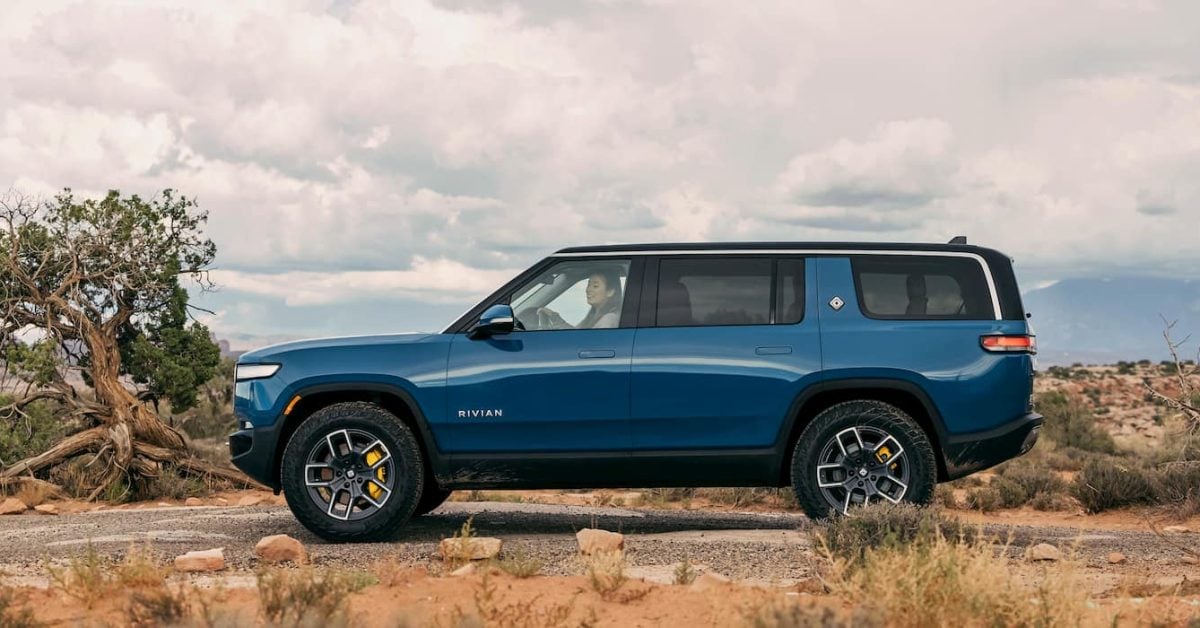
The median range for electric vehicles (EVs) in 2023 has reached 270 miles, a significant increase from previous years and more than enough to cover the average weekly commute for US drivers. With advancements in technology and materials, automakers are enabling longer and more efficient travel for EVs. The average US driver travels around 37 miles per day, making the 270-mile range ample for most weekly commutes. Additionally, the average price of EVs has fallen, making them more competitive with gas-powered vehicles.
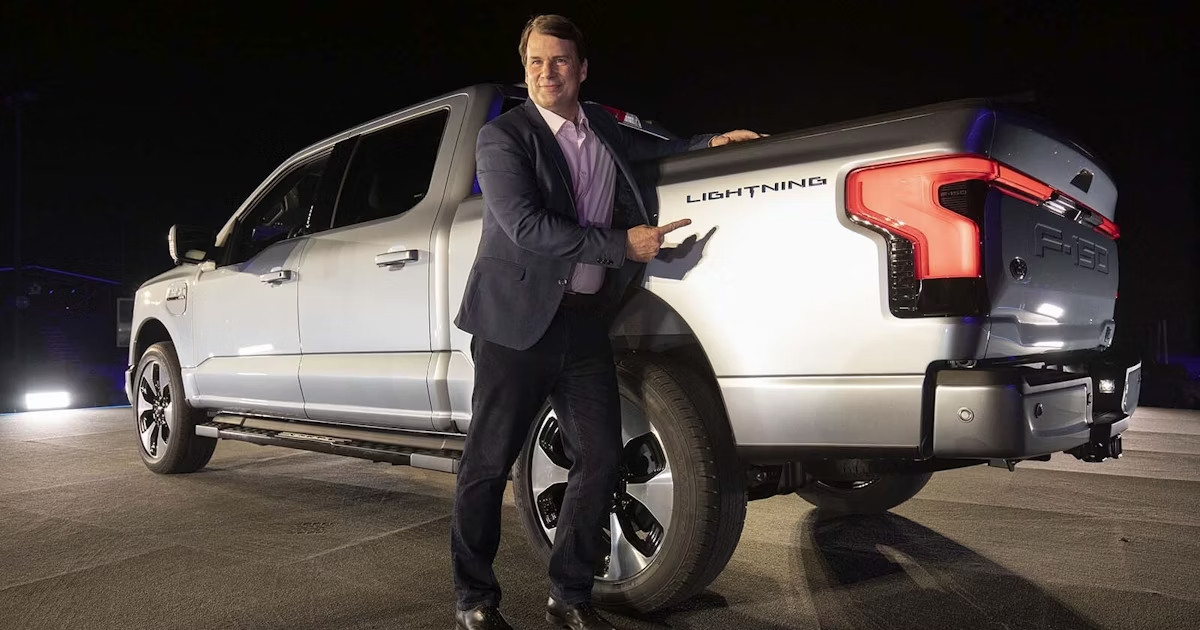
Ford CEO Jim Farley experienced the lengthy charging time of electric vehicles (EVs) firsthand while driving his Ford F-150 Lightning on a road trip across California. Charging at a Level 2 charger, he spent 40 minutes to reach only a 40% charge, highlighting the challenge of EV charging compared to filling up a tank. This comes as Ford invests $50 billion into its EV product line, with significant support from taxpayers. Energy watchdog Robert Bryce criticized Farley's experience, calling it a "reality check" and questioning the company's plan to increase EV production. While some Lightning owners are satisfied, others note limitations such as long charge times and the need for a more extensive charging infrastructure for cross-country trips.
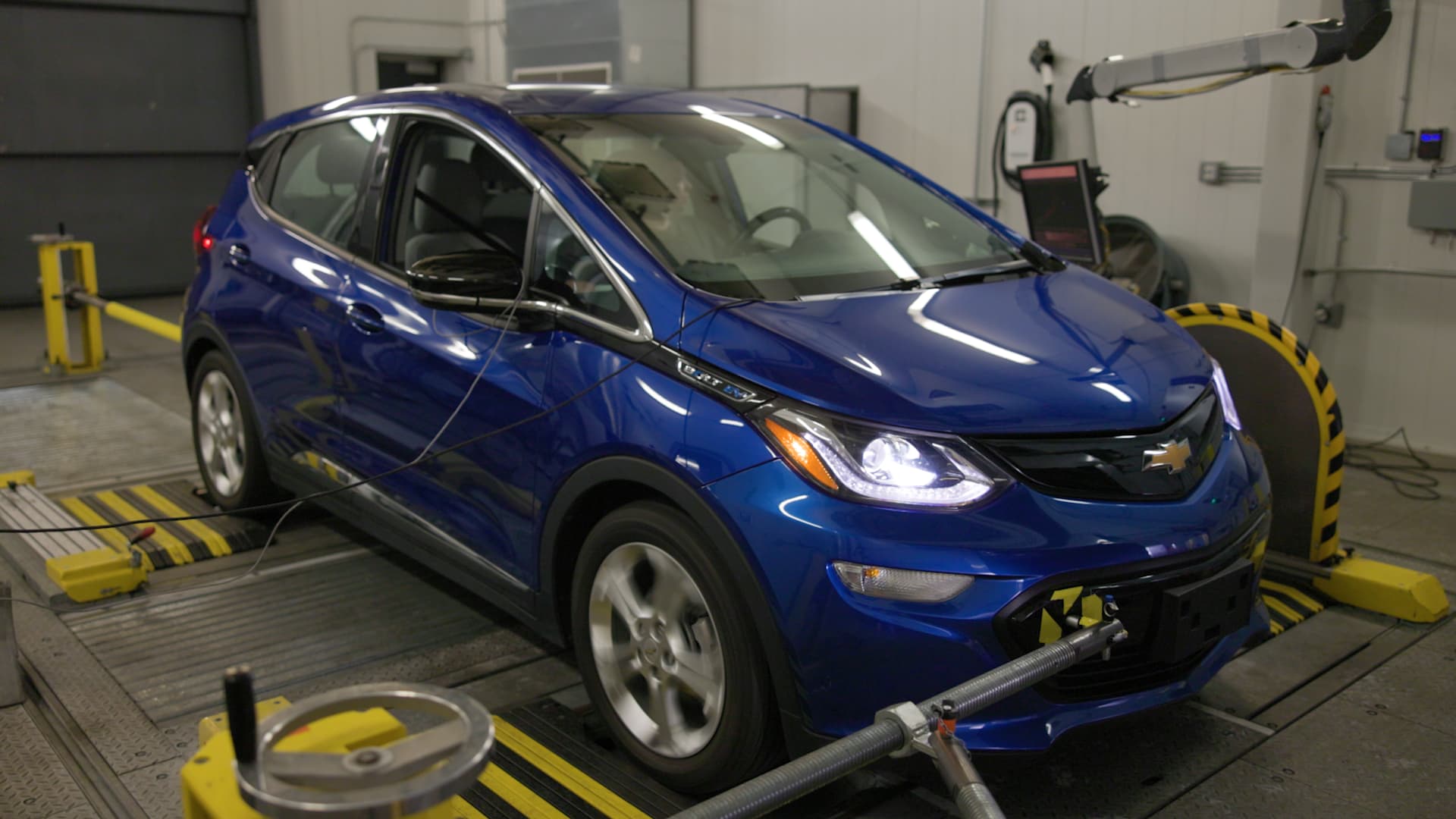
The official government process used to determine the range of electric vehicles (EVs) has potential flaws, as the tests conducted by the U.S. Environmental Protection Agency (EPA) do not account for real-world driving conditions and can be manipulated by automakers. Independent tests have shown discrepancies with the EPA's range ratings, and critics argue that the labels are inconsistent with those used for gas vehicles. As EV technology continues to evolve rapidly, the EPA's testing process needs to be updated to provide more accurate and reliable range information.
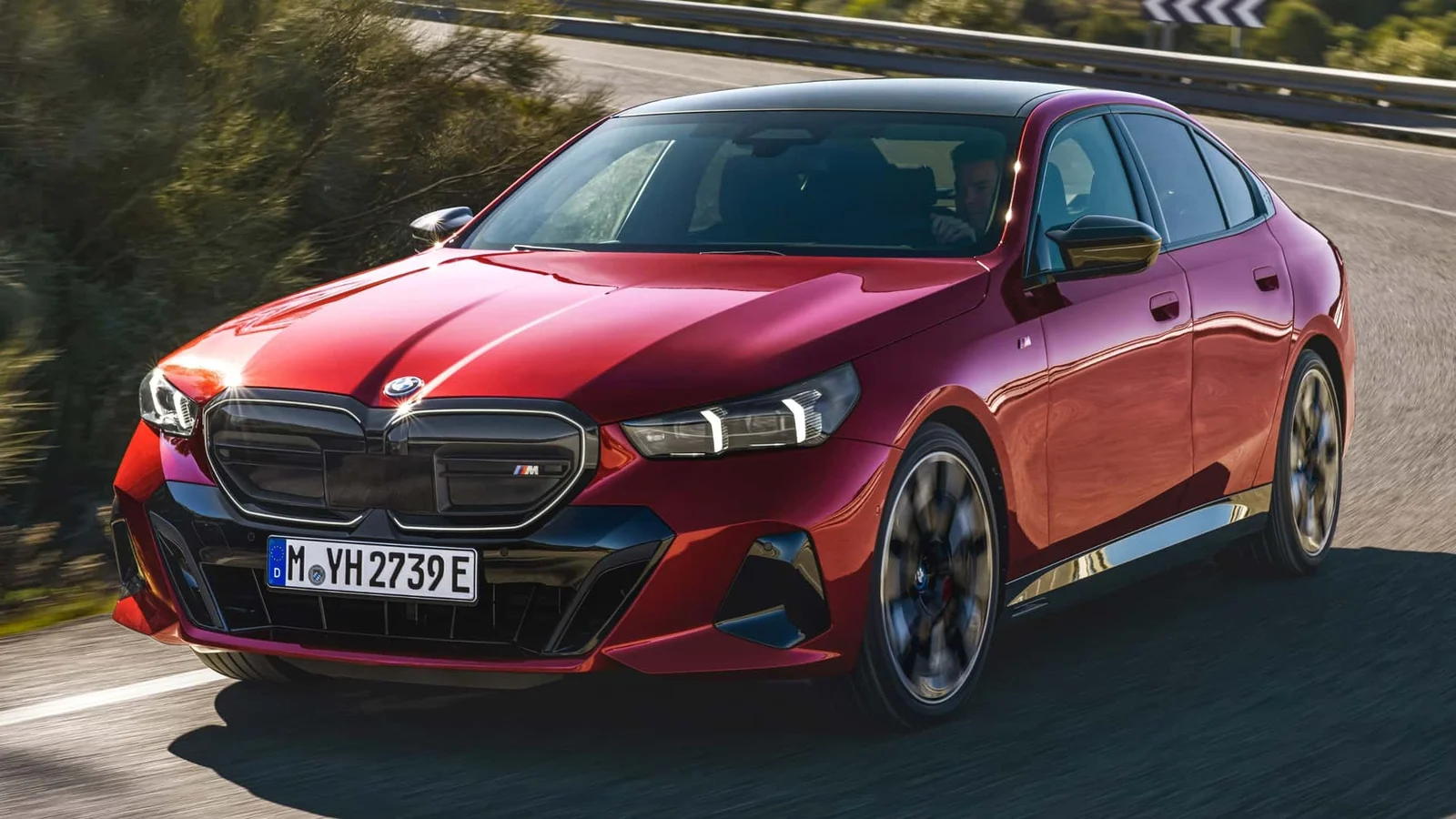
BMW has unveiled the 2024 5 Series, which includes a fully electric variant called the i5. The i5 offers a driving range of 295 miles and is available in two model variants, the eDrive40 single-motor RWD variant and the M60 xDrive AWD performance model. The i5 is built on the CLAR flexible drive architecture shared with internal combustion, mild hybrid and plug-in hybrid 5 Series models. The i5 eDrive40 delivers 335 horsepower and 295 pound-feet of torque, while the i5 M60 xDrive features a dual-motor powertrain delivering 590-hp and 549 lb-ft of torque. The i5 is priced at $67,795 for the eDrive40 and $85,095 for the M60 xDrive.
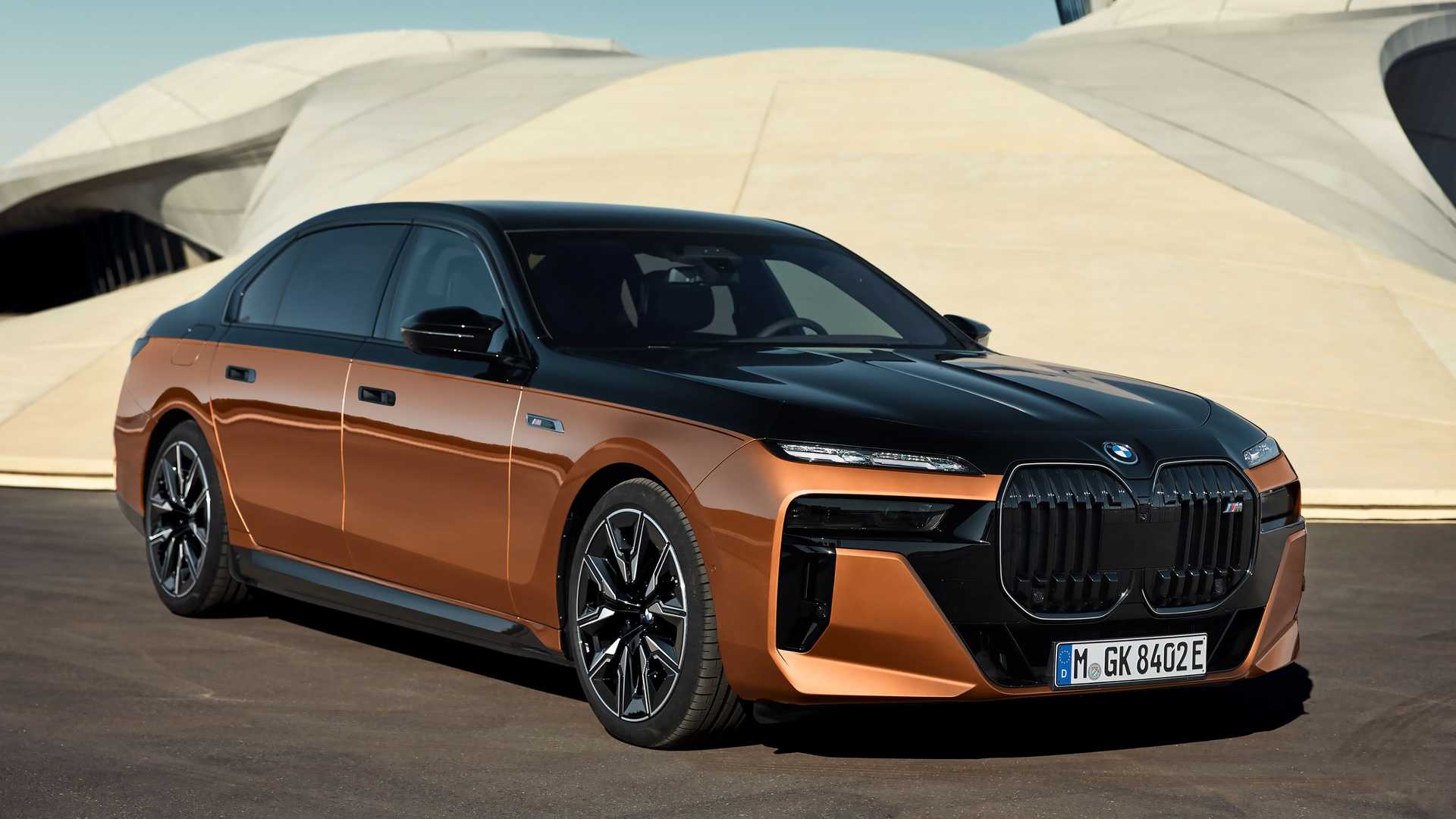
BMW has unveiled the 2024 i7 M70 xDrive, featuring the automaker's most powerful electric motor, producing 650 hp and all-wheel drive. The sedan has an estimated range of up to 295 miles based on the US EPA's test procedure standards. The i7 M70 also comes with BMW's new Max Range mode that limits the car's top speed to 56 mph and restricts comfort functions like climate control and heated seats to maximize range in an emergency. The i7 M70 will feature M-specific design touches and launch with BMW's updated operating system, BMW iDrive OS 8.5. Pricing details have not yet been released.
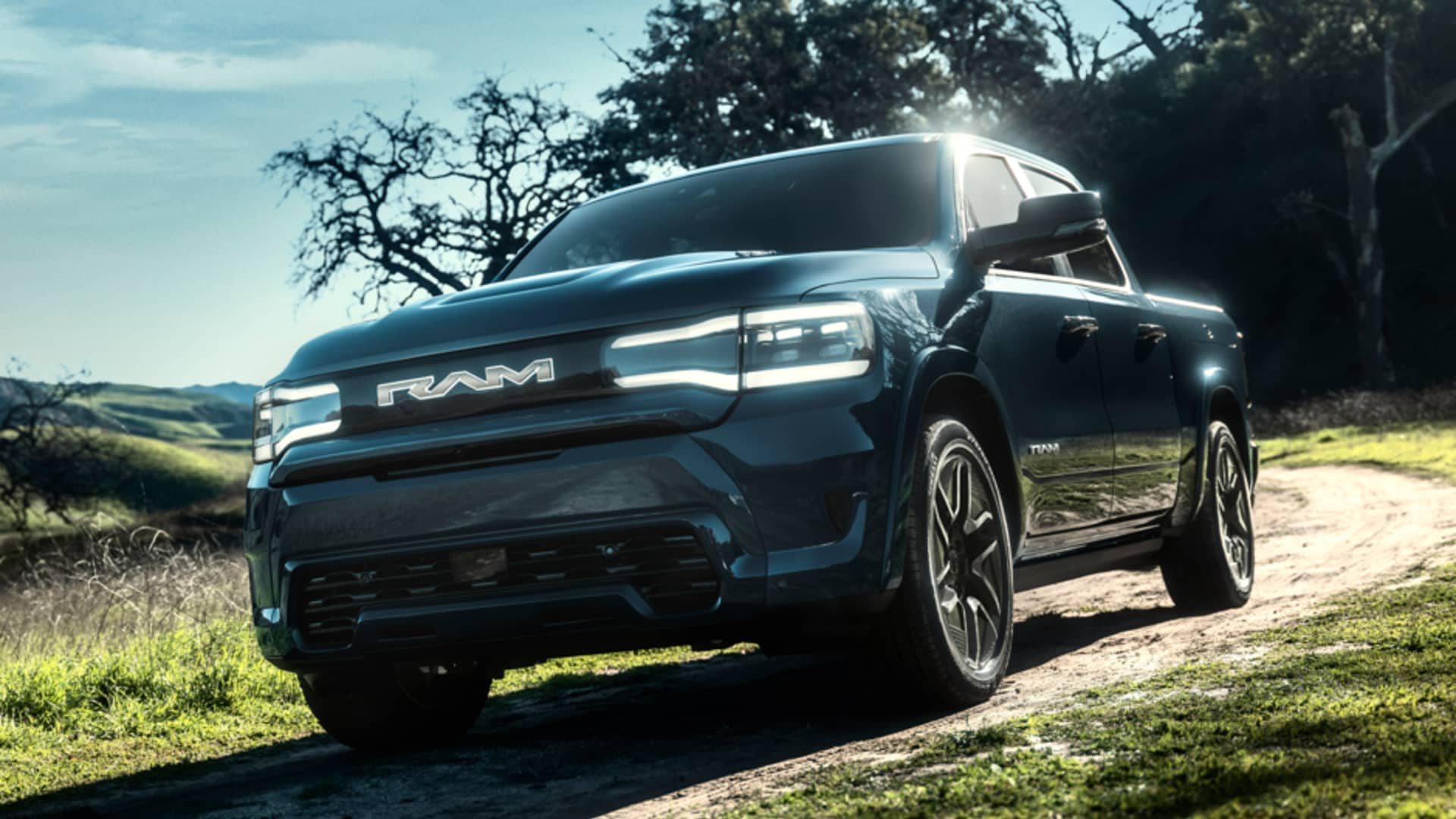
Stellantis has officially revealed its upcoming Ram electric pickup truck, the 2025 Ram 1500 REV, which will offer up to 500 miles of driving range when fully charged, topping all-electric pickups currently available. The expected range comes with an extremely large 229 kilowatt-hour battery pack, bigger than any all-electric pickup truck that's currently available or expected from an established automaker. The Ram 1500 REV will offer leading capabilities for truck owners, including towing of up to 14,000 pounds, payload of up to 2,700 pounds, and class-leading storage in its front truck.