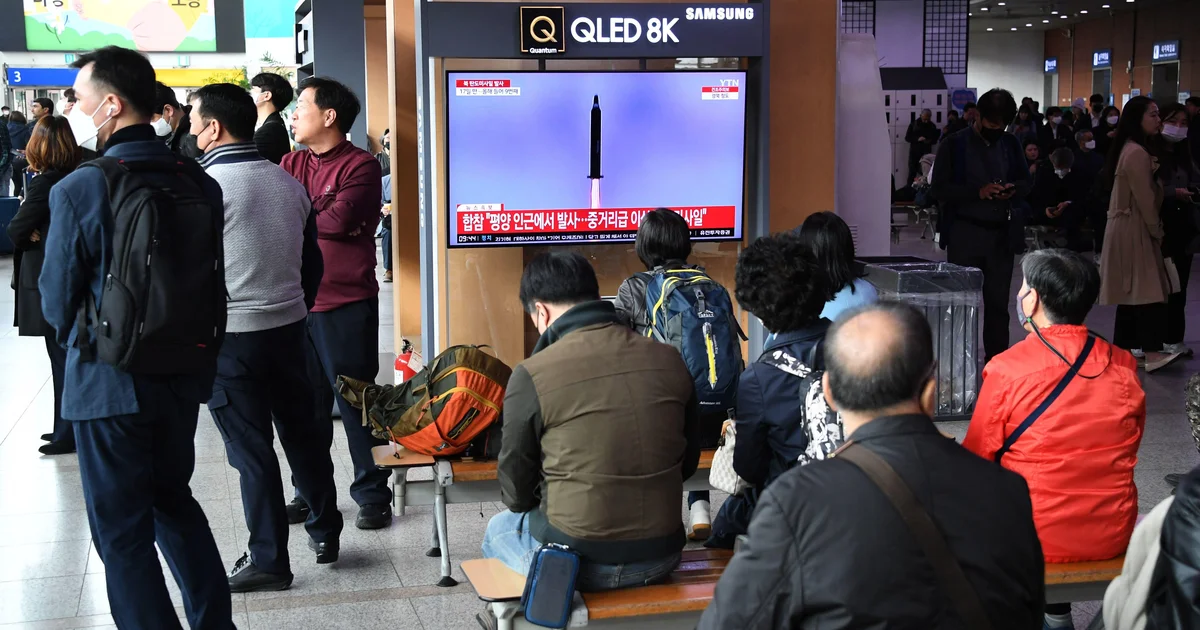
North Korea has claimed to have successfully tested a new type of long-range missile powered by solid fuel, which is seen as a significant development in its military capabilities. The test comes amid stalled denuclearization talks with the US and increasing tensions on the Korean peninsula.
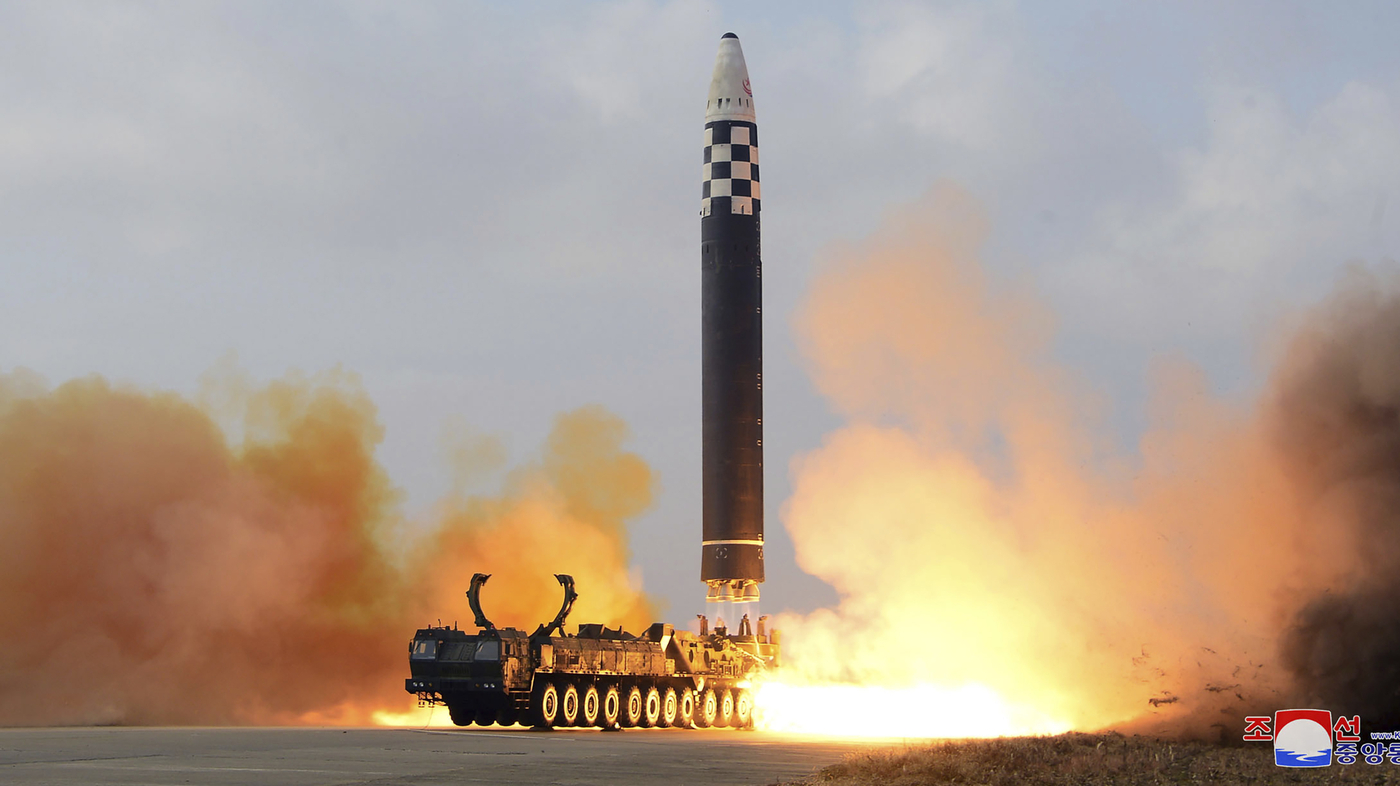
North Korea has claimed to have successfully tested a new solid-fuel intercontinental ballistic missile, which can be deployed more quickly than previous versions, giving potential targets, including the United States, less time to spot and respond to any incoming rocket. The missile, named "Hwasong-18," is the first official test of a long-range missile powered by solid fuel, which involves fewer preparation steps than a liquid-propelled one and can therefore be launched more quickly. The claim underlines Pyongyang's determination to press ahead with its nuclear weapons program.
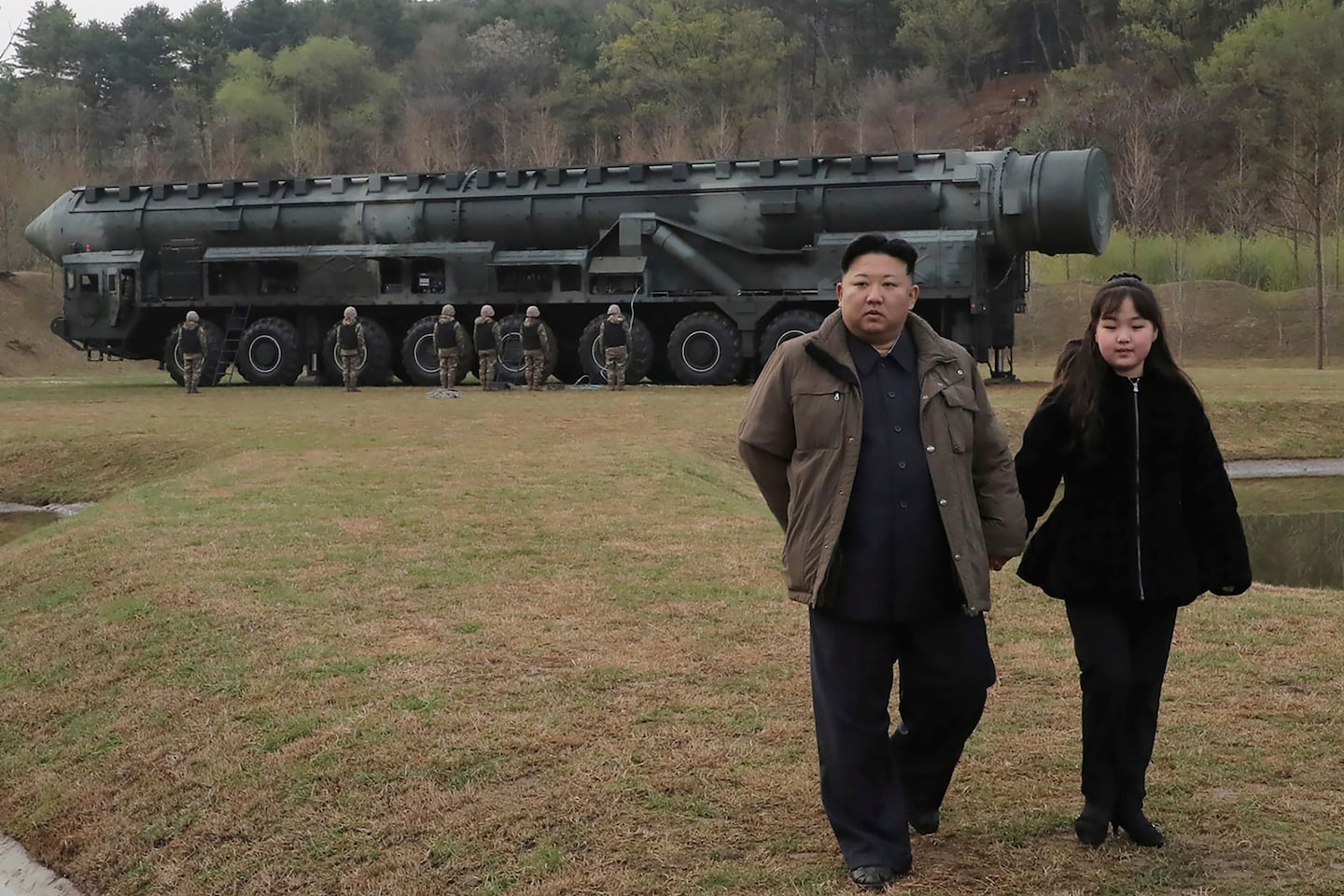
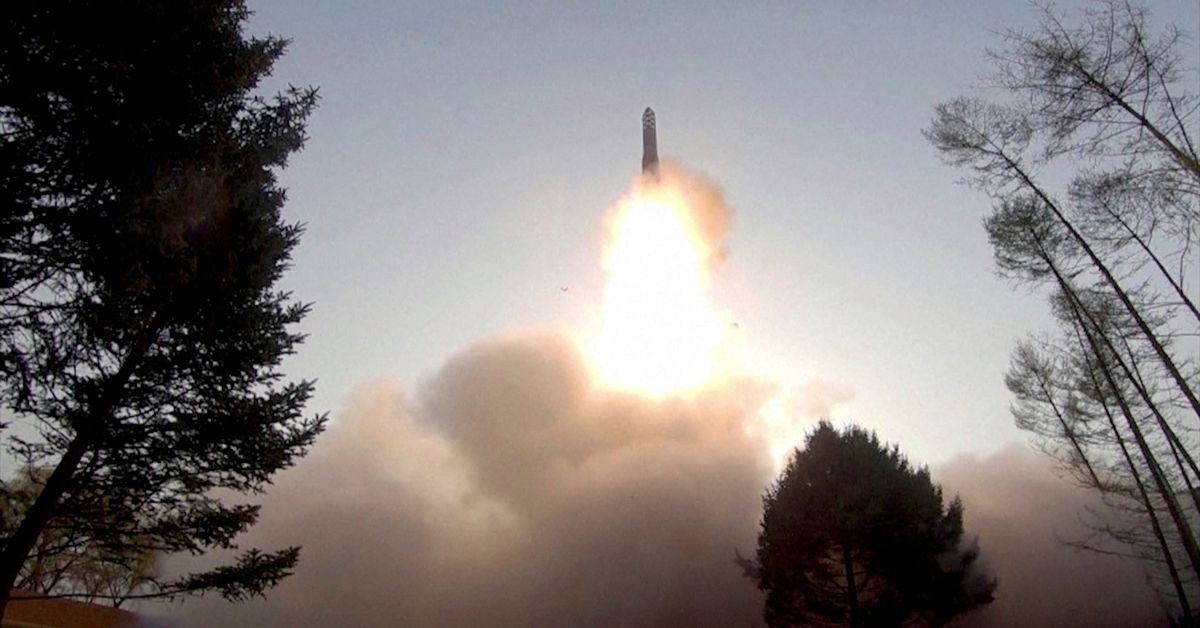
North Korea has tested a new solid-fuel intercontinental ballistic missile (ICBM), the Hwasong-18, which is the country's first use of solid propellants in an intermediate-range or intercontinental ballistic missile. The missile was fired from near Pyongyang and flew about 1,000 km before landing in waters east of North Korea. Leader Kim Jong Un guided the test and warned it would make enemies "experience a clearer security crisis, and constantly strike extreme uneasiness and horror into them by taking fatal and offensive counter-actions until they abandon their senseless thinking and reckless acts".
North Korea has successfully tested a new type of intercontinental ballistic missile (ICBM) that uses solid fuel, making it quicker to launch and harder to detect. The missile, named Hwasong-18, is a major milestone for the nation's military and will greatly strengthen its already formidable nuclear arsenal. Experts say the missile's development shows that US efforts to prevent North Korea from developing advanced nuclear technology have largely failed. The test took place on Thursday morning, local time, and caused a brief alert on the Japanese island of Hokkaido.
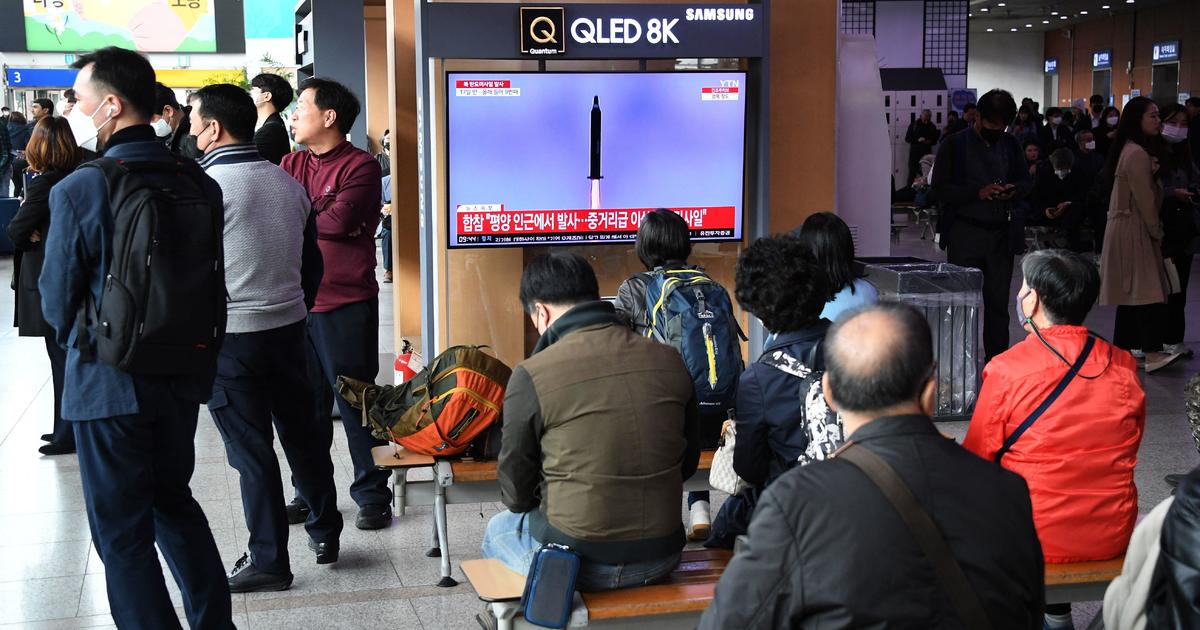
North Korea launched an intercontinental ballistic missile (ICBM) on Thursday, possibly testing a new type of more mobile, harder-to-detect weapons system. The missile was launched on a high angle from near the North Korean capital of Pyongyang and fell in the waters between the Korean Peninsula and Japan following a 1,000-kilometer (620-mile) flight. Japan issued an evacuation order on a northern island, which was later retracted. South Korea believes North Korea launched a new type of ballistic missile, possibly using solid fuel, a defense official said under anonymity because of office rules.
North Korea launched a new type of ballistic missile, possibly using solid fuel, which may be more mobile and harder to detect, according to South Korea's military. The missile was launched on a high angle from near Pyongyang and fell in the waters between the Korean Peninsula and Japan following a 620-mile flight. Japan briefly urged residents on a northern island to take shelter. North Korea's known ICBMs all use liquid propellants that must be fueled before launches, but a solid-propellant weapon is already loaded, enabling it to be moved more easily and fired more quickly.
North Korea launched a new type of ballistic missile, possibly using solid fuel, which may be more mobile and harder to detect, according to South Korea's military. The missile was launched on a high angle from near Pyongyang and fell in the waters between the Korean Peninsula and Japan following a 620-mile flight. Japan briefly urged residents on a northern island to take shelter. North Korea's known ICBMs all use liquid propellants that must be fueled before launches, but a solid-propellant weapon is already loaded, enabling it to be moved more easily and fired more quickly.