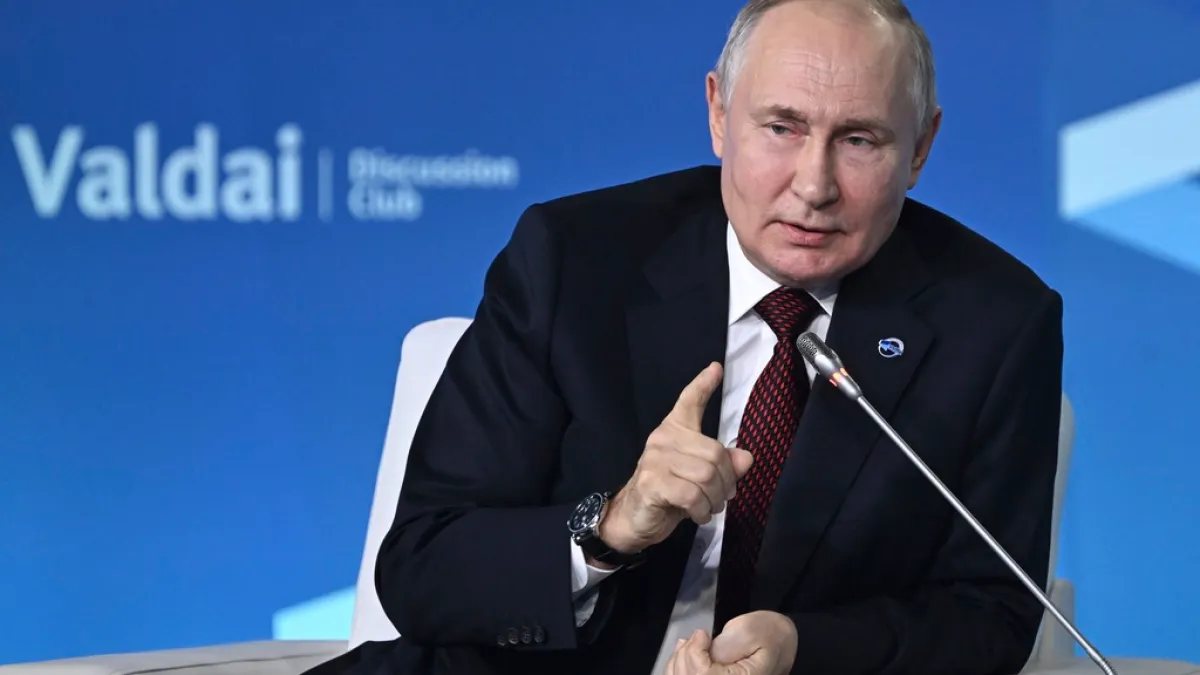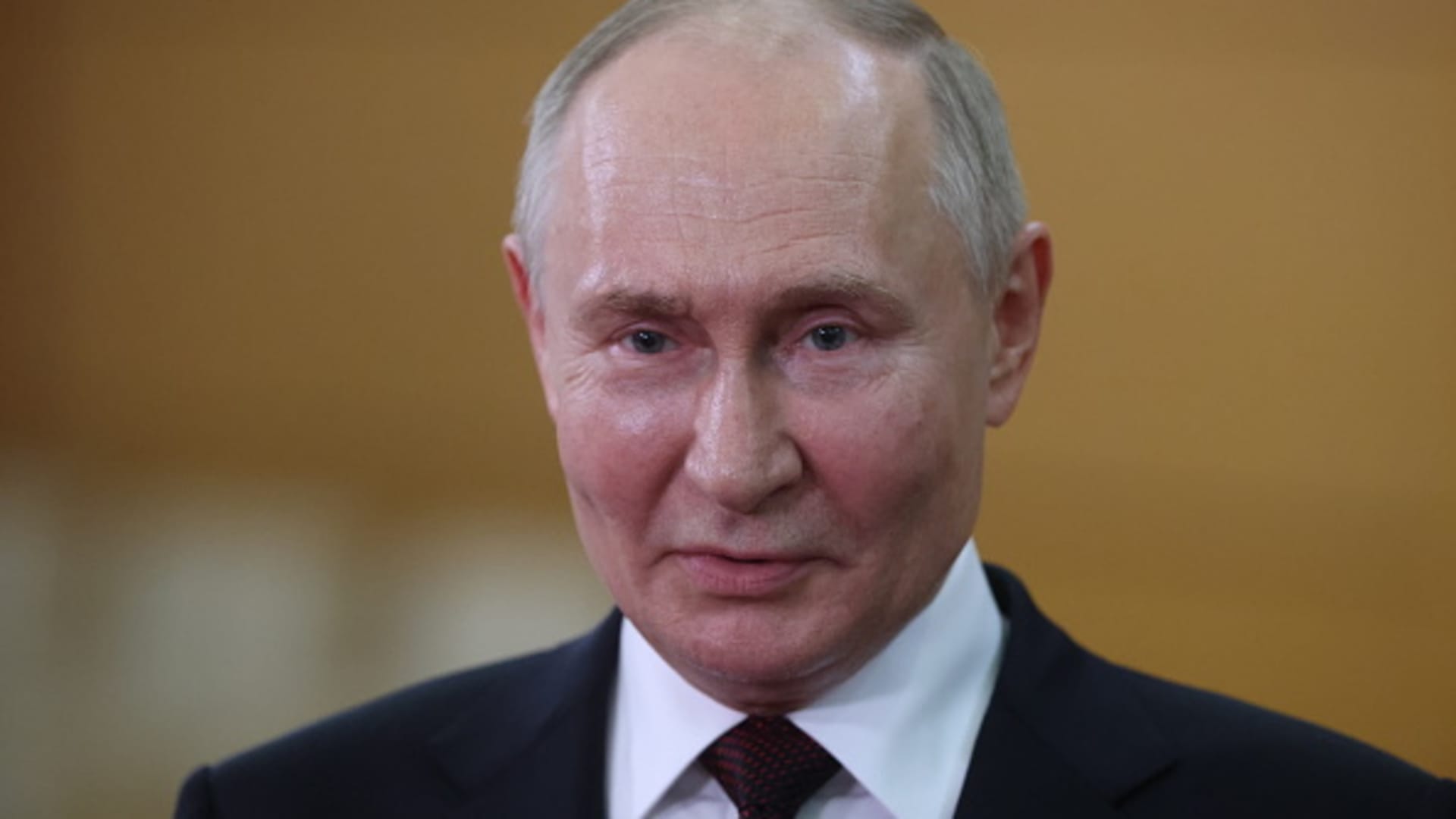
Russian President Vladimir Putin announced that Russia is increasing its nuclear arsenal while expressing openness to security talks with NATO states. However, Kremlin spokesperson Dmitry Peskov emphasized that any dialogue with the U.S. must also address the conflict in Ukraine. Russia's stance comes amid its isolation from Western diplomatic efforts and its concerns over Ukraine's potential NATO membership. Putin reiterated the importance of Russia's nuclear capabilities as a strategic deterrent, following the suspension of the New START treaty with the U.S. in 2023.
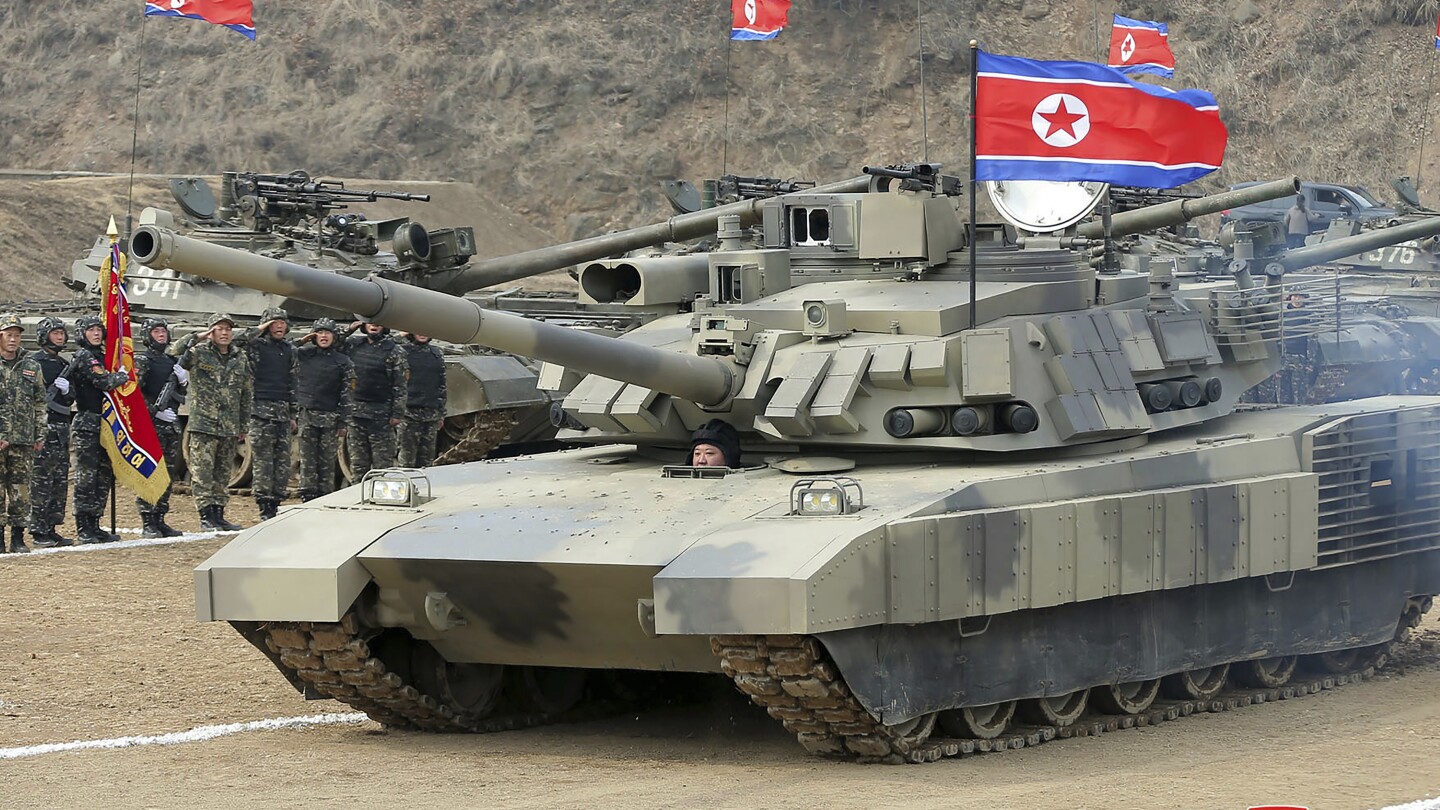
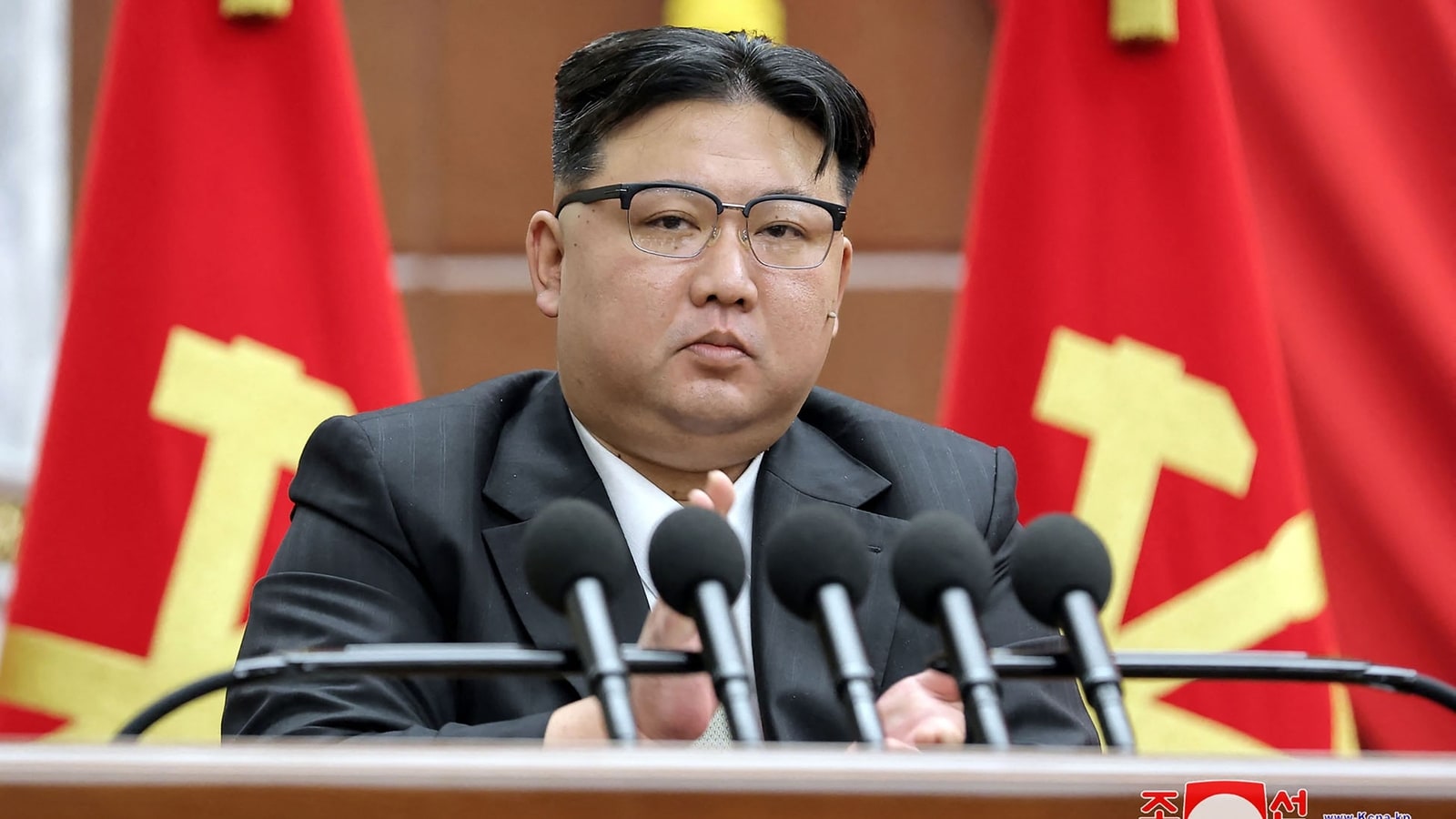
North Korean leader Kim Jong Un participated in tank training exercises and called for increased preparations for war, viewing the South Korean-U.S. military drills as a potential rehearsal for invasion. The training involved new-type main battle tanks, with Kim personally driving one during the exercises. North Korea has vowed to conduct "responsible military activities" in response to the ongoing joint military exercises, while also intensifying its weapons testing activities in an effort to modernize and expand its nuclear and missile arsenals. Experts believe Kim may seek to leverage his upgraded weapons arsenal for U.S. concessions, and anticipate heightened testing activities and aggressive rhetoric from North Korea amid major elections in the U.S. and South Korea.
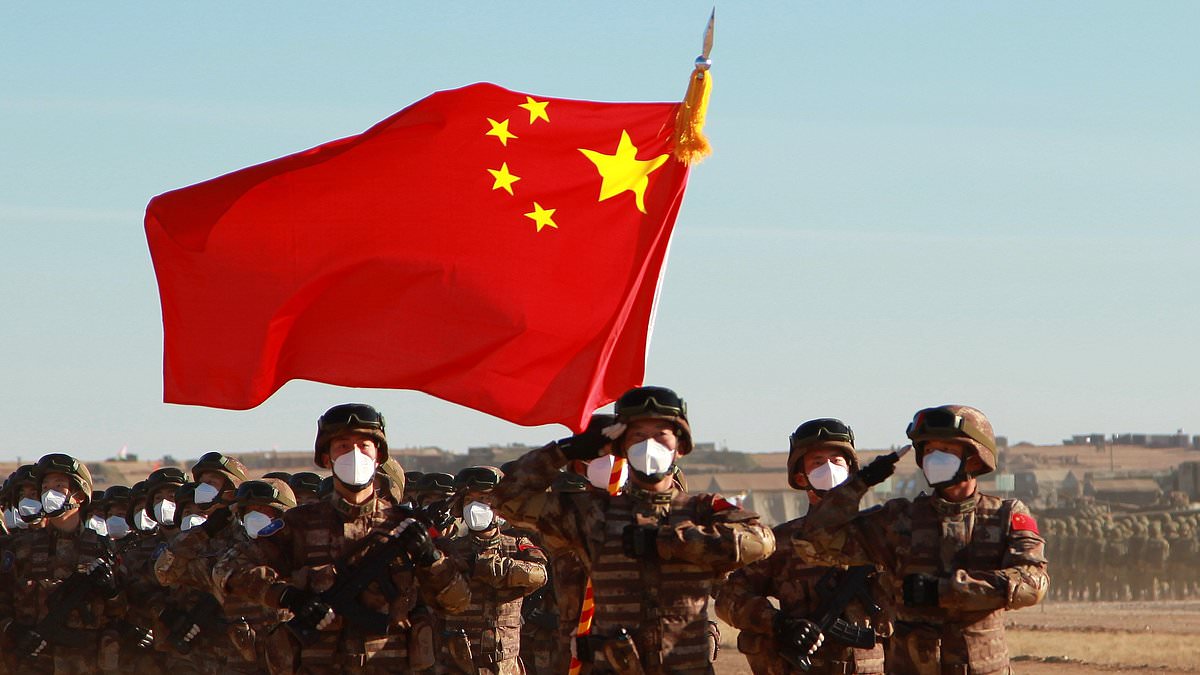
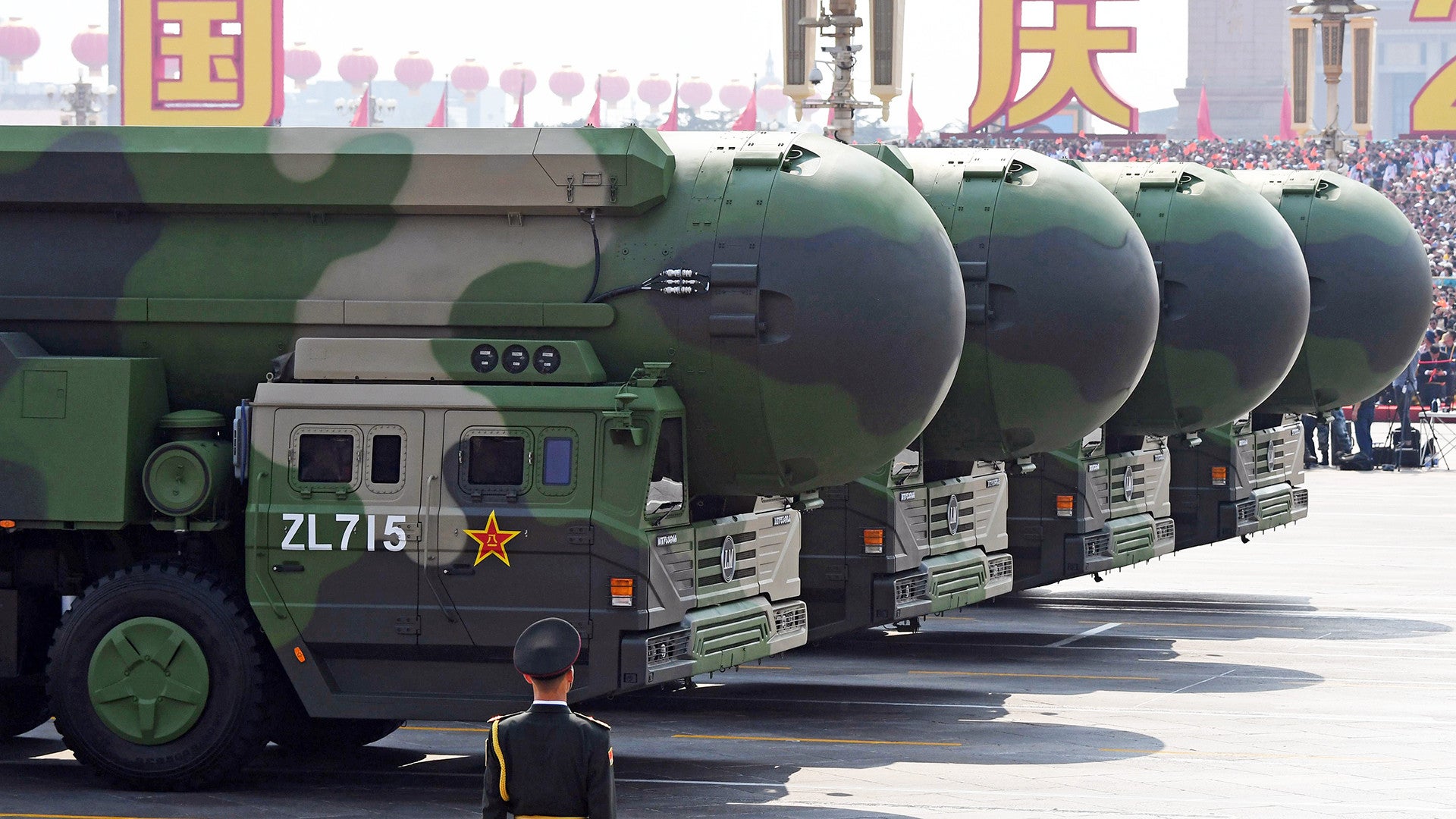
China's economic resurgence is in trouble due to the global recession, declining population, and overproduction, leading to a mass recession and cost-of-living crisis. Despite this, China's military spending is set to increase by 7.2%, with a focus on building up its military capabilities, including a significant nuclear arsenal and infrastructure for potential conflict. President Xi Jinping's leadership is steering China towards a more insular economy and increased military influence, posing potential challenges for the US and other global powers.
South Korea's military detected North Korea firing multiple cruise missiles into the sea off its western coast, marking the third round of such tests this month. Tensions on the Korean Peninsula are escalating as North Korea continues to flaunt its expanding arsenal of weapons, including a new solid-fuel intermediate-range missile. The North's leader, Kim Jong Un, has expressed his goal of building a nuclear-armed navy to counter external threats, while also abandoning the objective of peaceful unification with South Korea and ordering the rewriting of the North Korean constitution to cement the South as its most hostile foreign adversary. The international community is closely monitoring the situation amid concerns of further provocations and efforts to resolve the nuclear standoff.
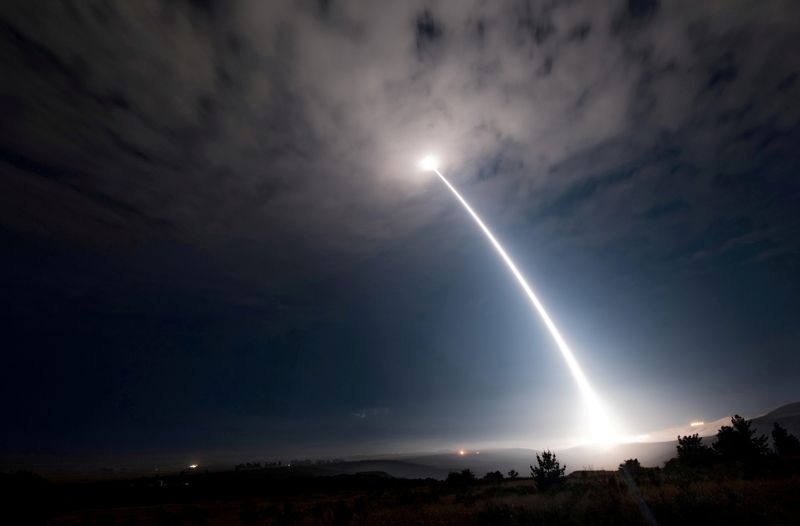
The replacement for the Minuteman III nuclear arsenal, managed by Northrop Grumman Corp, has exceeded its $95.8 billion budget due to pandemic-related costs and inflation, with the total program cost now estimated above $131 billion. The Pentagon is conducting a review, triggered by the cost overrun, to justify the program's importance. The modernization program, named Sentinel, includes upgrading 450 missile silos and their command infrastructure, and purchasing trucks, training, command buildings, and 659 missiles. Despite the cost overruns, the program is deemed necessary for the future of the US nuclear deterrent.
A recent report suggests that corruption within China's military, particularly the People's Liberation Army Rocket Force (PLARF), has led to significant issues, including missiles filled with water instead of fuel and malfunctioning silo lids. These problems have reportedly raised concerns about the readiness and modernization efforts of China's armed forces, as well as President Xi Jinping's confidence in their capabilities. The purge of top PLARF officials and other senior figures indicates a serious impact on decision-making and raises questions about the true nature of these developments. The extent of corruption within the PLA and its implications for China's military modernization and nuclear arsenal remain subjects of concern and scrutiny.
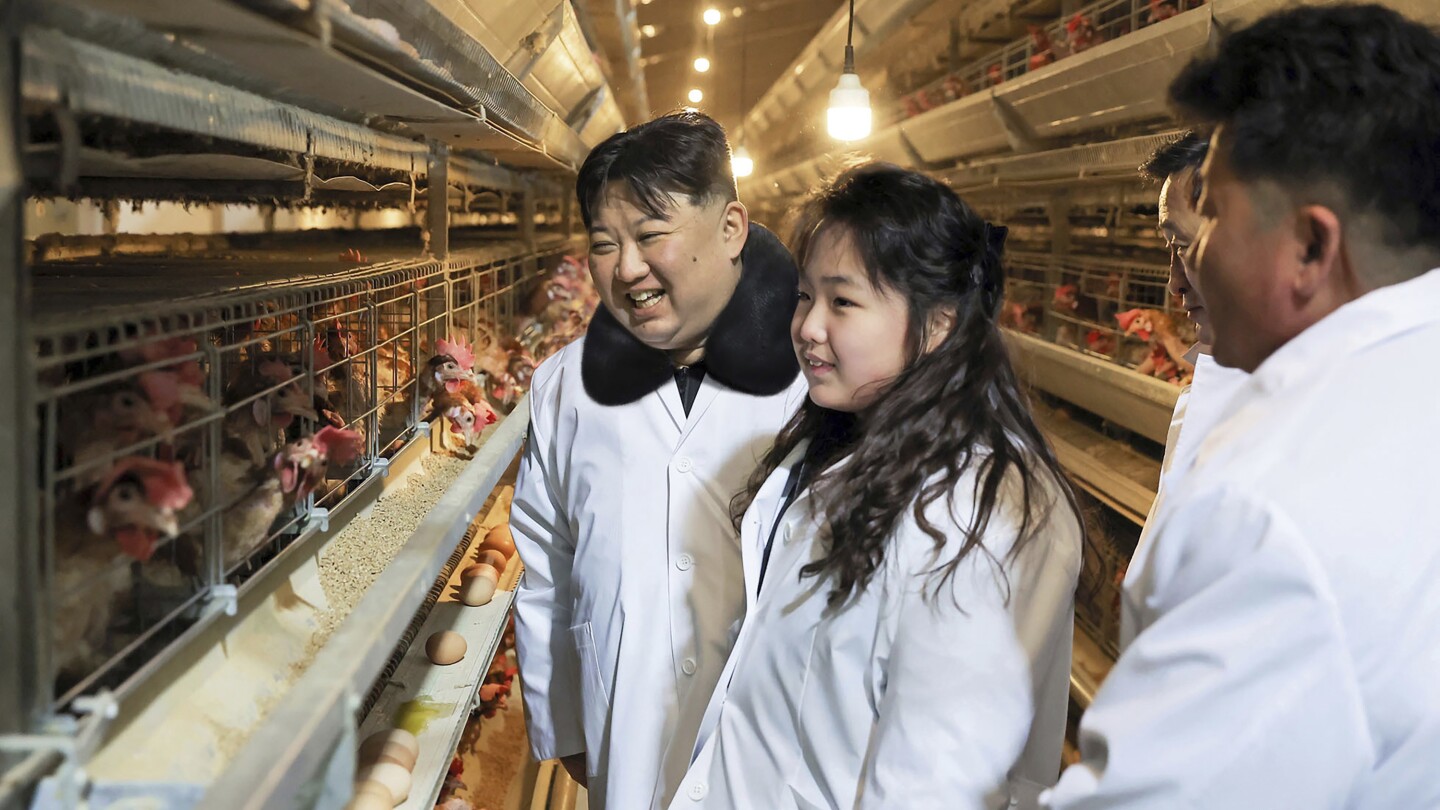
North Korean leader Kim Jong Un turned 40 with no public celebrations, unlike his predecessors, possibly due to concerns about attention to his late Japan-born mother and his young age. His pursuit of a bigger nuclear arsenal has invited punishing U.S.-led sanctions, and he has admitted policy failures. Despite facing little political challenge, he is expected to intensify weapons tests ahead of the U.S. presidential election in November.
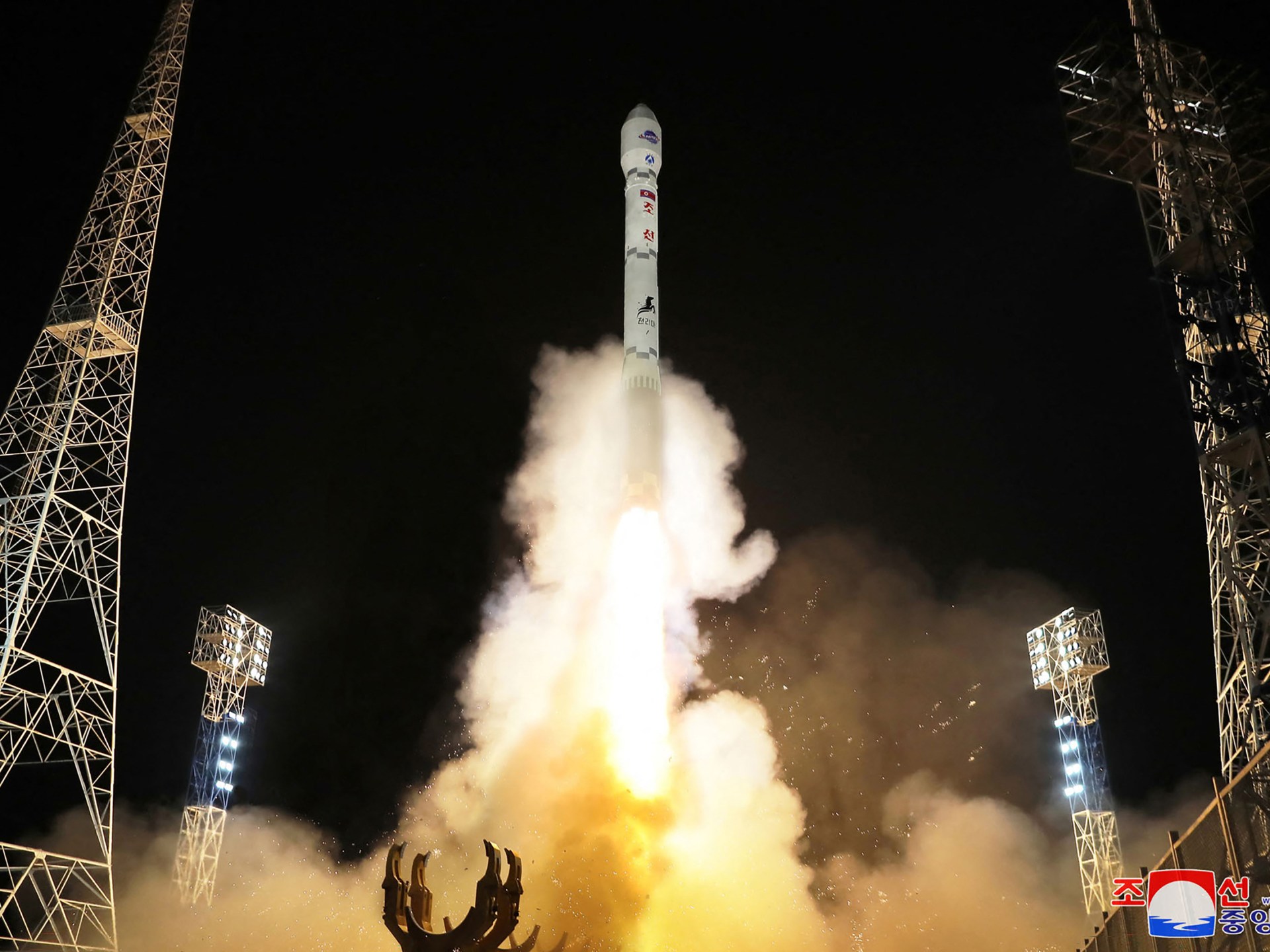
North Korea announced plans to launch three military spy satellites and enhance its nuclear capabilities in 2024, amid a record number of weapons tests. Leader Kim Jong Un accused the US of making war inevitable and ordered preparations for potential conflict, including the use of nuclear weapons against South Korea if necessary. The announcement comes as North Korea seeks to leverage the upcoming US presidential elections and as South Korea faces its own parliamentary elections. Despite UN sanctions, North Korea continues to advance its military technology with the support of Russia and China, though experts believe it still lags behind South Korea's capabilities.
North Korean leader Kim Jong Un has warned of the increasing likelihood of war due to U.S. policies and announced plans to expand the country's nuclear arsenal in 2024. This includes launching spy satellites, building military drones, and preparing for potential conflict with South Korea. The announcement comes at a time of upcoming elections in South Korea and the U.S., which could influence regional dynamics. Kim's stance reflects a strategy to leverage military pressure in diplomatic dealings, particularly with the U.S., while North Korea continues to deepen ties with China and Russia. The U.S. remains open to talks but has responded with sanctions and increased military presence in the region.
Russian President Vladimir Putin has stated that Moscow is upgrading its nuclear arsenal and maintaining its strategic forces at the highest level of readiness, citing a "hybrid war" being waged against Russia by the West. Putin also accused the United States of exploiting Europe for its own interests and emphasized that Russia plans no war on Europe. He expressed willingness to engage in talks about the future of Ukraine but asserted that Russia would defend its national interests. Additionally, Putin announced his intention to run in the 2024 presidential election, which would extend his presidency until 2030.
The US is ramping up production of plutonium "pits," which are vital components of warheads in the country's nuclear arsenal, as part of a $1.5tn effort to modernize its nuclear weapons program. Concerns over geopolitical tensions with Russia and China have prompted the US to replace aging intercontinental ballistic missiles. However, there are questions about the logic of placing new missiles in the US heartlands. The US has not been able to produce enough plutonium pits to refresh its stockpile of warheads, and estimates vary on how quickly the pits degrade. The National Nuclear Security Administration's plan to meet production goals has faced challenges, including a lack of expertise and rising costs. The renewed focus on nuclear weapons comes amid rising concerns over a potential arms race and the risk of nuclear conflict.
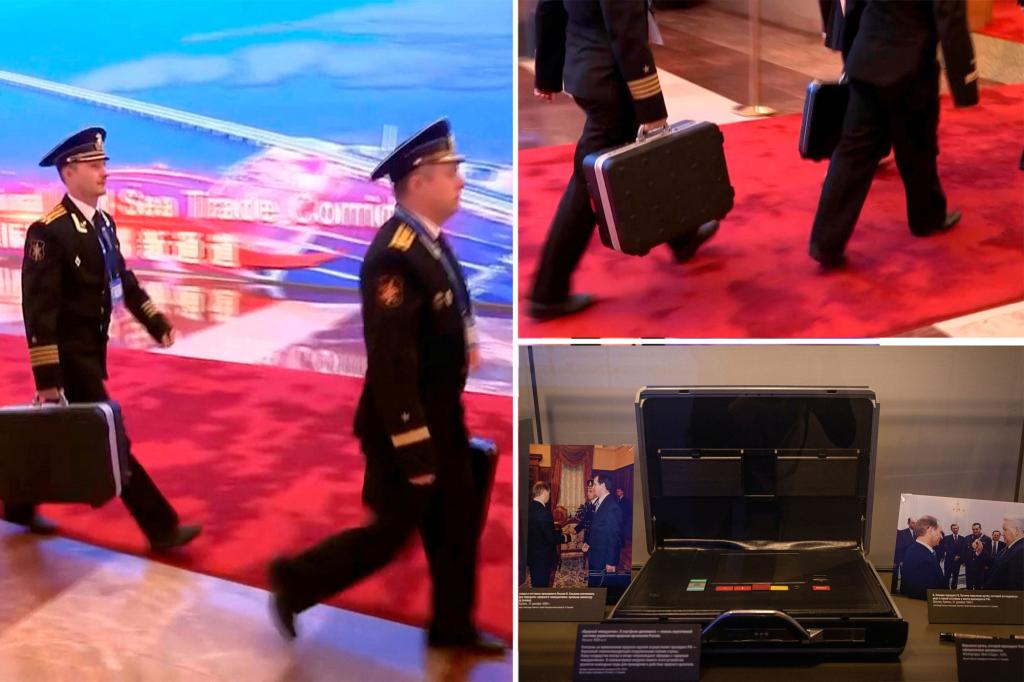
Rare footage shows Russian President Vladimir Putin in Beijing accompanied by officers carrying the nuclear briefcase, known as the "Cheget," which can be used to order a nuclear strike. The briefcase, traditionally carried by a naval officer, is rarely filmed but always travels with the president. The US president also has a similar device called the "nuclear football." Tensions between Russia and the US have escalated due to the Ukraine war, while China seeks to bolster its nuclear arsenal.
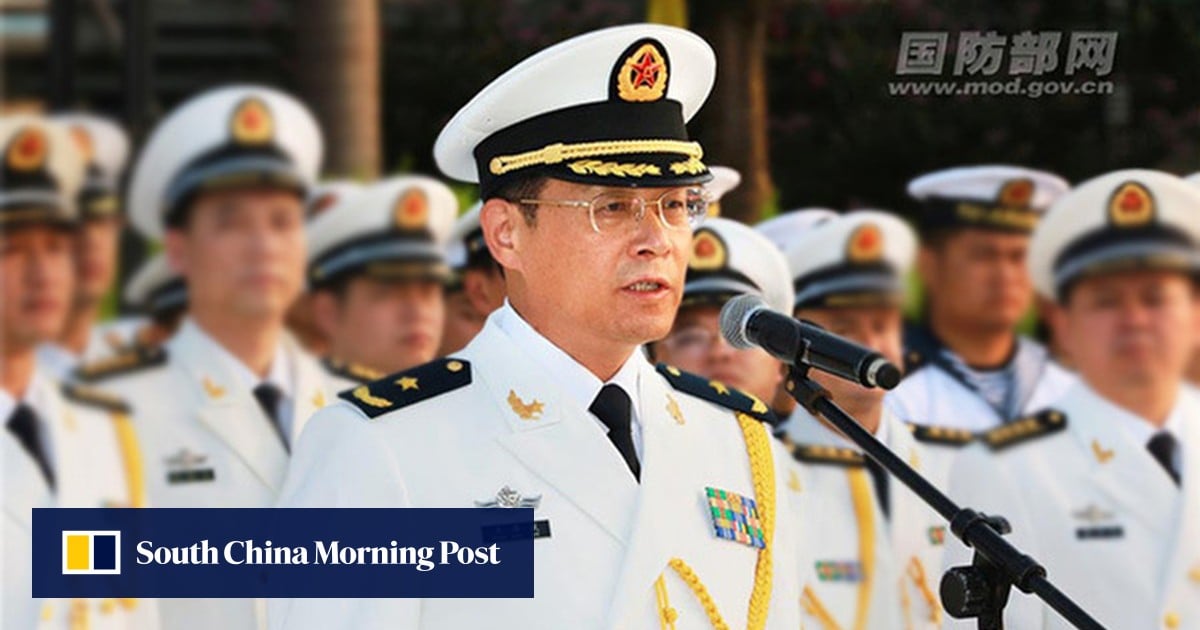
China has appointed General Wang Houbin as the new chief of the PLA Rocket Force, responsible for the country's nuclear arsenal, following a corruption scandal that led to the investigation of former commanders. This move comes as part of an extensive shake-up, with both the commander and political commissar positions being replaced simultaneously.
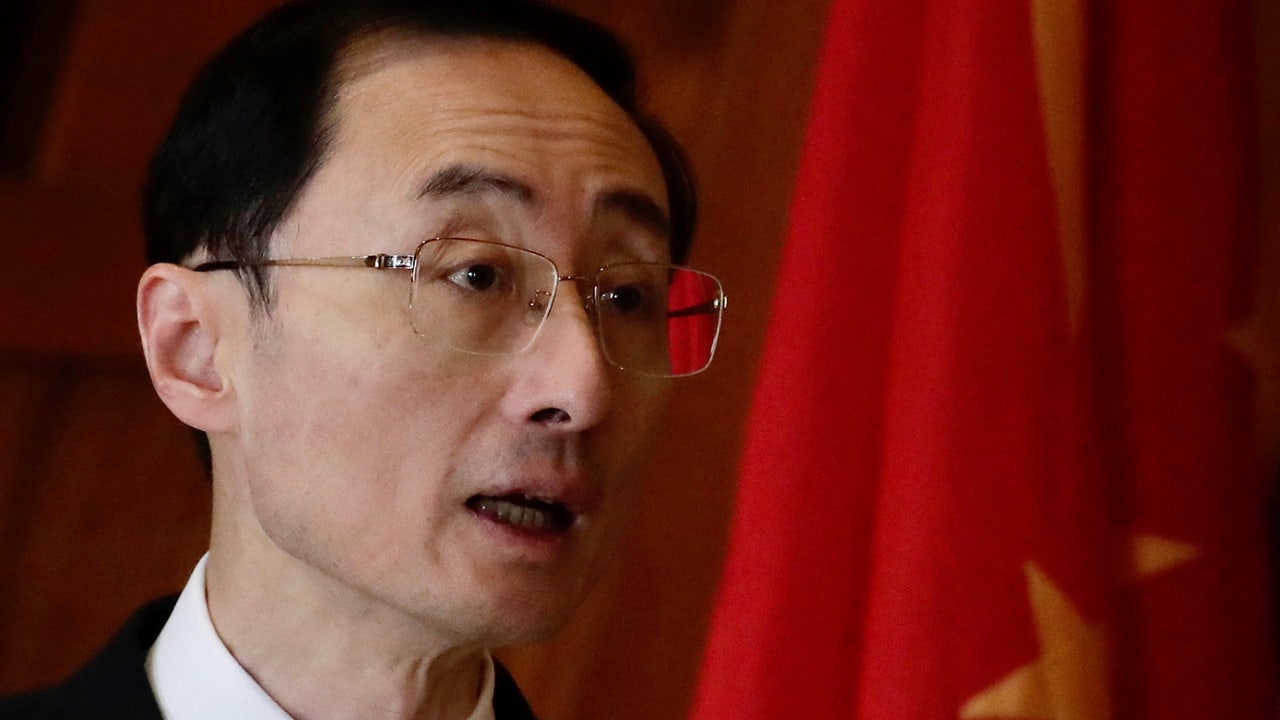
China summoned Japan's ambassador to express "strong dissatisfaction and resolute opposition" to remarks made during the G-7 summit in Hiroshima, accusing the U.S.-led bloc of "camp confrontation and Cold War mentality." China demanded Japan "correct its understanding" of China and accused the G-7 of "hype around China-related issues." China also emphasized that matters related to Hong Kong, Xinjiang, and Tibet represent China’s "purely internal affairs" and that "no external forces will be allowed to make irresponsible remarks and arbitrarily interfere." The G-7 leaders' statement warned that China's "accelerating build-up of its nuclear arsenal without transparency (or) meaningful dialogue poses a concern to global and regional stability."
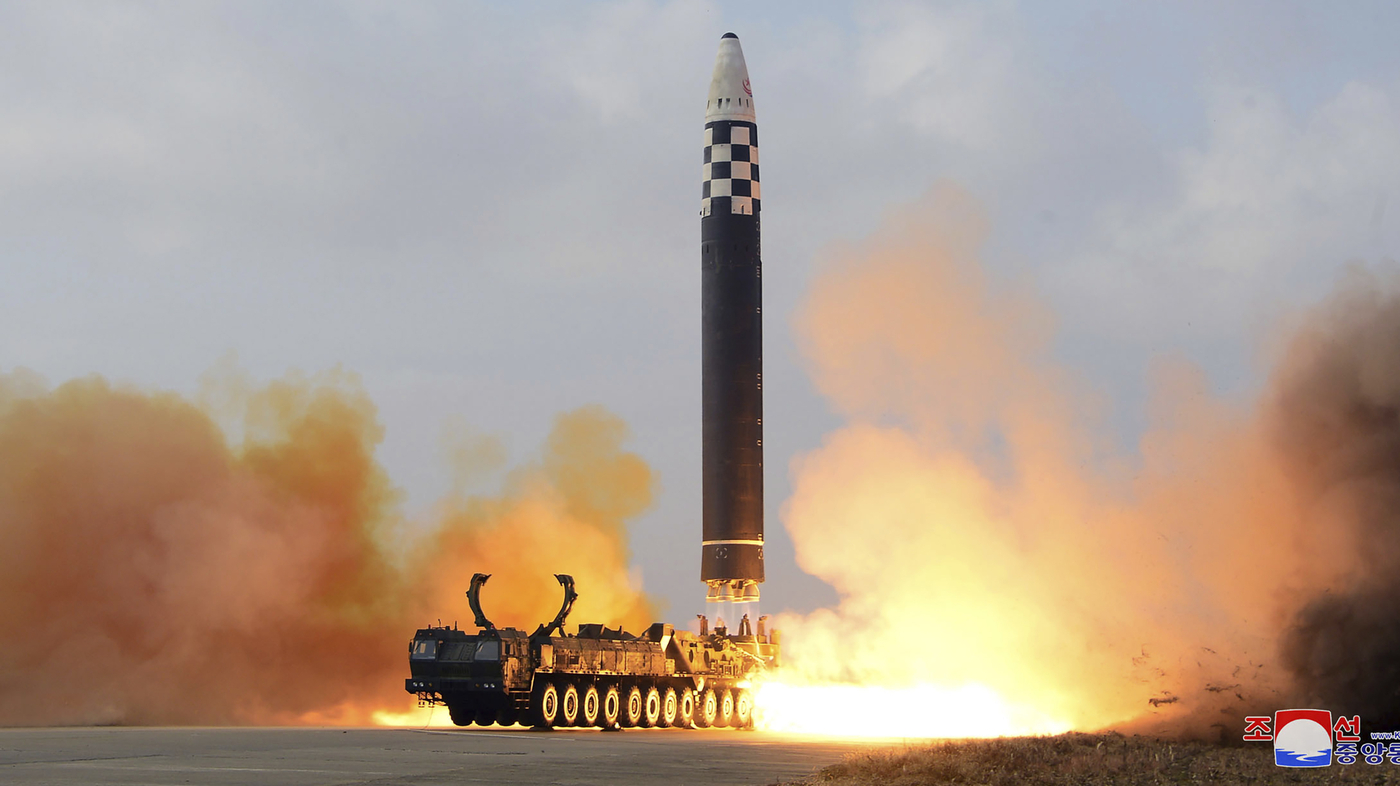
North Korea has successfully tested a new type of intercontinental ballistic missile (ICBM) that uses solid fuel, making it quicker to launch and harder to detect. The missile, named Hwasong-18, is a major milestone for the nation's military and will greatly strengthen its already formidable nuclear arsenal. Experts say the missile's development shows that US efforts to prevent North Korea from developing advanced nuclear technology have largely failed. The test took place on Thursday morning, local time, and caused a brief alert on the Japanese island of Hokkaido.