Tag

Solar Observatory

All articles tagged with #solar observatory

space1 year ago

"Spotting the 'Devil Comet' During its Close Encounter with Earth"

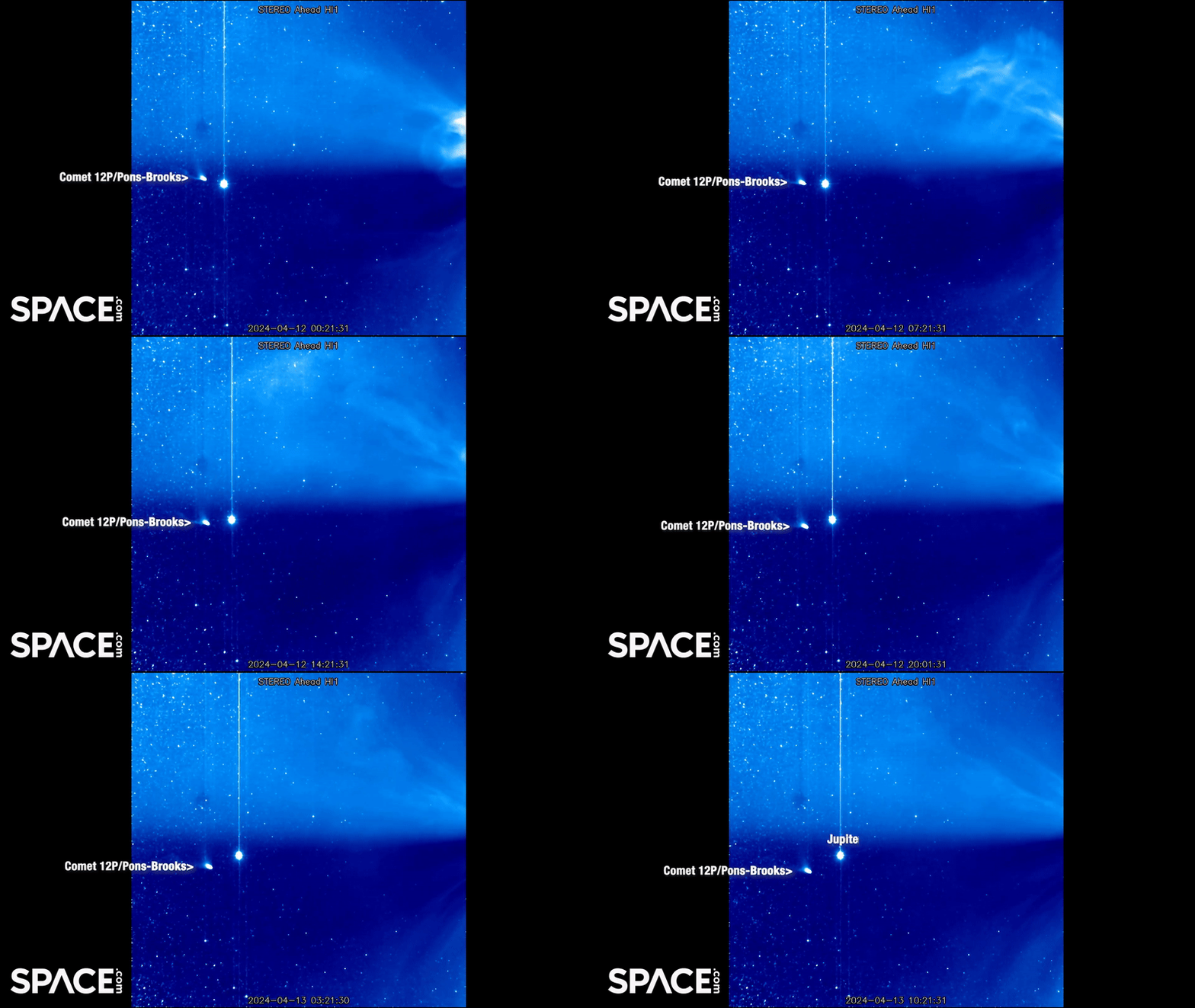
NASA's solar observatory STEREO-A is monitoring 'Devil Comet' 12P/Pons-Brooks as it approaches its closest point to the sun, while capturing footage of a coronal mass ejection (CME) launching into space. The comet's tail was affected by a CME, creating a kink, and it will pass within 72.6 million miles of the sun on April 21. The comet's sudden brightness changes have drawn attention, with speculation that it may contain active ice volcanoes. The comet gained the nickname 'Devil Comet' after a notable outburst in 2023, and its changing appearance has led to various comparisons, including to a horseshoe crab and the Millennium Falcon from Star Wars.
spacescience2 years ago

"India's Aditya-L1 Solar Observatory Reaches Orbit Successfully"

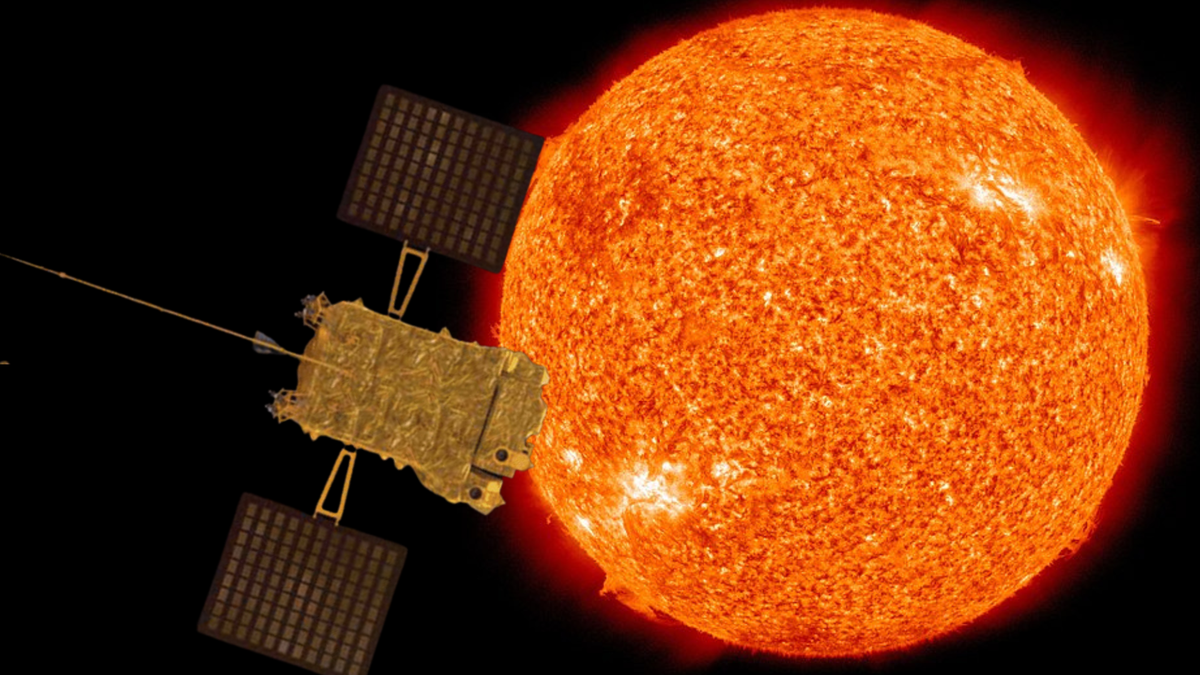
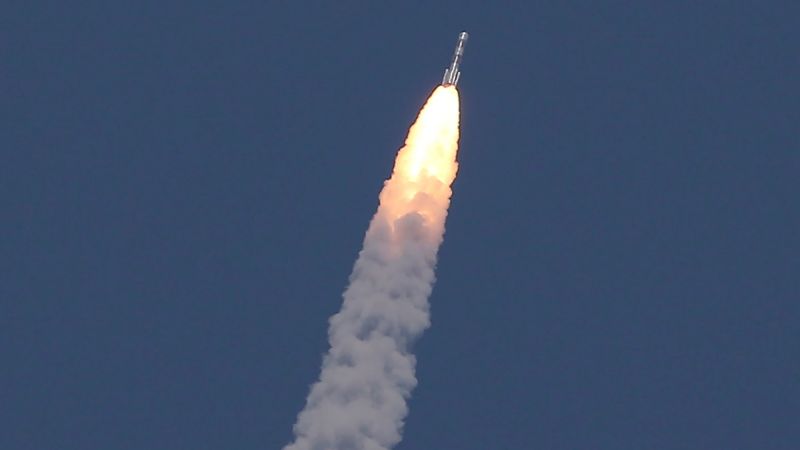
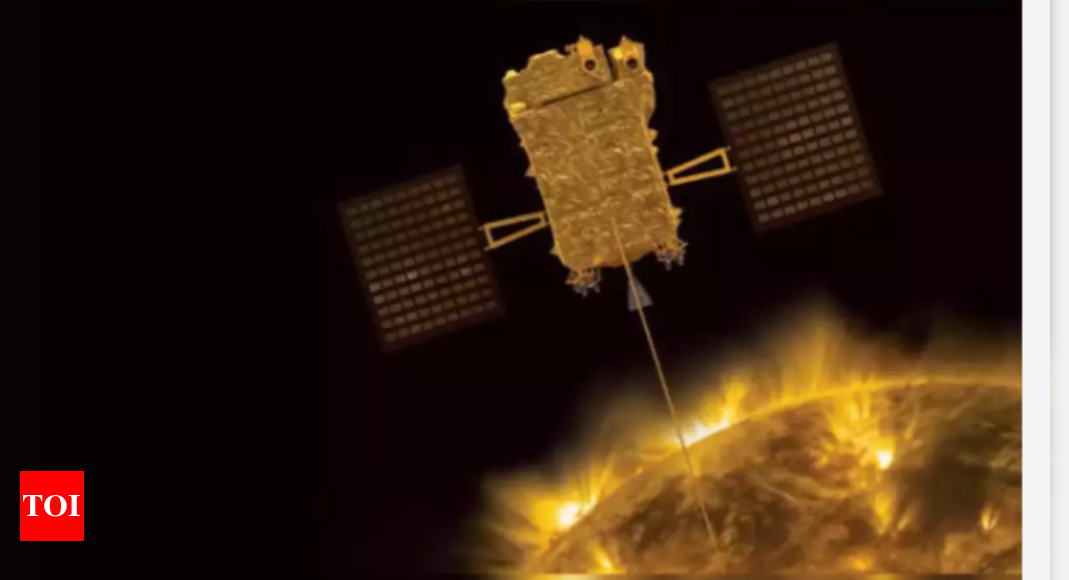
India's first solar observatory, the Aditya-L1 spacecraft, has successfully reached its intended orbit at Lagrange Point L1, about 1.5 million kilometers from Earth, allowing scientists to enhance their study of the Sun-Earth System. Equipped with seven scientific instruments, the spacecraft aims to study the sun's upper atmosphere, solar phenomena, and space weather, providing valuable information on magnetic waves and potential impacts on Earth. Prime Minister Narendra Modi praised the achievement, highlighting India's dedication to complex space missions and its emerging space superpower status.

science-and-technology2 years ago

"ISRO's Aditya-L1 Set for Final Orbit Maneuver at Lagrange Point"

ISRO is set to perform the final manoeuvre to place the Aditya-L1 space probe into a halo orbit at the Sun-Earth Lagrange Point 1 (L1), joining four other operational probes in this stable region 1.5 million kilometers from Earth. The operation involves firing thrusters to maintain the spacecraft's position in an area where gravitational forces balance out. Aditya-L1, which carries seven instruments to study the Sun, will require periodic station-keeping manoeuvres due to the natural instability of the L1 point.

science-and-technology2 years ago

India's Aditya-L1 Solar Observatory Delivers Stunning First-Ever Full-Disk Images of the Sun

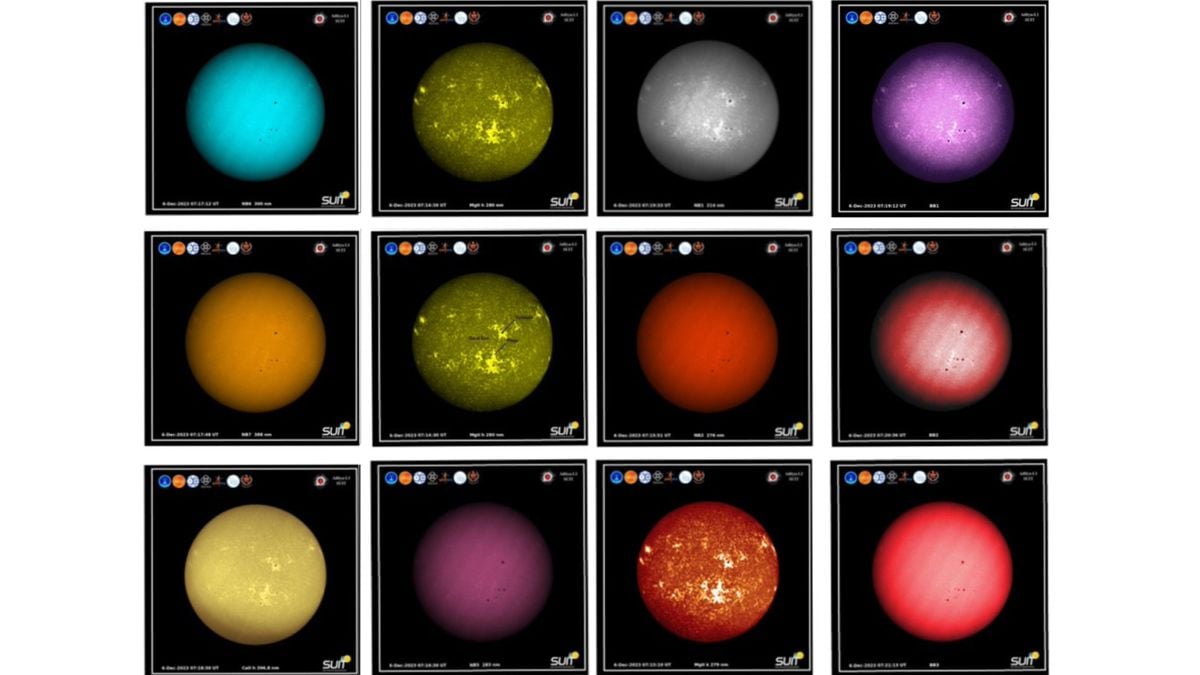
India's Aditya-L1 solar observatory, in collaboration with multiple institutions, has captured stunning images of the sun's surface using the Solar Ultraviolet Imaging Telescope (SUIT) payload. The images reveal sunspots, a solar "plage," and inactive areas, providing pioneering insights into the intricate details of the sun's photosphere and chromosphere. The Aditya-L1 spacecraft, which launched in September, is expected to study solar wind particles and monitor solar flares to help predict solar activity.

spaceflight2 years ago

"India's Aditya-L1 Solar Observatory Successfully Positioned 1 Million Miles from Earth"

India's Aditya-L1 solar observatory has successfully performed a trajectory correction maneuver to ensure it reaches its intended destination, a gravitationally stable area known as Earth-sun Lagrange point 1, around 1 million miles from Earth. The spacecraft, carrying seven payloads, will have an uninterrupted view of the sun from this location for its five-year mission to study the sun. This marks India's second spacecraft to venture beyond Earth's sphere of influence, following the Mars Orbiter Mission in 2013.

science-and-astronomy2 years ago

India's Aditya-L1 Mission: Capturing Earth, Moon, and Sun in a Space Selfie

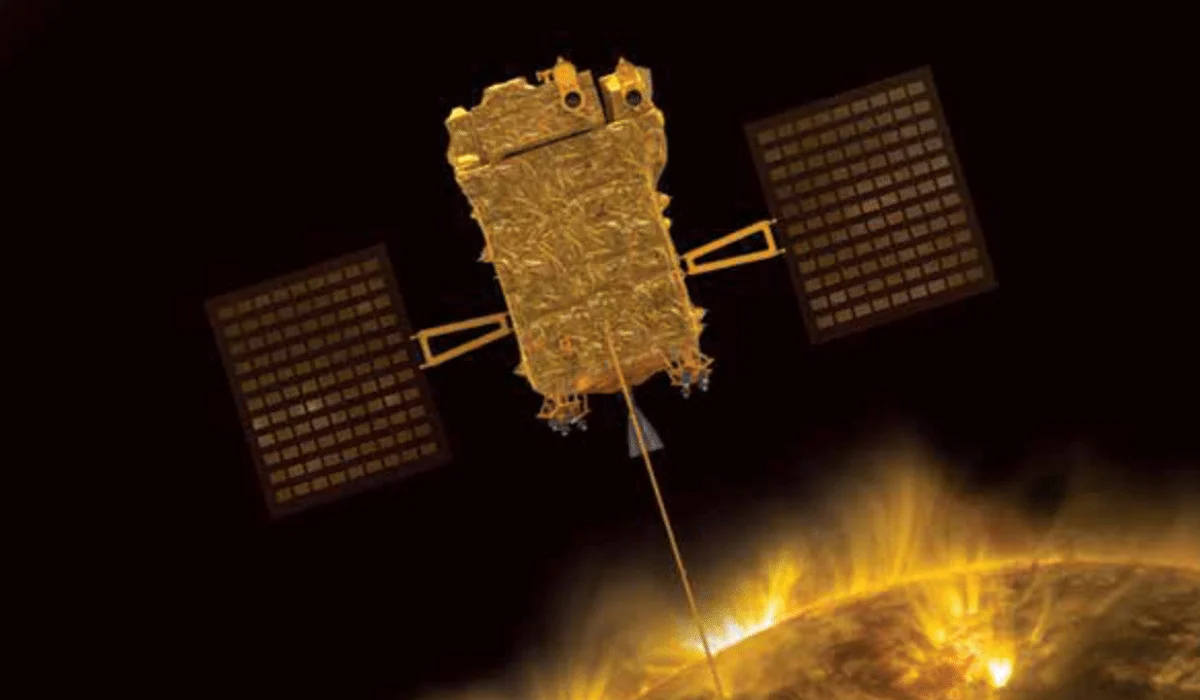
India's Aditya-L1 is a solar observatory operated by the Indian Space Research Organisation (ISRO) that will study the sun from a gravitationally stable point called Lagrange point 1, around 1 million miles from Earth. The spacecraft will investigate the sun's atmosphere, corona, and surface, as well as study Earth's magnetic field and the space environment around L1. The mission's scientific payloads include instruments to measure the interplanetary magnetic field, observe the solar corona, study solar flares, and analyze the solar wind. Aditya-L1 was launched on September 2, 2023, and is expected to operate for around 5.2 years.

science-and-technology2 years ago

India's Aditya-L1 Mission: Exploring the Sun's Secrets

India is set to launch its first space-based solar observatory mission, Aditya-L1, to study the sun. The spacecraft will be launched on September 1 and will take approximately 109 days to reach a halo orbit around the Lagrange point 1 (L1), which is between the sun and Earth. The mission aims to better understand various aspects of the sun, such as coronal heating, space weather, and the physics of the solar corona. Aditya-L1 was originally conceptualized in 2008 and has since been expanded to become a full-fledged observatory. The Indian government allocated around $46 million for the mission in 2019.