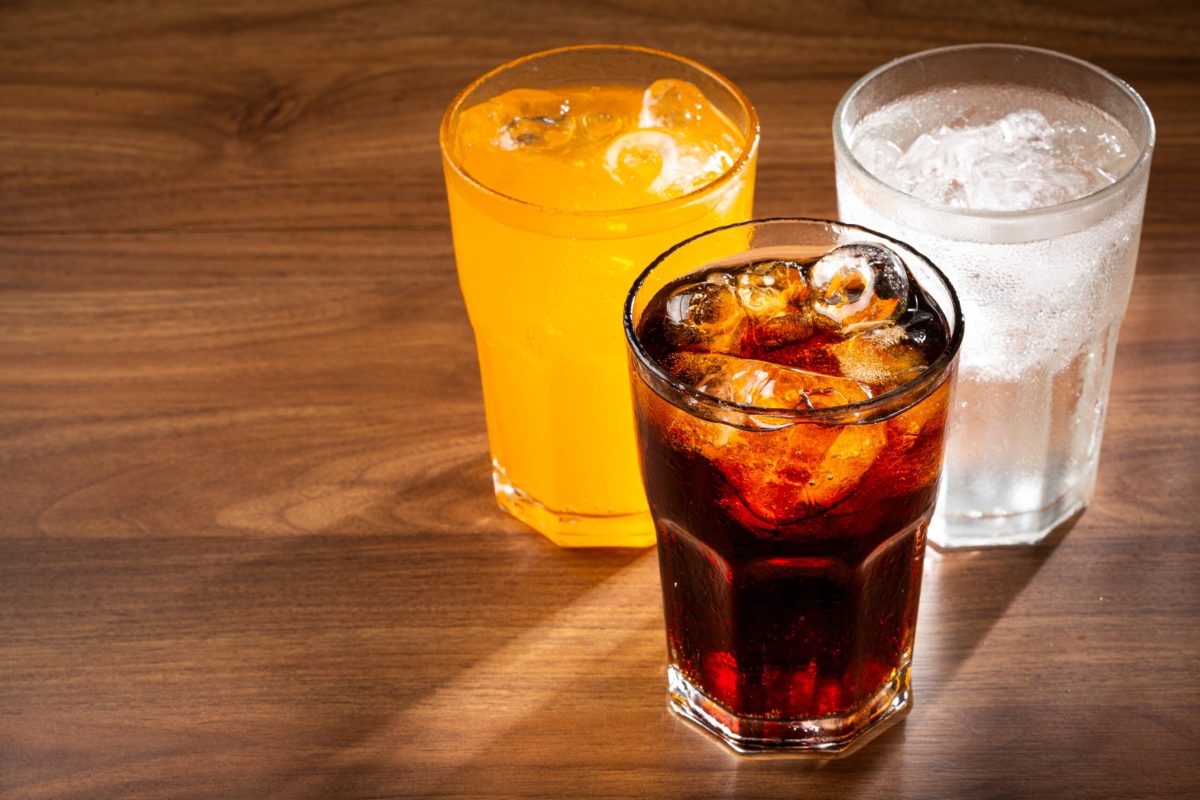
Venezuela's long-standing market presence of PepsiCo and Coca-Cola faces new developments amid the country's unique economic and consumer landscape, highlighting the strategic importance of the Venezuelan soft drink market for these giants.
Heart surgeon Dr. Jeremy London highlights six habits to avoid for better heart health, including smoking, vaping, alcohol consumption, soft drinks, mouthwash with alcohol, refined foods, and ultra-processed foods, emphasizing their negative impact on the body and cardiovascular risk.
A study from Australia and the Netherlands found that drinking just one artificially sweetened soft drink daily is associated with a 38% increased risk of developing type 2 diabetes, surpassing the risk linked to sugar-sweetened drinks, raising concerns about the health impacts of artificial sweeteners.
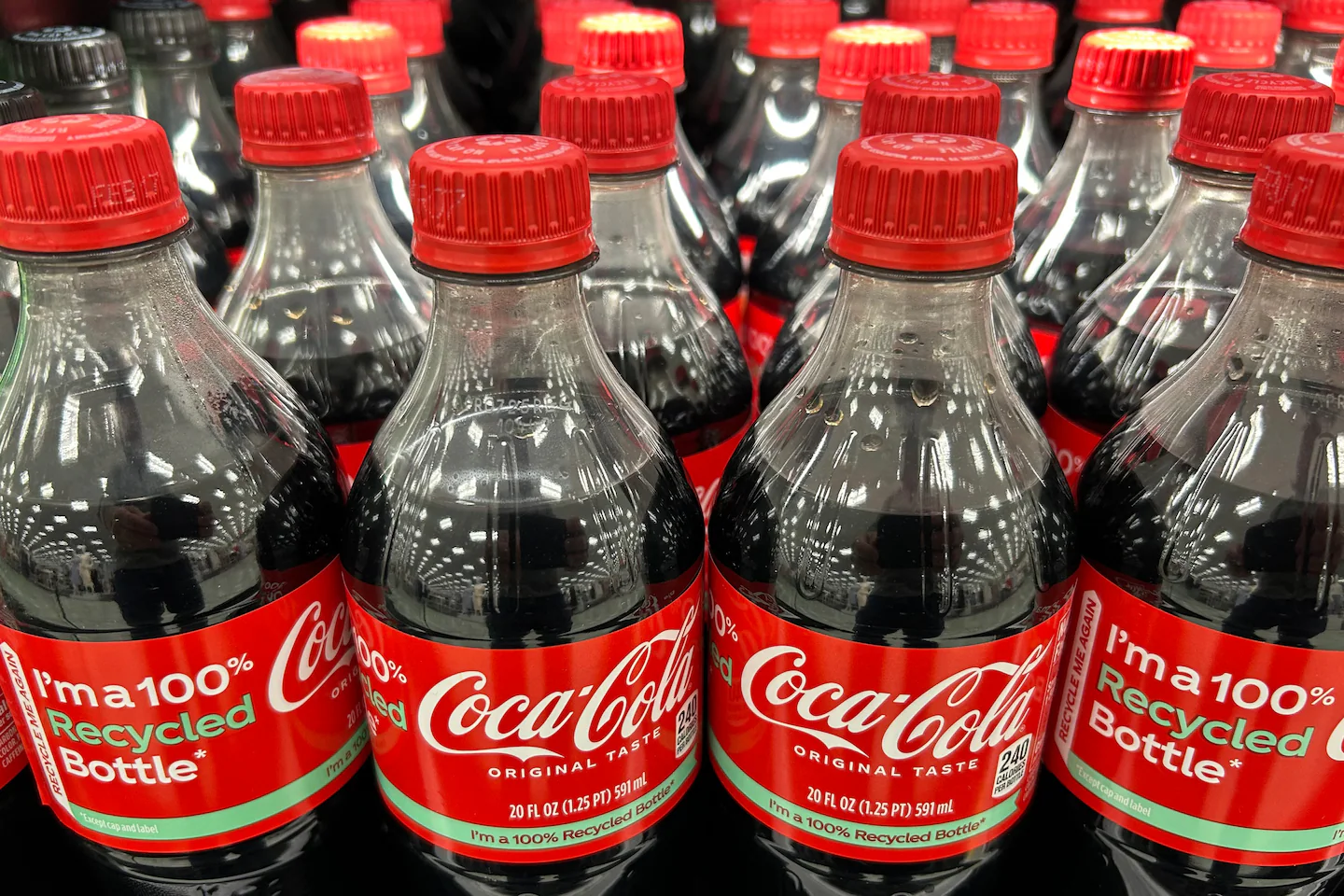
Coca-Cola announced it will launch a new version made with cane sugar in the fall, following President Trump's claim that he persuaded the company to replace high-fructose corn syrup, though the flagship recipe will remain unchanged. The new product aims to offer more choices, but health experts continue to warn about the risks of excessive sugar consumption.
President Trump announced that Coca-Cola will start producing its flagship soda with cane sugar in the U.S., similar to Mexican Coke, aiming to appeal to fans who prefer the taste and natural ingredients, though the company has not confirmed these plans. The move has sparked debate over costs, trade, and health implications, with critics arguing it could harm American farmers and jobs.
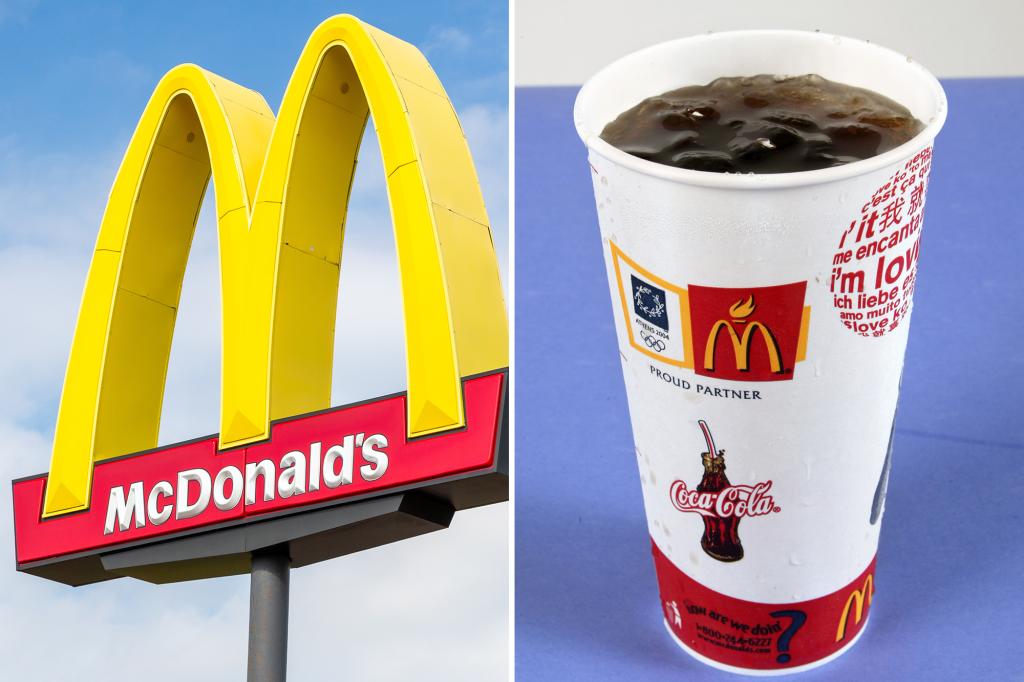
Food scientist Abbey Thiel explains that McDonald's Coke tastes better due to the filtration of water, pre-chilling of water and Coke syrup, special straw design, and the use of stainless steel tanks for syrup delivery, all contributing to a superior flavor and carbonation level.
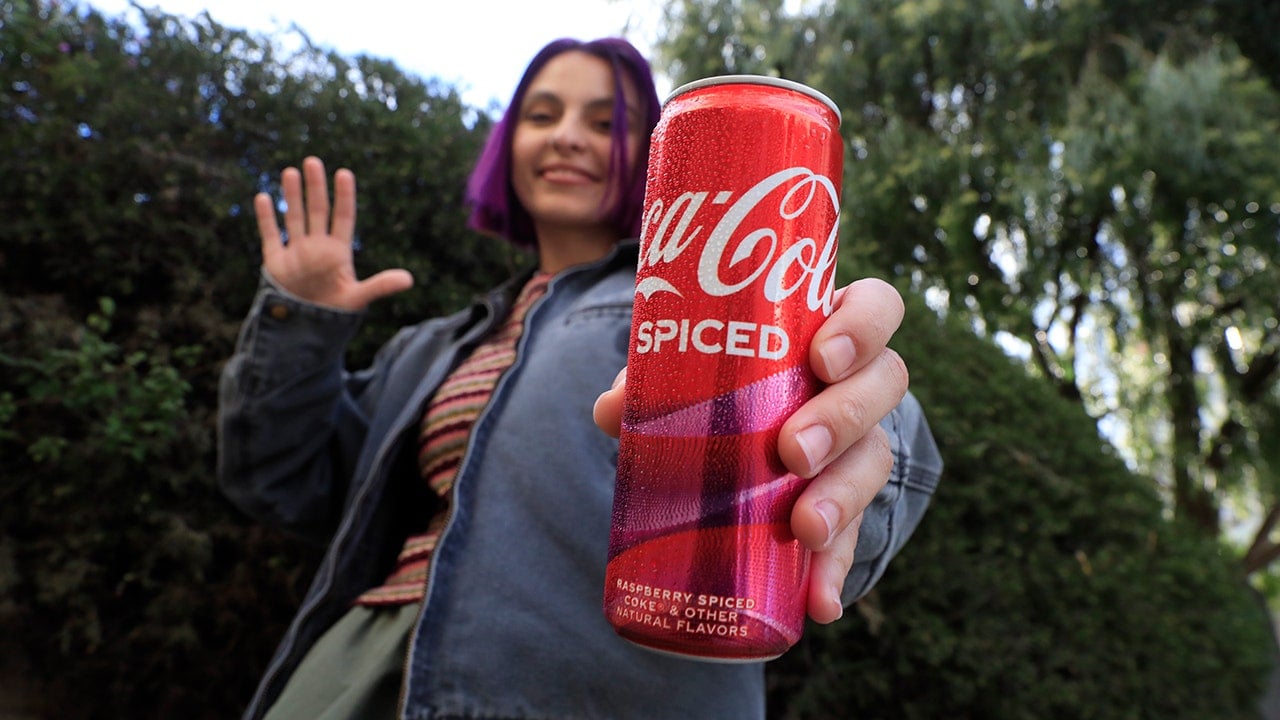
Coca-Cola is set to launch a new permanent flavor called Coca-Cola Spiced, featuring raspberry and spiced flavors, in both full-sugar and zero sugar versions in North America on Feb. 19. This marks the first permanent new flavor from the company in over three years. The release comes just before the announcement of its fourth-quarter financial results, and the company's beverages accounted for 46% of its total unit cases sold in 2022.
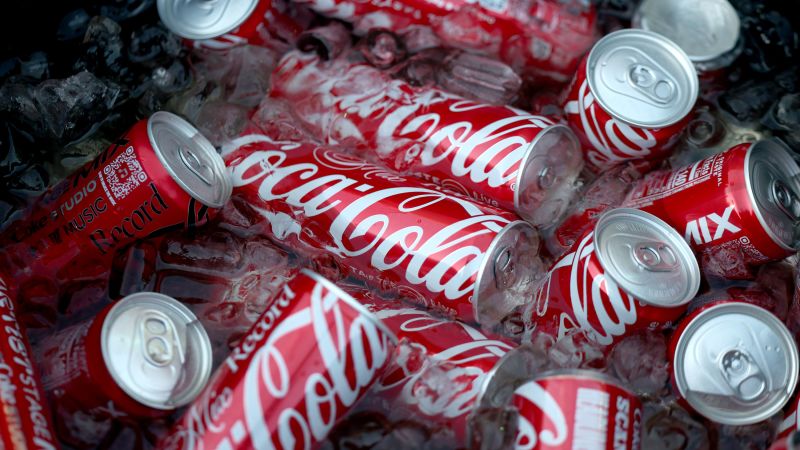
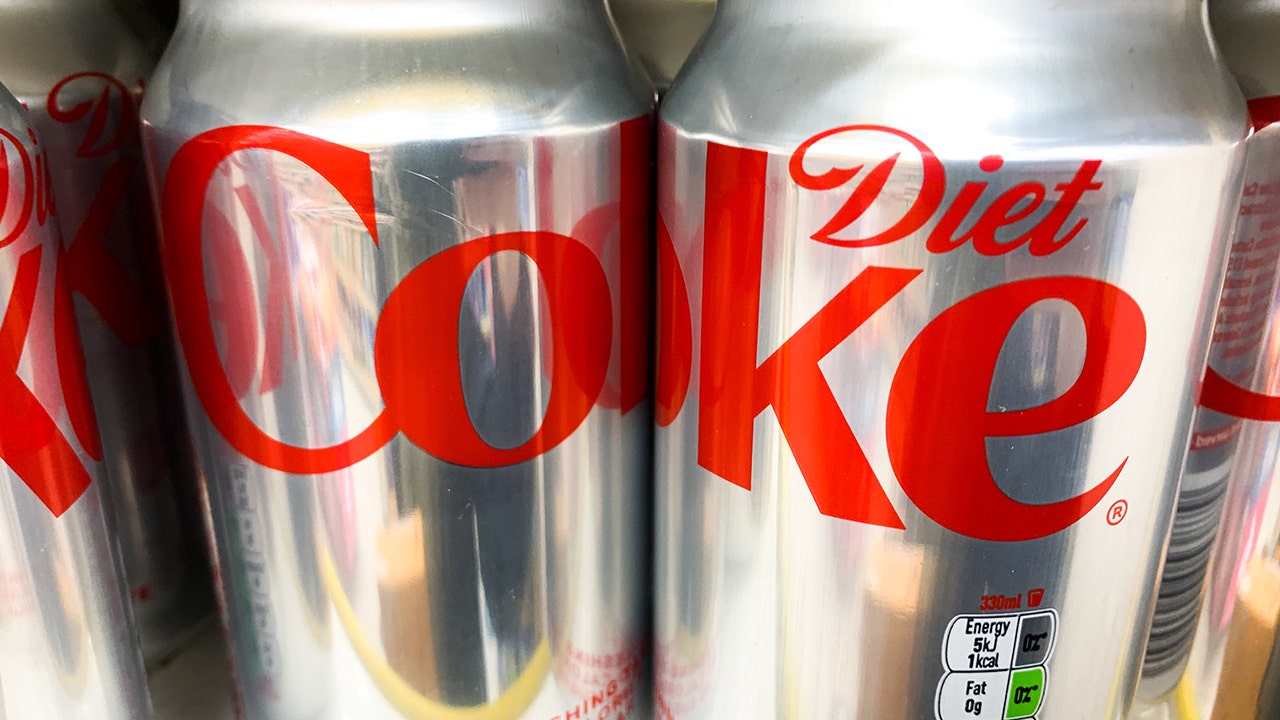
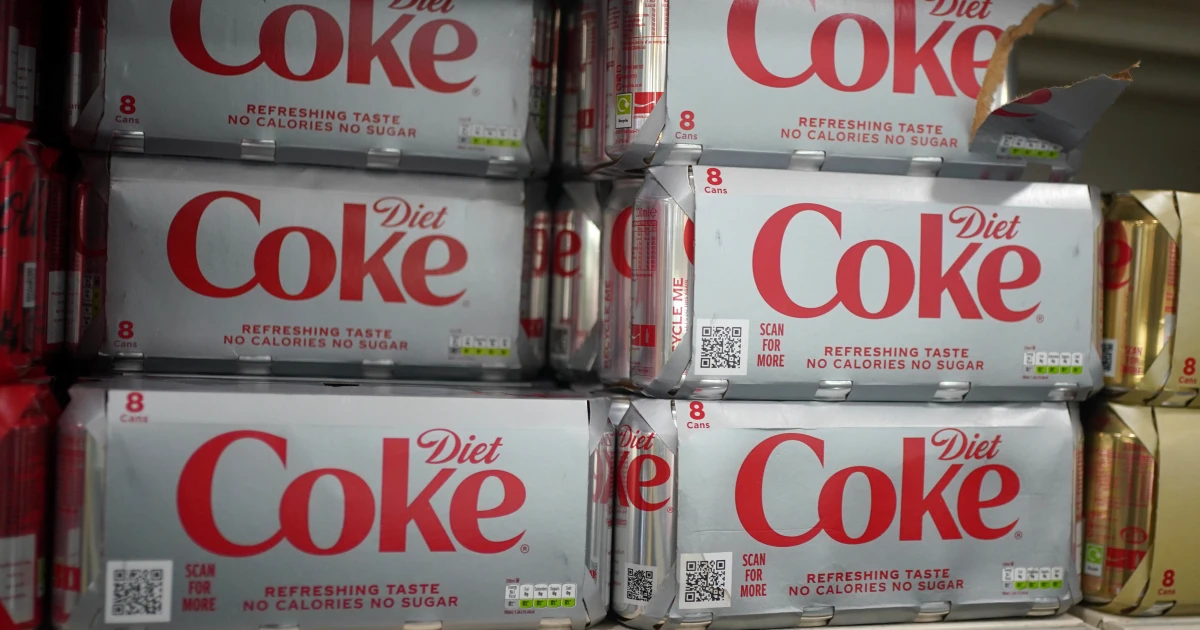
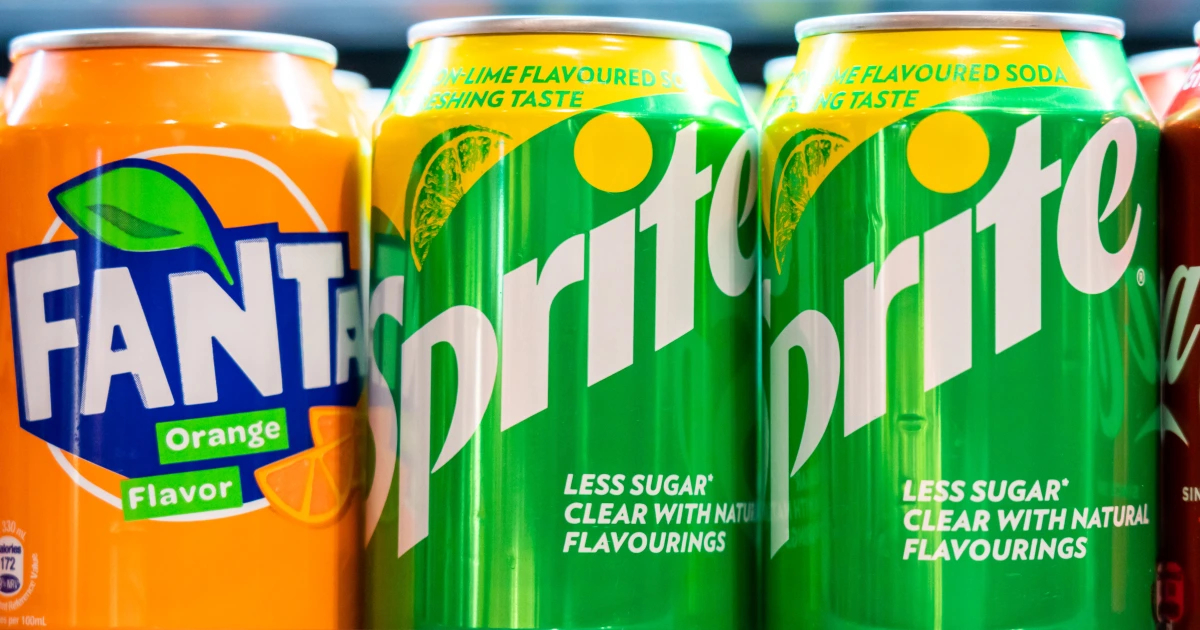
Nearly 2,000 cases of Coca-Cola products, including Diet Coke, Fanta Orange, and Sprite cans, have been recalled due to the risk of "potential foreign material." The recall, initiated by Alabama-based United Packers, LLC, affects three states in the South: Alabama, Florida, and Mississippi. The affected cases had specific "best by" dates and have been removed from the market. Other Coca-Cola brands are not affected by the recall.
Coca-Cola has issued a recall of 2,000 cases of Sprite, Diet Coke, and Fanta Orange due to potential contamination. The recall was initiated by United Packers in Alabama over concerns of "foreign material" in the cans. The FDA classified it as a Class II recall, indicating a potential for temporary or reversible adverse health consequences. This is not the first time Coca-Cola has issued a recall for "foreign material" in its products. The company has determined the recall to be complete, with no further affected cans on the market.
Coca-Cola has recalled approximately 2,000 cases of Diet Coke, Sprite, and Fanta Orange in Alabama, Mississippi, and Florida due to potential contamination with "foreign material." The recall, initiated on November 6, includes cans produced by United Packers. Coca-Cola has confirmed that the recall is complete and there are no more affected cans on the market.
Bui Thi Loi, who was struck by lightning in 1963, has lived for over 50 years consuming only water and soft drinks. Now 75 years old, she claims the smell of food makes her nauseous and relies on sugary beverages for sustenance. Doctors explain that while soft drinks can provide quick energy and support digestion, they can also lead to health problems such as obesity, diabetes, high blood pressure, and cardiovascular diseases.
A 75-year-old Vietnamese woman, Bui Thi Loi, claims to have survived on a diet of water and sugary soft drinks alone for the past 50 years. After being struck by lightning in 1963, she lost her appetite for solid food and has since relied solely on liquids. Doctors acknowledge that the soft drinks provide quick energy and support digestion, but caution against the potential health risks associated with such a diet. While similar claims have been made in Vietnam, scientific verification is still pending.
McDonald's plans to phase out self-serve beverage stations in its U.S. dining rooms by 2032, aiming to create a consistent experience for customers and staff. With this change, customers will need to go to the counter for refills. While the fast-food chain did not explicitly mention health factors, the move could unintentionally help customers consume less sugary drinks. The average American consumes nearly double the recommended amount of added sugar, and reducing access to self-serve soda machines may assist in curbing sugar intake. The decision was reportedly influenced by factors such as food safety, theft prevention, and a decline in dine-in customers. McDonald's, like other quick-service restaurants, has seen a shift towards digital sales channels, potentially indicating a future focus on digital ordering and delivery.
A recent study found that both diet and regular soft drinks can increase salivary insulin levels, challenging the idea that diet sodas do not raise insulin levels. The study also found higher levels of the artificial sweetener aspartame in saliva with the consumption of diet soft drinks. While the long-term effects of these beverages on health are still unclear, the findings suggest potential harm from excessive consumption. Further research is needed to fully understand the effects and implications of artificial sweetener use.
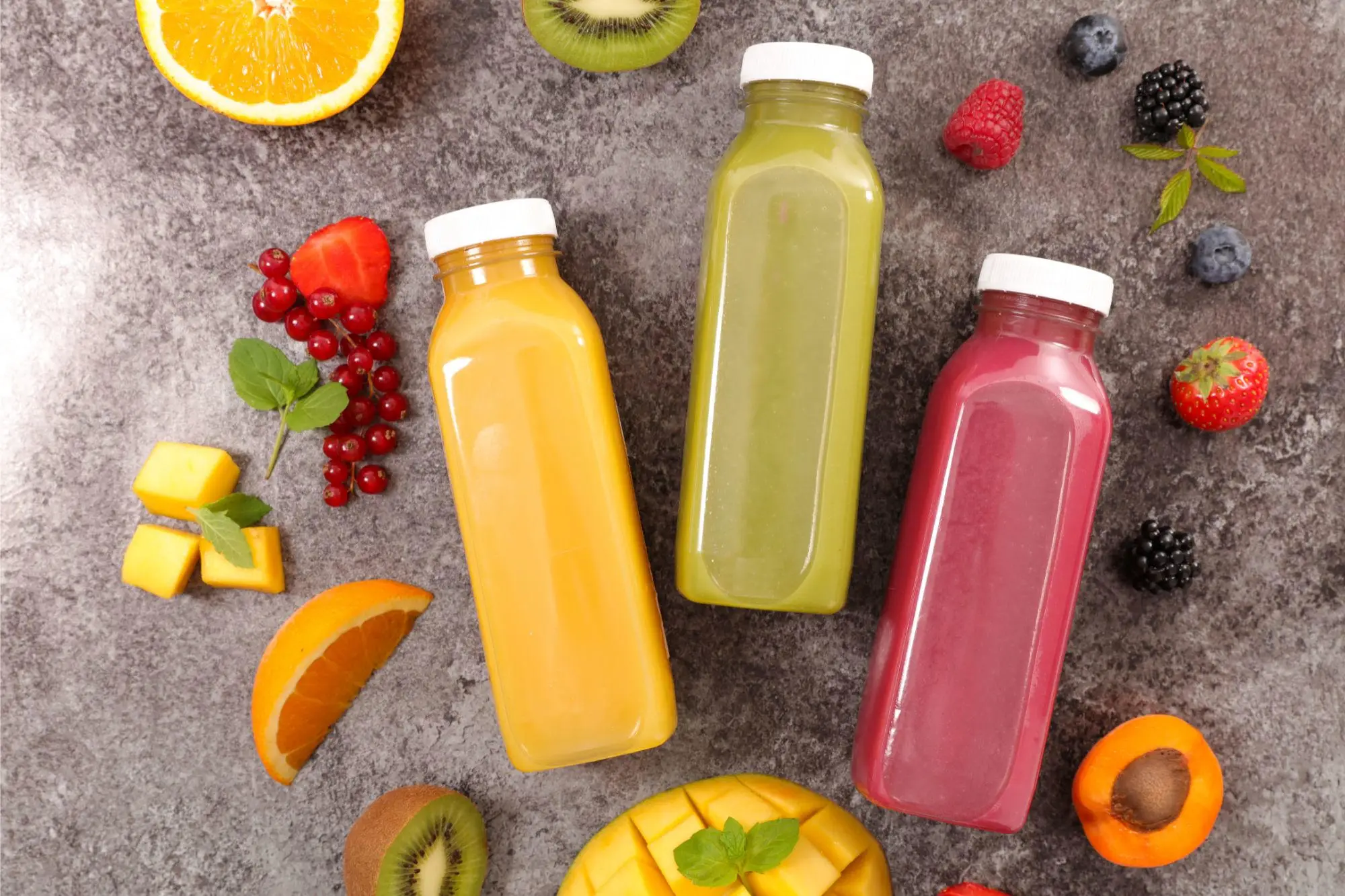
A study conducted by Tulane University has found that certain popular fruit juices and soft drinks contain elevated levels of toxic metals, surpassing federal standards for safe drinking water. The investigation tested 60 beverages and identified five that exceeded the safe limits for toxic metals, including arsenic and cadmium. Mixed-fruit juices and plant-based milks were found to have higher concentrations of toxic metals. While the health risks for adults consuming these beverages in smaller quantities are likely low, parents are advised to be cautious about offering them to children, as these toxic metals can cause internal organ damage and cognitive harm, particularly during early brain development. The study highlights the need for further research and awareness regarding the contents of American beverages.