Several significant laws will take effect in 2026, including tax increases and adjustments, social media restrictions for minors, new labor protections, and transgender rights regulations, impacting various aspects of American life from finances to social media use and workplace safety.
The murder of conservative activist Charlie Kirk has been linked to online activity on Discord, with authorities investigating multiple users and considering increased regulation of social media platforms amid concerns about extremism and online radicalization. Discord is under scrutiny for its role in facilitating extremist communication, although it denies planning or promoting violence. The case has reignited debates over Section 230 and the responsibility of online platforms in preventing violence.
Congress passed the PAFACA law banning TikTok in the US unless sold by ByteDance, reflecting concerns over Chinese data access, with bipartisan support despite opposition from former President Trump. The Supreme Court rejected an emergency appeal against the ban, highlighting ongoing tensions over foreign influence and social media regulation.
Protests in Nepal turned violent, with protesters attacking government buildings and residences, resulting in 19 deaths and numerous injuries. The government is investigating the police shootings and has promised compensation. Amidst the unrest, Nepal's government proposed a social media regulation bill criticized as censorship, which has led to the blocking of non-compliant platforms, raising concerns over freedom of expression.
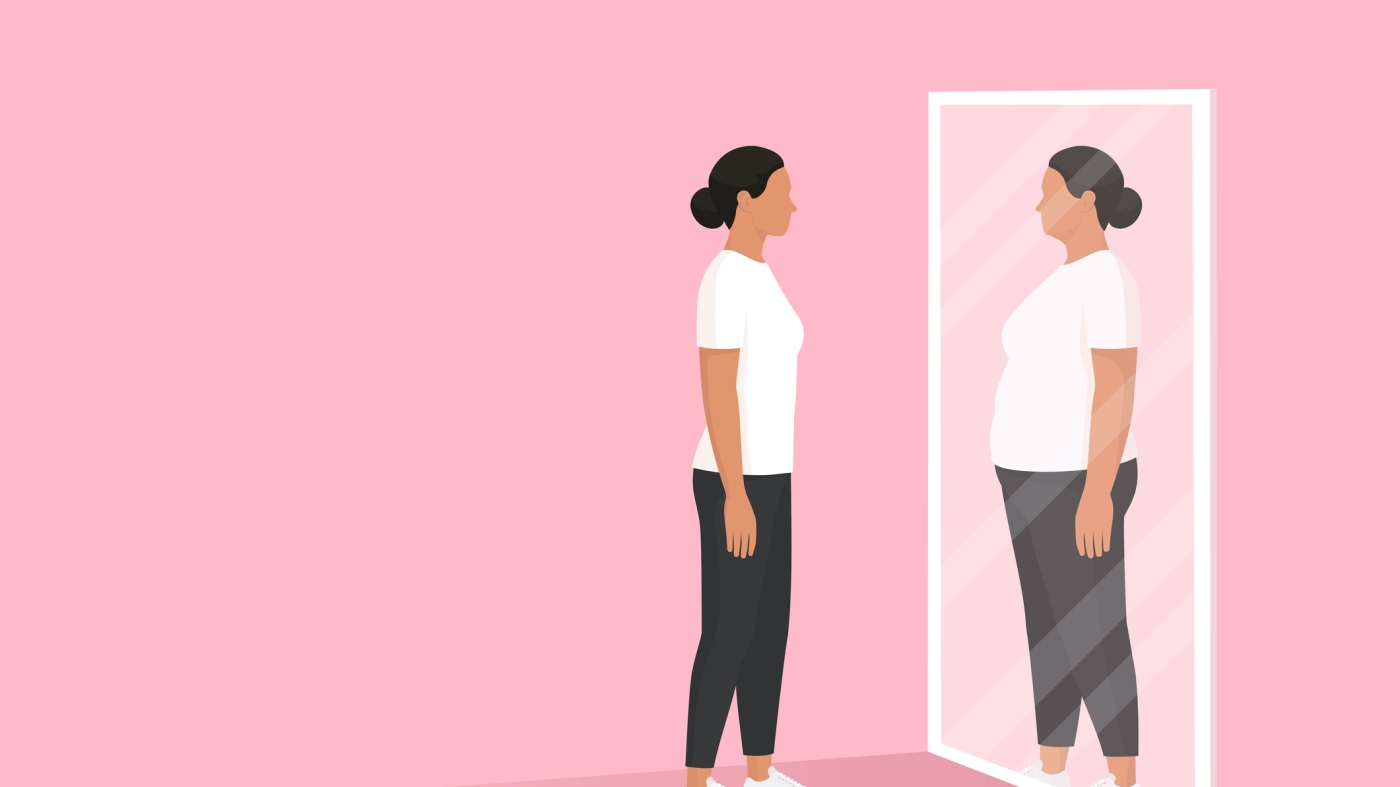
TikTok banned the #SkinnyTok hashtag due to its promotion of unrealistic body images and extreme weight loss, but harmful content promoting unhealthy eating persists across social media. Research indicates such content increases the risk of disordered eating, especially among young women. While some creators promote body positivity and warn against dangerous content, the platform's algorithms often amplify harmful messages. Experts suggest that regulation and increased awareness are necessary to combat the deep-rooted societal beauty standards and the monetization of harmful content. Until then, avoiding such content remains the best strategy.
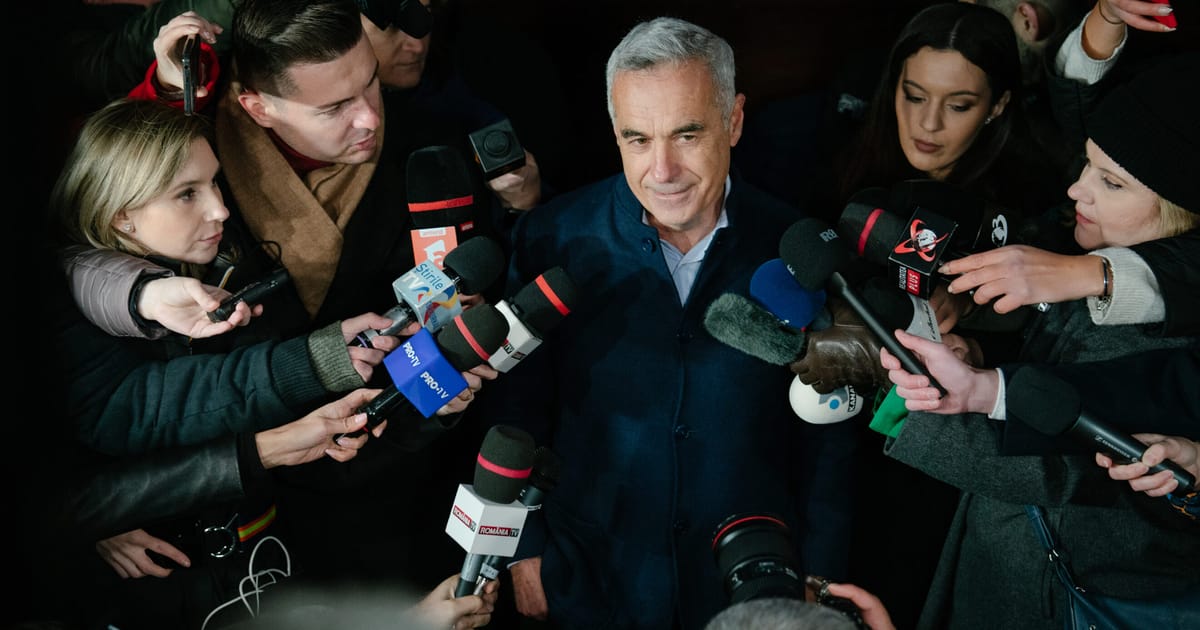
The European Commission is mediating between TikTok and Romanian authorities after the app was accused of influencing Romania's presidential election, which saw ultranationalist Călin Georgescu win unexpectedly. Romanian regulators threatened to suspend TikTok, alleging foreign-sponsored accounts amplified Georgescu's message. TikTok denies any improper influence, stating no evidence of covert operations was found. A summit is planned before the election's second round on December 8, as Romania seeks a formal EU investigation under the Digital Services Act.
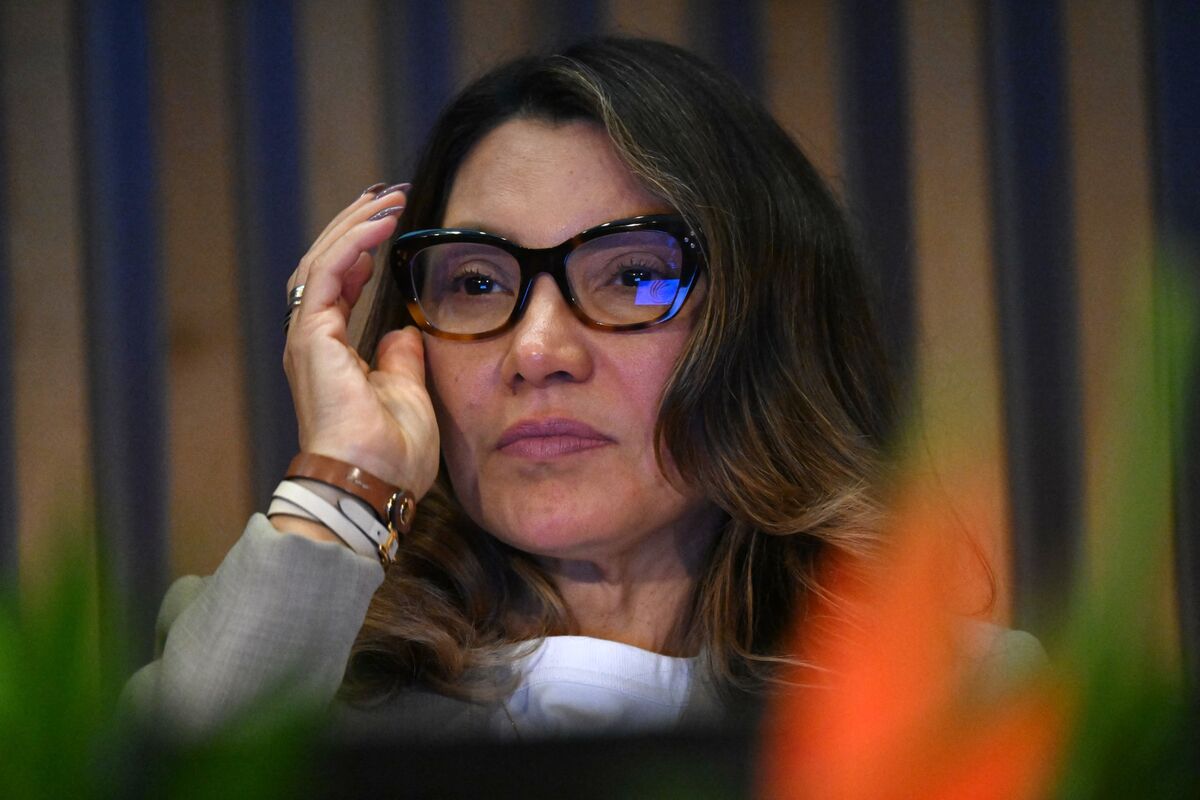
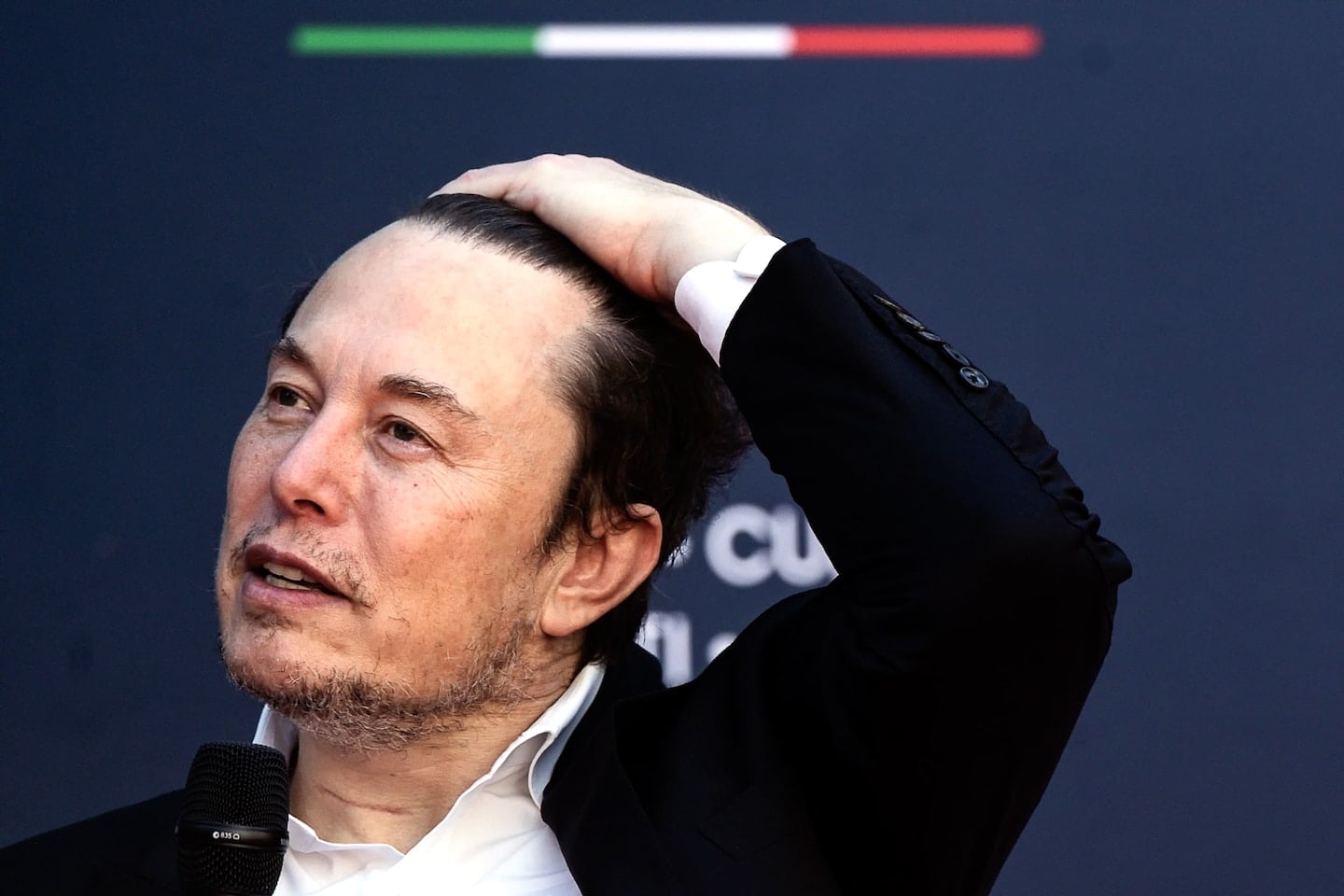
Brazil's First Lady, Rosangela da Silva, criticized Elon Musk at an event in Rio de Janeiro, expressing frustration over the influence of his social media platform, X, on the spread of fake news. Her comments came as her husband, President Luiz Inacio Lula da Silva, prepared to host the G-20 summit, highlighting the need for social media regulation.
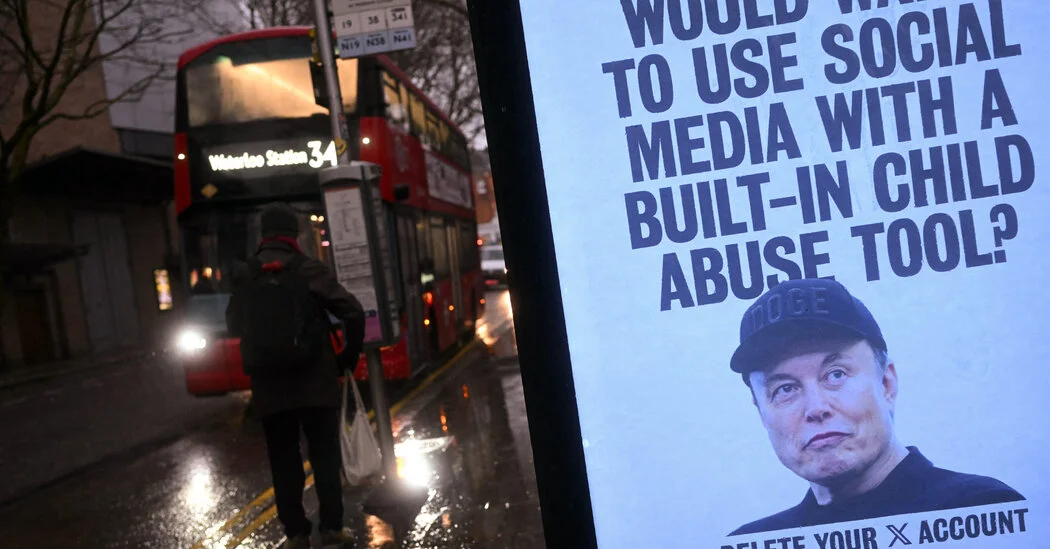
X, formerly known as Twitter, has implemented a new policy requiring users to opt-in to view pornographic and violent content, blocking such material for users under 18 or those without a birthdate on their profile. This move comes amid increasing regulatory pressure to protect minors from inappropriate content. The platform will automatically adjust account settings if users fail to mark adult content appropriately. The policy aligns with app store guidelines and addresses ongoing legal issues related to violent content.
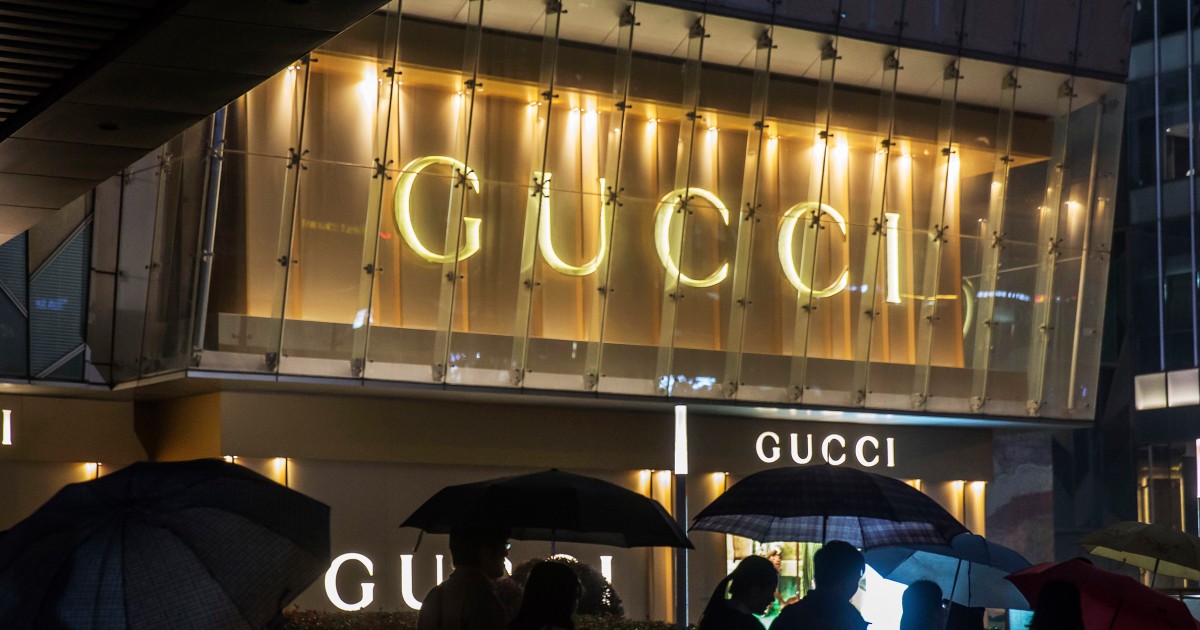
China is cracking down on social media influencers who flaunt their wealth, with accounts being blocked for showcasing luxurious lifestyles. The Cyberspace Administration aims to curb "wealth-flaunting" behavior to address social discontent amid an economic slowdown and competitive job market. This move is part of broader efforts to combat undesirable social trends and promote a more grounded and focused youth culture.
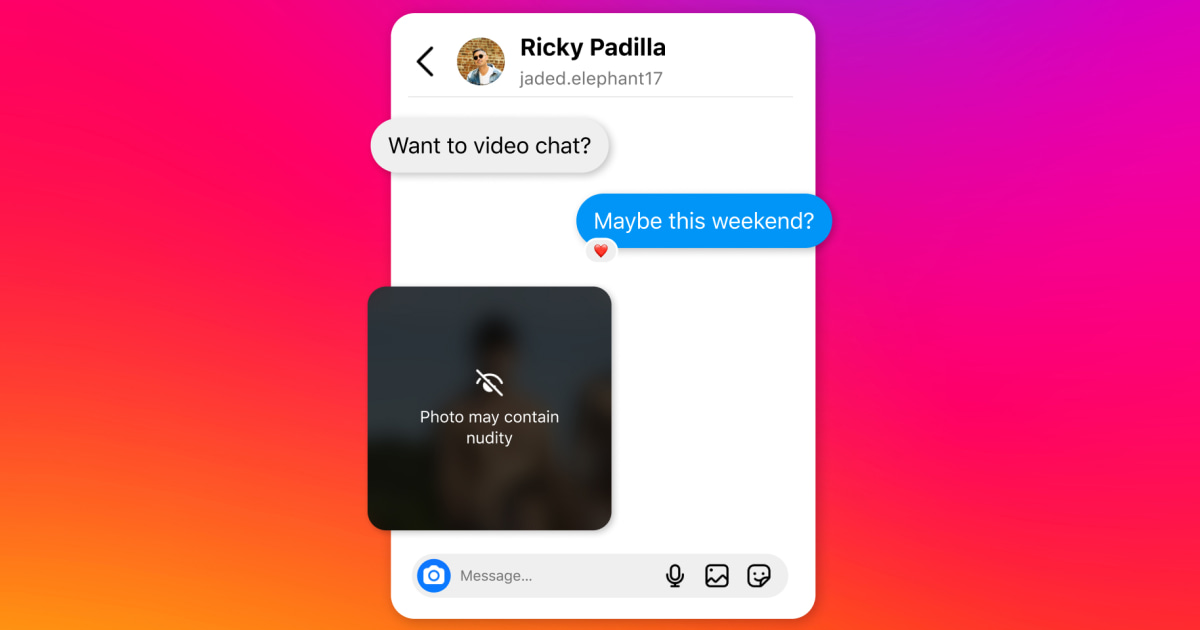
Instagram plans to test a new "nudity protection" feature to prevent sextortion, automatically blurring detected nude images and providing warnings for users under 18. The platform will also push messages reminding users to be cautious when sending sensitive photos and offer support resources. This comes amid increasing efforts to regulate social media and concerns about online child safety, with Instagram emphasizing its commitment to protecting young users and taking severe action against sextortion. The new feature has been applauded by experts and will roll out in the U.S. in the coming weeks and globally in the coming months.
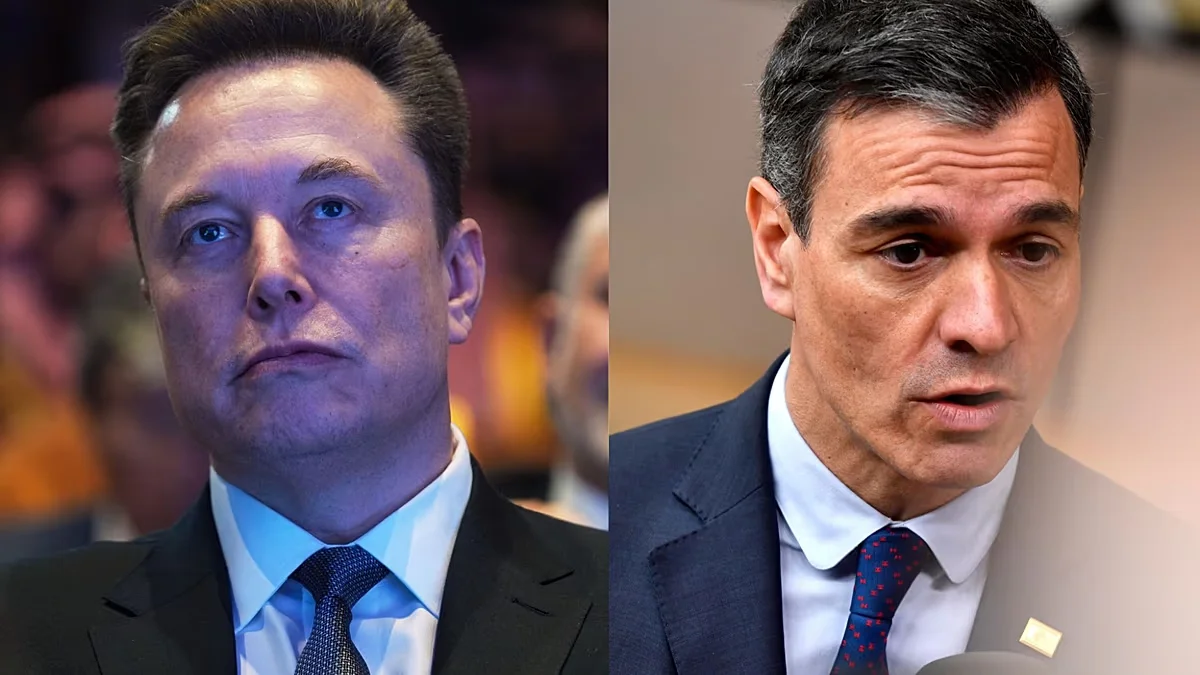
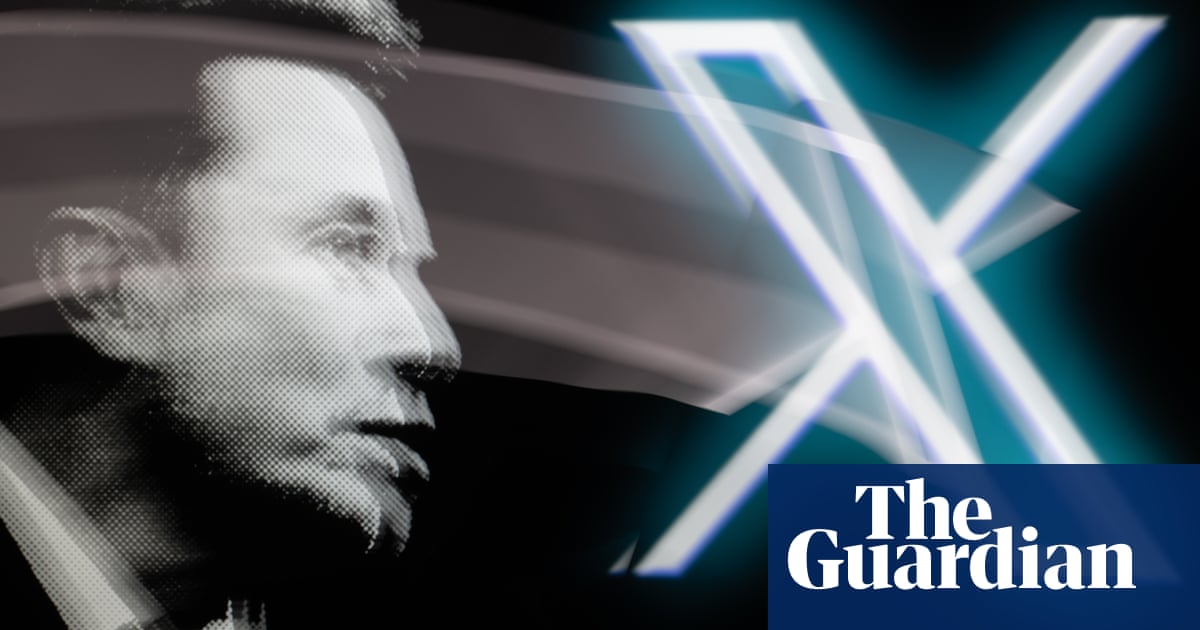
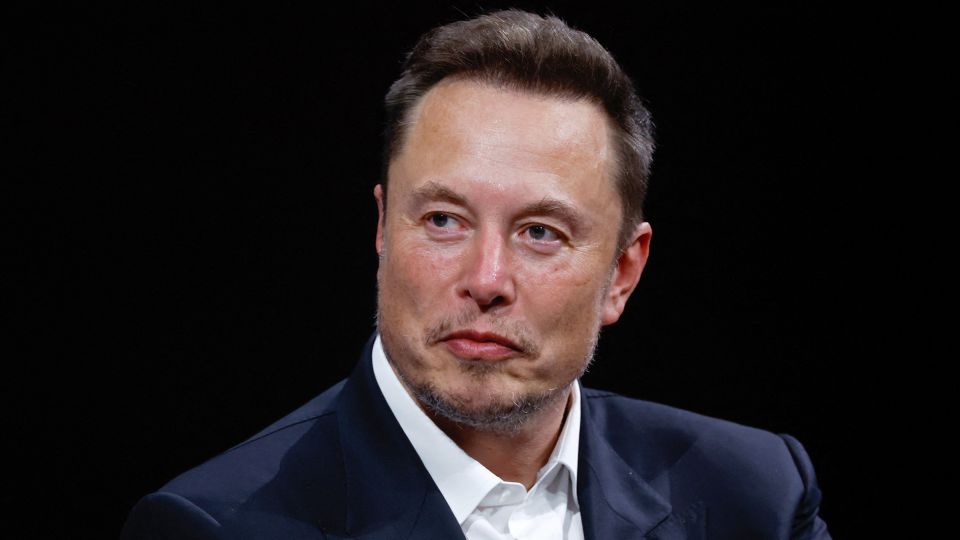
Brazil's attorney general has called for social media regulation after Elon Musk defied a court order banning certain accounts on X, prompting the Supreme Court to describe his actions as a "flagrant" obstruction of justice and announce an inquiry into the billionaire businessman. Musk, who owns X, criticized the court's decision as "aggressive censorship" and threatened to lift all restrictions, potentially leading to the shutdown of X's office in Brazil. The standoff reflects a broader clash between authorities and Musk, who has relaxed X's content moderation policies and faced criticism for accommodating government censorship demands in the past.
Elon Musk challenges a Brazilian judge's order to block some accounts on X, prompting the judge to announce an inquiry into Musk for potential obstruction of justice. The judge has been cracking down on fake news and hate speech, leading to a confrontation with influencers and politicians on the political right. Musk pledged to defy the order and encouraged the use of VPNs for continued access to the platform, risking losing revenue in Brazil. This comes amid Brazil's struggle to contain misinformation that has fueled violence, particularly in the lead-up to the 2022 presidential election. Right-wing political leaders in Brazil cheered Musk for taking on the judge, while Brazil's attorney general criticized Musk for failing to comply with court orders and threatening authorities.
Elon Musk challenges a Brazilian Supreme Court justice's order to block certain accounts on his social media platform X, formerly known as Twitter, and calls for the judge's resignation. Musk criticized the judge for violating the constitution and people of Brazil, and announced that X would lift all restrictions despite the judge's prohibition. Brazil's solicitor general criticized Musk's decision and called for regulation of social media networks to prevent foreign platforms from violating Brazilian laws. The Supreme Court had no comment on the matter, and the justice leading the investigation into an alleged coup attempt by former President Jair Bolsonaro is known for combating online misinformation in Brazil.
The Canadian government's Online Harms Act, or Bill C-63, has sparked controversy for its potential to imprison adults for life if they advocate for genocide and impose house arrest and fines based on the belief that a defendant "will commit" an offense. Critics, including author Margaret Atwood, have labeled the bill as Orwellian and totalitarian, while supporters argue it is necessary to protect children from online dangers. The bill, aimed at making social media safer, has drawn criticism for government overreach and concerns about free speech.
Supreme Court justices appeared divided during oral arguments over the constitutionality of laws in Florida and Texas that restrict social media companies' content regulation, with both sides claiming to defend free speech online. The laws, enacted in response to former President Donald Trump's social media bans, bar firms from banning users based on their views and require disclosure of content policies. Justices grappled with whether online platforms are publishers with broad First Amendment protection or common carriers subject to government regulation. The court's decision, expected before June, could have significant implications for free speech and government regulation of social media.