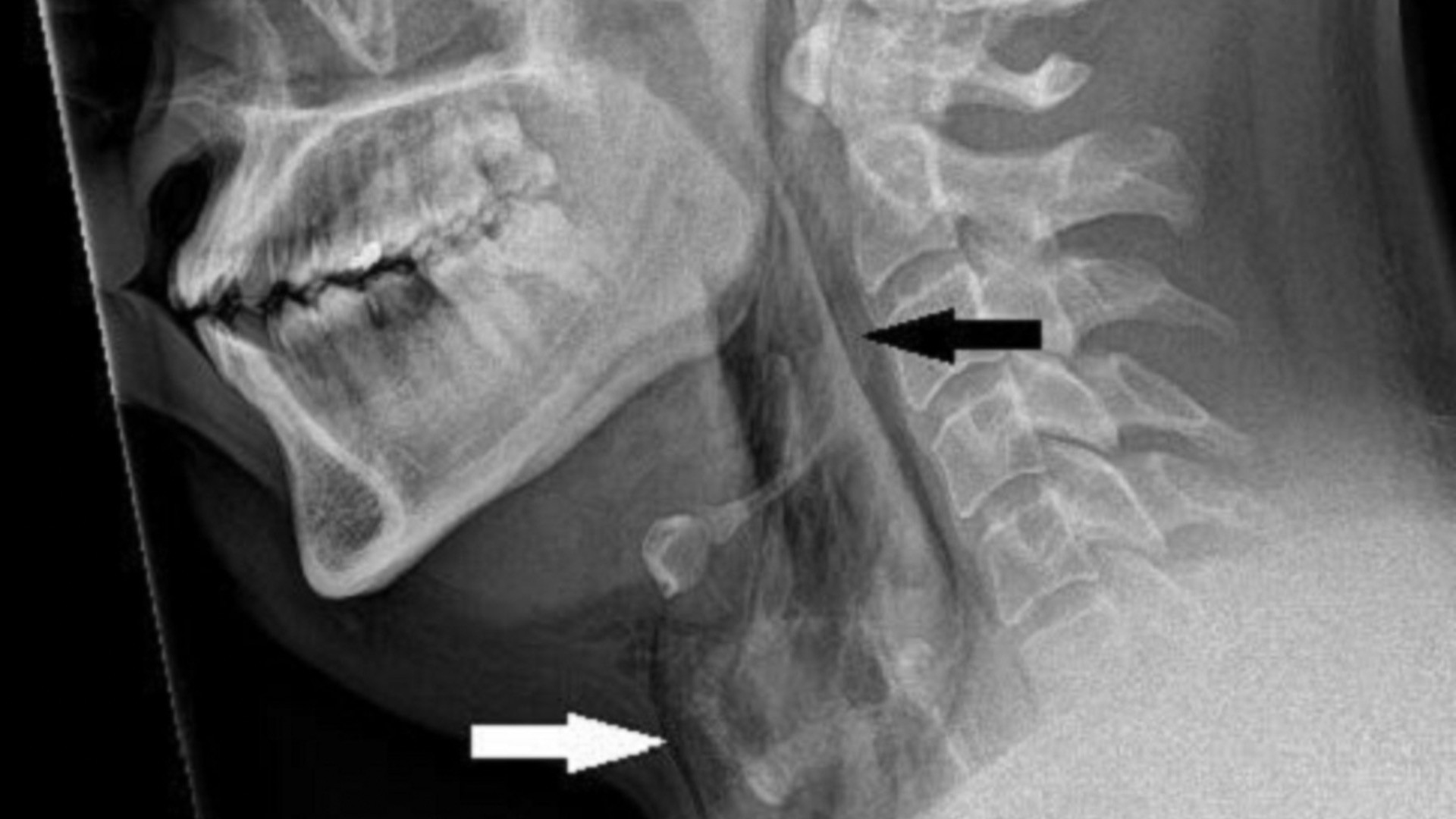
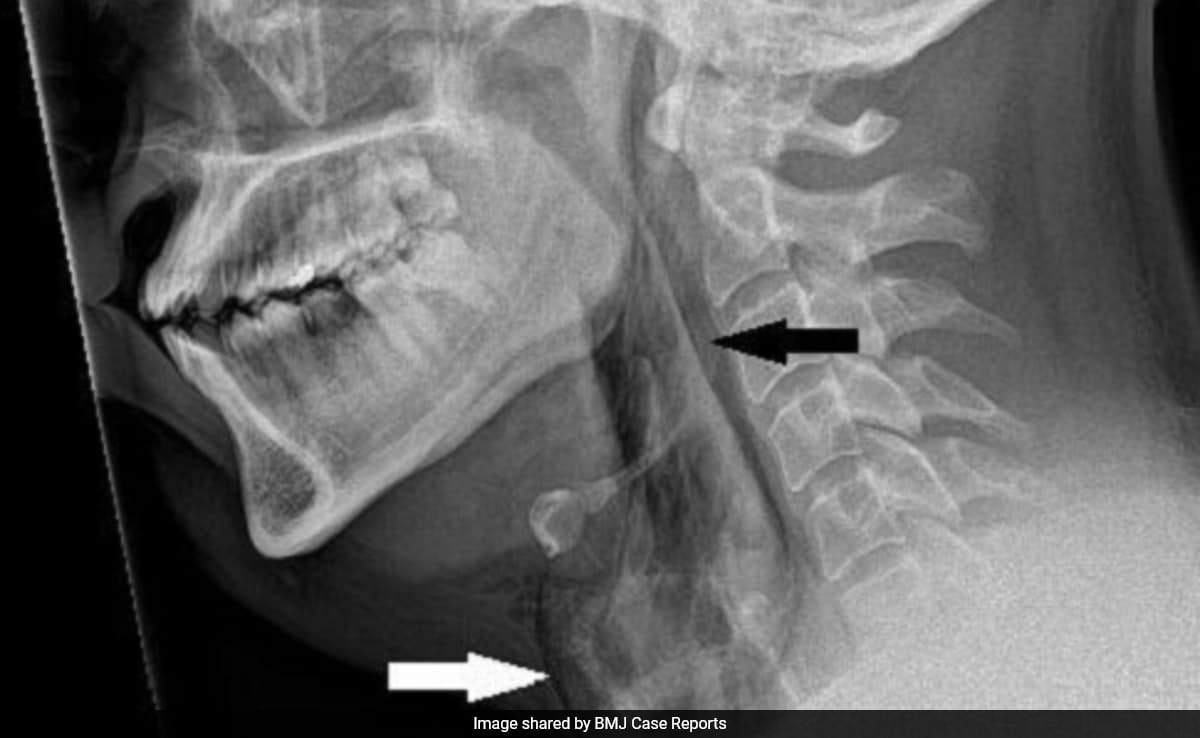
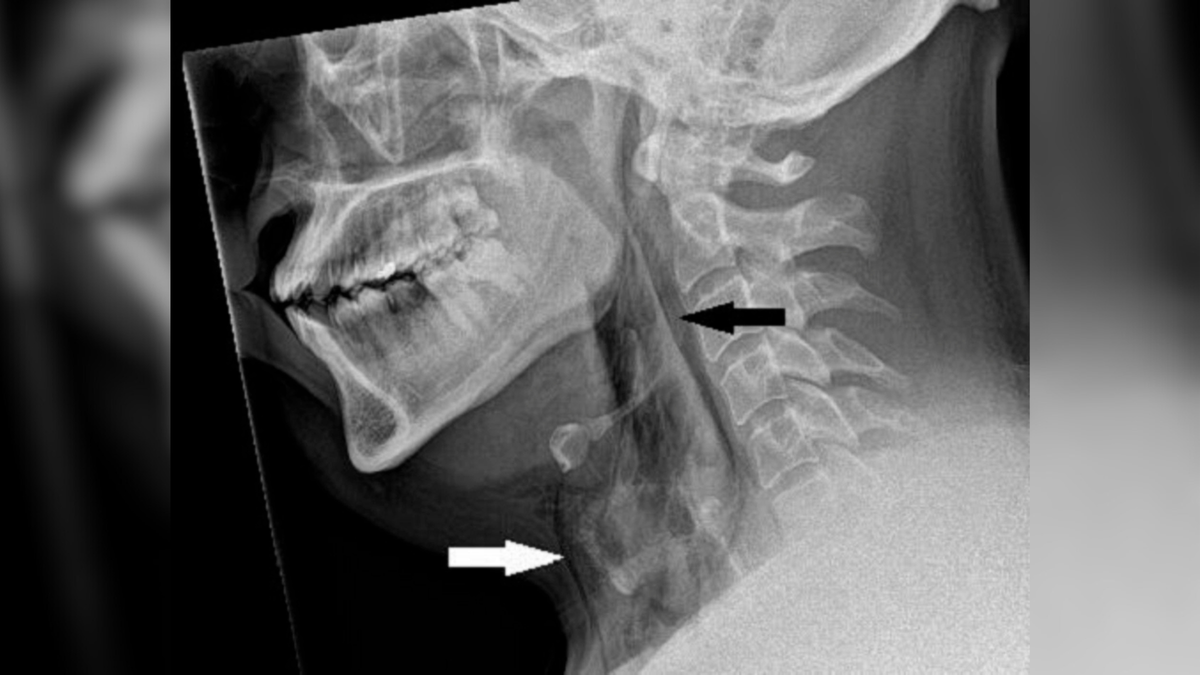
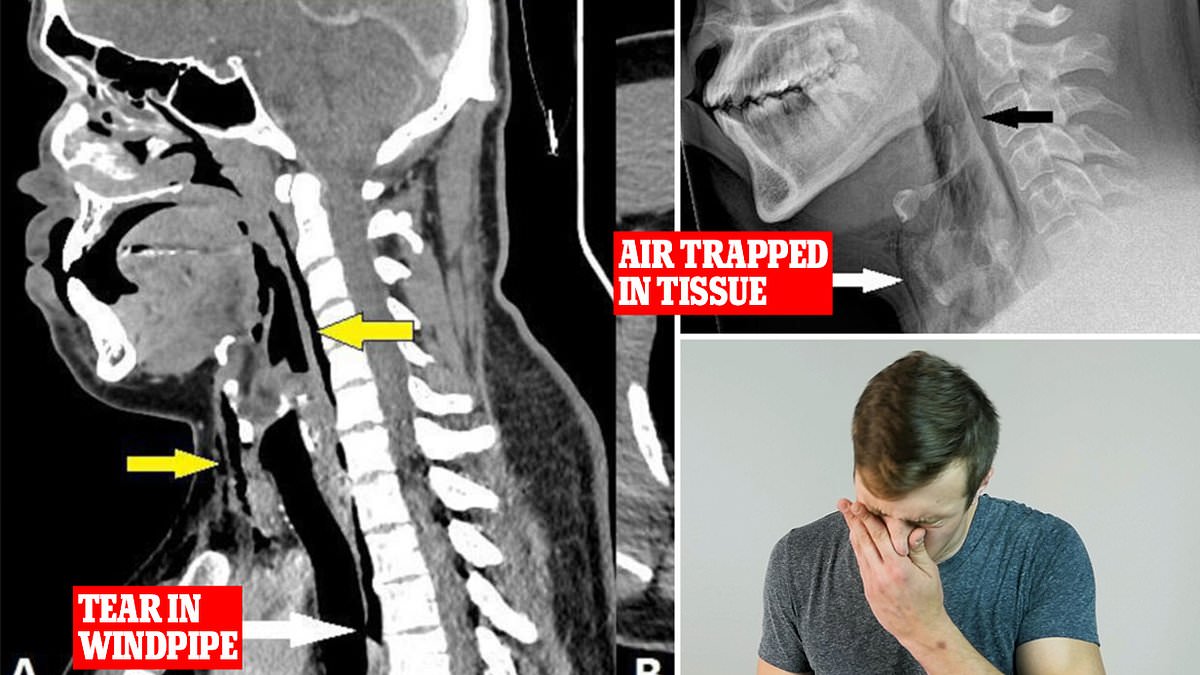
A man suffered a neck rupture and air leakage into his chest after attempting to suppress a sneeze by covering his nose and mouth, highlighting the dangers of holding in sneezes which can lead to serious injuries like airway rupture and pneumomediastinum.
Astronomers have observed a baby star in the Taurus constellation "sneezing" out dust, gas, and magnetic energy, shedding most of its magnetic energy early in its evolution. This shedding mechanism prevents the star's high-spinning profile from breaking apart. The discovery, made using the ALMA observatory, suggests that such sneezing events could be a common method by which stars evolve. The expelled material may remain in interstellar space for eons, and further research will investigate the impact of these events on planet formation.
Despite warmer weather, it's not allergy season yet as pollen has not formed on trees. Sneezing and congestion could be due to indoor, year-round allergies such as pets or dust mites, or a cold. Allergist Dr. Todd Hostetler advises getting tested to identify specific allergies and differentiate from other conditions. Allergy season typically starts in spring, but its onset can be unpredictable and dependent on weather conditions.
Doctors are warning against stifling sneezes after a man in the UK tore his throat by pinching his nose and closing his mouth to suppress a sneeze. The increased pressure in the upper airways during a stifled sneeze can lead to rare and potentially life-threatening conditions such as tracheal perforation. Sneezing helps protect the body from allergens, germs, and irritants, and doctors advise covering the face with a hand or the inner side of the elbow to prevent the spread of irritants to others.
Doctors are warning against stifling sneezes after a man in Scotland tore a hole in his throat while attempting to suppress a sneeze while driving. The man experienced shooting neck pain and was diagnosed with a spontaneous tracheal perforation. CT scans revealed the torn windpipe. The case, reported in BMJ Case Reports, was described as a rare and potentially life-threatening complication. Experts advise letting sneezes out naturally to prevent such injuries and recommend covering the face with a hand or inner side of the elbow to prevent the spread of irritants.
A man in the UK suffered a rare injury when he attempted to suppress a sneeze and ended up ripping a hole in his windpipe. The incident occurred while he was driving and had hay fever. Instead of letting the sneeze go naturally, he squeezed his nose and shut his lips, resulting in severe neck pain. The case was reported in the BMJ case reports.
A man in the UK tore open his windpipe after holding in a sneeze, which is believed to be the first documented case of such an injury. The man, who had a history of hay fever, experienced severe neck pain after stifling his sneeze by pinching his nose and closing his mouth. Medical tests revealed a spontaneous tracheal perforation, a hole in his windpipe. While more serious cases require urgent surgery, the man was treated conservatively with painkillers and allergy medication, and his tear healed completely after five weeks. Holding in sneezes can lead to rare but serious complications, and doctors advise against it.
Doctors in the UK have reported the first documented case of a man tearing open his windpipe by holding in a sneeze. While serious cases of tracheal perforation can be life-threatening, the man made a full recovery after being treated with painkillers and allergy medication. Holding in sneezes can lead to various complications, including fractured ribs, ruptured eardrums, and burst blood vessels in the brain. Doctors advise against stifling sneezes and recommend sneezing into the elbow to prevent the spread of germs.
Doctors in Dundee have issued a warning after a man tore a 2mm hole in his throat while trying to stifle a sneeze. The man, who was driving at the time, held his nose and closed his mouth to concentrate on the road, but experienced excruciating pain. CT scans revealed a tear in his windpipe caused by increased pressure from closing the airways during the sneeze. The tear healed within five weeks, but doctors advise against stifling sneezes to prevent tracheal perforation.
In a rare case, a man tore his windpipe while trying to hold in a sneeze, causing a tiny hole in his windpipe. The force of the suppressed sneeze resulted in a 20 times stronger sneeze, causing significant damage. The man sought medical attention and was diagnosed with surgical emphysema. Although he did not require surgery, he was kept under observation for two days and advised to avoid physically demanding activities. Doctors warn against stifling sneezes and emphasize that windpipe injuries are extremely rare but not impossible.
A case study published in the BMJ Case Reports journal describes the first known instance of a man tearing a small hole in his windpipe while attempting to suppress a sneeze. The man experienced severe neck pain and swelling after stifling his sneezes by pinching his nose and closing his mouth. Medical tests revealed a tear in his windpipe, which healed completely after a few weeks of recuperation. The researchers caution that the pressure inside the upper airways during a sneeze can increase significantly, and suppressing a sneeze can lead to serious injuries.
In the first known case of its kind, a man tore a small hole in his windpipe after attempting to hold in a sneeze. The man experienced severe pain and swelling in his neck, but did not have any issues with breathing, swallowing, or talking. Doctors discovered that the tear was caused by a rapid build-up of pressure in the trachea while sneezing with a pinched nose and closed mouth. While such injuries are rare, doctors warn against stifling sneezes in this manner as it can result in tracheal perforation.
Doctors report the first recorded case of a man tearing his trachea after attempting to hold in a sneeze. The man, who had a history of allergies, closed his nose and mouth to stifle the sneeze, causing a rapid increase in air pressure in his throat. This resulted in a tear in his windpipe, which could have been fatal. Tracheal tears are typically seen after surgery or the insertion of a breathing tube. The man was treated with pain medication and advised not to hold in sneezes in the future. He healed naturally after five weeks.
A 30-year-old man with a history of allergies suffered a tear in his windpipe after attempting to hold in a sneeze, according to a medical case study. British doctors reported that suppressing the reflex caused pressured air to escape into the man's neck tissue and chest, resulting in a potentially life-threatening injury. While tears in the windpipe are rare, they can cause breathing problems and serious infections. In this case, the tear healed on its own without surgery, and the patient was advised to avoid stifling sneezes in the future.
Sneezing has been identified as a key sign of COVID-19 in vaccinated individuals, particularly with the emergence of new variants. A study published in The Lancet found that sneezing affected up to 70% of people with the virus. While vaccinated individuals may experience milder and shorter illness, they can still exhibit symptoms similar to unvaccinated individuals. Sneezing is more likely to be reported as a symptom in vaccinated individuals who test positive for COVID-19, especially with the Omicron variant. However, sneezing can also be attributed to cold or allergies, so a COVID-19 test is recommended for those experiencing excessive sneezing, particularly if they are in close contact with high-risk individuals.