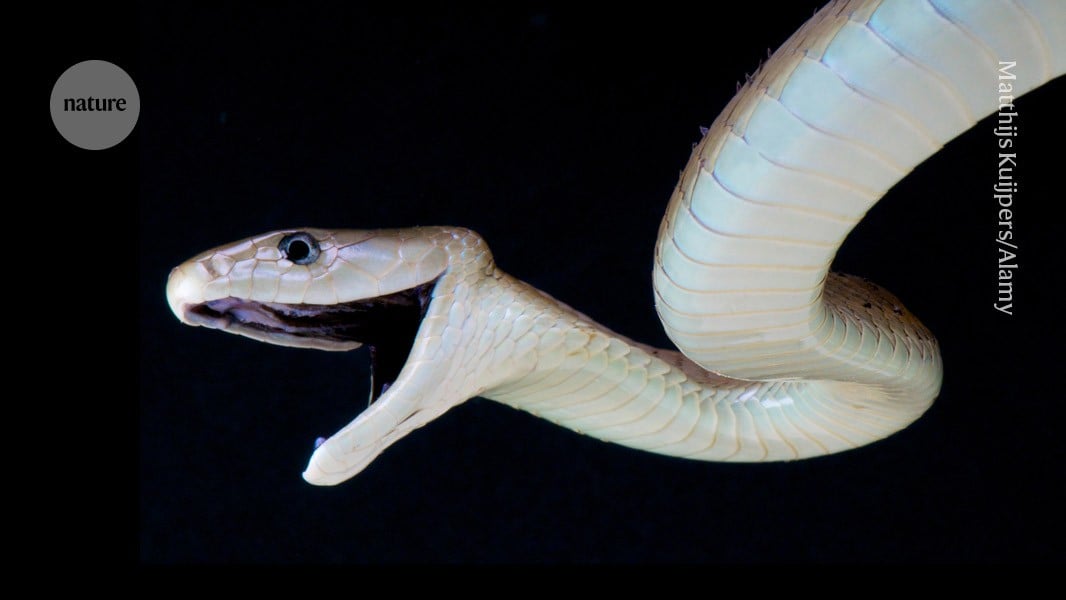
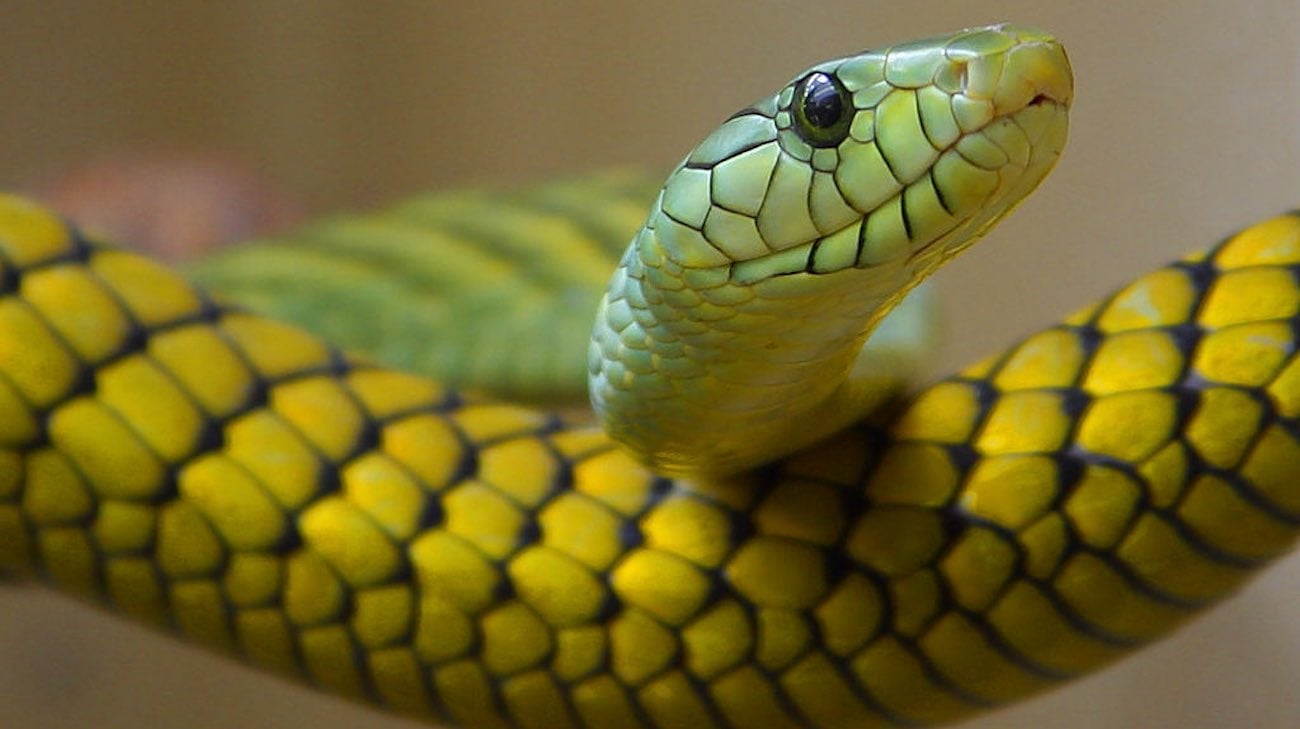
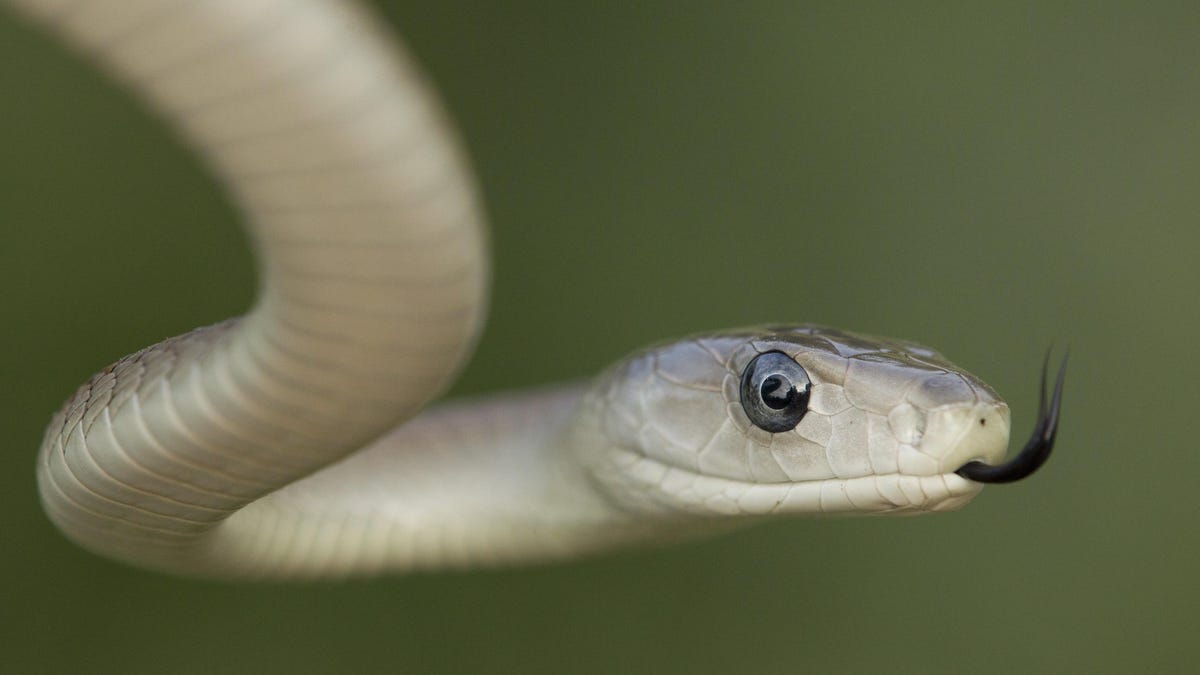
Scientists may have discovered a potential universal treatment for snake bites, which could significantly reduce fatalities and amputations caused by venomous snakes like the black mamba in Africa.
A new antivenom made from llama and alpaca antibodies can neutralize venom from 17 African snake species, offering a broad-spectrum treatment that outperforms current options and reduces tissue damage, addressing a major public health issue in sub-Saharan Africa.
Tim Friede, who has been bitten over 200 times by snakes to develop immunity, has contributed to research that could lead to a universal antivenom, potentially saving thousands of lives annually from snakebites.
Scientists at Scripps Research Institute have identified a potential universal antivenom for snakebites by screening human antibodies and discovering one that counteracts a protein in venom found in various snake species. The antibody, called 95Mat5, protected mice against venom from snakes including king cobras and black mambas. This breakthrough could be crucial for low and middle-income countries with high snakebite burdens, as existing antivenoms are specific to individual snake species. The researchers are now pursuing other broadly neutralizing antibodies to potentially create a universal antivenom cocktail against medically relevant snake venoms.
Scientists have developed a lab-made antibody, 95Mat5, that has shown promise in neutralizing toxins from a variety of venomous snakes, including cobras and mambas. This breakthrough could lead to the development of a universal antivenom that offers broad protection against snakebites, potentially saving thousands of lives annually. The research, led by scientists at Scripps Research, utilized a screening process to identify antibodies capable of neutralizing multiple snake toxins, and they are now working on developing additional antibodies for broader coverage against different snake species.
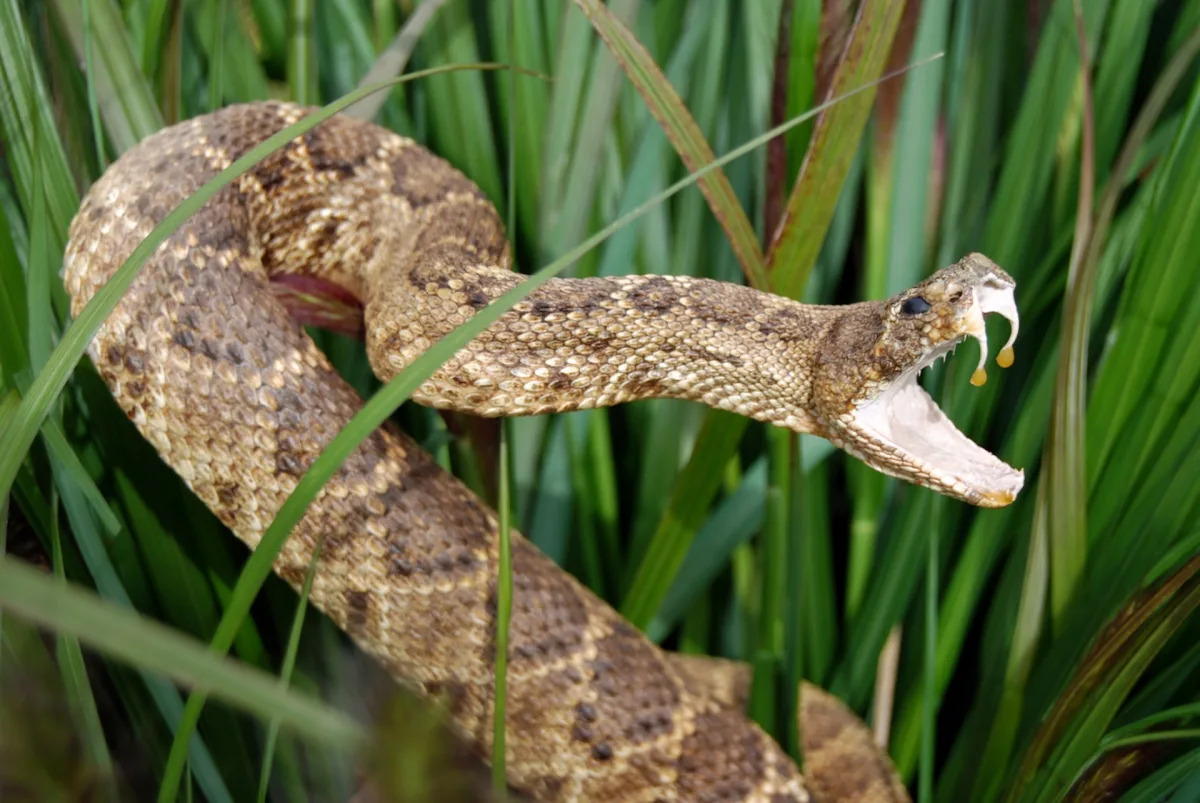
Researchers at Emory University have found that rising temperatures are leading to an increase in snake bites in Georgia, with a 6% higher chance of hospital visits for every two-degree Fahrenheit increase. This is due to snakes being more active in warmer weather. The study highlights broader changes in animal behavior and migration patterns due to global warming, which could lead to more human-wildlife interactions and potential health risks. To avoid snake bites, people are advised to be cautious in certain outdoor areas, especially from April to October. The article also suggests that individuals can contribute to mitigating climate change by utilizing incentives from the Inflation Reduction Act for eco-friendly technologies.