
Weekend Forecast: Heat and Smoky Skies Return to Western Washington
Heat and smoky skies are set to return to western Washington this weekend, with high temperatures expected for the last weekend of August.

All articles tagged with #smoky skies
Heat and smoky skies are set to return to western Washington this weekend, with high temperatures expected for the last weekend of August.

New Yorkers, already concerned about smoky skies caused by Canadian wildfires, are now dealing with swarms of insects, believed to be aphids. The mild winter and rainy spring have created favorable conditions for aphids to reproduce, leading to an unusual abundance of these non-stinging insects. While some residents have compared the situation to a biblical plague, experts suggest that the smoke may be amplifying the visibility of the swarms. However, the aphids are not harmful if accidentally ingested, and the primary concern should be the air quality due to the smoke.
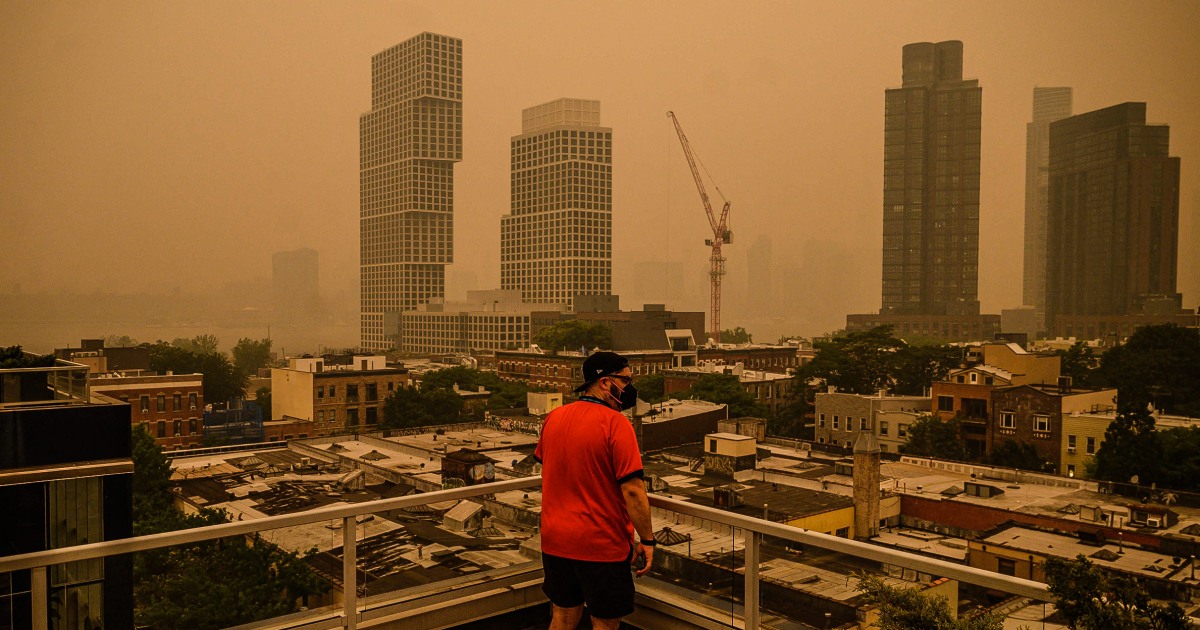
As smoky skies from Canadian wildfires blanket much of the eastern United States, residents from California to Montana are sharing their hard-won advice on social media after years of dealing with smoky air caused by Western wildfires. Recommendations include wearing masks, avoiding strenuous exercise, using steam to clear respiratory systems, and making DIY air filters. Experts suggest determining risk factors, keeping windows and doors shut, and preparing to hunker down inside with an air filter. U.S. Sen. Michael Bennet, D-Colo., advises addressing climate change immediately and paying firefighters more.
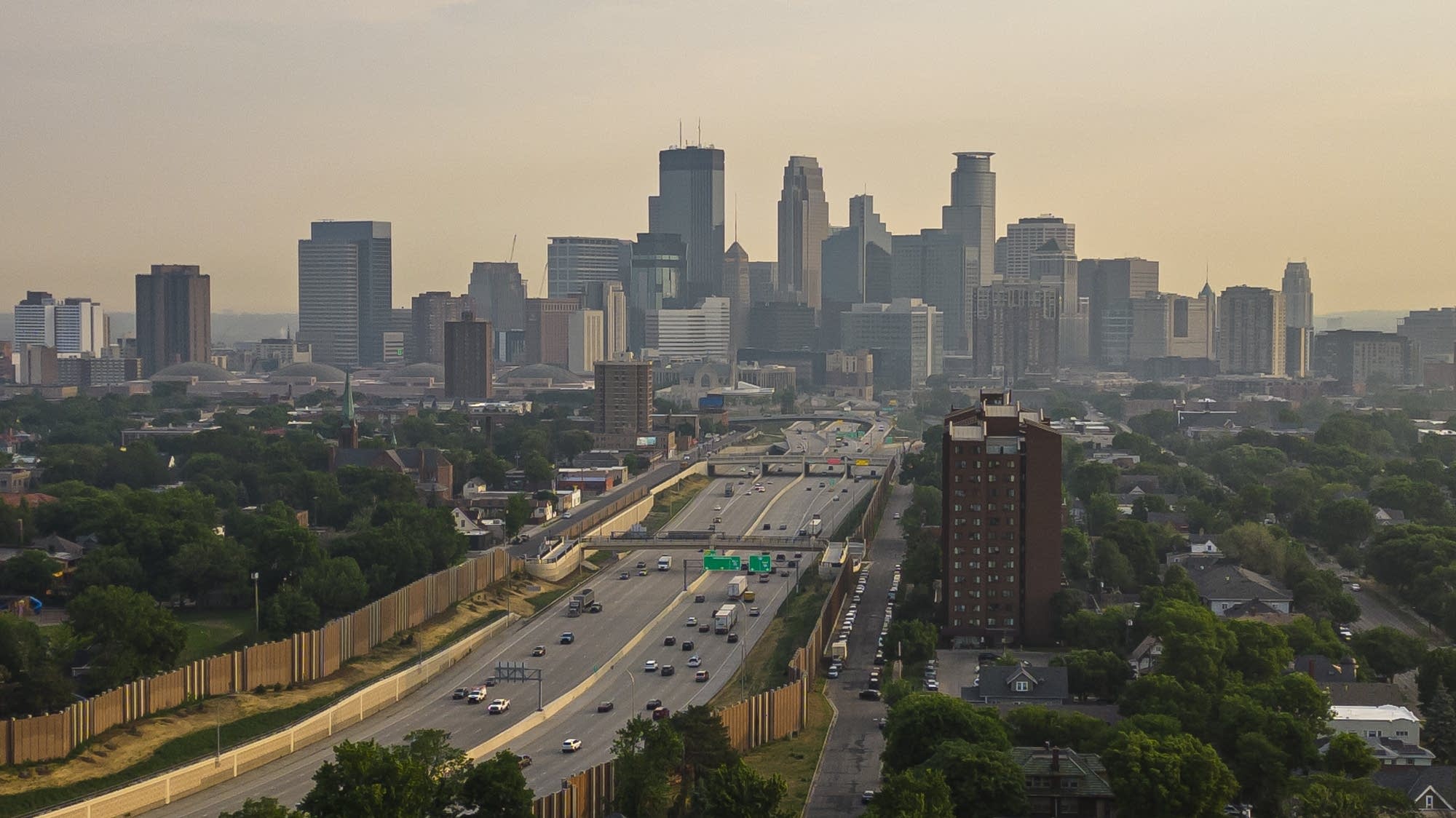
An air quality alert has been extended for some areas due to surface ozone and wildfire smoke from fires in eastern Canada. Monday and Tuesday will see scattered thunderstorms with cooler and drier air moving in for mid to late week. The Twin Cities have already experienced five days in the 90s, with Monday potentially making it six, marking a trend of heat starting earlier in the summer and lingering later into September due to climate change.
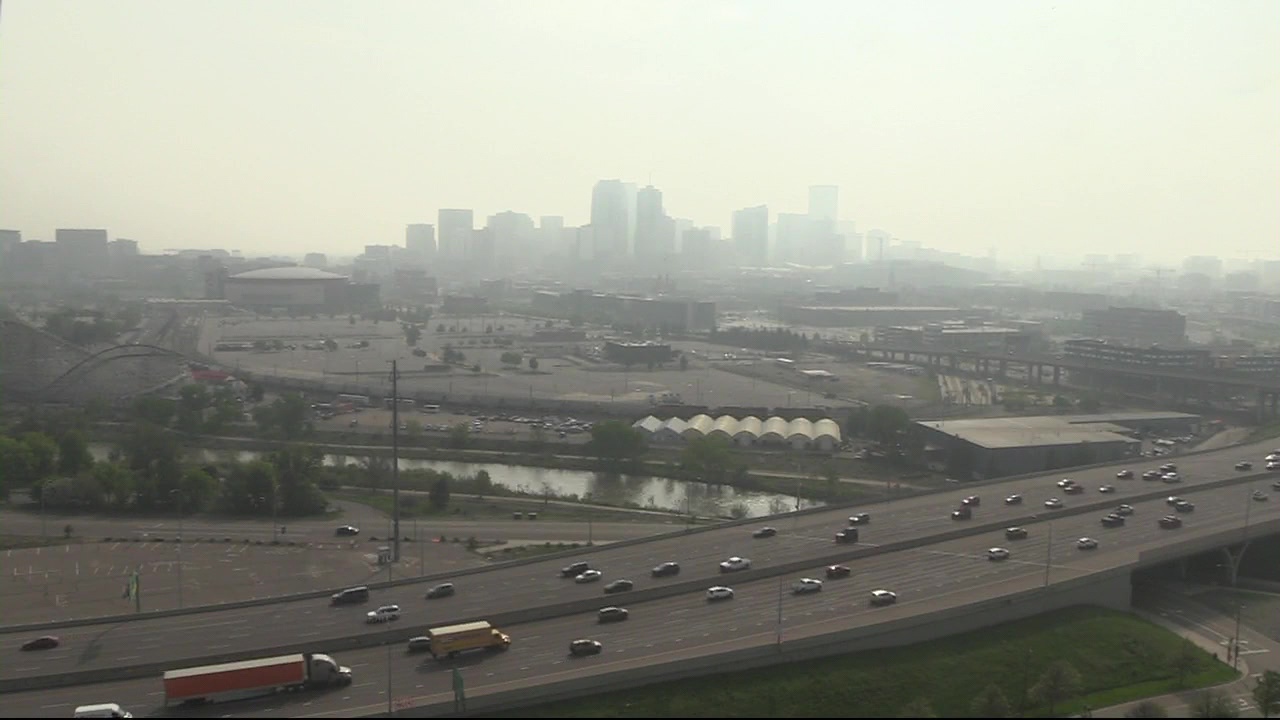
Denver and the Front Range are experiencing poor air quality and smoky skies due to Canadian wildfires, with Denver having the No. 4 worst air quality in the world among major cities. The Colorado Department of Public Health & Environment issued an “action day for particulates” for parts of the Front Range, including Denver, Boulder, and Fort Collins. The National Weather Service also issued an action day and requested that people avoid driving gas or diesel vehicles. People are advised to stay indoors and avoid exercise or other strenuous activities, especially elderly people, young children, pregnant women, and people with pre-existing respiratory or circulatory conditions.
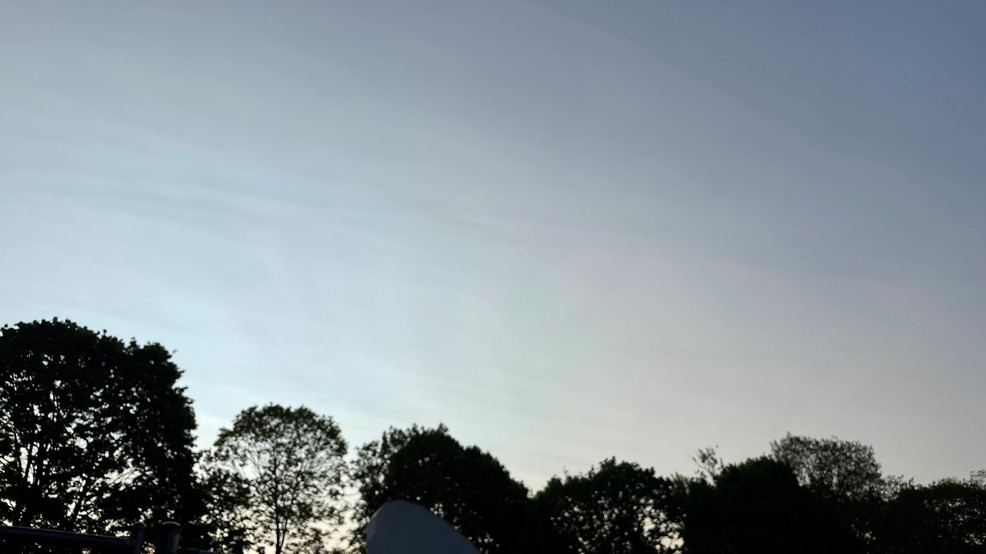
Central New York is experiencing smoky skies due to wildfires in the western United States and Canada. The air quality has been affected, and people with respiratory issues are advised to take precautions. The smoky conditions are expected to persist for the next few days.