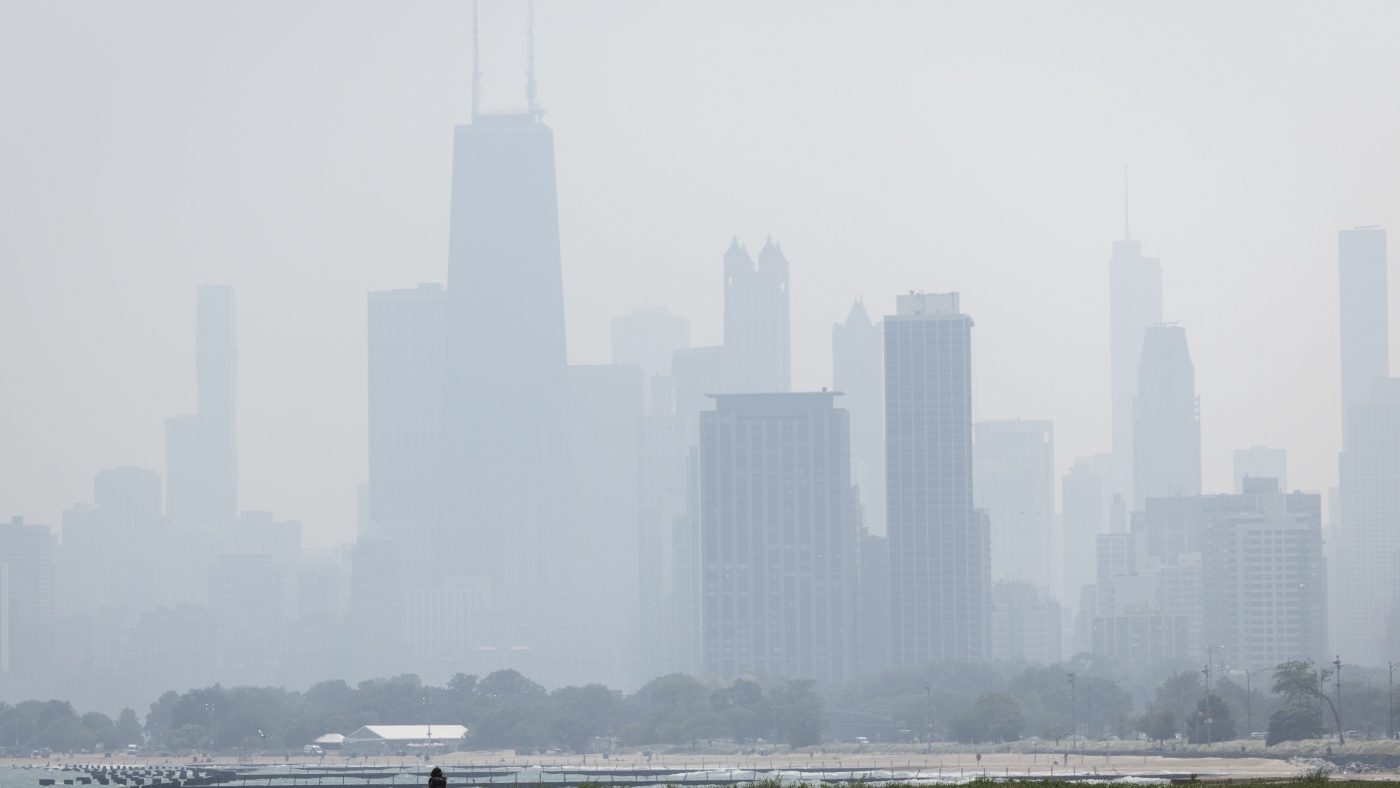
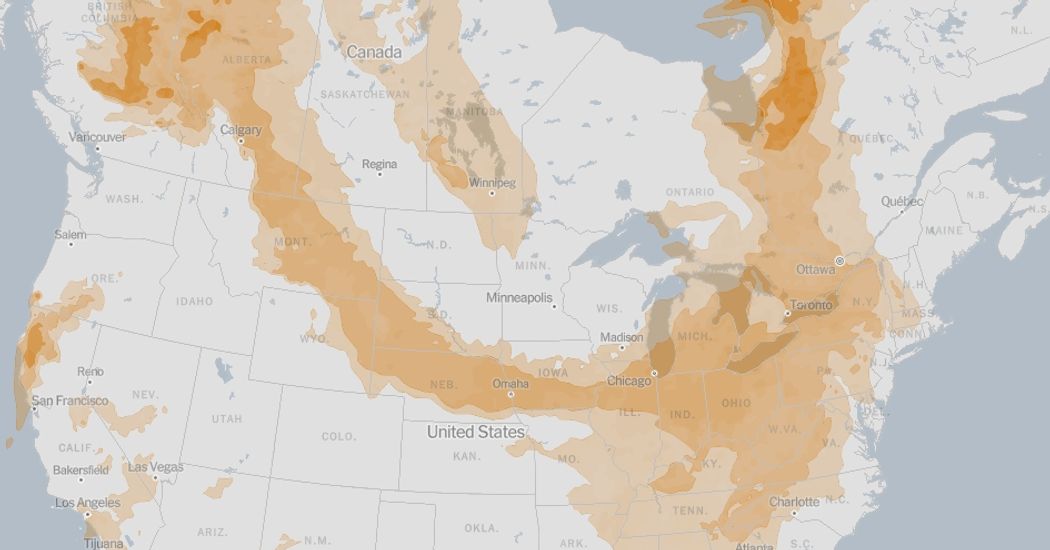
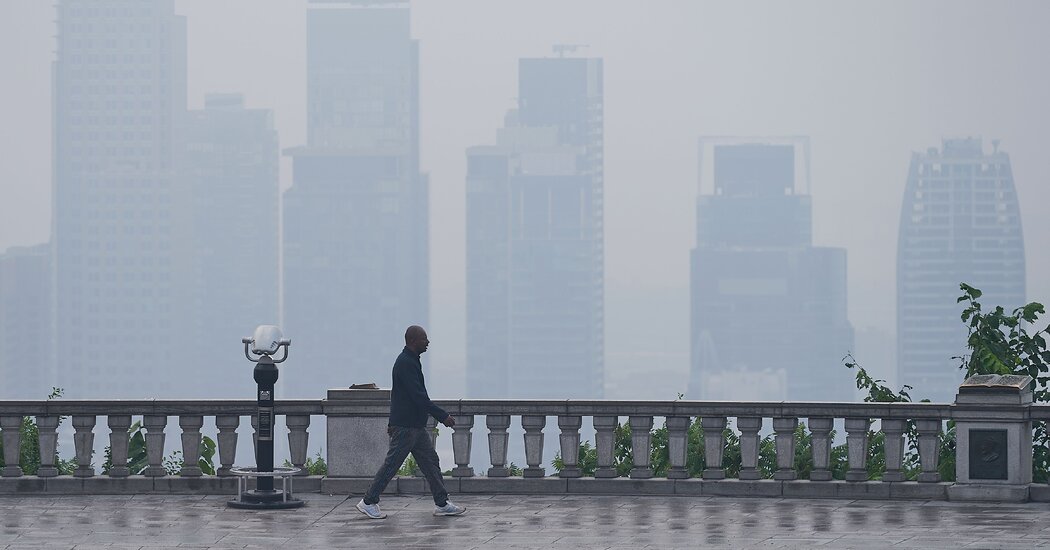
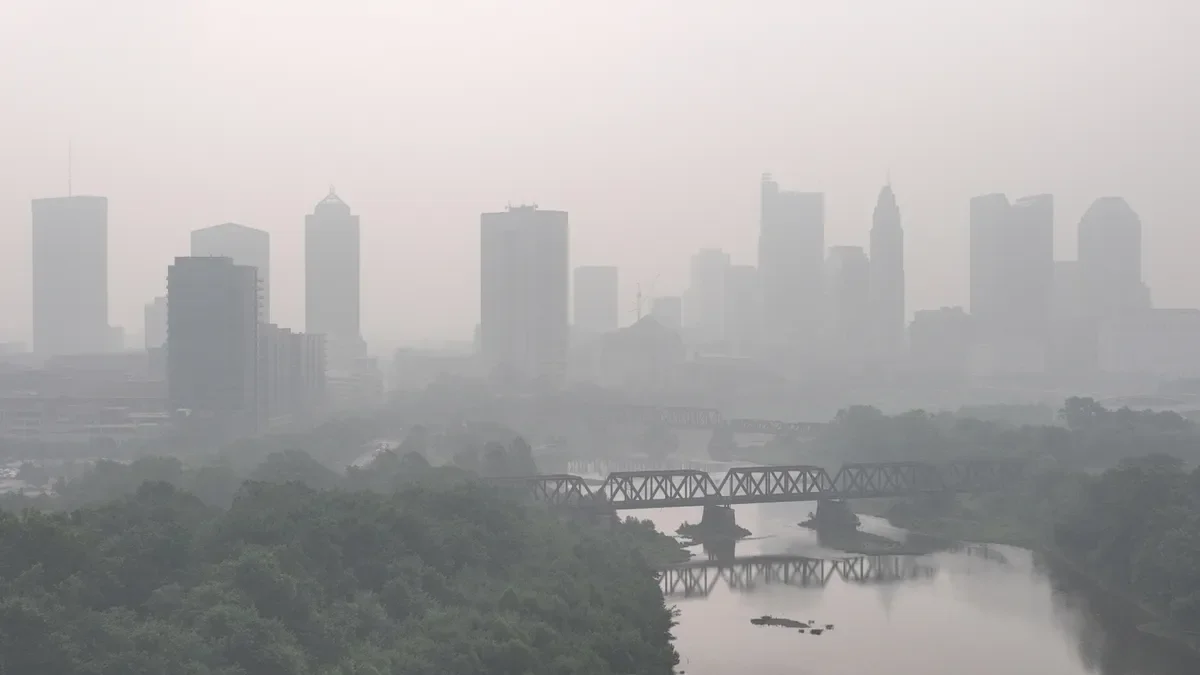
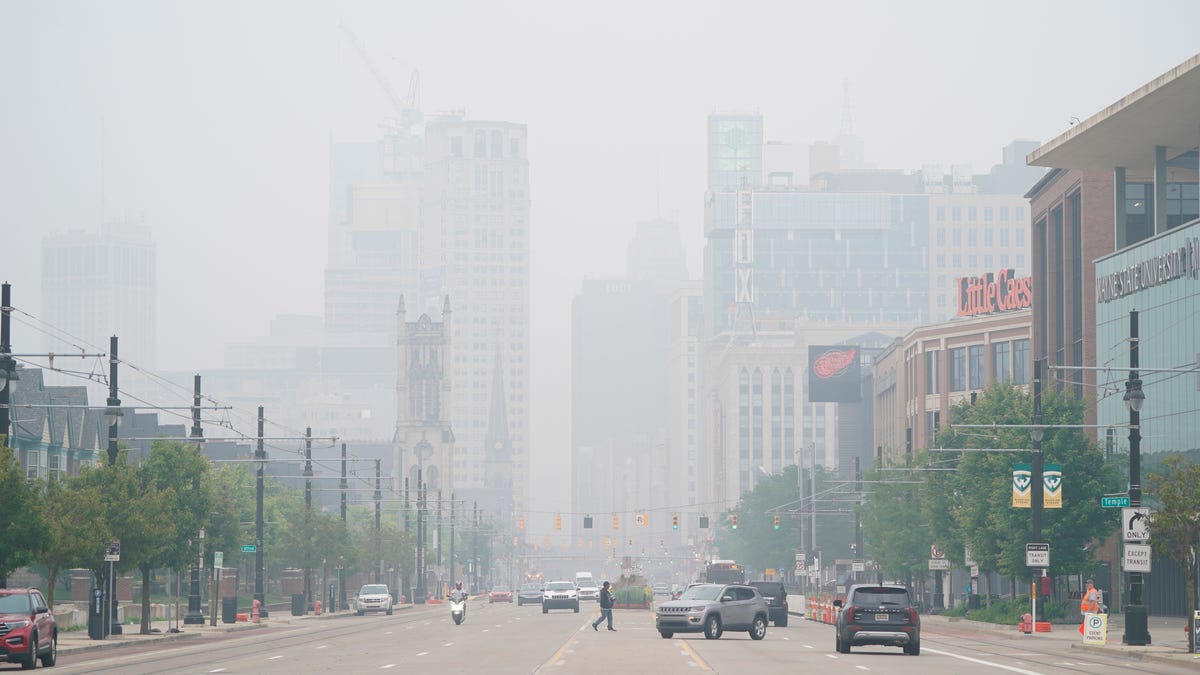
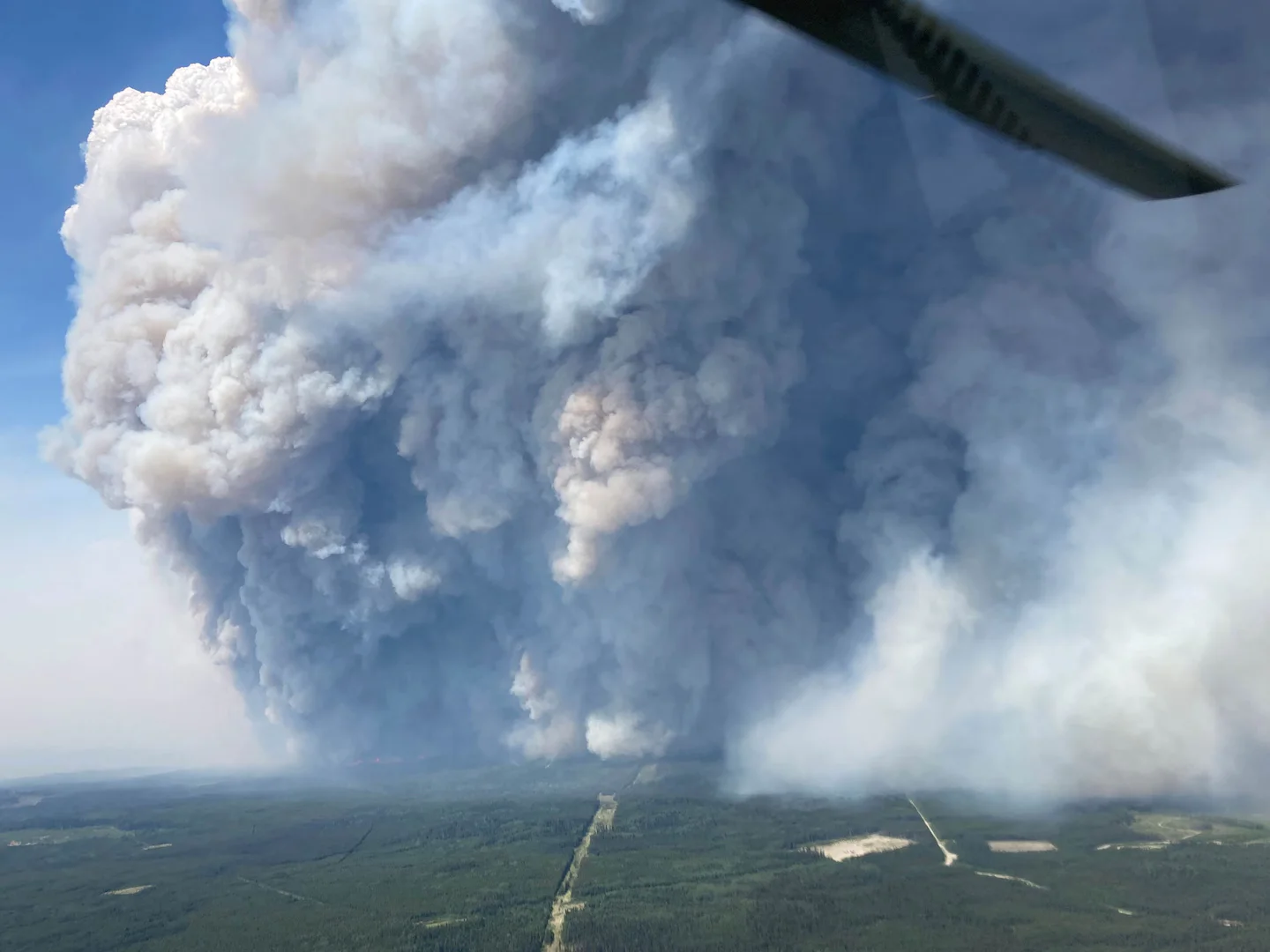
Canadian wildfires, the second worst on record, have caused significant smoke pollution across the midwest and northeast US, leading to poor air quality and health advisories in multiple states, with conditions expected to persist due to prevailing wind patterns.
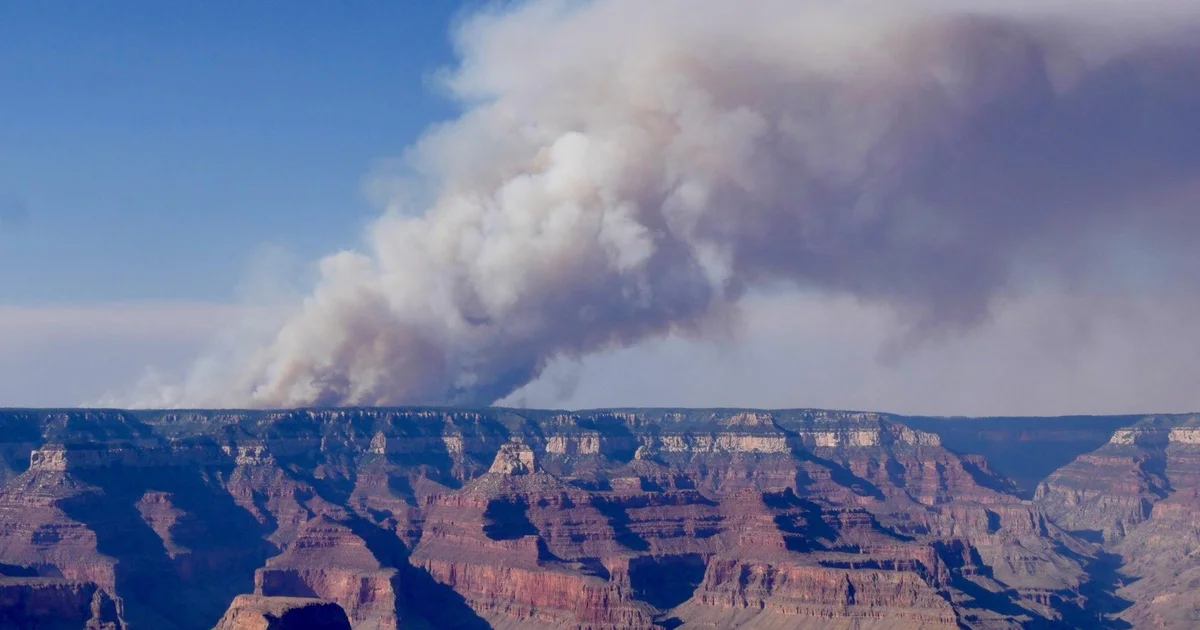
A wildfire near the Grand Canyon has expanded over 20 times in 24 hours, prompting evacuations and highlighting the ongoing wildfire season, while Canadian wildfire smoke has caused unhealthy air quality across the U.S. Midwest, with warnings of dangerous heat and smoke conditions.
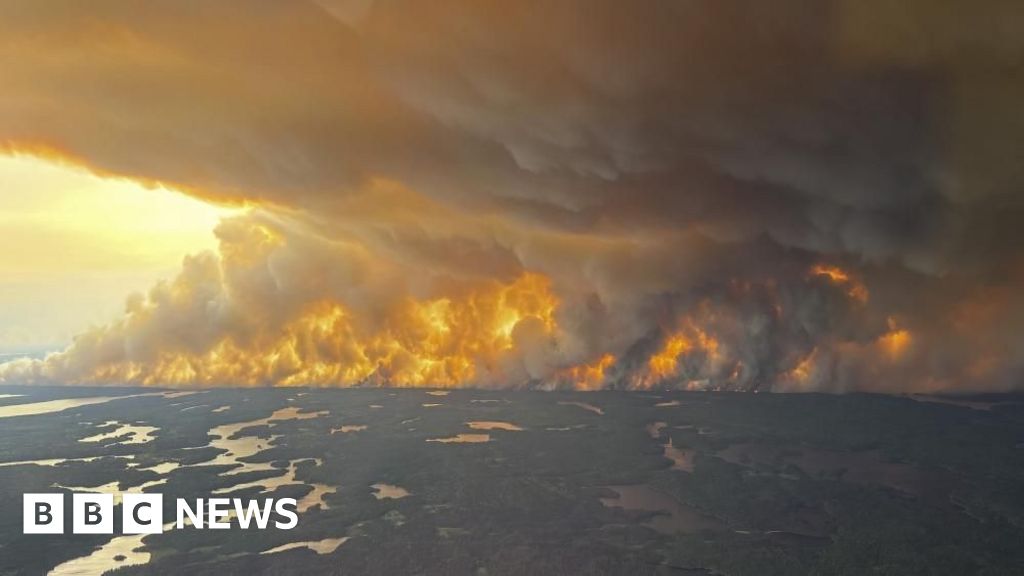
Canadian wildfires in Saskatchewan and Manitoba have led to evacuations and air quality alerts across North America, with hot, dry, and windy conditions fueling the fires amid concerns over climate change's role in worsening wildfire seasons.
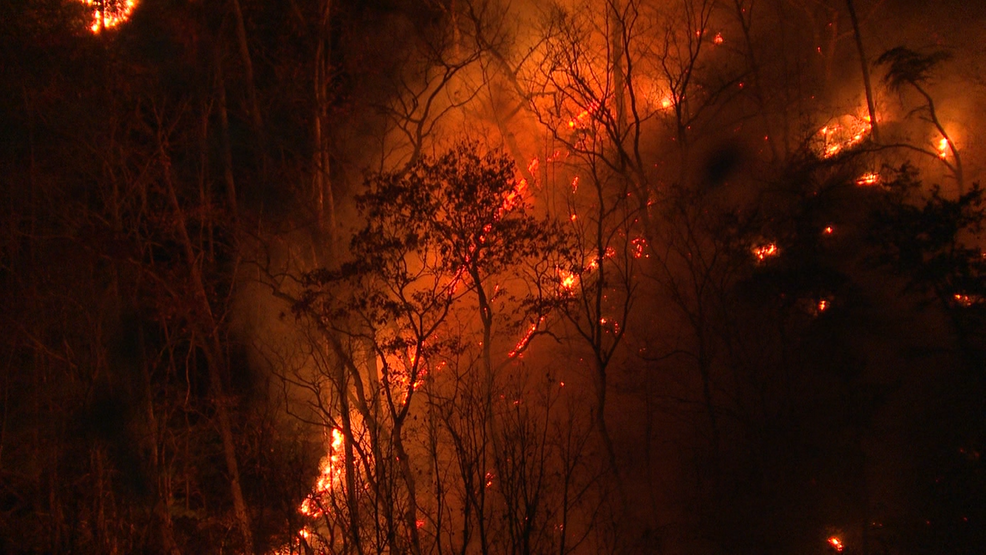
The Matts Creek wildfire in Virginia has grown to 6,835 acres and is now 15% contained, with crews battling the flames since Sunday. Dry weather and windy conditions have fueled the fire's rapid spread, leading to school closures and health alerts due to smoke pollution. The fire is currently burning on National Forest and Blue Ridge Parkway lands, with no private properties at risk. The Blue Ridge Parkway and trails in the affected area have been closed to the public.
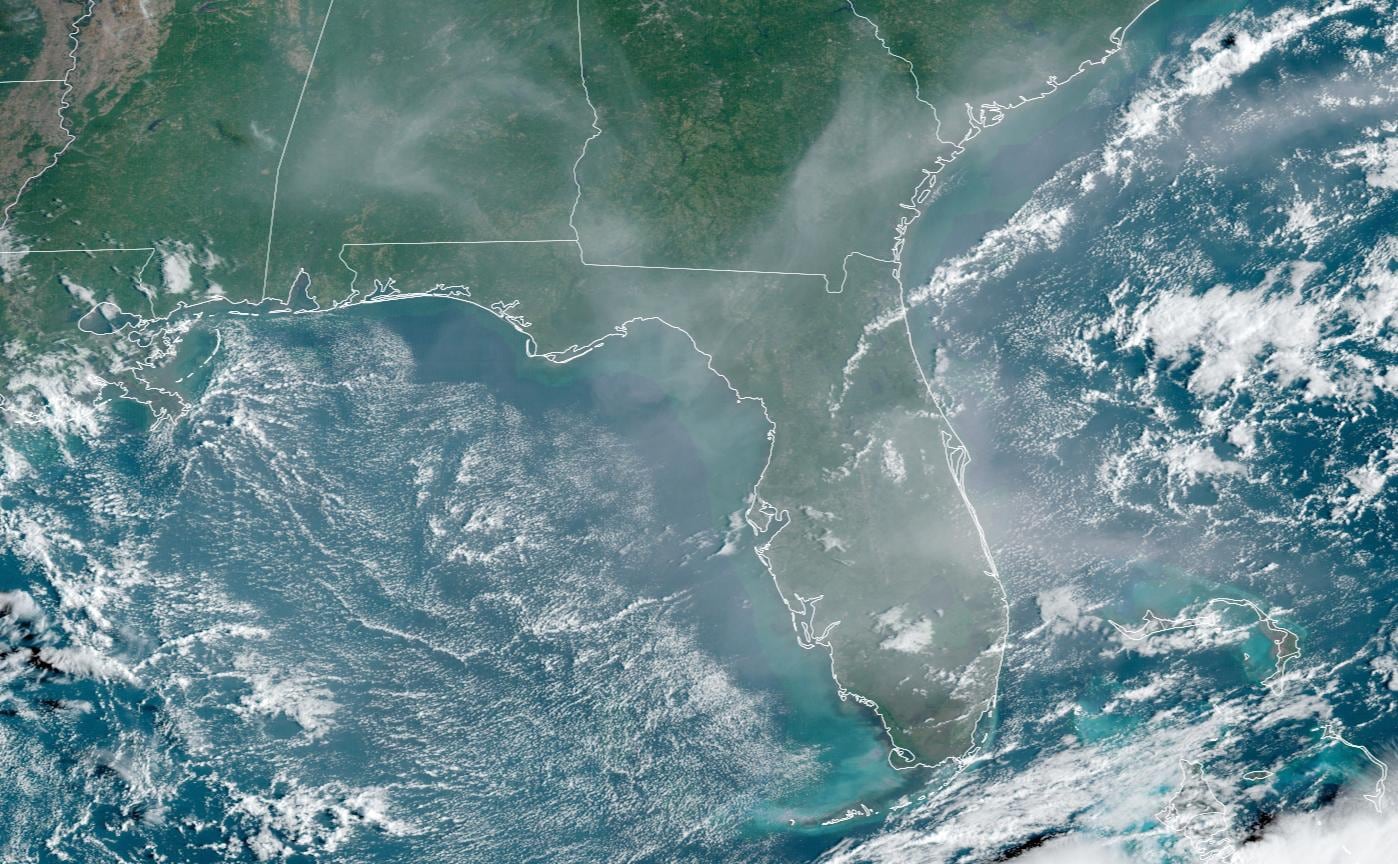
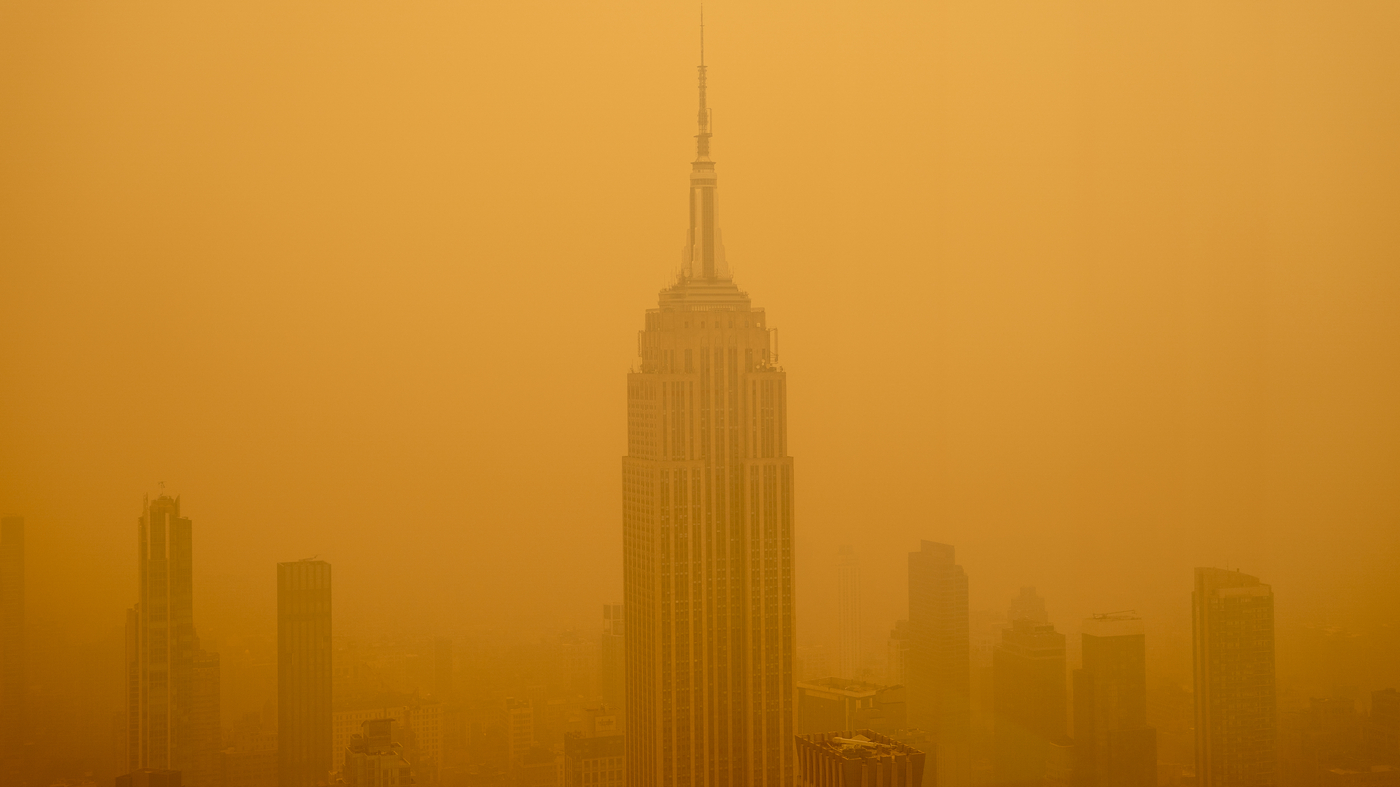
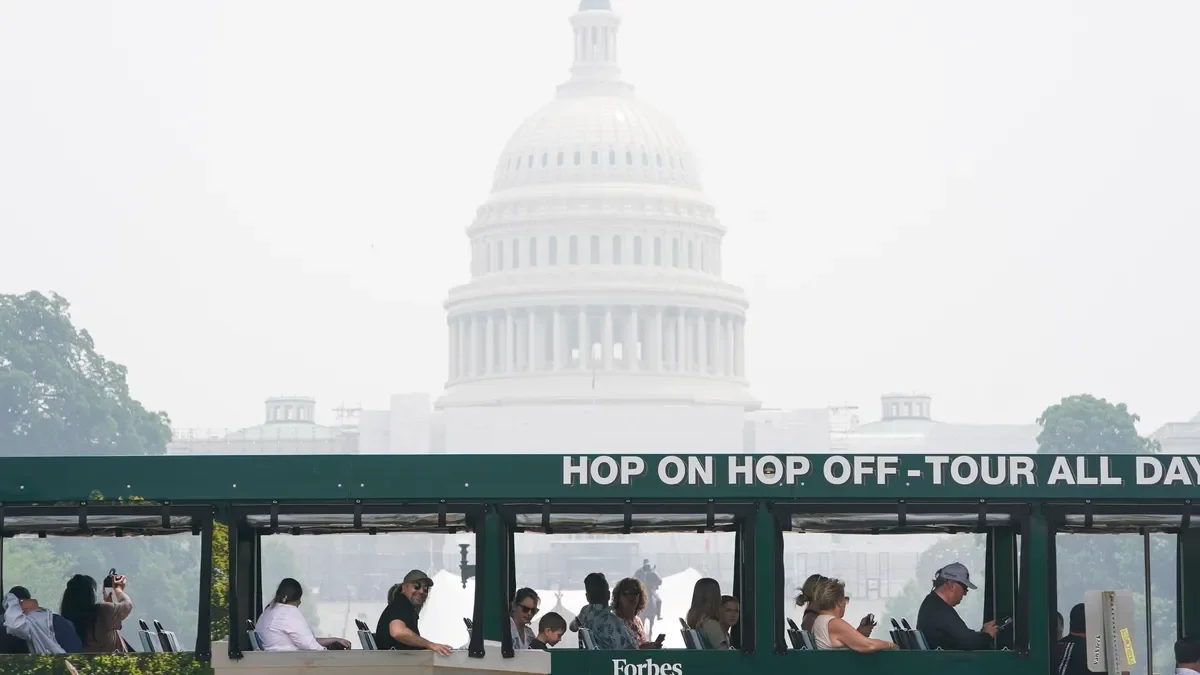
Wildfire smoke from Canada has reached as far south as Florida, compromising air quality along the Eastern Seaboard. The smoke, which has been part of a historic and prolonged wildfire season, drifted across the region due to atmospheric steering currents. Code red and code orange air quality levels were observed in various areas, including Orlando, Jacksonville, and Palm Beach County. The smoke also affected the northeast, with hazy skies reported from New York City to Washington. The ongoing fires in Canada have burned about a million acres, and while wetter conditions have helped decrease the fire risk in the west, warmer and drier weather is expected to return.
Despite significant progress in improving air quality in the U.S. over the past 50 years, smoke pollution from growing wildfires, fueled by human-driven climate change, has erased roughly 25% of those gains, according to a study published in Nature. The effects are particularly pronounced in Western states, where smoke-laden days have become common. However, the Midwest, South, and eastern states are also impacted. The study found that since 2016, wildfire smoke has added enough pollution to the air to wipe out nearly half of the total air quality gains made since 2000. Solutions to reduce exposure to smoke include dialing back climate pressures that exacerbate wildfires and implementing forest and fire management policies. In the meantime, individuals can protect themselves by installing air filters, wearing masks, and avoiding exercise in smoky air.
Smoke pollution from wildfires in western Canada is expected to affect parts of the United States again this week, with air quality alerts issued for multiple areas including the Midwest, Great Lakes, central Tennessee, North Carolina, and the Northeast. Several cities have reported elevated readings of the Air Quality Index, indicating unhealthy conditions. The smoke is forecasted to remain in the region through Tuesday, causing reduced visibility and potential health risks.
Canadian wildfires have caused air quality alerts for nearly 60 million residents across 11 US states, including Chicago, Detroit, and Cleveland. The smoke, originating from over 400 fires in British Columbia, contains harmful pollutants that can lead to respiratory issues and long-term health problems. The US will continue to be affected by the smoke depending on weather conditions and fire activity, as Canada experiences its worst fire season on record, with over 24 million acres burned so far.
Smoke from Canadian wildfires continues to affect air quality in several US cities, including New York, Chicago, Detroit, and Washington, D.C. However, forecasts indicate that the smoke will start to ease by Friday afternoon and through the weekend. Most of the US is expected to have moderate air quality, except for Detroit and Cleveland, which may remain in the unhealthy category for sensitive groups. The ongoing Canadian wildfires are likely to cause smoky air throughout the summer, with no signs of ending soon. The Air Quality Index (AQI) measures pollution levels, ranging from good to hazardous, with different color-coded categories indicating the level of risk.
Elevated levels of ozone and smoke pollution are contributing to poor air quality in Michigan, with hot and humid weather and isolated to scattered storms expected. While some models suggest a slow decline in smoke pollution, it is advised to wait and see the improvement before assuming a significant change. Temperatures will peak today and gradually decrease through Sunday, with a potential bounce back in weather conditions for the 4th of July.
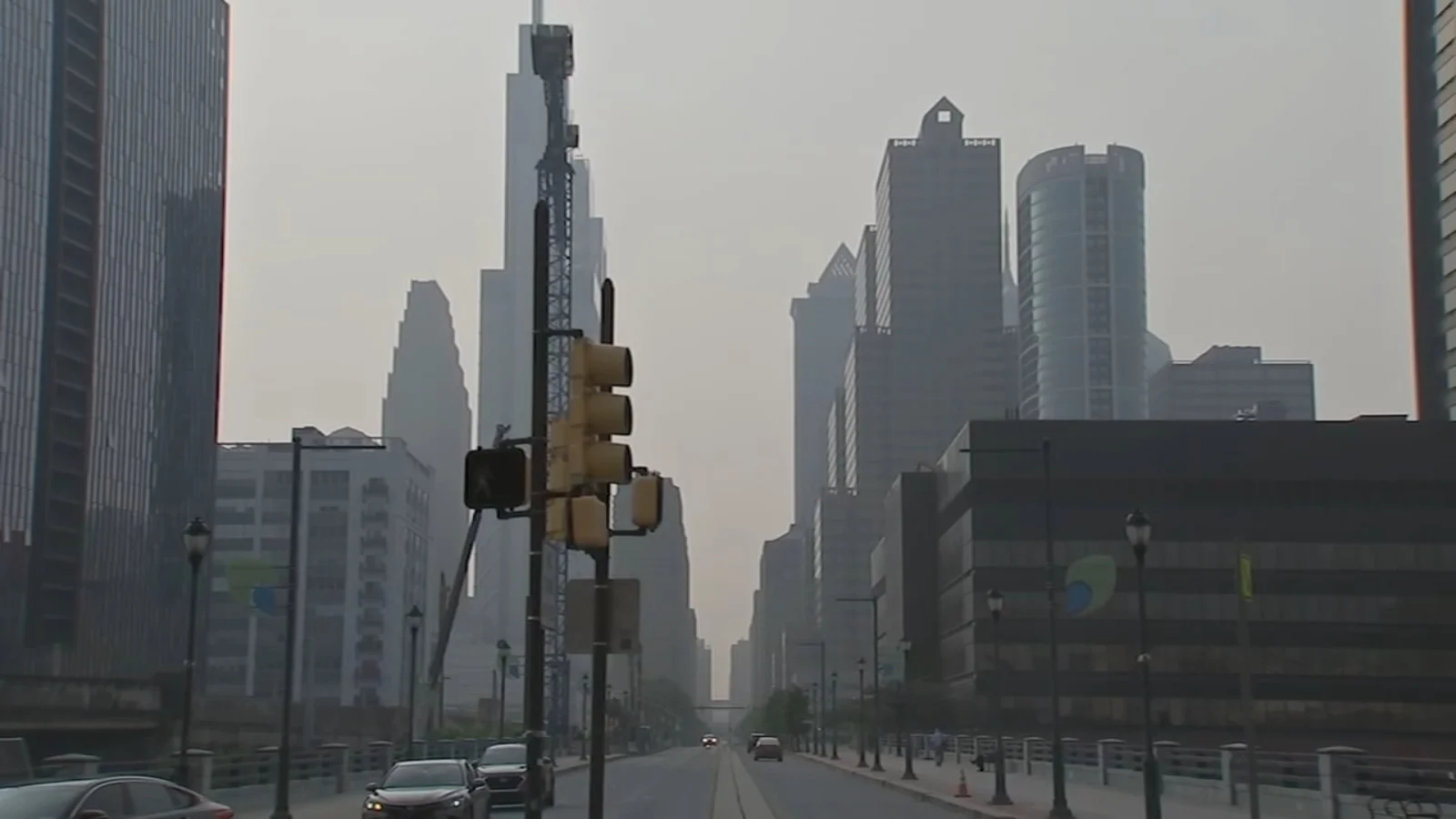
Air quality alerts remain in effect for Pennsylvania, Delaware, and New Jersey due to smoke from the Canadian wildfires. Pennsylvania and Delaware are under a code red air quality alert, indicating unhealthful air pollution concentrations for the general population, while New Jersey is under a code orange alert, indicating potential unhealthful conditions for sensitive groups. The smoke has caused a haze over Center City in Philadelphia, leading to concerns about respiratory issues and prompting some people to adjust their outdoor activities. The smoke is expected to impact air quality throughout Thursday and Friday, with possible relief on Saturday. Residents are advised to check air quality conditions in their area and take precautions, such as wearing masks, to minimize health risks.
A forthcoming study from Stanford University has developed a method to trace smoke and pollution from wildfires back to their individual sources, potentially aiding in predicting which fires will have the greatest impact on public health. The research, which covers the entire contiguous United States, reveals that smoke pollution has doubled from 2016 to 2020 compared to the previous decade. By ranking wildfires based on smoke exposure, the study found that the worst fire in terms of smoke exposure was the 2007 Bugaboo Fire in the Okefenokee Swamp, despite Western states typically experiencing larger fires. The findings highlight the need to allocate firefighting resources based on health consequences rather than immediate threats to life and structures.
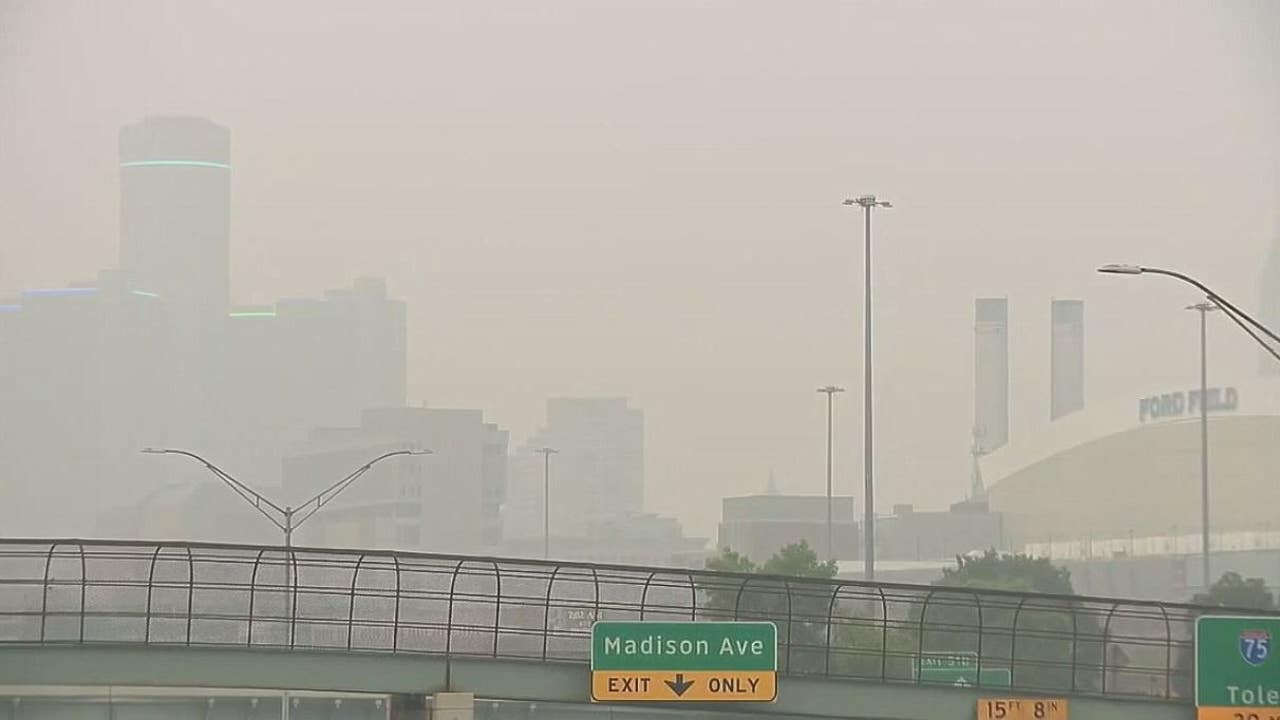
Smoke from wildfires in Canada is causing unhealthy air quality in the Midwest and spreading to the East Coast. Over 100 million people are expected to experience at least code orange air quality, which is unhealthy for sensitive groups. Cities like Detroit, Chicago, and Minneapolis have some of the worst air quality in the world. The smoke is a result of the record-breaking fire season in Canada, with over 483 active wildfires. People are advised to stay indoors, keep windows and doors shut, and use air purifiers. Masks are being distributed to protect against the harmful effects of the smoke.
Detroit's air quality has ranked second worst in the world due to the Canadian wildfires, with dense smoke from the fires affecting parts of Michigan. The Michigan Department of Environment, Great Lakes, and Energy (EGLE) has issued an air quality alert, and residents are advised to keep windows closed and use air conditioning with high-rated filters. The smoke has created unhealthy conditions for sensitive groups, and activities contributing to air pollution, such as burning wood, should be limited.
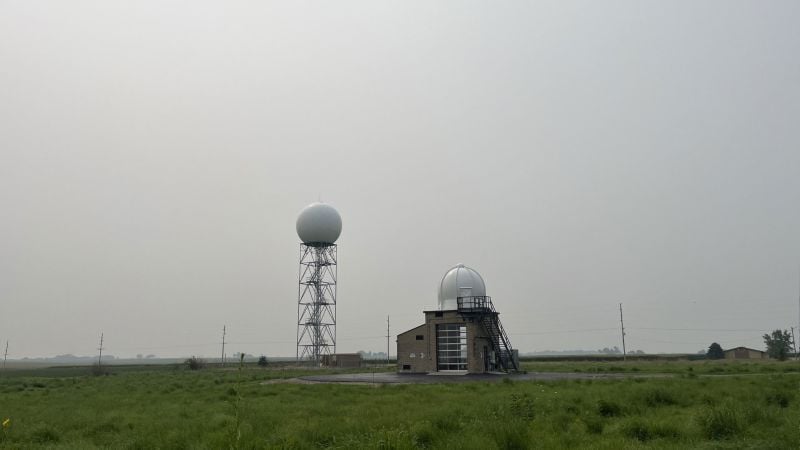
Smoke from Canadian wildfires is causing unhealthy air quality in parts of the Northern Plains and Midwest in the US, with air quality alerts in effect for eastern Iowa. Smoke suspended at higher altitudes is widespread from Quebec and Ontario through the Midwest and Great Lakes to the Mid-Atlantic and Northeast coasts. The smoke is being circulated by a slow-moving low-pressure system spinning between the Great Lakes and the Canadian Maritimes. A high-pressure "heat dome" building in over eastern Canada next week is expected to increase the fire threat there and could lead to more smoke pollution in the US.