
Wildfire Smoke Reverses U.S. Air Quality Progress
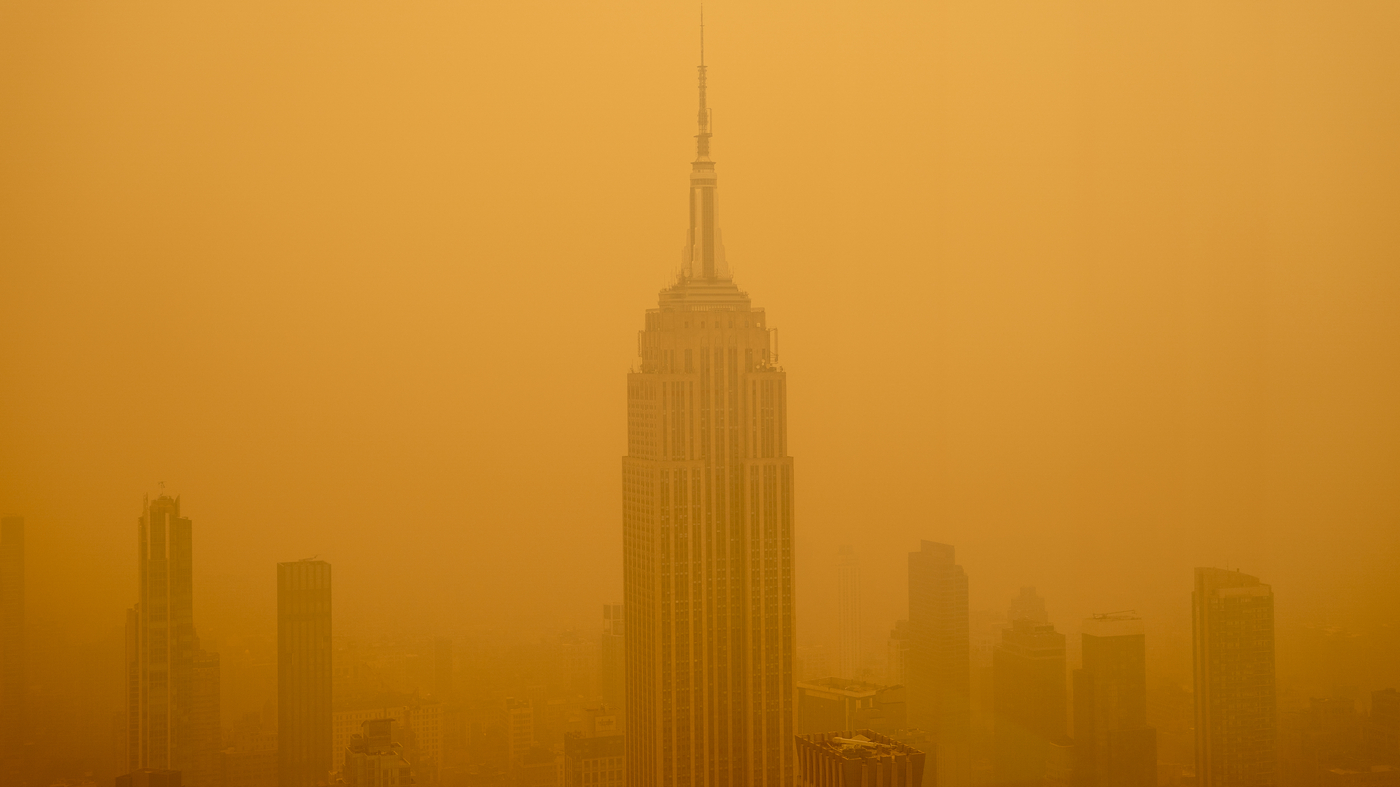
Despite significant progress in improving air quality in the U.S. over the past 50 years, smoke pollution from growing wildfires, fueled by human-driven climate change, has erased roughly 25% of those gains, according to a study published in Nature. The effects are particularly pronounced in Western states, where smoke-laden days have become common. However, the Midwest, South, and eastern states are also impacted. The study found that since 2016, wildfire smoke has added enough pollution to the air to wipe out nearly half of the total air quality gains made since 2000. Solutions to reduce exposure to smoke include dialing back climate pressures that exacerbate wildfires and implementing forest and fire management policies. In the meantime, individuals can protect themselves by installing air filters, wearing masks, and avoiding exercise in smoky air.
- Wildfire smoke erodes air quality gains in the U.S. NPR
- Wildfire smoke amid a warming climate are slowing America’s air quality gains The Washington Post
- Wildfires are destroying decades of clean air efforts in the U.S. NBC News
- Wildfire Smoke Is Erasing Gains From Decades of Cleaner Air The Wall Street Journal
- Wildfire smoke is reversing years of air pollution progress The Mercury News
Reading Insights
0
4
6 min
vs 7 min read
89%
1,248 → 132 words
Want the full story? Read the original article
Read on NPR