Using smartphones in the bathroom increases the risk of hemorrhoids by 46%, prolongs sitting time, and can harm gut and pelvic health. Experts recommend limiting bathroom breaks to under 5 minutes and avoiding phone use to protect your health.
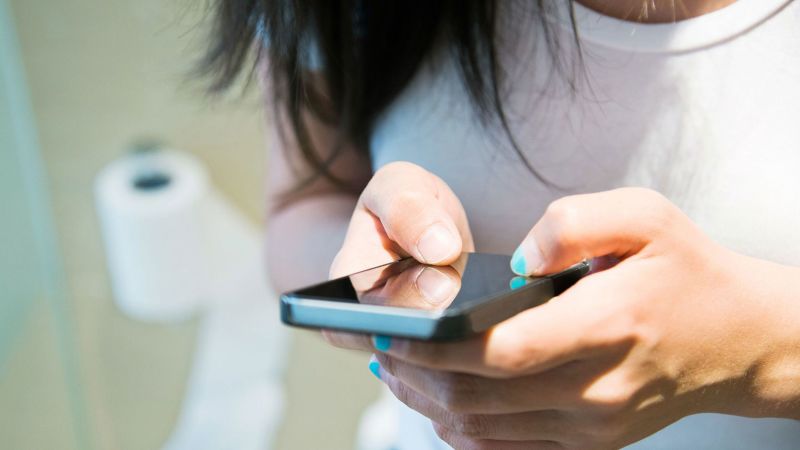
A recent study suggests that using smartphones on the toilet may increase the risk of hemorrhoids, with two-thirds of surveyed patients reporting such habits and a 46% higher risk observed among smartphone users. Doctors warn that this common behavior could have health implications.
A study reveals that using smartphones in the bathroom increases hemorrhoid risk by 46%, with prolonged sitting and extended phone use being key factors. Experts recommend limiting bathroom phone time to under five minutes and adopting better sitting postures to reduce health risks.
Using smartphones on the toilet can increase the risk of hemorrhoids by prolonging sitting time, which puts pressure on rectal veins. The study suggests limiting toilet time and avoiding phone use during bathroom breaks to reduce this risk.
A study suggests that using smartphones on the toilet increases the risk of hemorrhoids due to prolonged sitting and pressure, with smartphone users spending more time on the toilet and reporting less exercise, though more research is needed to confirm causation.
A study published in PLOS One found that using a smartphone on the toilet is associated with a 46% higher risk of hemorrhoids, likely due to prolonged sitting and increased pressure in anal tissues, suggesting that limiting smartphone use during bathroom visits may reduce hemorrhoid risk.
A new study links smartphone use on the toilet to a 46% increased risk of hemorrhoids, highlighting the health risks of prolonged sitting and poor posture during bathroom breaks, especially with mindless scrolling. Experts recommend limiting toilet time to 3-5 minutes and avoiding phone use to reduce hemorrhoid risk.
A survey reveals that children aged 12-15 are increasingly taking breaks from smartphones and social media to protect their mental health, with many actively managing their online time and seeking to reduce digital stress, reflecting a broader awareness of the potential harms of excessive screen time.
The film adaptation of Wicked is sparking renewed debate over theater etiquette, as more moviegoers use their phones to take photos and videos during screenings, disrupting the experience for others. The article argues against such behavior, emphasizing the importance of maintaining a quiet, focused environment in theaters and urging people to disconnect from their devices to fully enjoy the cinematic experience.
This week's health headlines highlight the benefits of a Mediterranean diet for reducing women's mortality risk, the importance of early bedtimes for mental health, the potential of early peanut butter introduction to prevent allergies, the mixed impact of smartphones on teen moods, and the downside of stress bragging at work.
The fear of "iPhone finger" leaving a mark or indentation on the pinky due to smartphone use has been debunked by experts, who say it's just a variation in anatomy. However, constant cellphone use can lead to joint problems and potential injuries such as cubital tunnel syndrome (smartphone elbow), texting thumb, and neck strain. Experts advise being mindful of posture and taking breaks to avoid potential musculoskeletal issues associated with smartphone use.
A Pew Research Center survey of 1,453 U.S. teens and parents reveals that most teens feel happy and peaceful when they don't have their smartphones, but 44% also feel anxious. Additionally, half of parents admit to looking through their teen's phone. The study also explores teens' views on screen time, their efforts to cut back, and their feelings when disconnected from their phones, as well as parents' struggles with managing their teen's phone use and their own screen time distractions.
A new study warns that teenagers who use smartphones for over four hours a day are at a "serious" risk for various health issues, including psychiatric disorders, sleep disturbances, eye problems, and musculoskeletal issues. The study found that excessive smartphone use is associated with higher rates of stress, suicidal thoughts, substance use, and obesity among adolescents. Interestingly, moderate internet use of one to two hours per day may be linked to better physical and mental health compared to no smartphone use at all. The researchers suggest that smartphone usage guidelines for adolescents should be established based on these findings.
A new study challenges the belief that smartphone use before bed negatively impacts adolescent sleep. Researchers found no clear link between teens' smartphone use before sleep and their sleep outcomes, suggesting that the impact of smartphones on sleep may be more complex than previously thought. The study used an electronic daily diary design and objective measurements of smartphone use to examine the associations between smartphone use and various sleep outcomes. While the study found no significant associations at the between-person level, it did find that on nights when adolescents used smartphones more extensively than usual, they tended to go to bed earlier and sleep longer. However, the study was conducted on a small sample and further research is needed to provide more evidence.
A recent study from the University of British Columbia and a media lab in Germany reveals a "vicious cycle" between feeling less socially connected and increased smartphone use. Unlike previous research that relied on self-reported data, this study directly tracked screen time and found that increased smartphone use within an hour was linked to lower well-being immediately after. The study also found that more smartphone use led to feeling less socially connected, creating a bidirectional relationship. However, the study could not definitively establish causality and was limited to Android users.