Liz Young of SoFi predicts that a Federal Reserve rate cut will further boost small-cap stocks, financials, and real estate, as borrowing costs decrease and market sentiment remains positive, potentially leading to continued market rallies in these sectors.
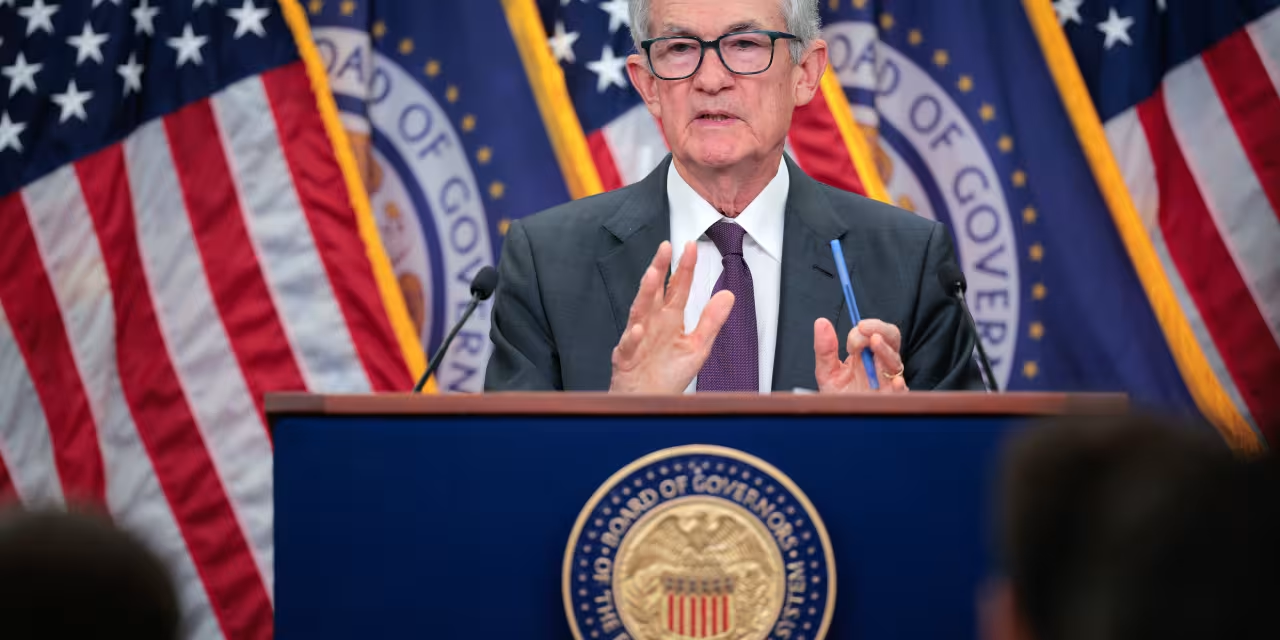
The Federal Reserve is expected to cut interest rates for the first time in nearly a year, which could influence market sectors and stock performance. Investors are advised to stay cautious and monitor economic signals, as sector rotation and small-cap stocks may benefit from the rate cut, but market uncertainty remains due to mixed economic indicators.
The article discusses the positive outlook for small-cap stocks and chipmakers, highlighting their potential benefits from increased defense spending as a new spending bill progresses through Congress.
Jefferies predicts that small-cap stocks will outperform large-cap stocks for the first time in eight years, signaling a potential shift in market dynamics. This forecast comes amid discussions of market trends and investment strategies, with analysts suggesting that small-cap stocks may offer better growth opportunities in the current economic climate.
Wall Street saw positive momentum on Thursday despite geopolitical tensions in Europe, with major U.S. indices rising, led by small-cap stocks. The Dow Jones surged 1.3%, while the Russell 2000 jumped 1.7%. Alphabet shares fell nearly 6% after a DOJ mandate to sell Google Chrome. Bitcoin approached the $100,000 mark, and commodities like natural gas and gold saw gains as investors sought safe havens.
Markets surged on Monday, driven by a "Trump-related rally" that saw small caps, financials, and cryptocurrencies, including Bitcoin surpassing $85,000, leading gains. The Russell 2000 Index outperformed, and financial stocks, particularly regional banks, saw strong gains. Major crypto stocks like Coinbase rallied significantly. Tesla continued its upward trend, while the broader tech sector lagged due to new AI export restrictions to China. The U.S. dollar strengthened, Treasury yields remained steady, and commodities mostly fell, except for a rise in natural gas prices.
The Dow Jones Industrial Average surged 742 points, marking its best day of the year, driven by gains in companies like United Health and Caterpillar. Small caps in the Russell 2000 also saw significant gains, rising 3.5%. The rally coincides with the Republican National Convention and expectations of a Federal Reserve rate cut. The Dow is up 8.6% this year, while the Nasdaq Composite leads with a 23% increase, fueled by AI-focused companies.
Fundstrat's Tom Lee predicts a 40% rally for the small-cap Russell 2000 index as the Federal Reserve's policy shift leads to a rotation out of large-cap stocks. This rally, expected to become evident in August, could surpass last year's gains, driven by lower valuations and rate-sensitive stocks benefiting from anticipated interest rate cuts.
The stock market saw mixed results on Thursday, with small caps like Robinhood and Universal Health gaining, while cloud stocks, led by Salesforce, suffered significant losses. The Nasdaq composite fell 1.1%, and the S&P 500 lost 0.6%, while the Russell 2000 rallied 1.1%. Concerns over U.S. government restrictions on AI chip sales to the Middle East impacted semiconductor stocks. Investors are awaiting an inflation report due Friday.
Dow Jones futures were relatively unchanged, with small caps leading the market higher while growth stocks struggled, including Nvidia, Arm Holdings, Broadcom, and DraftKings. Home Depot announced a major acquisition, and the stock market rally saw modest gains with the Russell 2000 jumping to a 23-month high. Despite strong market breadth, leading growth stocks like Nvidia and DraftKings faced weakness, while ETFs and various sector ETFs showed strength outside of tech. Eli Lilly, East West Bancorp, and Norwegian Cruise Line were among the stocks near buy points. Investors are advised to diversify beyond AI and tech names to financials, energy, industrials, and various consumer plays.
Despite the stock market rally, small-cap stocks, a favorite trade on Wall Street, have lagged behind, raising concerns about whether the expected good news on interest rates has already been priced in. However, some analysts believe there is still room for small caps to run, especially as the Fed begins to cut rates and investors move out of cash into risk assets. With a positive outlook for economic growth and earnings, small caps could rally in the second half of the year.
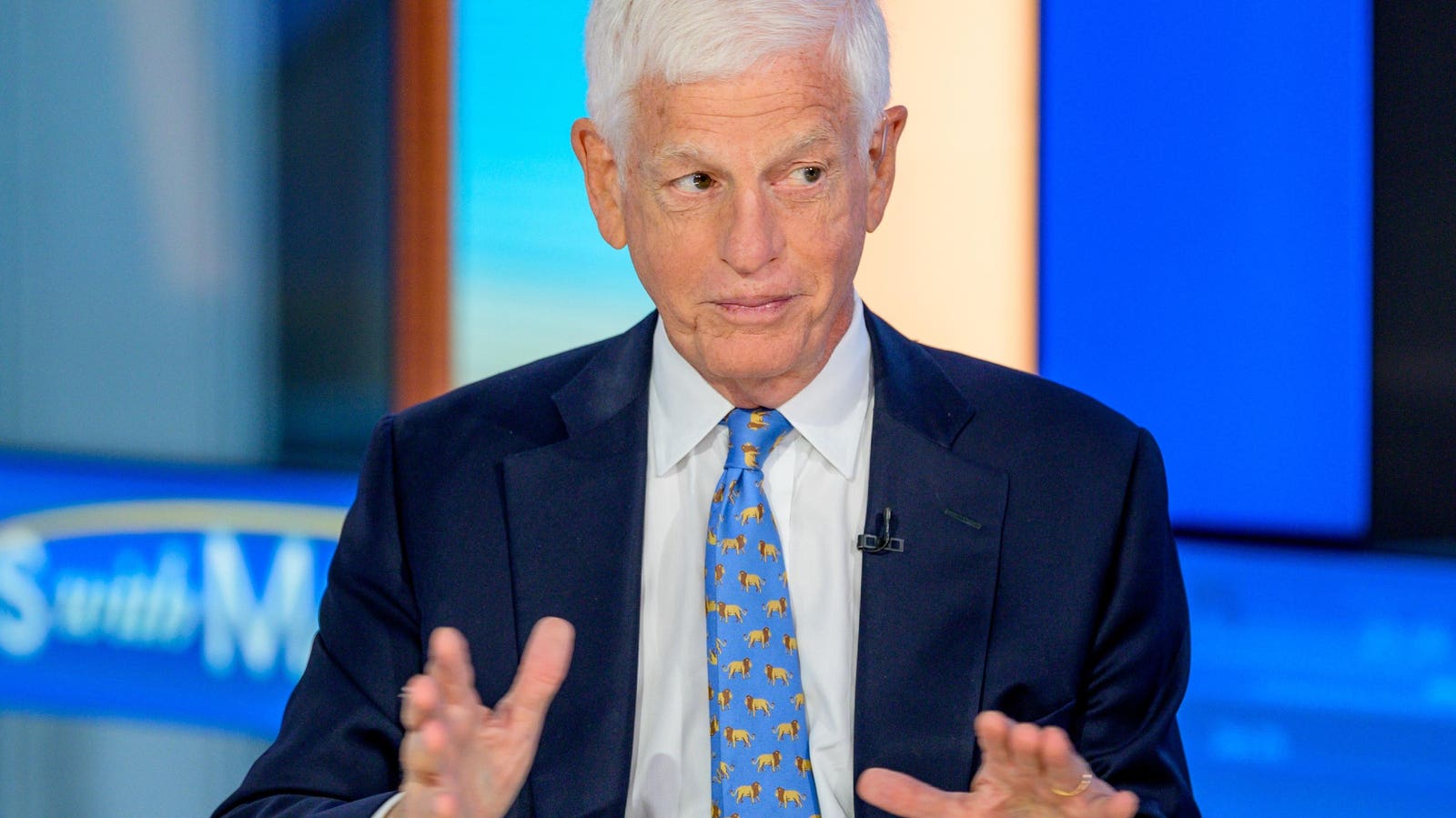
Billionaire investors like Mario Gabelli are eyeing smaller stocks for potential gains in the new year, despite the mixed historical performance of the January effect. While tax-loss harvesting and window-dressing may contribute to the January buoyancy, other factors such as political advertising and macroeconomic developments can also impact small-cap stocks. Some small caps that have caught the attention of billionaire investors include Sinclair, Grupo Televisa, Tredegar, Lindsay Corp, and Utz Brands. These stocks show potential for outsized returns in 2024 based on their relative strength, discounted valuations, and market opportunities.
Small-cap stocks, particularly those in the Russell 2000 index, have been performing well since the Federal Reserve signaled a potential interest rate cut. However, strategists caution that the Russell 2000 includes many unprofitable and "zombie" companies, making it less desirable. Instead, they recommend considering the S&P 600 index, which applies a profitability filter and has historically outperformed the Russell 2000.
The 2023 stock market rally has entered a healthier phase, with sectors like financials and small caps surging. Research shows that 78% of S&P 500 stocks were above their 200-day moving average last week, indicating broad market strength. The rally is no longer solely driven by the Magnificent 7 tech stocks, as other stocks in the S&P 500 have joined the front. Stocks like Bath & Body Works, Illumina, and Norwegian Cruise Lines have outperformed the Magnificent 7 in the past month. The market rally has also broadened out to include sectors like Financials, Industrials, and Real Estate. If this trend continues, it could indicate a healthier and more sustainable bull market for 2023.
US stocks rose as investors celebrated the Federal Reserve's dovish shift, with the Dow Jones Industrial Average setting a new all-time closing high. The Fed's policy decision indicated that interest rates are unlikely to be raised further and could be cut three times next year. This surprised and pleased investors, who welcomed the Fed's forecast of cooling inflation and stable unemployment. Bonds also rallied, with the yield on the 10-year Treasury falling below 4% for the first time since August. In addition, oil prices rebounded, and central bank decisions elsewhere were watched for signs of a global move towards easing.