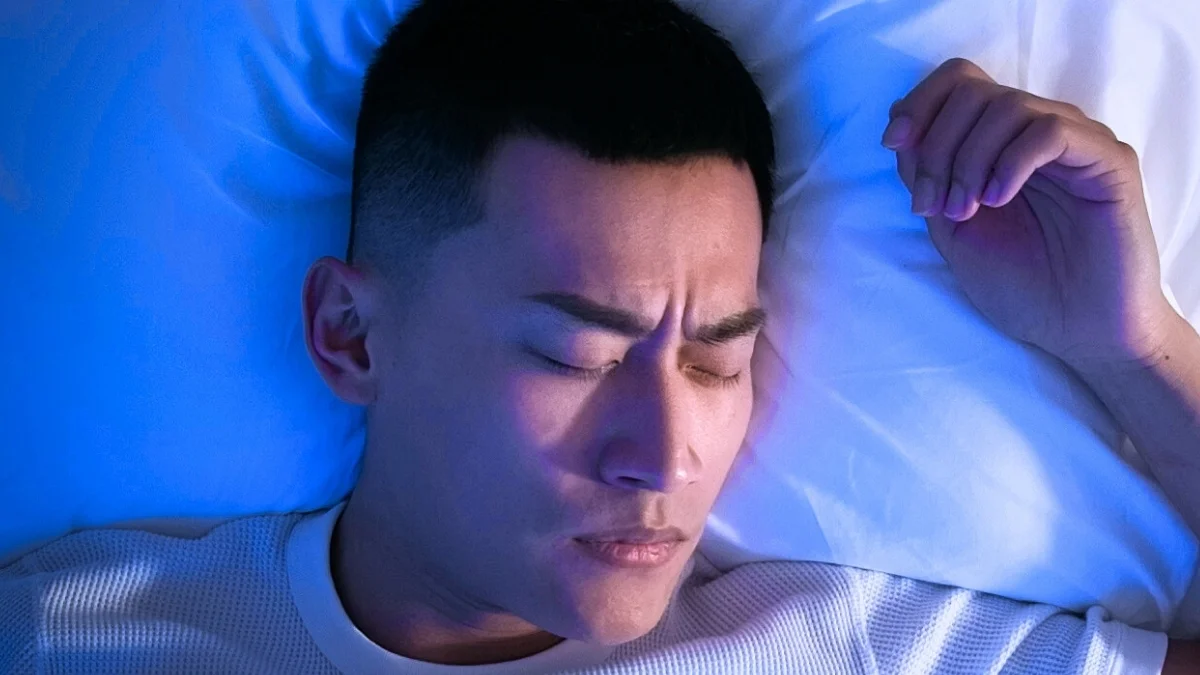
Paradoxical insomnia is a condition where individuals believe they haven't slept despite evidence from sleep studies showing they have, highlighting complexities in sleep perception and brain activity during sleep. Recent research suggests that altered states of consciousness and brain activity may explain this discrepancy, and therapies like CBT-I can help manage it.
A new study identifies five distinct sleep profiles, each linked to different mental, physical, and emotional health indicators, emphasizing that sleep quality and patterns are as important as sleep duration for overall well-being.
A large-scale sleep study found that going to bed earlier, rather than just getting enough sleep, significantly increases the likelihood of exercising the next day, highlighting the importance of sleep timing for overall health and performance.
A large study suggests that regular daytime napping, especially in the early afternoon, may be linked to a higher risk of early death, with irregular and longer naps potentially indicating underlying health issues. Experts recommend doctors inquire about patients' napping habits as part of health assessments, as these patterns could serve as early signs of declining health or underlying conditions like heart disease or dementia.
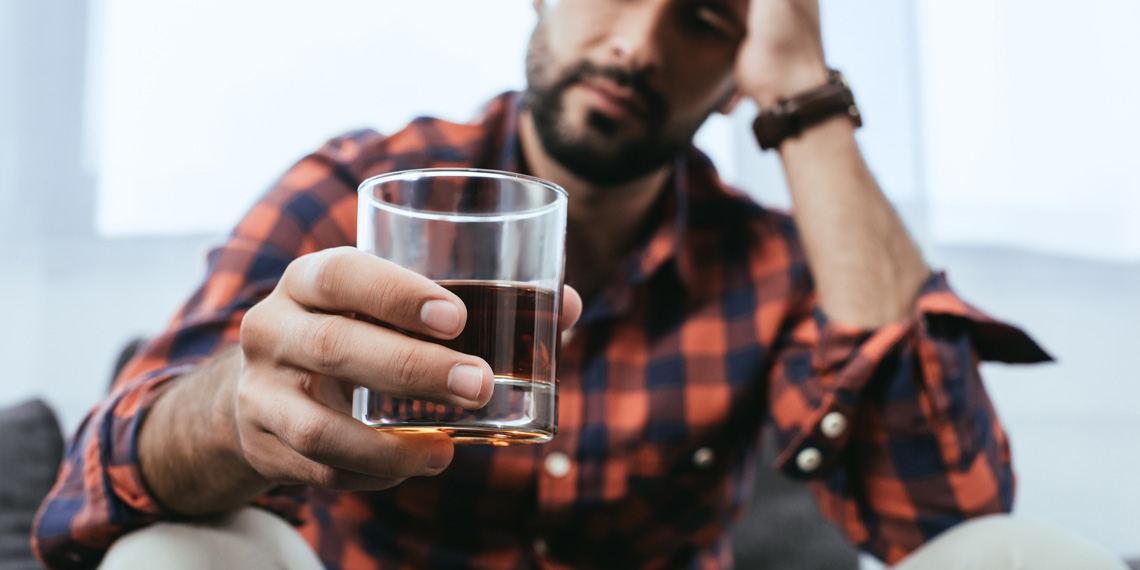
A study in Alcohol, Clinical and Experimental Research found that even mild insomnia symptoms can predict increased future alcohol use in adults. Using objective measures like wrist actigraphy and the dim light melatonin onset test, researchers discovered that higher baseline insomnia severity and longer total sleep time were linked to greater alcohol consumption and binge drinking. The study highlights the importance of addressing sleep disturbances to potentially reduce alcohol misuse.
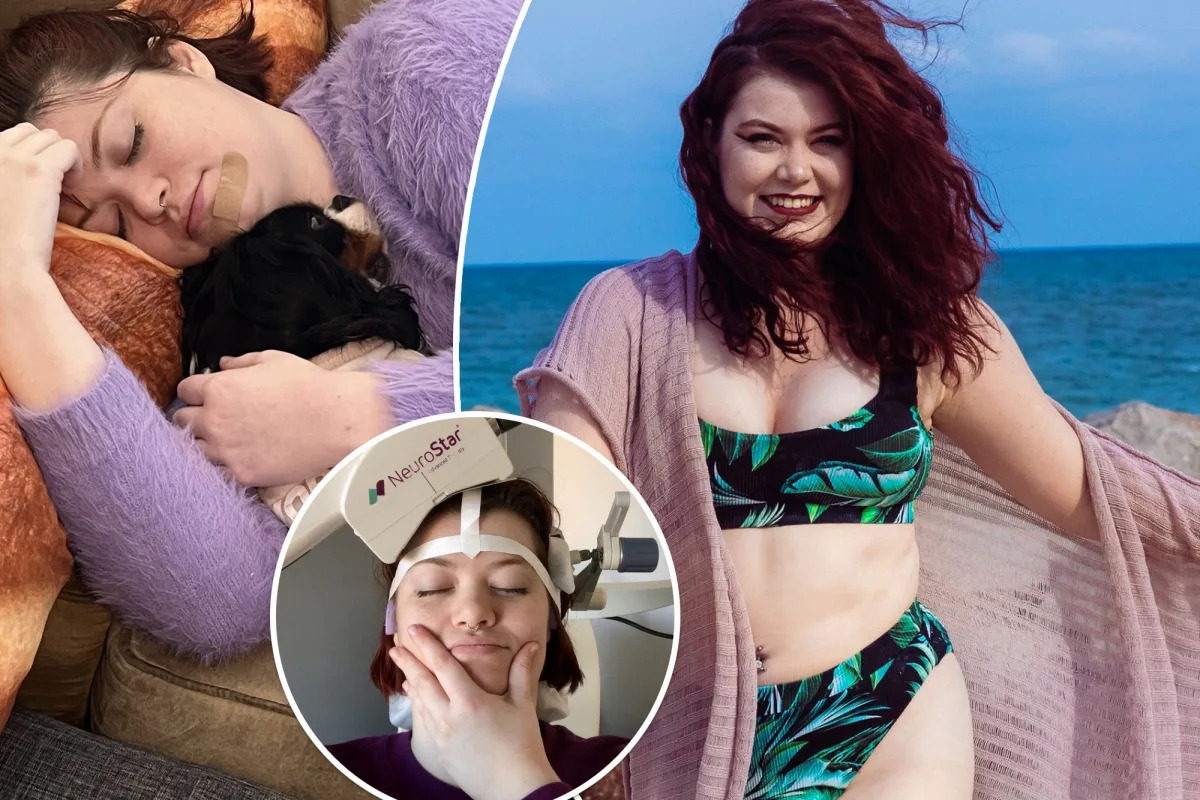
Alyssa Davis, a 26-year-old model and digital marketer, was diagnosed with idiopathic hypersomnia, a rare chronic sleep disorder characterized by excessive sleepiness with no clear cause. After years of being dismissed by doctors, she finally received a diagnosis and is now in the process of undergoing a new treatment. Davis is sharing her story to raise awareness about the condition and encourage others to seek proper medical attention.
A new study suggests that just two consecutive nights of poor sleep can make a person feel years older than they really are, with participants reporting feeling three months older for every night of poor sleep. Morning people were particularly affected by limited sleep, but even evening people felt older than their true age after plenty of sleep. Feeling older coincided with more sleepiness, and previous research has linked higher subjective age to depression. The study's lead author suggests that subjective age is "malleable," and if people can be made to feel younger, they may experience associated benefits such as being more willing to take on new experiences and being socially and physically active.
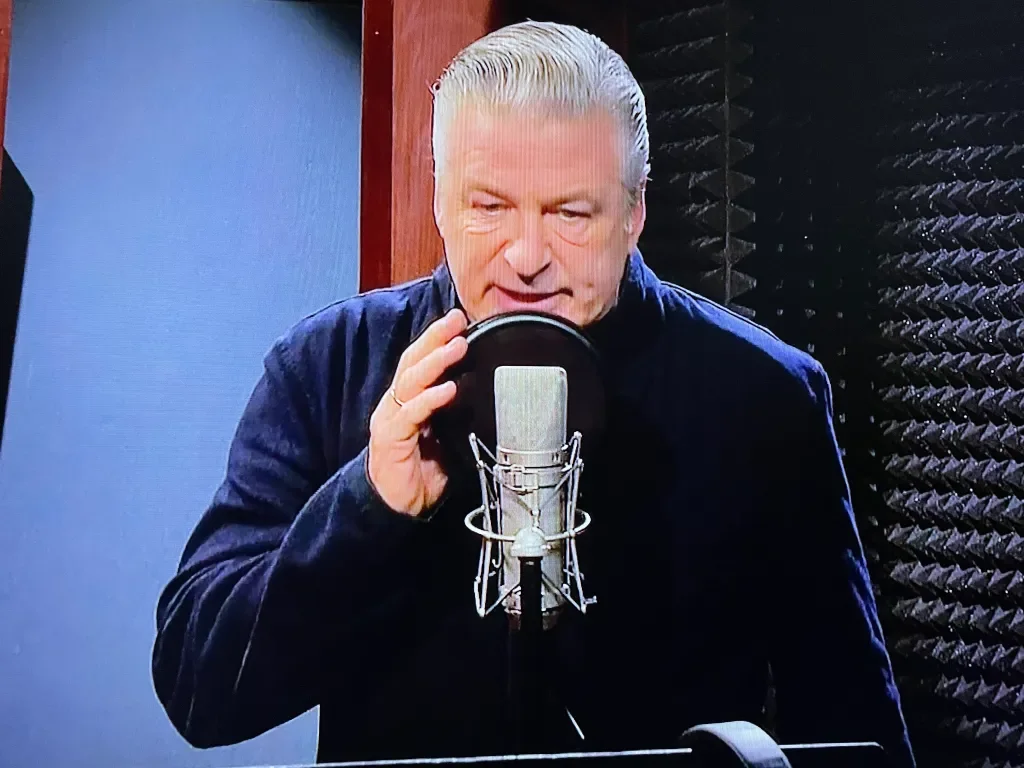
Alec Baldwin made a brief cameo on "Saturday Night Live" during a skit about a sleep study. After Timothée Chalamet's character derails the recording session with a bizarre story, Baldwin enters and delivers a quick line before the skit ends.