A study analyzing online posts from patients with idiopathic hypersomnia reveals that individuals experience relentless sleepiness, inability to feel fully awake, automatic behaviors, and significant impacts on relationships and mental health, highlighting the need for improved diagnosis and treatment.
Idiopathic hypersomnia (IH) is a sleep disorder that leaves people feeling exhausted even after a good night's sleep, often leading to constant daytime exhaustion, brain fog, and micro-sleeps. It is under-recognized and often misdiagnosed, leading to frustration and anxiety for sufferers. Diagnosis is challenging, and treatment focuses on managing symptoms with medication and lifestyle changes. Despite the difficulties, there is hope for improvement as people age, and support groups like Idiopathic Hypersomnia UK provide valuable assistance for those affected.
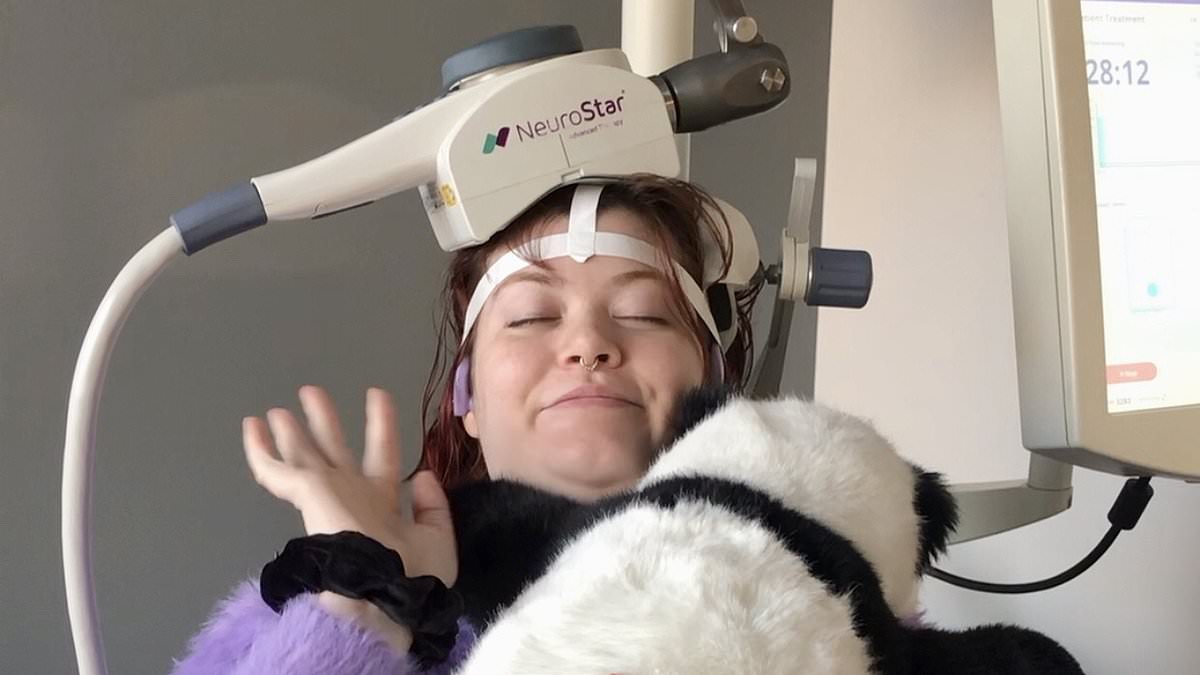
Alyssa Davis, a 26-year-old from North Carolina, struggled with debilitating exhaustion for years, only to be dismissed by doctors as lazy and advised to drink coffee. In 2017, she was diagnosed with idiopathic hypersomnia, a narcolepsy-like condition causing excessive sleepiness. Now in the process of obtaining approval for the first FDA-approved medication for the condition, Davis hopes for a better quality of life after years of misdiagnosis and struggle.
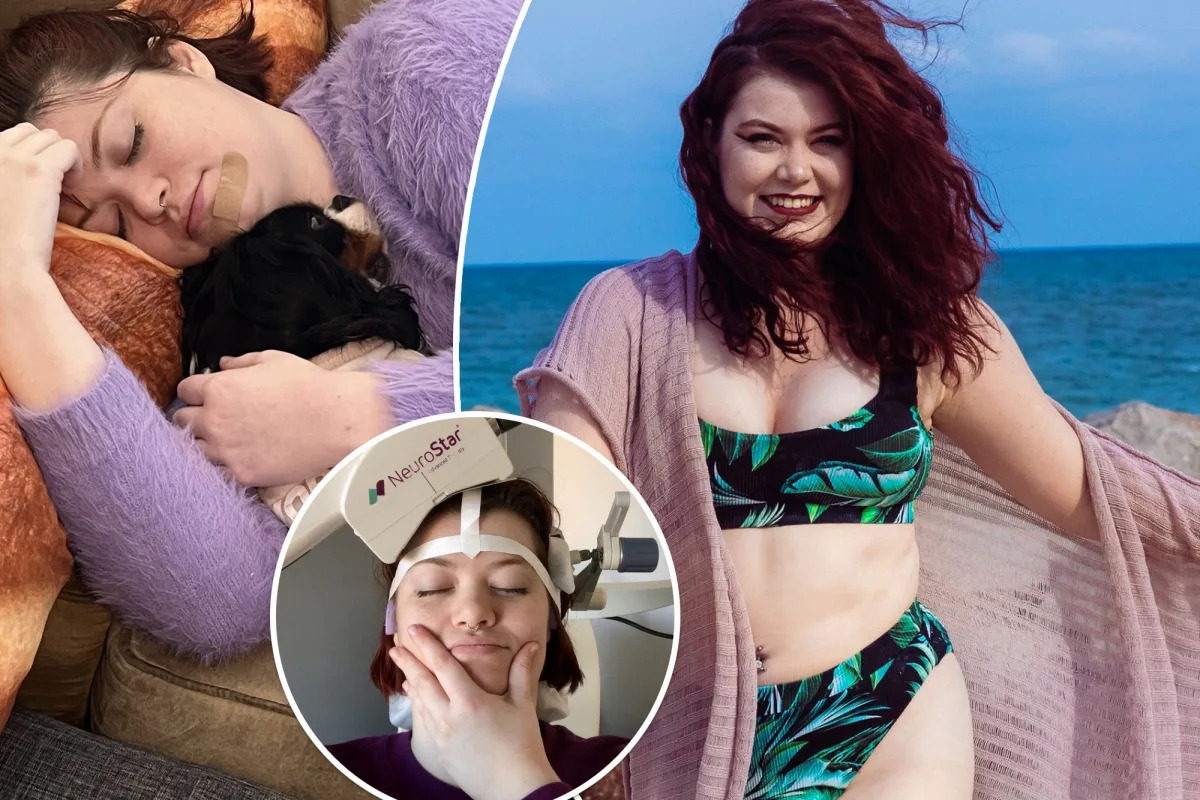
Alyssa Davis, a 26-year-old model and digital marketer, was diagnosed with idiopathic hypersomnia, a rare chronic sleep disorder characterized by excessive sleepiness with no clear cause. After years of being dismissed by doctors, she finally received a diagnosis and is now in the process of undergoing a new treatment. Davis is sharing her story to raise awareness about the condition and encourage others to seek proper medical attention.
Alyssa Davis, a 26-year-old model and digital marketer, was diagnosed with idiopathic hypersomnia, a rare chronic sleep disorder, after years of being dismissed by doctors who called her "lazy." The condition causes excessive sleepiness, dizziness, and concentration struggles. After struggling to manage the condition, she is now undergoing treatment with the first FDA-approved medication for idiopathic hypersomnia and is sharing her story to raise awareness and encourage others to seek proper medical attention.
Alyssa Davis shares her harrowing experience of battling extreme exhaustion due to a rare condition, Idiopathic Hypersomnia, which causes excessive sleepiness with no apparent cause. Despite seeking medical advice, she was told to "just drink coffee" until a clinical sleep study diagnosed her in 2017. Davis describes her daily struggle with exhaustion affecting her life and confidence, and her journey to finally getting a diagnosis and potential treatment. She hopes to raise awareness and empower others to advocate for their own care.
Neurological research reveals that idiopathic hypersomnia, a sleep disorder characterized by excessive daytime sleepiness and difficulty waking up, is much more common than previously believed. A study found that 1.5% of the population examined had the condition, which is as prevalent as other neurological and psychiatric disorders such as epilepsy, bipolar disorder, and schizophrenia. The severity of the condition was measured using a sleepiness survey, with participants with idiopathic hypersomnia scoring above the concerning threshold. Further research is needed to understand the causes and develop potential treatments for this sleep disorder. Additionally, chronic fatigue syndrome was also found to be more common than previously estimated, affecting an estimated 3.3 million Americans.
Researchers in the US estimate that nearly 5 million Americans, or one in 70 individuals, have a sleep disorder called idiopathic hypersomnia, which leaves them excessively sleepy even after a full night's rest. This is a significantly higher number than previously thought, challenging the notion that the condition is rare. The study found that 1.5 percent of the surveyed participants met the criteria for a diagnosis of idiopathic hypersomnia, indicating that the condition is relatively common. The disorder, characterized by excessive daytime sleepiness and difficulty waking up, can significantly impair daily activities. Treatment options include stimulant medications to help patients stay awake during the day. Further research is needed to better understand the causes and develop more effective treatments for idiopathic hypersomnia.
A new study suggests that idiopathic hypersomnia, a sleep disorder characterized by excessive sleepiness during the day despite getting enough sleep at night, may be more common than previously thought. The study found that 1.5% of the participants likely had the condition, a rate significantly higher than previous estimates. The researchers believe that the condition is underrecognized due to a lack of awareness and the need for expensive and time-consuming sleep testing for diagnosis. The findings highlight the need for increased efforts to identify, diagnose, and treat individuals with idiopathic hypersomnia.