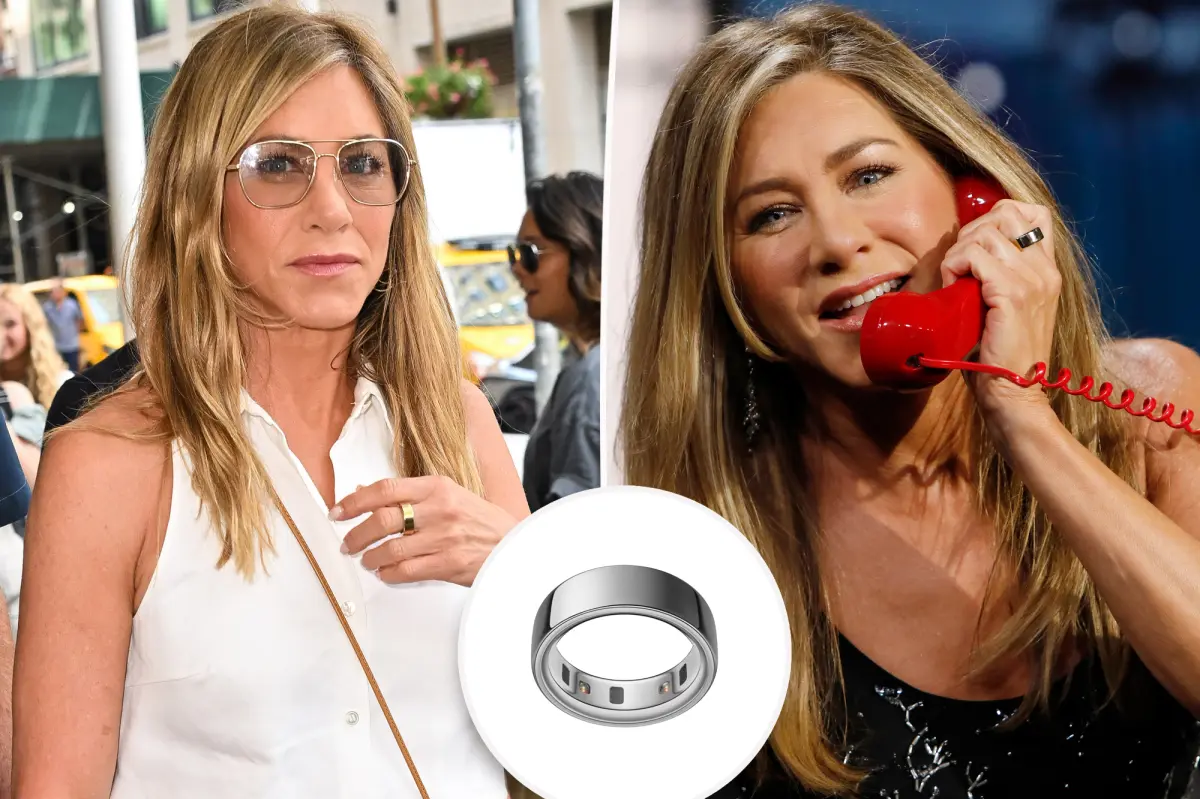
Jennifer Aniston is a big fan of the Oura Ring, a sleek health tracker that monitors over 50 health metrics, and it's currently available at a record low price of $100 off on Amazon for Black Friday, making it an attractive option for those interested in health and sleep tracking.
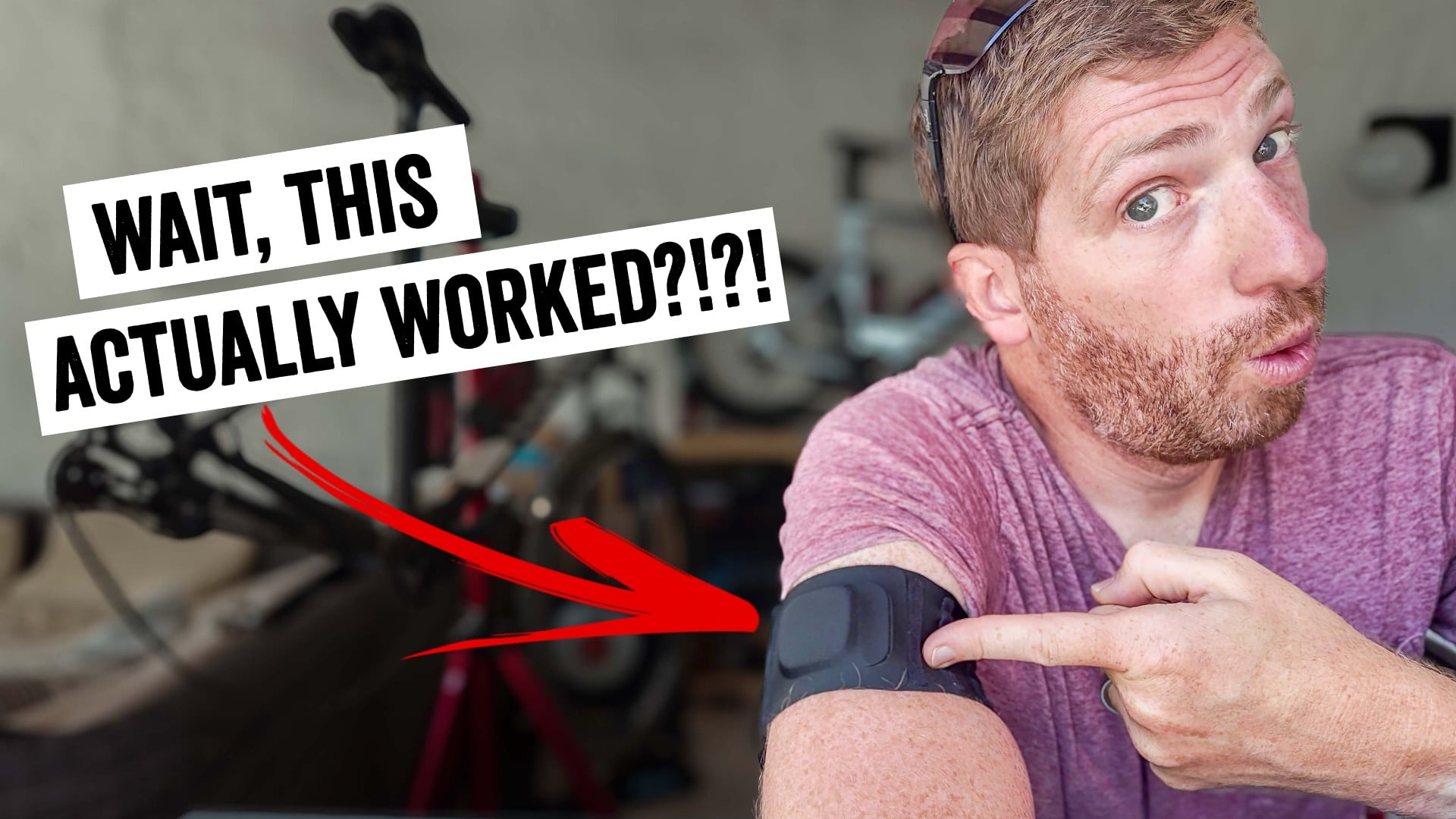
The author experimented with multiple health trackers, including smart rings and biosensors, but found that obsessively monitoring health metrics can lead to anxiety and misinformation. They now recommend using one device at a time with clear goals, taking breaks from tracking, and being cautious of paid subscriptions and lab tests that may not provide meaningful insights. The key is to balance technology use with self-awareness for better health and well-being.
A comprehensive 24-hour test reveals that the Garmin Index Sleep Monitor can effectively track sleep and various health metrics throughout the day when worn continuously, though it lacks features like step counting and automatic exercise recognition. The device's battery life is impressive, and it can independently provide sleep and heart rate data, but it doesn't replace a full activity tracker or smartwatch for all fitness metrics.
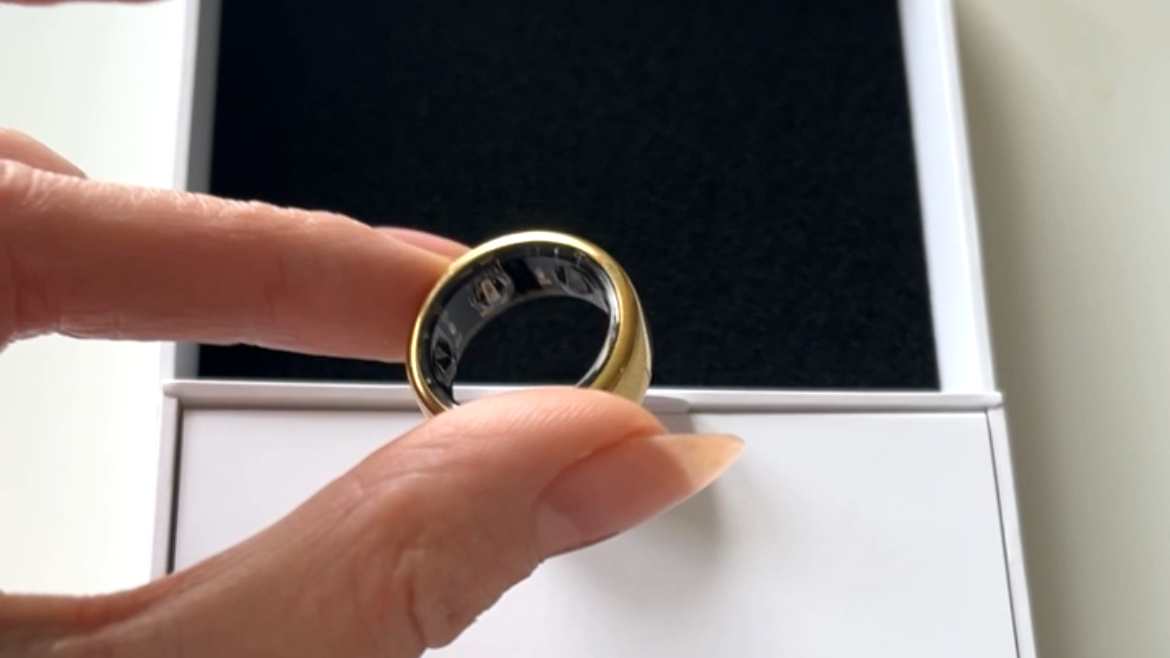
The Oura Ring Generation 3 has impressed a wellness writer with its sleek design, comfort, and comprehensive health tracking features, including sleep patterns, readiness scores, and women's health insights. Despite a minor issue with battery life, the writer finds the ring a valuable tool for monitoring overall health and would recommend it over other wearables like the Apple Watch.
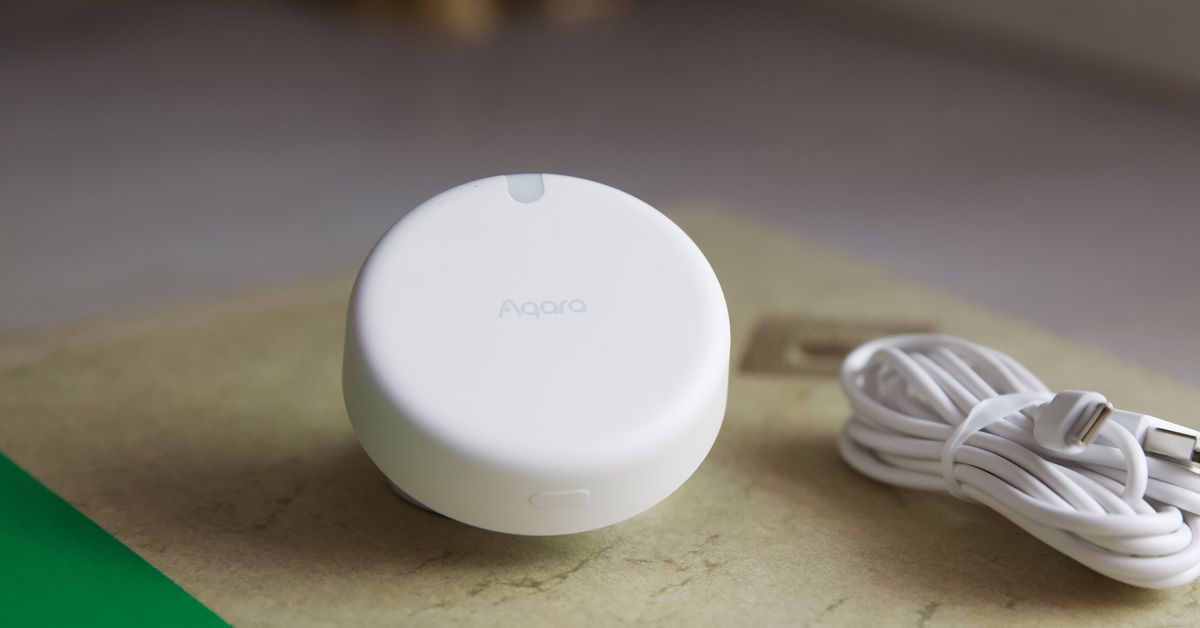
Aqara's Presence Sensor FP2, utilizing millimeter wave radar technology, is receiving new features including Sleep Monitoring Mode, AI Person Detection, and People Counting. The sleep monitoring function analyzes sleep status, heart rate, and respiratory data, while AI Person Detection distinguishes between human and non-human motion. People Counting alerts users when people enter a room and provides the number of individuals present. The FP2's ability to detect specific movements allows for advanced automations. However, accuracy issues have been reported with the device. The sleep monitoring feature offers an affordable and non-intrusive option for tracking heart rate and breathing while sleeping. The FP2 is compatible with various smart home platforms and will support Matter in the future.
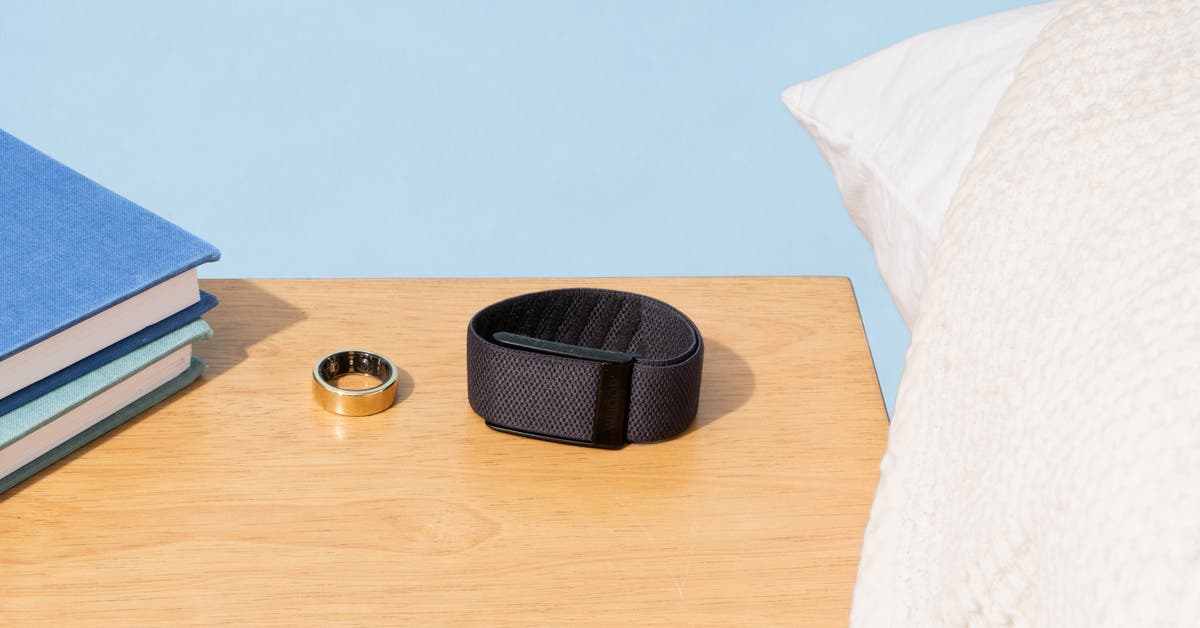
Wearable sleep trackers, such as the Oura Ring and the Whoop 4.0, offer the ability to monitor sleep trends, track activity and heart rate, and provide guidance on improving rest and fitness. While no commercially available sleep tracker can diagnose sleep disorders, these devices can offer valuable insights into sleep patterns and overall health. The Oura Ring stands out for its accurate heart-rate data and user-friendly interface, while the Whoop 4.0 excels at tracking both sleep and exercise, although its interface can be intimidating. It's important to note that sleep trackers are not a substitute for medical care and may not always be precise in their measurements.
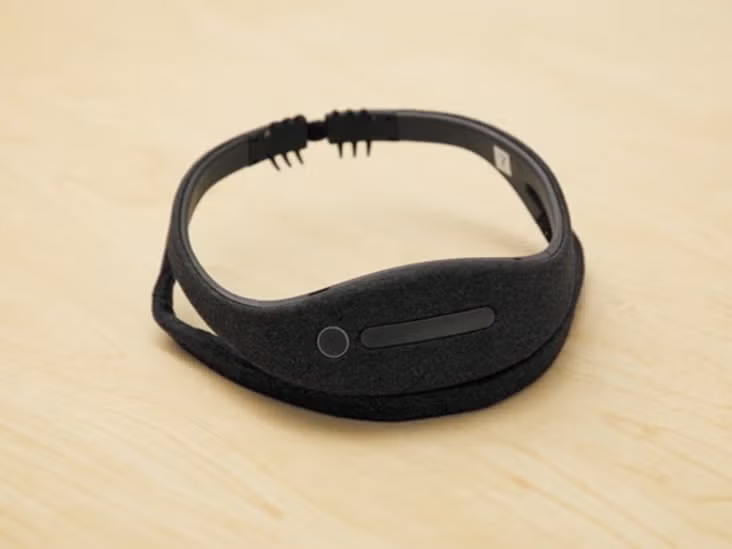
Researchers have developed a wearable headband that can detect early signs of Alzheimer's disease during sleep. By measuring specific brainwave patterns, the device effectively detected distinct patterns that may indicate Alzheimer's disease, even before symptoms are present. The study shows promise in providing an easy and accessible method for early detection of Alzheimer's disease, allowing for better care planning and treatment options. However, further research is needed to refine the technique and design user-friendly devices for widespread use.
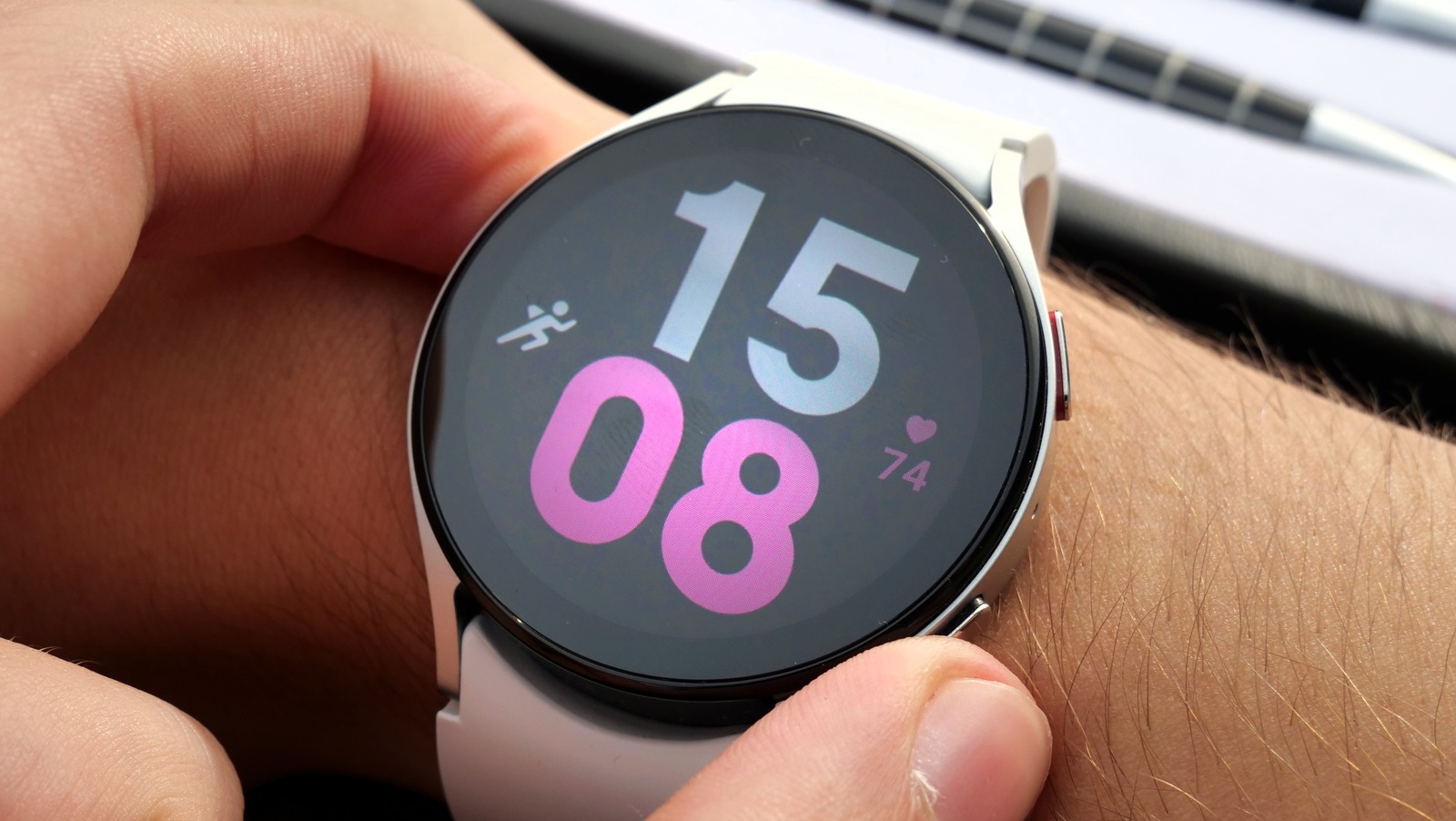
The Samsung Galaxy Watch offers several features that can enhance its utility beyond the standard smartwatch functions. These include auto workout tracking, mode switching, sleep monitoring, custom settings, and the ability to customize the watch's appearance. With its durable body and fitness tracking capabilities, the Galaxy Watch is a premium fitness tracker. Its sleep monitoring feature can help detect possible sleep apnea, and its customization options allow users to personalize their device to their liking.
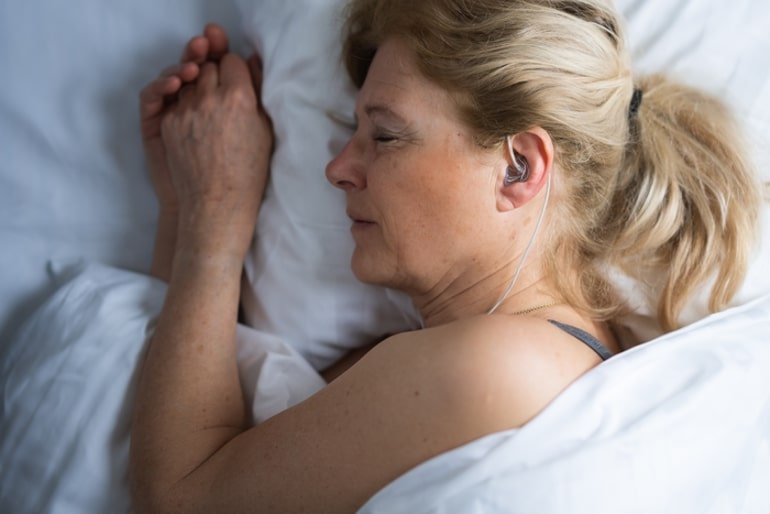
Researchers are developing and testing an ear-EEG device that maps brain activities during sleep and could help diagnose neurodegenerative diseases such as Alzheimer's and Parkinson's. The device is similar to a pair of in-ear headphones and measures the brain's electrical activity and sleep patterns. The project, called PANDA, is being funded by Innovation Fund Denmark with DKK 15 million and will run for four years. The aim is to identify early signs of the two diseases 10-15 years before the first problems begin to occur, and if successful, far better treatment options will be possible.