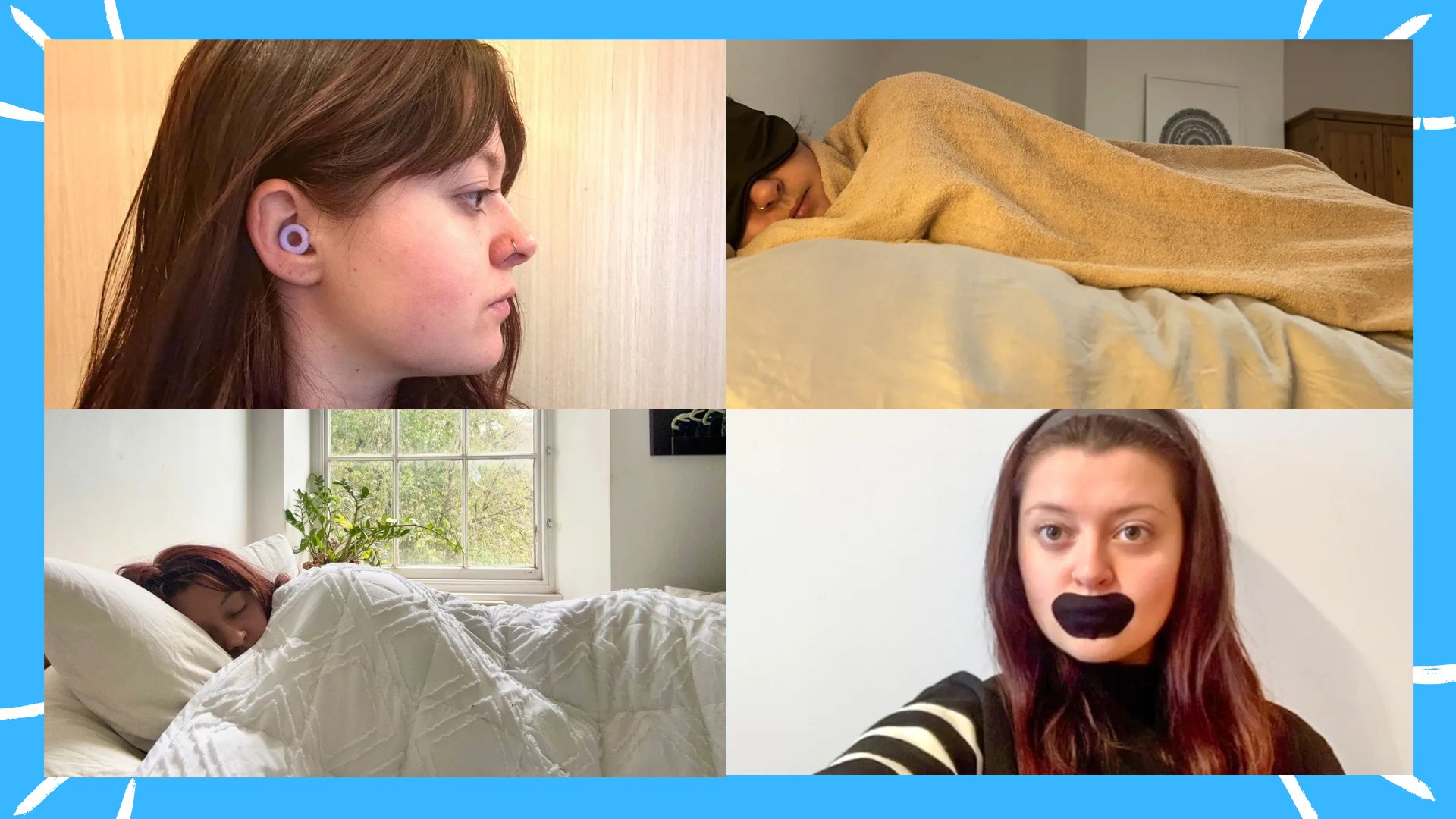
The article reviews nine sleep methods tested by the author, highlighting the three most effective for falling asleep quickly—cognitive shuffling, blocking out noise and light, and taking a warm bath—while advising against mouth taping, the Egyptian method, and cricket feet due to ineffectiveness or potential risks.
This article provides seven easy hacks to improve your health overnight, including taking magnesium, taping your mouth for better breathing, using red light instead of blue light, setting your thermostat to 65°F, manifesting while you sleep, using a smart alarm clock, and programming your coffee maker. These tips aim to enhance sleep quality, boost energy, and promote overall well-being.
A recent survey by the Sleep Foundation found that 37% of U.S. adults slept worse in 2023 than in previous years, with Gen Z being at the top of the list for sleep challenges. Google searches for "sleep" reached an all-time high in 2023, indicating a growing interest in improving sleep quality. Some popular sleep inducers people tried included showering before bed, using a weighted blanket, and keeping a bedroom window open. Sleep medicine specialists offered tips such as sticking to a regular bedtime, avoiding napping, creating a conducive sleep environment, and managing stress. Lifestyle and health choices, such as avoiding caffeine and nicotine, and not engaging in stimulating activities before bedtime, were also highlighted as important factors for better sleep. If lifestyle changes do not improve sleep, seeking guidance from a sleep specialist is recommended before considering sleep medication.
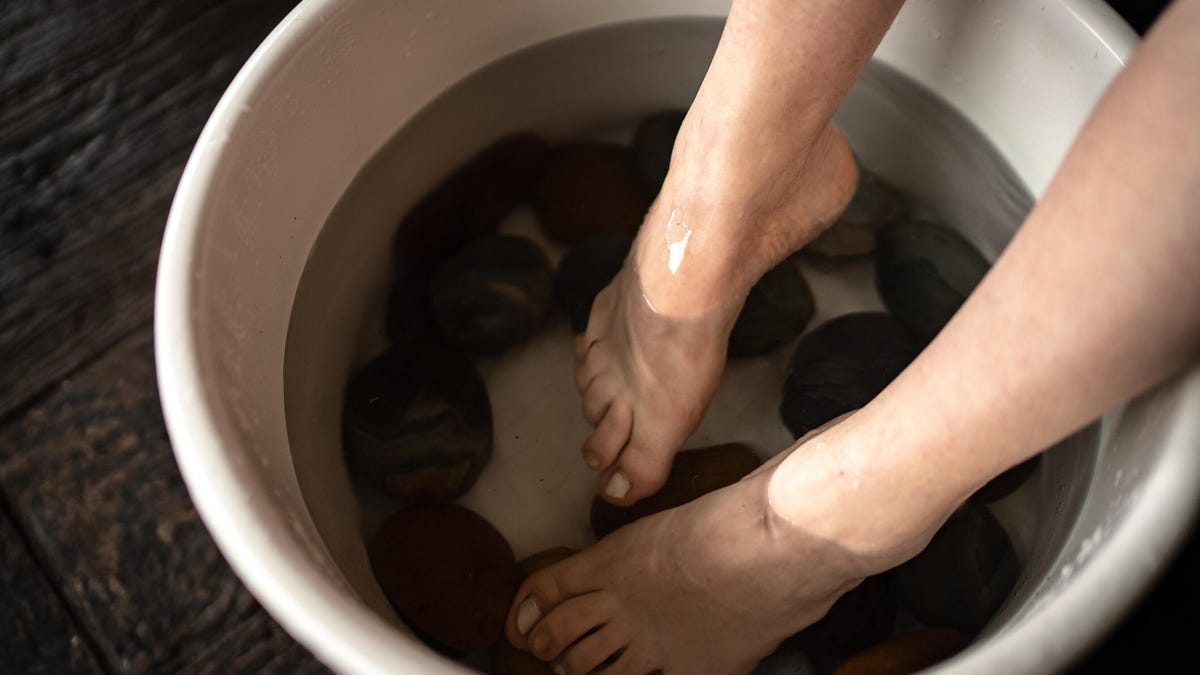
Insomnia and sleep deprivation are common worldwide, affecting 1 in 3 people. Different parts of the world have their own sleep hacks to promote better rest. In China, a hot foot soak before bed aids relaxation. Sweden recommends välling, a milk and oat drink. Europeans use two duvets to prevent sleep disruptions. India uses ashwagandha to ease anxiety. Finland's hot sauna sessions mimic the natural temperature drop during sleep. Japan promotes better spinal alignment with shikibuton mattresses. South and Central America find comfort in hammocks, while Scandinavian parents let babies nap outside for better sleep. Guatemalan parents use worry dolls to calm anxieties before bed.