New immigration restrictions ordered by President Trump, including a travel ban on individuals from seven countries and changes to the H1-B visa program prioritizing higher-wage earners, went into effect on January 1, 2026, amid ongoing debates over national security and immigration policy.
President Donald Trump expanded the U.S. travel ban to include 39 countries following a shooting incident involving an Afghan immigrant and National Guard members, aiming to tighten immigration controls.
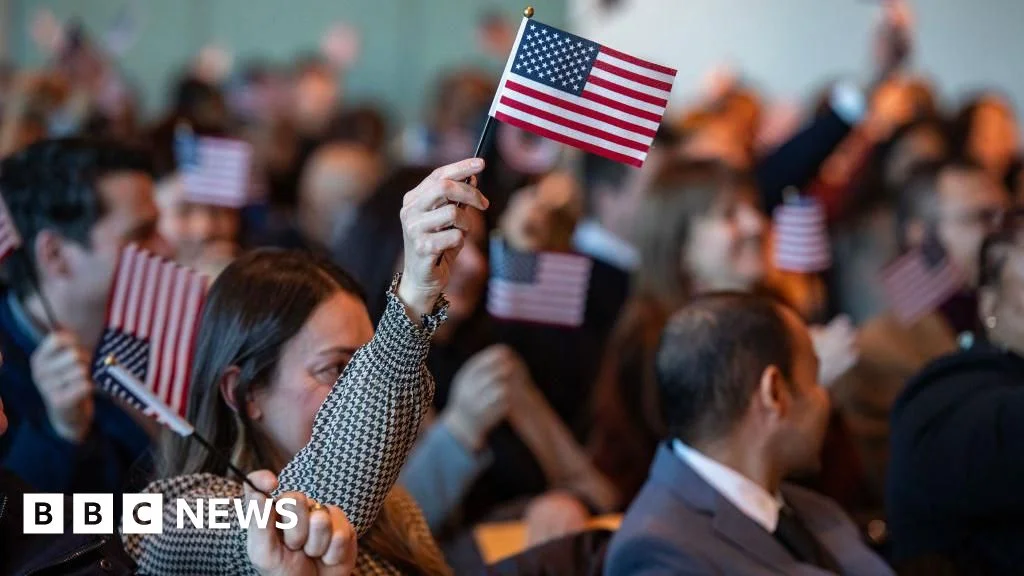
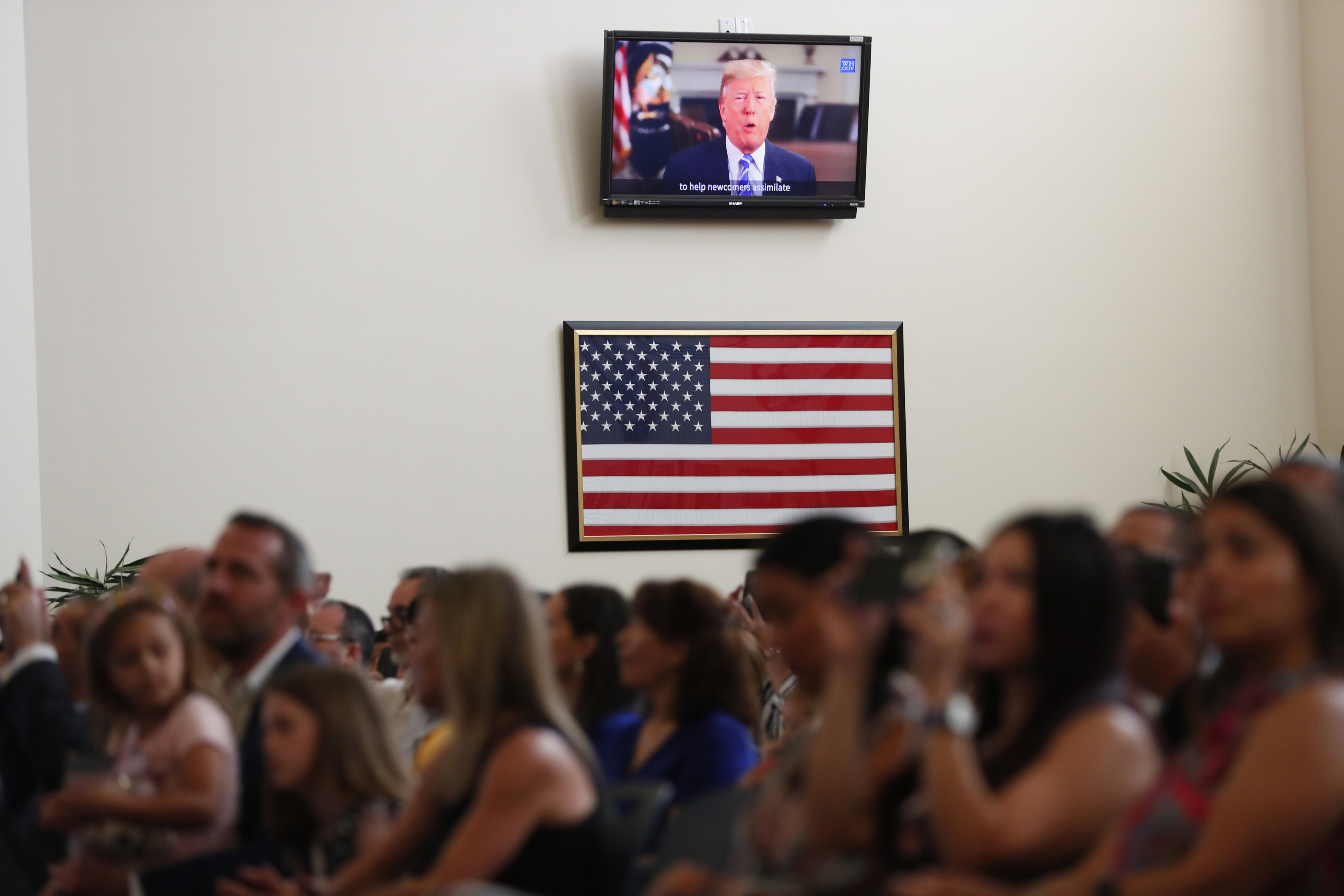
The US has paused all immigration processing and naturalization ceremonies for migrants from 19 countries affected by a travel ban, amid increased immigration restrictions under the Trump administration following a recent shooting incident involving an Afghan national.
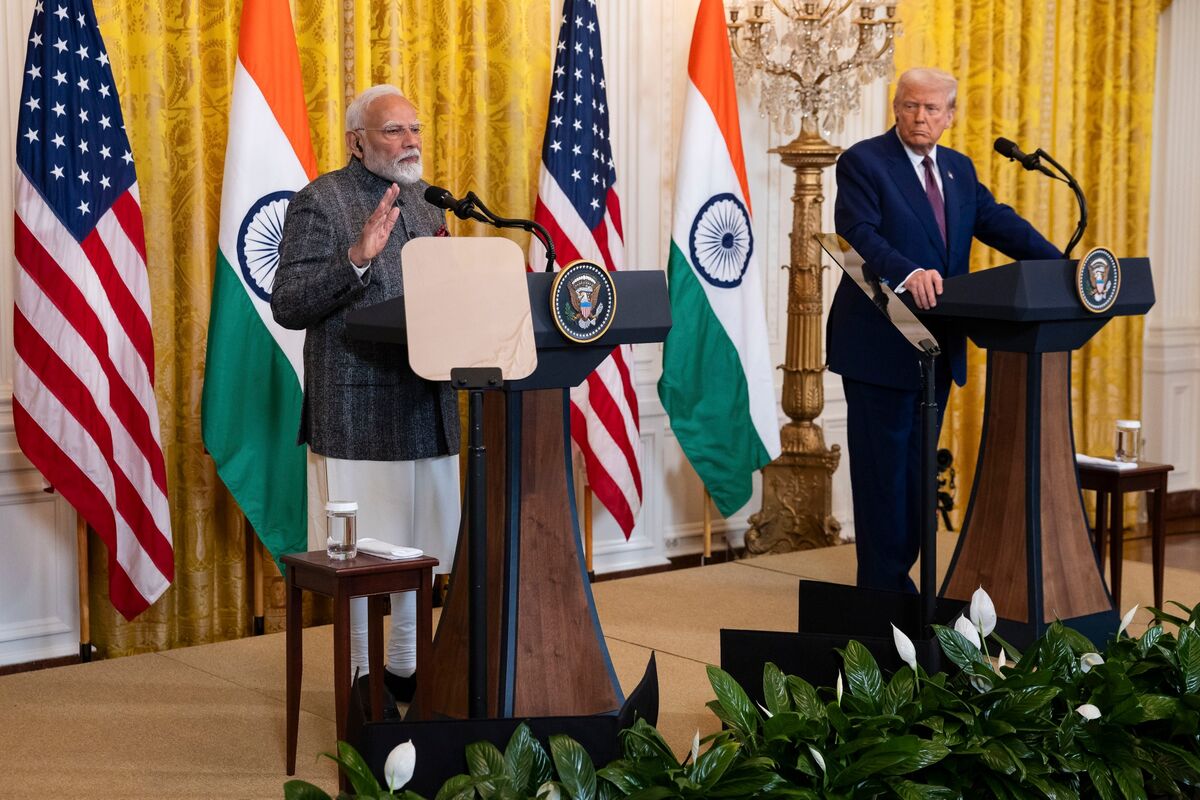
India is seeking to ease access for skilled workers, including IT professionals, in US trade negotiations amid US restrictions on H-1B visas, as part of efforts to reach a bilateral trade deal and protect India's services exports.
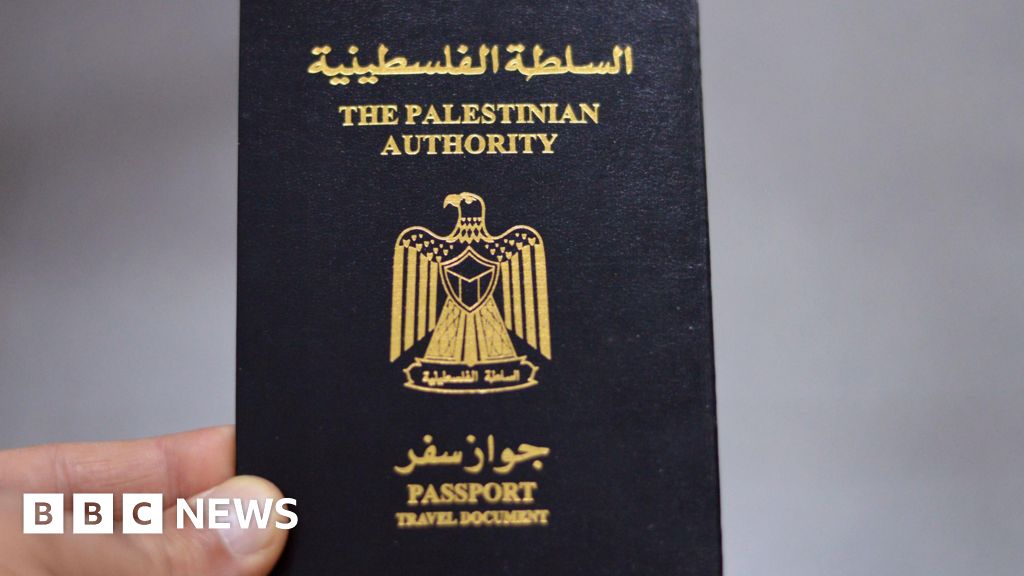
The US has implemented a policy rejecting visas for Palestinian Authority passport holders, severely impacting Palestinian students who had planned to study in the US amidst ongoing conflict in Gaza, forcing many to delay or abandon their educational aspirations.
The US has suspended non-immigrant visas for Palestinian Authority passport holders, severely impacting Palestinian students who had been accepted to US universities amid ongoing conflict in Gaza, forcing many to delay or reconsider their educational plans and face significant hardships.
The US has significantly restricted visas for Palestinians, denying almost all applicants with Palestinian passports, including those from the West Bank, citing national security concerns amid ongoing tensions and conflicts in the region.
The US has announced a new visa bond requirement of up to $15,000 for tourists and business travelers from Zambia and Malawi, aiming to curb visa overstays. This move, part of broader immigration tightening measures, has been criticized as unfair and burdensome, especially for genuine travelers from these poorer nations, and raises concerns about potential expansion of travel restrictions across Africa.
President Donald Trump signed a proclamation banning travel from 12 countries and imposing partial restrictions on seven others, citing national security concerns, continuing his previous immigration policies.
White House and Senate negotiators are racing against time to reach a border deal before the holidays, with Ukraine aid hanging in the balance. President Biden has urged Congress to pass his national security supplemental request, which includes funding for Ukraine, Israel, and border security. However, negotiations have stalled as Republicans insist on tying tighter immigration restrictions to funding for Ukraine. If a deal is not reached, the White House will have to make tough choices regarding US military readiness and supplying allies like Ukraine. Key sticking points include metrics for expelling migrants, curbing parole, and mandatory detention. The politics are complicated for Biden, as losing support from the Democratic base or being perceived as doing nothing on border security could have lasting implications.
A new immigration policy group called Black America for Immigration Reform has been launched by William W. Chip, a former Trump official with a history of inflammatory posts about race. The group aims to restrict immigration and argues that it harms Black workers by increasing competition for jobs. Chip, who is white, claims that having a legitimate African American organization will lend more credibility to the argument. Critics view the group as an attempt to derail comprehensive reform efforts and pit immigrants against Black Americans. The group plans to highlight research suggesting that less-educated immigrant workers harm less-educated U.S.-born counterparts and push for restrictionist immigration policies.