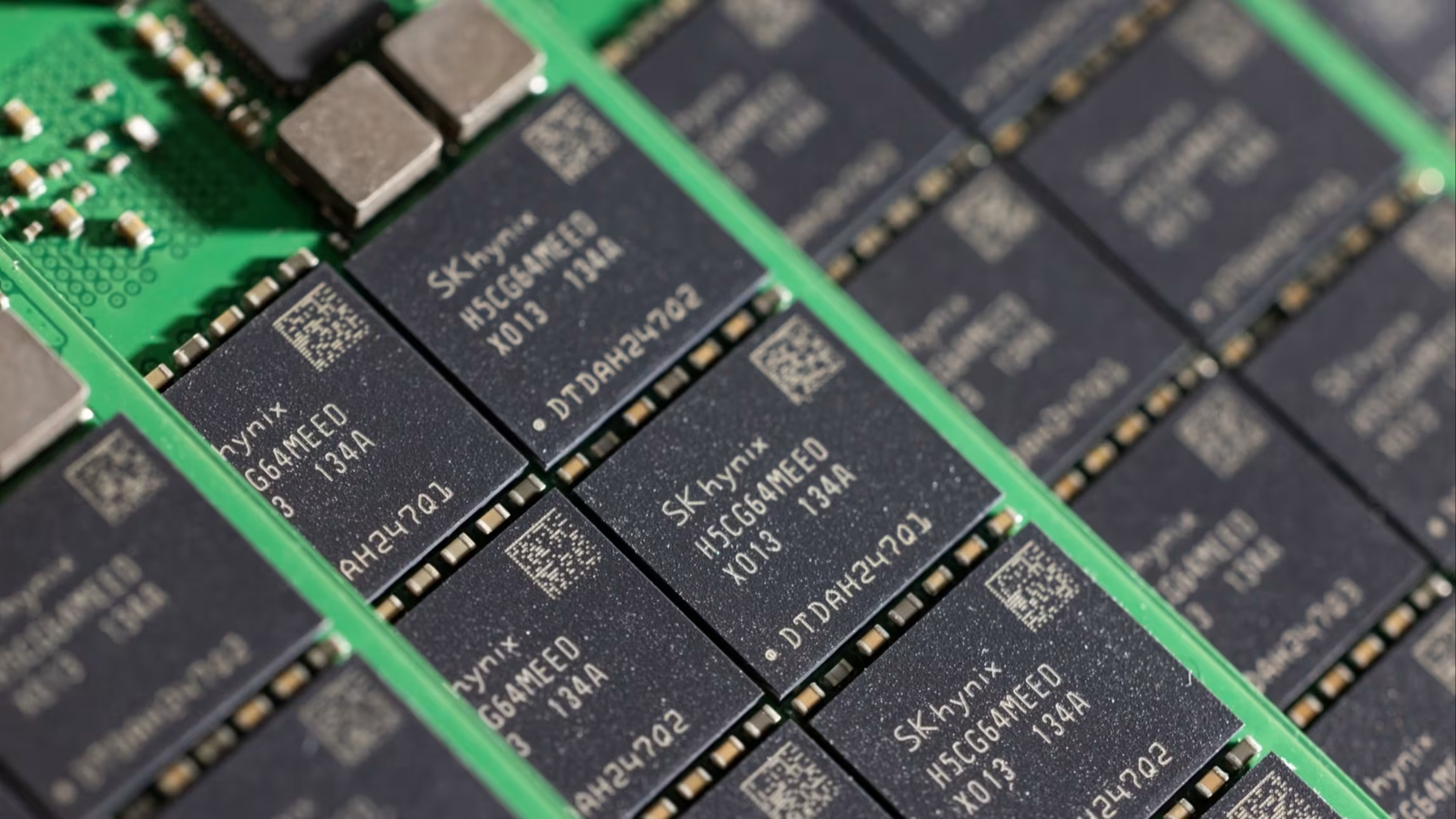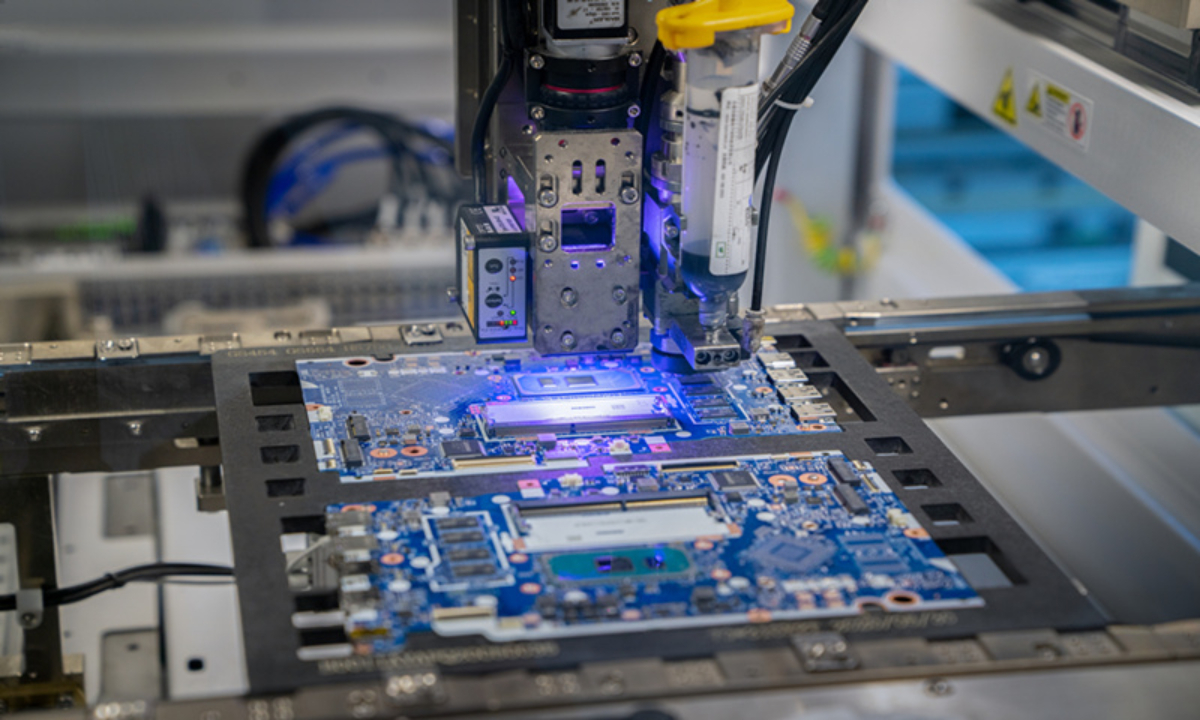
The US has granted annual licenses to Samsung and SK Hynix to import chip manufacturing equipment to China for 2026, providing temporary relief amid ongoing export restrictions, with the move marking a shift to an annual approval system for such exports.
Etron's chairman likens DRAM suppliers like Samsung and SK hynix to Santa Claus due to their selective allocation of limited DRAM capacity amid ongoing shortages driven by AI demand, which is expected to persist until 2027, impacting the PC and consumer markets.
Shares of SK Hynix and Samsung surged after partnering with OpenAI to increase production of advanced memory chips vital for AI and data centers, with SK Hynix reaching a 25-year high and Samsung hitting its highest since 2021, as both companies aim to strengthen their positions in the AI memory market.
The US is considering a new approval system for exports of chipmaking supplies to Samsung and SK Hynix factories in China, requiring annual approval for restricted items, which aims to increase oversight while allowing continued operations but poses planning challenges and geopolitical tensions.
US restrictions on chipmaking exports are impacting major South Korean semiconductor companies Samsung and SK Hynix, highlighting ongoing tensions in global technology supply chains.
The US is tightening restrictions on SK Hynix and Samsung by revoking their exemptions to buy US semiconductor equipment for China, requiring new licenses for future purchases, which may impact their operations and the global semiconductor supply chain, while potentially benefiting Chinese and US competitors like Micron.
The US is tightening restrictions on Samsung and SK Hynix by revoking licenses that allowed them to use US technology in their Chinese chip plants, aiming to curb China's semiconductor industry. Experts warn this move could backfire by disrupting global chip supply and boosting China's domestic industry, while also potentially hindering US technological progress.
South Korea's top trade envoy announced that Samsung Electronics and SK Hynix will not face the 100% US tariffs on chips, benefiting from a favorable trade deal between Washington and Seoul, despite US President Trump's earlier statements about imposing such tariffs on non-US chip producers.
SK Hynix shares surged 6.5% after Nvidia CEO Jensen Huang requested the company expedite the supply of its next-generation high-bandwidth memory (HBM) chips, crucial for Nvidia's AI model training. SK Hynix, a key supplier to Nvidia, announced a new 16-layer HBM chip, with samples available in early 2025, contributing to its stock rally. The demand for Nvidia's products has significantly boosted SK Hynix's growth and profits this year.
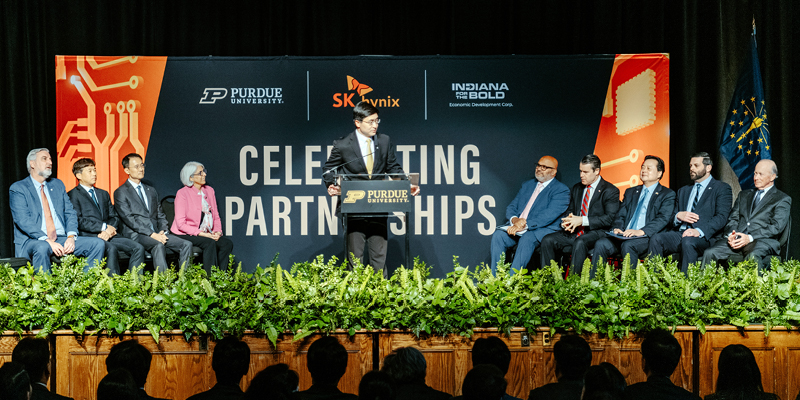
South Korean chipmaker SK Hynix plans to invest over $3.87 billion in Indiana to build a semiconductor packaging plant and research center, creating around 800 high-wage jobs by 2030. The plant, to be located at Purdue Research Park, will focus on producing high-bandwidth memory chips to meet U.S. semiconductor demand and advance chip development. The investment is expected to boost Indiana's role in the tech sector and contribute to U.S. innovation and national security, with the company receiving significant incentives from the state and local authorities.
SK hynix plans to invest close to $4 billion to build an advanced packaging fabrication and R&D facility for AI products in the Purdue Research Park, marking a significant development in the U.S. semiconductor supply chain. The facility is expected to create over a thousand new job opportunities and will mass-produce next-generation high-bandwidth memory chips. This investment is part of the company's long-term commitment to the region and is supported by the CHIPS and Science Act, which aims to strengthen the semiconductor industry in the U.S. and enhance national security.
SK Hynix, the world's second-largest memory chip maker, is set to invest $3.87 billion in building an advanced packaging plant and research facility for AI products in Indiana, USA. The new plant will mass-produce next-generation high bandwidth memory (HBM) chips, used in graphic processing units for training artificial intelligence systems, and is expected to start production in the second half of 2028. The investment aims to strengthen the supply chain resilience for AI chips in the US and is part of SK Hynix's commitment to invest $15 billion in the semiconductor industry, including the creation of an advanced packaging and testing facility in the US.
Samsung's stock surged over 5% following reports that Nvidia is considering using its next-generation high-bandwidth memory chips for its graphics processing units. Nvidia's CEO hinted at the qualification process during a media briefing, praising Samsung as "a very good company." This news comes after rival SK Hynix announced its plans to deliver similar chips to customers, with Nvidia reportedly being its first client. Meanwhile, SK Hynix's shares dropped by as much as 3.56% in response to the reports.
Samsung's stock surged after reports that Nvidia is considering buying its high-bandwidth memory chips, potentially closing the gap with rival SK Hynix in the AI semiconductor field. Samsung aims to lead the global chip market within two to three years and expects its chip business to recover to 2022 levels this year. Nvidia's endorsement of Samsung as an HBM supplier has boosted investor confidence, with expectations that Samsung will qualify for supplying HBM3E to Nvidia's latest chips. Both Samsung and SK Hynix are investing in capacity and technology to secure their positions in the memory chip market.