Asia-Pacific stocks gained as Trump floated a 15% global tariff amid a US Supreme Court ruling that narrows his trade agenda, with Korea’s Kospi at a fresh high and Hong Kong’s Hang Seng higher; Bitcoin slid over 3% on the tariff news and risk sentiment, while oil eased.
Asian stocks rose on Thursday as technology shares drove gains, offsetting rate-uncertainty, with South Korea’s KOSPI hitting a record near 5,673 as Samsung Electronics led memory-chip gains on AI demand and chip-price optimism; Samsung’s HBM4 mass production news and a chip-shortage backdrop supported pricing. Australia’s ASX 200 also reached a record around 9,118 on strength in mining and banks, while Japan’s Nikkei rose on a weaker yen boosting exporters. January exports in Korea surged about 34%, and softer domestic jobs data kept rate-hike bets in check, even as Fed signals remained hawkish. Mainland China and Hong Kong markets were closed for the Lunar New Year.
Asian stocks retreated from record levels as fears over AI disruption weighed on risk assets; South Korea’s KOSPI fell about 3.7% after a rally, with Samsung Electronics and SK Hynix down more than 5% as investors booked profits. Chinese indices (CSI 300 and Shanghai) and Hong Kong’s Hang Seng slipped around 1%, while Japan’s Nikkei 225 dipped about 1% despite selective gains elsewhere. U.S. futures were largely flat in early Asian trading.
Bitcoin fell as much as 8% and South Korea’s Kospi slid nearly 4% as a tech-led sell-off swept through markets, signaling a broad risk-off mood driven by weakness in technology shares.
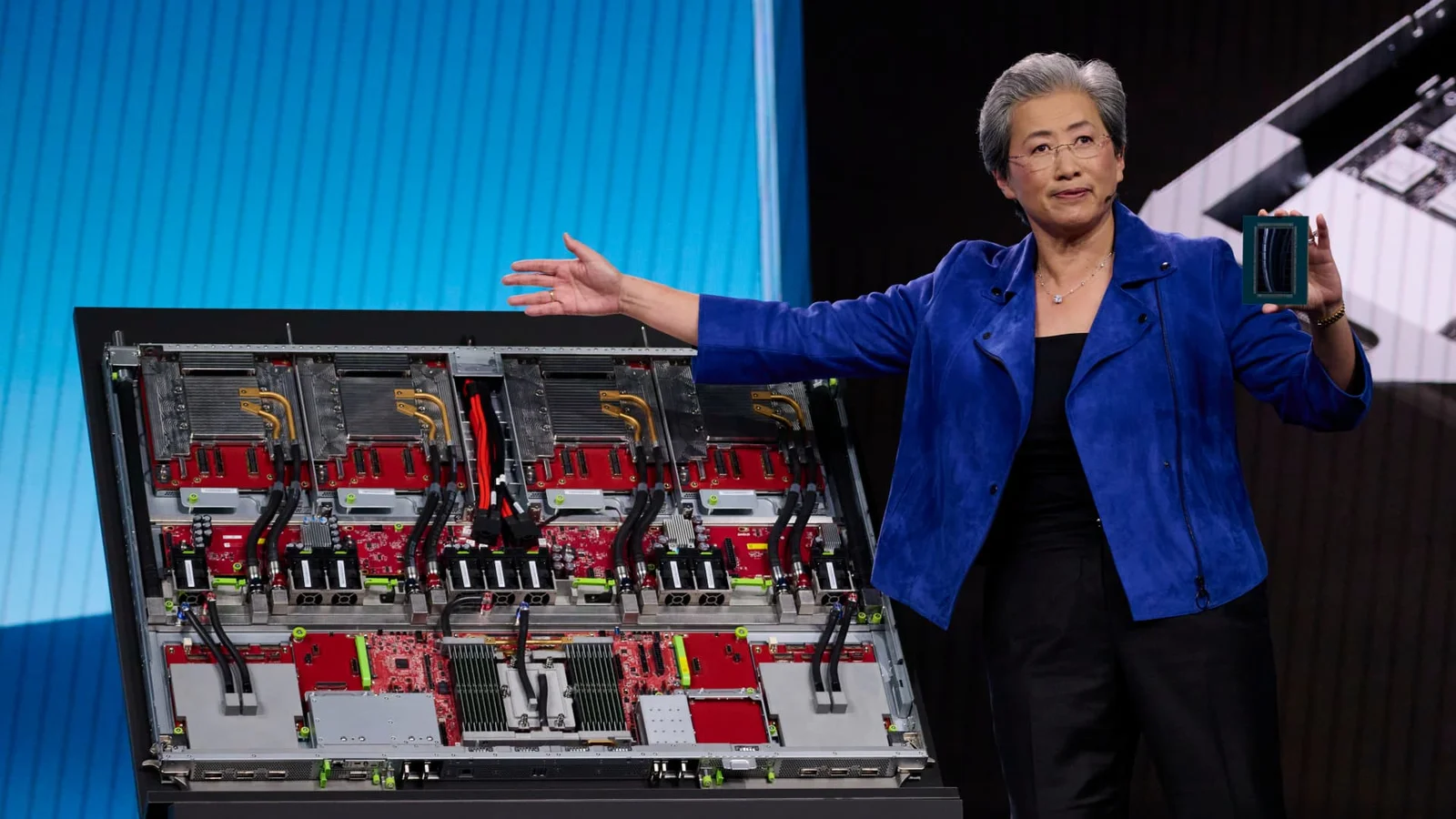
South Korea's Kospi slid about 3.9% to 5,163.57, led by Samsung and SK Hynix as a broad tech sell-off hit Asia; Arm/SoftBank results miss and a weak first-quarter forecast from AMD weighed on sentiment, with other chipmakers and tech names falling, while Japan's Nikkei eased and Hong Kong/China markets declined. Bitcoin also fell as global risk appetite remained fragile.
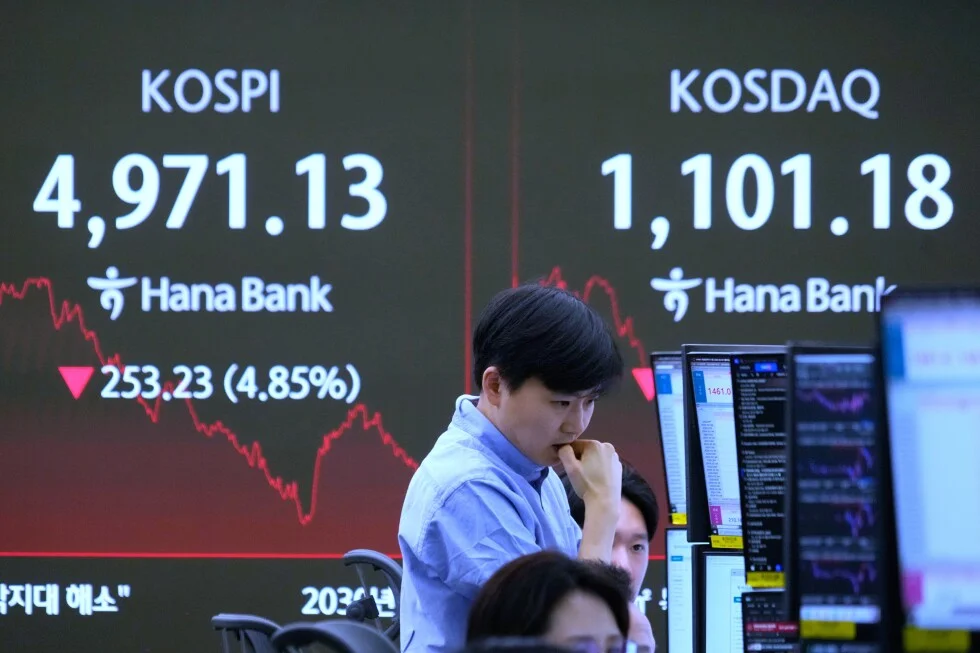
Asian stocks slid as AI enthusiasm cooled amid weak Wall Street signals. South Korea’s KOSPI fell more than 5% led by heavyweight chipmakers Samsung Electronics and SK Hynix, while Hong Kong’s Hang Seng dropped about 2.5% and other regional markets were weaker. Traders eyed earnings from Amazon and Alphabet and weighed inflation risks after Kevin Warsh’s nomination to lead the Fed, with China PMI data adding to the cautious tone.
Asia-Pacific stocks fell Monday, led by Korea’s Kospi with futures plunging up to 5%, while Hang Seng and CSI 300 also declined. Gold and silver extended Friday’s declines as investors eyed China’s January PMI, which showed manufacturing expanding at 50.3—the strongest reading in months. Bitcoin slipped back under $80,000 and U.S. stock futures edged lower, signaling a cautious session ahead.
South Korea's Kospi reached a record high in 2026, driven by strong performances in tech stocks like Samsung Electronics, amid mixed regional markets and positive economic data from Singapore, while US futures indicated a cautious optimism for the new year.
Asian stocks showed mixed performance with Japanese and South Korean markets leading gains due to a tech rebound, while China lagged despite a slight rise in inflation; regional markets were influenced by US futures and concerns over AI-driven tech valuations.
South Korea's Kospi surged over 3% led by banking and insurance stocks, as Asian markets rebounded following last week's AI-driven declines and mixed economic data, including higher-than-expected Chinese inflation and cautious Bank of Japan policy signals, amidst a complex global economic backdrop.
Most Asian stocks traded in a tight range as anticipation of key economic readings and inflation data kept sentiment cautious, with South Korean stocks rallying on the back of tech stocks boosted by artificial intelligence hype. Meanwhile, Japanese and Australian markets remained muted ahead of inflation readings, while Chinese stocks struggled amid concerns over slowing economic growth.