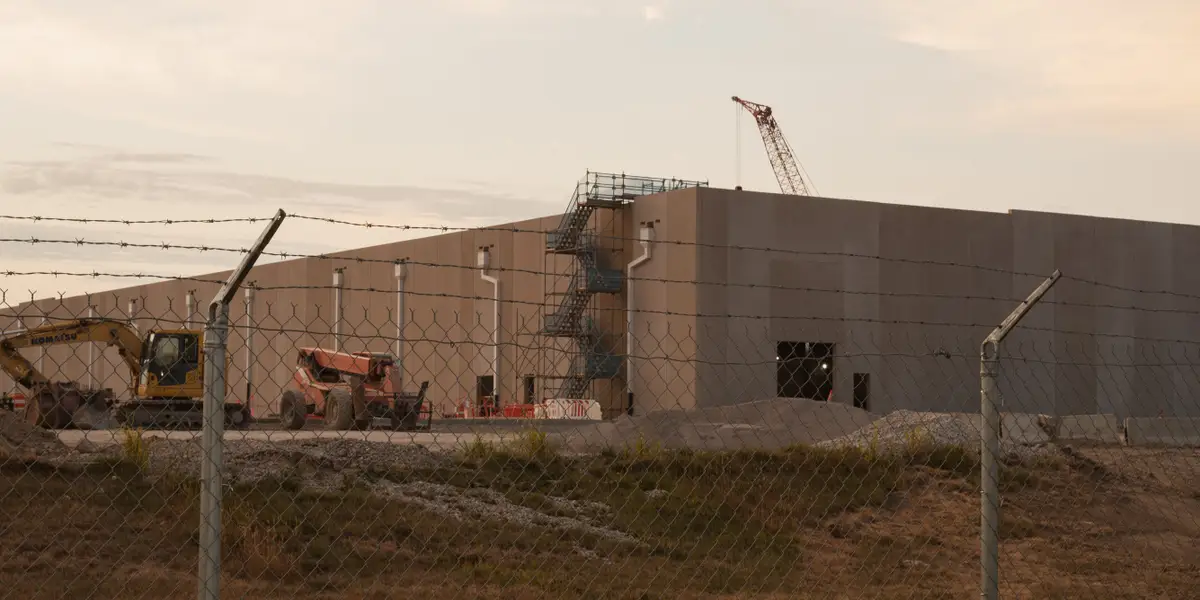
Five US tech giants are set to spend about $700 billion on data-centre capex to power AI, a figure larger than last year’s oil-and-gas investment, signaling the early onset of AI financialisation as investors back the infrastructure and anticipate a new wave of AI-linked securities, hedges and collateral.
Amazon unveiled plans to invest about $200 billion in AI infrastructure, robotics and related technologies in 2026, triggering a roughly 9% drop in its stock as investors weigh potential long-term returns against cash-flow concerns amid a wave of big AI investments from peers.
A global surge in AI infrastructure spending is accelerating, led by Amazon’s plan to invest about $200 billion in capex this year. This beacon of demand is lifting data-center and neoscaler players, stipulating higher chip and memory prices as hyperscalers and cloud providers like Google, Microsoft, and others expand capacity. Memory prices have surged 28–35% in early 2026, reinforcing the push for suppliers like Nvidia, Broadcom, AMD, Micron, and Sandisk, while cloud backlogs across AWS, Google, and Microsoft total about $1.1 trillion. Analysts expect 2026 capex to rise roughly 50% for the big four (Amazon, Alphabet, Microsoft, Meta), underscoring a sustained AI hardware boom and reshaping the supply chain for the year ahead.
Alphabet posted solid fourth-quarter results, with Google Cloud revenue up 48% year over year and margins improving, but it forecast 2026 capital expenditures of $175–$185 billion—far above consensus around $115 billion—indicating a heavy investment push into cloud/AI that pressured the stock.
Alphabet topped estimates but guided 2026 capex at $175–$185B, sending shares lower after hours; AMD tumbled about 17% on weak Q1 guidance, dragging AI names and weighing tech stocks. Major indices were mostly lower (Nasdaq/S&P 500 down) with the Dow modestly up. Other headlines included Panama’s port license ruling, U.S. plans mineral price floors with Mexico/EU/Japan, and ongoing policy discussions affecting markets.
ASML reported fourth-quarter bookings of €13.16 billion, up 86% and well above estimates, as AI-related demand boosted both memory and logic‑chip equipment. The Netherlands‑based company posted €2.89 billion profit on €9.72 billion in sales, guided 2026 sales to €34‑39 billion with a 51‑53% gross margin, and unveiled a buyback of up to €12 billion through 2028 plus a 17% dividend increase to €7.50 a share. In the same period SK Hynix signaled a substantial increase in capital expenditure after a 90% rise in Q4 profit and a 66% jump in revenue, driven by AI workloads and memory demand; both companies reflect a robust AI‑driven semiconductor cycle.
Micron Technology's stock has surged over 238% in 2026 due to improved memory chip prices and sustained demand, with the company increasing its capital expenditure forecast to $20 billion, indicating confidence in the ongoing demand cycle for memory products across various sectors.
Oracle's stock faces a complex outlook as it benefits from a 68% surge in cloud revenue and a 177% increase in GPU sales driven by AI demand, while also planning a significant $50 billion capex for 2026 and experiencing a $10 billion negative free cash flow. The company's large AI contracts and collaborations position it for growth, but high capital requirements and competition from Microsoft and Amazon pose challenges. Oracle's stock currently trades at a premium and is rated a hold by Zacks.
Micron forecasts nearly double the expected profit for Q2 driven by booming AI demand and tight memory chip supplies, leading to a 7% share increase; the company plans to raise 2026 capital expenditure to $20 billion and expects the memory market to remain tight beyond 2026, with AI being the primary growth driver.
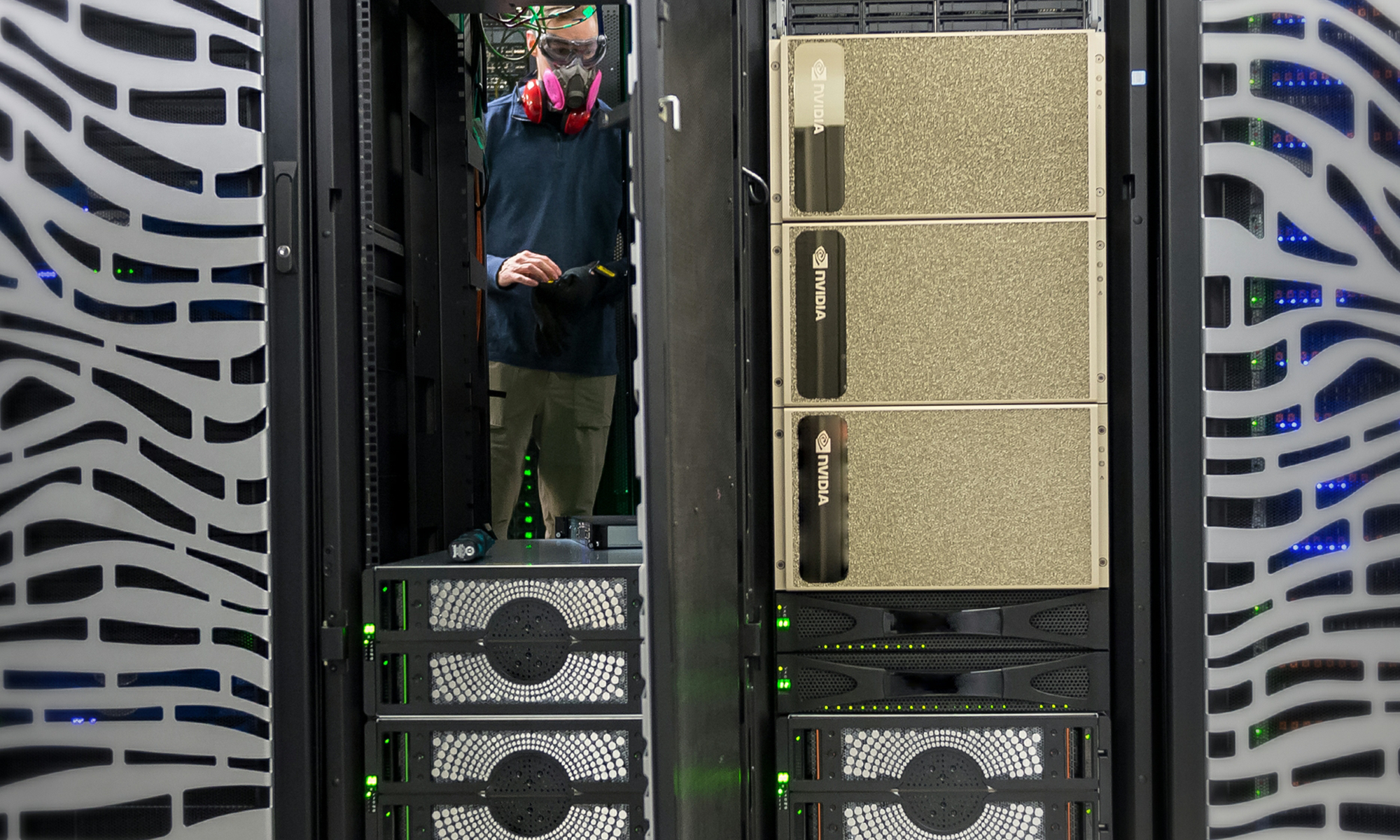
The article highlights the ongoing and increasing investments in AI infrastructure by major tech companies like Meta, Alphabet, and Microsoft, which bodes well for Nvidia's growth as it benefits from the surge in demand for its data center GPUs, with expectations of strong sales and revenue growth in 2026 and beyond.
Meta Platforms' stock dropped 11% after its Q3 earnings report despite beating financial expectations, due to concerns over increased AI-related spending and higher capital expenditure guidance for 2025. The company reported strong revenue growth and robust user engagement, with significant investments in AI and virtual reality, though its Reality Labs division continues to incur substantial losses. Analysts remain optimistic about META's long-term growth, with many recommending a strong buy at its current valuation.
The article discusses the varying quality and impact of capital expenditure (capex) investments in the AI boom, emphasizing that not all investments are equally beneficial or effective.
Major US tech companies, including Alphabet, Microsoft, and Meta, plan to increase AI-related capital spending, with Alphabet's strong cash flow allowing it to fund investments more comfortably, leading to positive investor reactions despite overall cautiousness about AI investment returns.
The article discusses the massive increase in AI infrastructure spending by tech giants like Meta, OpenAI, and Amazon, driven by the need for more data centers and computing power. While this investment could revolutionize industries and boost economic growth if successful, there are concerns about overinvestment, a potential bubble, and the uncertain business case for AI, with historical parallels to past overexpansion in industries like railroads and fiber optics.
The article argues that the AI industry is experiencing a speculative bubble driven by unprecedented investment levels that surpass the economic benefits, with signs of financial manipulation and overvaluation, similar to past economic bubbles, which could lead to a market correction.