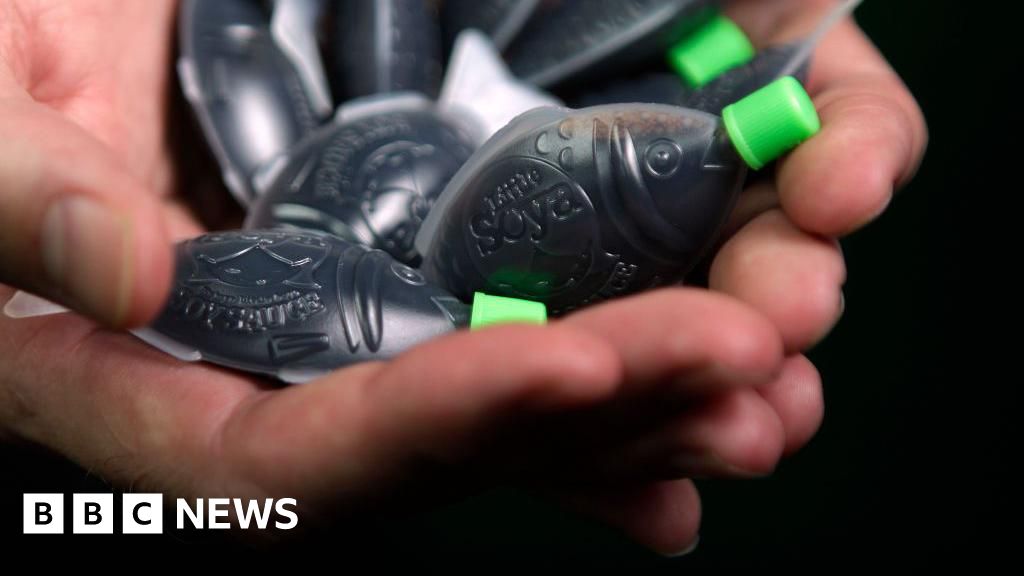
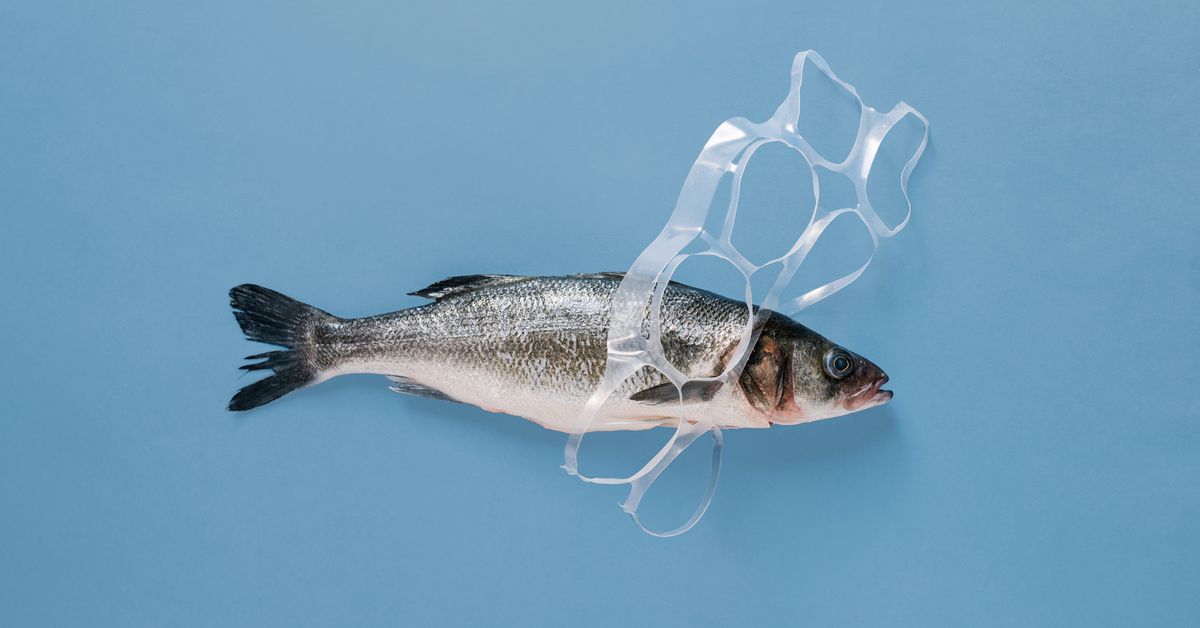
South Australia will ban fish-shaped soy sauce containers to reduce plastic pollution and protect marine life, building on previous legislation targeting single-use plastics, with the ban effective from Monday for pre-filled 30ml containers, while larger bottles remain unaffected.
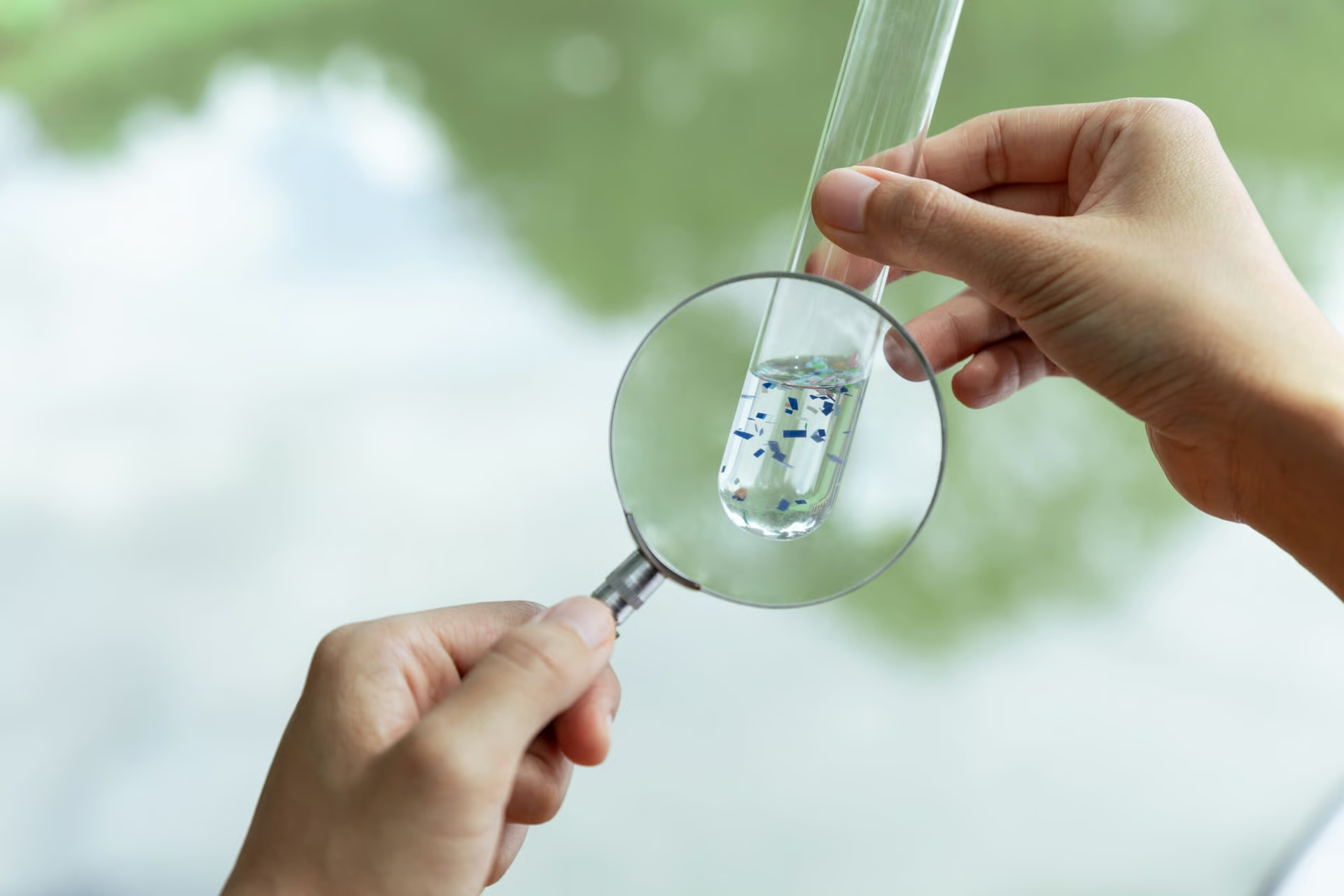
The article highlights six simple habits to reduce microplastic exposure, including filtering tap water, washing synthetic clothes less often, avoiding heating food in plastic, vacuuming with HEPA filters, choosing bar soap over liquid, and cooking more at home, which also saves money and promotes health.
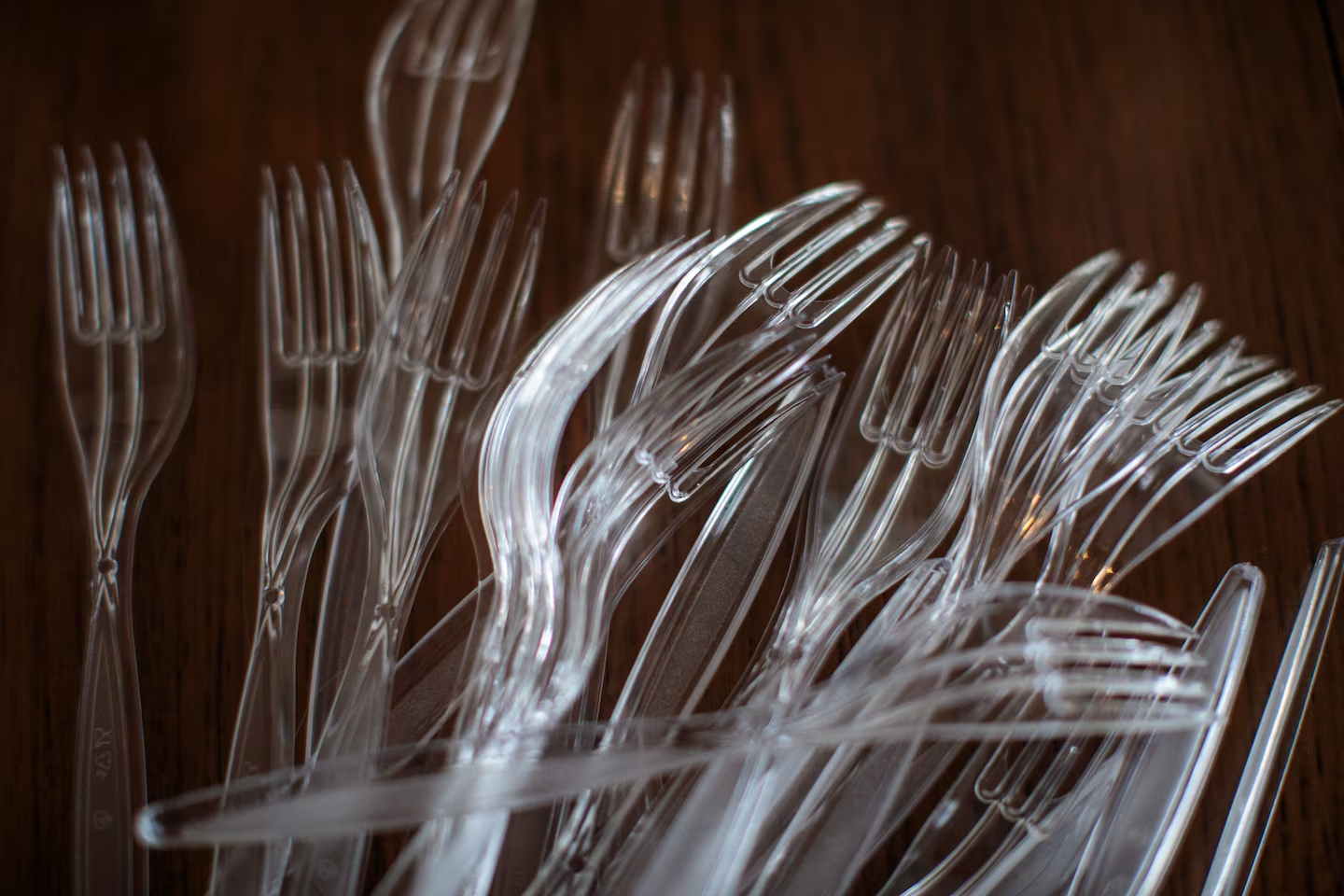
Reusing single-use plastics, such as water bottles and takeout containers, may seem like a sustainable practice, but it can pose health risks and environmental concerns. These plastics are not designed for repeated use and can degrade, potentially releasing harmful chemicals. Instead, opting for reusable alternatives can more effectively reduce your carbon footprint and support sustainability efforts.
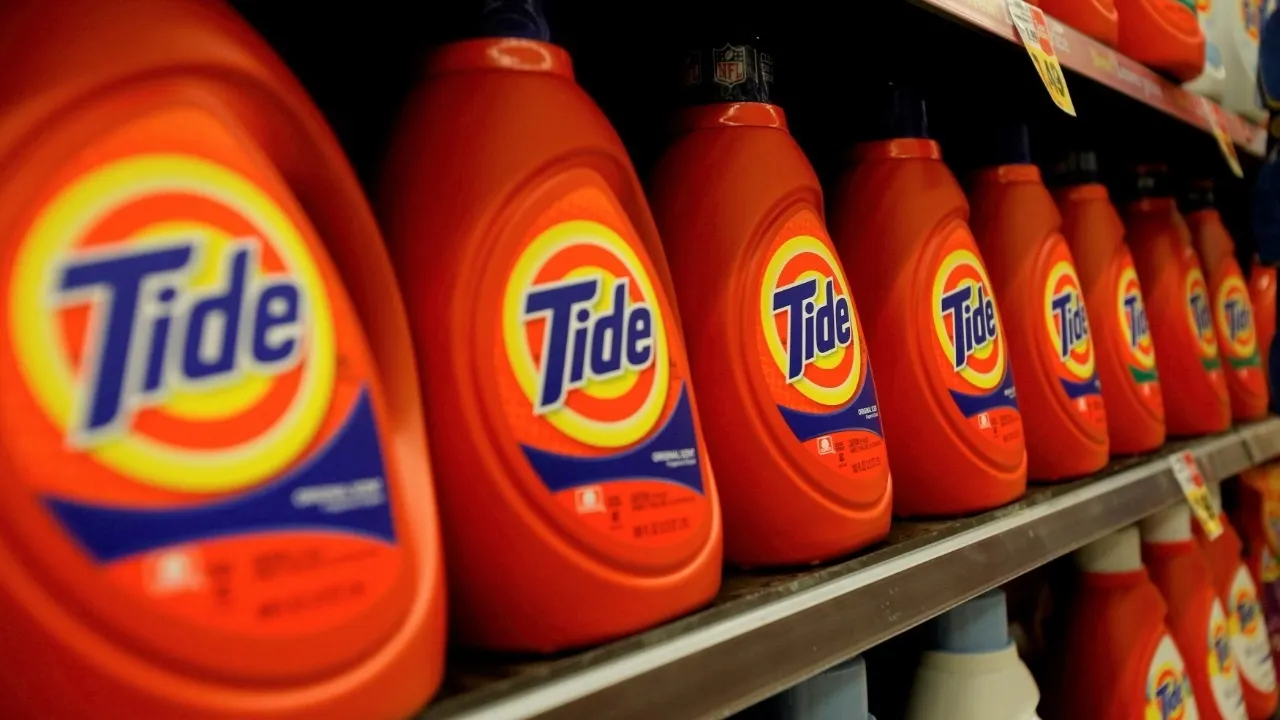
New York City lawmakers are proposing a ban on Tide Pods and other single-use laundry detergent products due to concerns about their contribution to water pollution. The legislation, introduced by City Councilman James Gennaro, aims to prohibit the sale of laundry pods and sheets containing polyvinyl alcohol, which studies suggest leave behind microplastics that pollute the water supply. If passed, the law would impose fines on retailers selling affected products and require education and outreach on compliance.
World leaders, scientists, and advocates are working on a global, legally binding treaty under the United Nations to end plastic waste. The agreement will require countries to do far more than just fix their recycling systems. Negotiators will discuss a menu of options including a cap on overall plastic production, bans on certain materials and products including many single-use plastics, and incentives to grow an industry around reusable items. The treaty could literally transform entire chunks of the global economy.
French President Emmanuel Macron warns that plastic pollution is a "time bomb" as delegates from 175 nations meet in Paris to sign an international treaty to end plastic waste. Macron called for an end to the unsustainable production model and urged nations to reduce the production of plastics based on fossil fuels and ban single-use plastics. The negotiations will also include NGOs, plastic companies, and lobbyists. Annual plastics production has more than doubled in 20 years to 460 million tonnes, and policy actions to be debated include a global ban on single-use plastic items, "polluter pays" schemes, and a tax on new plastic production.
French President Emmanuel Macron warns that plastic pollution is a "time bomb" as delegates from 175 nations meet in Paris to negotiate an international treaty to end plastic waste. Macron called for an end to the current "globalised and unsustainable" production model and urged nations to reduce the production of plastics based on fossil fuels and ban single-use plastics. The negotiations will also include discussions on "polluter pays" schemes and a tax on new plastic production. Environmental groups are encouraged but concerned that the treaty may not include targets to reduce overall plastic production.