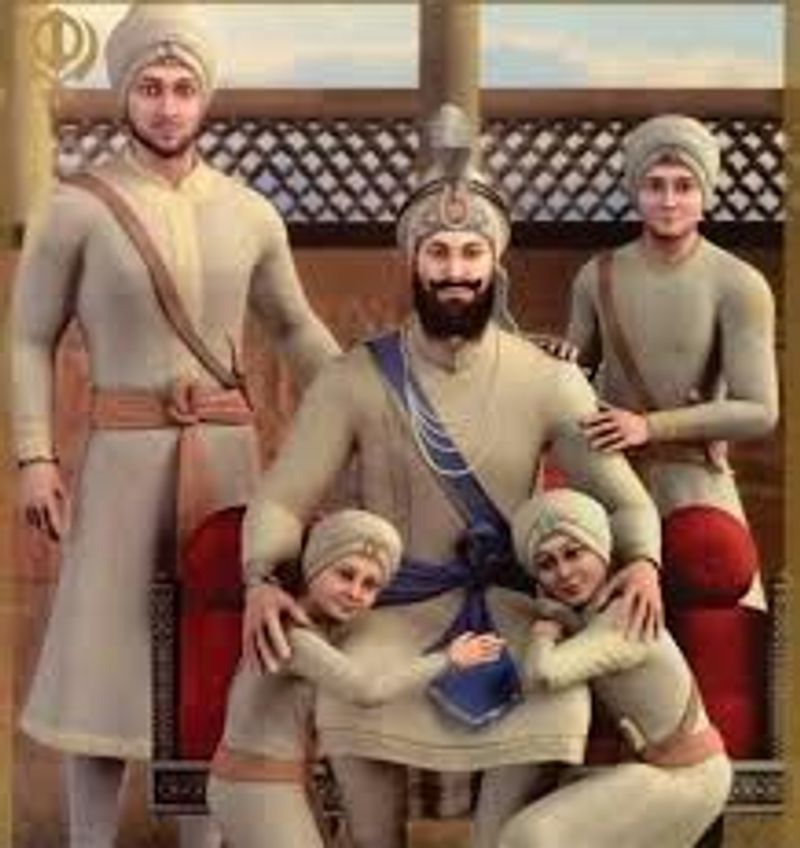
The North American Punjabi Association (NAPA) opposes the use of the term 'Bal Veer' for the Sahibzade, emphasizing that it diminishes their spiritual and historical significance and advocating for more respectful terminology like Sahibzade or Shaheedi Sahibzade to preserve Sikh history.
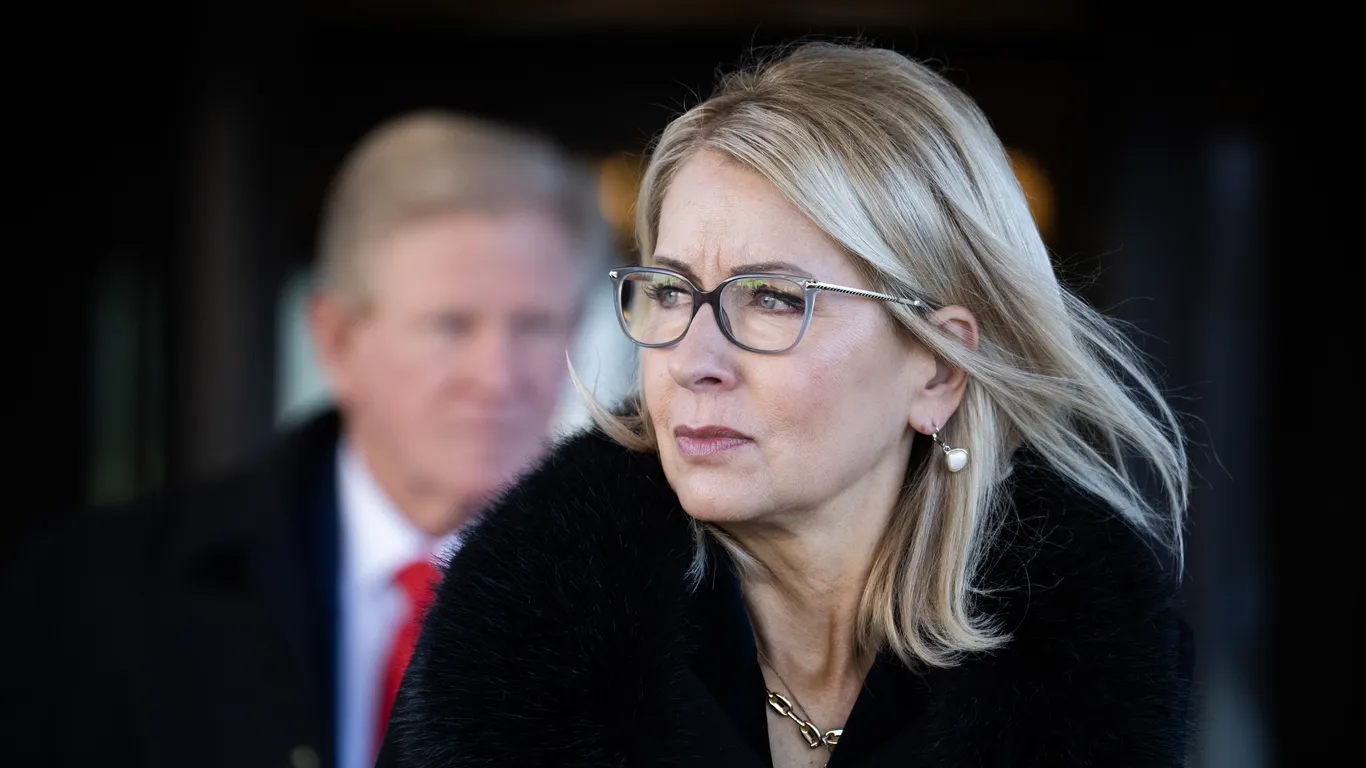
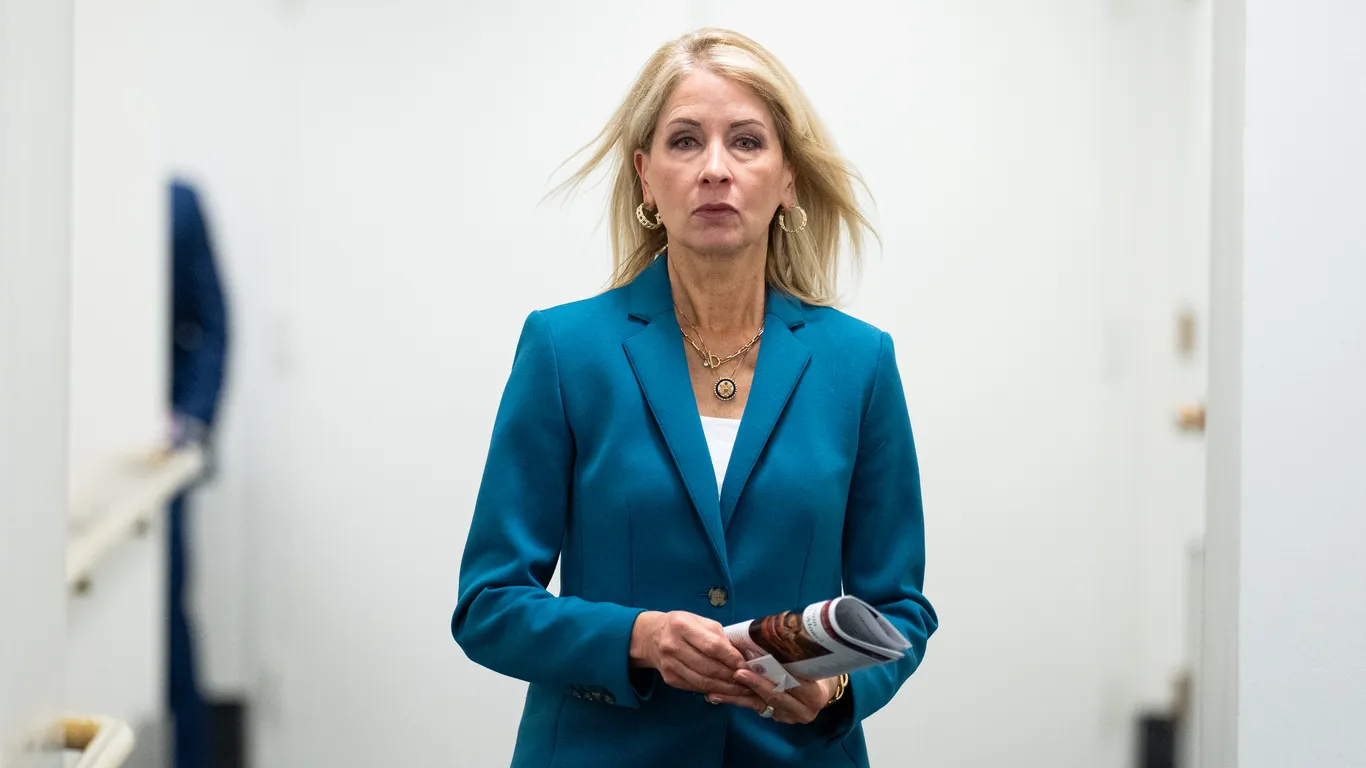
Rep. Mary Miller faced bipartisan criticism after mistakenly identifying a Sikh man as Muslim and criticizing his participation in the House prayer, highlighting her controversial history and the importance of religious tolerance and accurate representation.
Rep. Mary Miller faced bipartisan criticism after mistakenly identifying a Sikh man as Muslim and stating he should not have led the House prayer, reflecting ongoing issues of religious intolerance and misinformation in Congress.
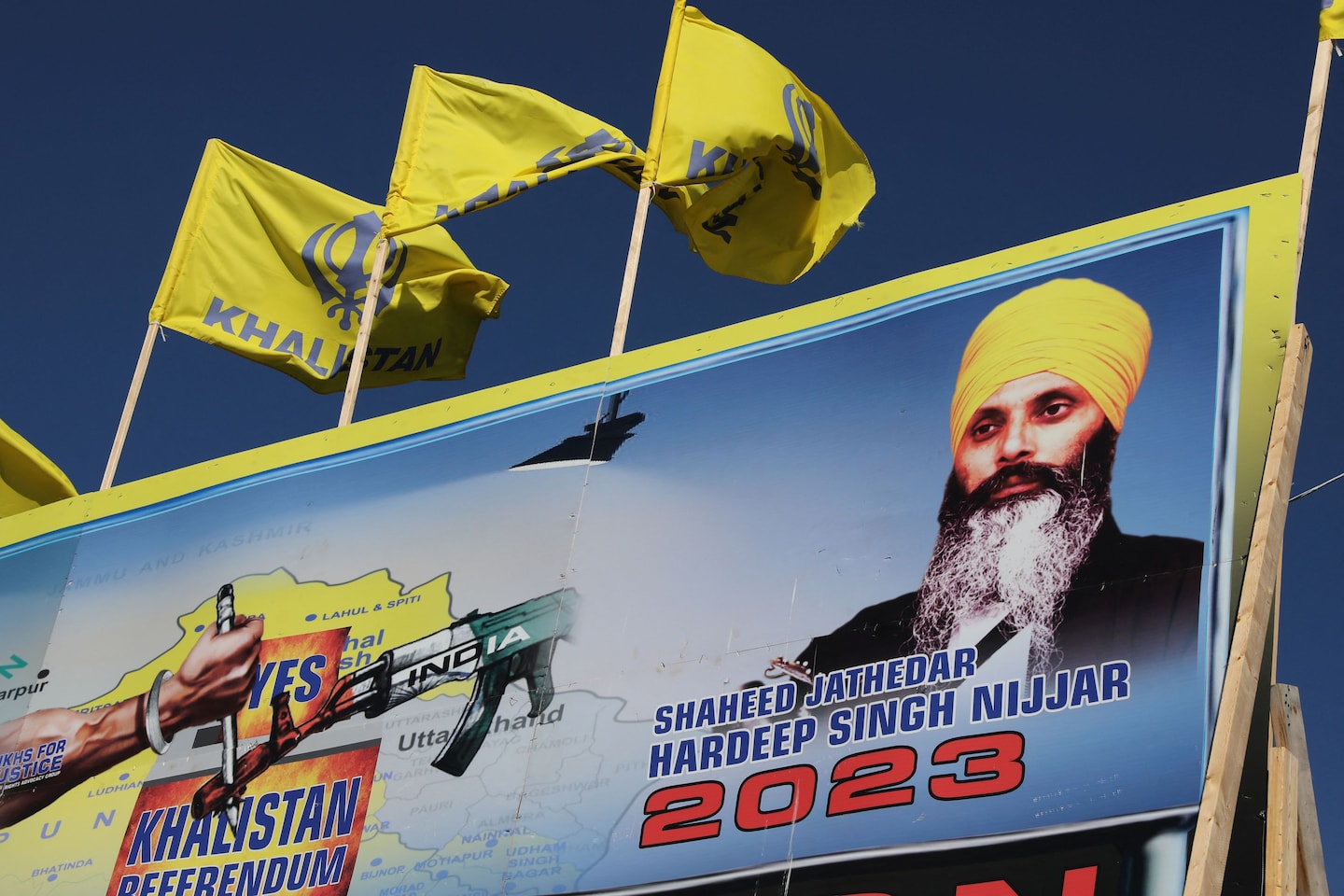
The Sikh community in America is holding a nonbinding referendum on whether there should be an independent Khalistan, a homeland for Sikhs separate from India. The referendum comes in the wake of growing urgency for an independent state following historical events, including the 1984 Sikh genocide and recent transnational repression by the Indian government. While some believe Sikhs are happy in India, others argue for the right to self-determination and highlight ongoing threats to minority communities. The referendum aims to tell the Sikh story and advocate for freedom through the ballot, not the bullet.
The recently unsealed indictment accusing an unnamed Indian government official of plotting the assassination of a Sikh separatist in America raises concerns about the partnership between the United States and India. While both countries have responded cautiously, these allegations expose the fragile nature of their relationship. The idea of Khalistan, an independent Sikh state, was pursued by a vocal minority in the diaspora but rejected by most Indian Sikhs. The Sikh community in India has expressed pride in being Indian and does not see widespread discrimination against their community.
As world leaders gather at COP28 to discuss ways to limit future environmental harm, individuals from different religious backgrounds share how their faith drives them to protect the environment. Muslims find a connection to nature through their daily prayers, Hindus believe in promoting peace and harmony for all living things, and Sikhs emphasize the importance of respecting all living beings. These individuals are actively involved in campaigns and initiatives that aim to raise awareness and take action against climate injustice, inspired by the teachings of their respective religions.
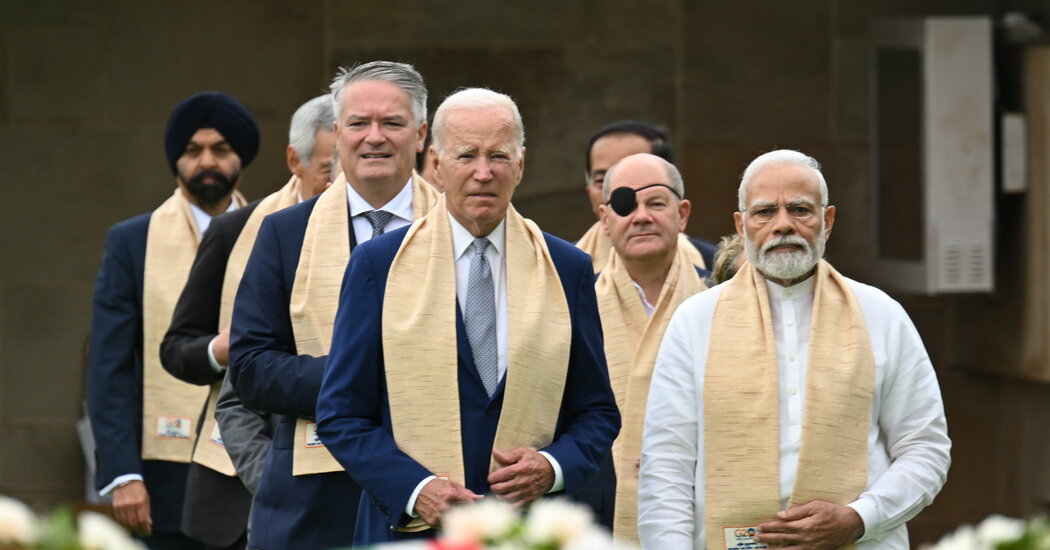
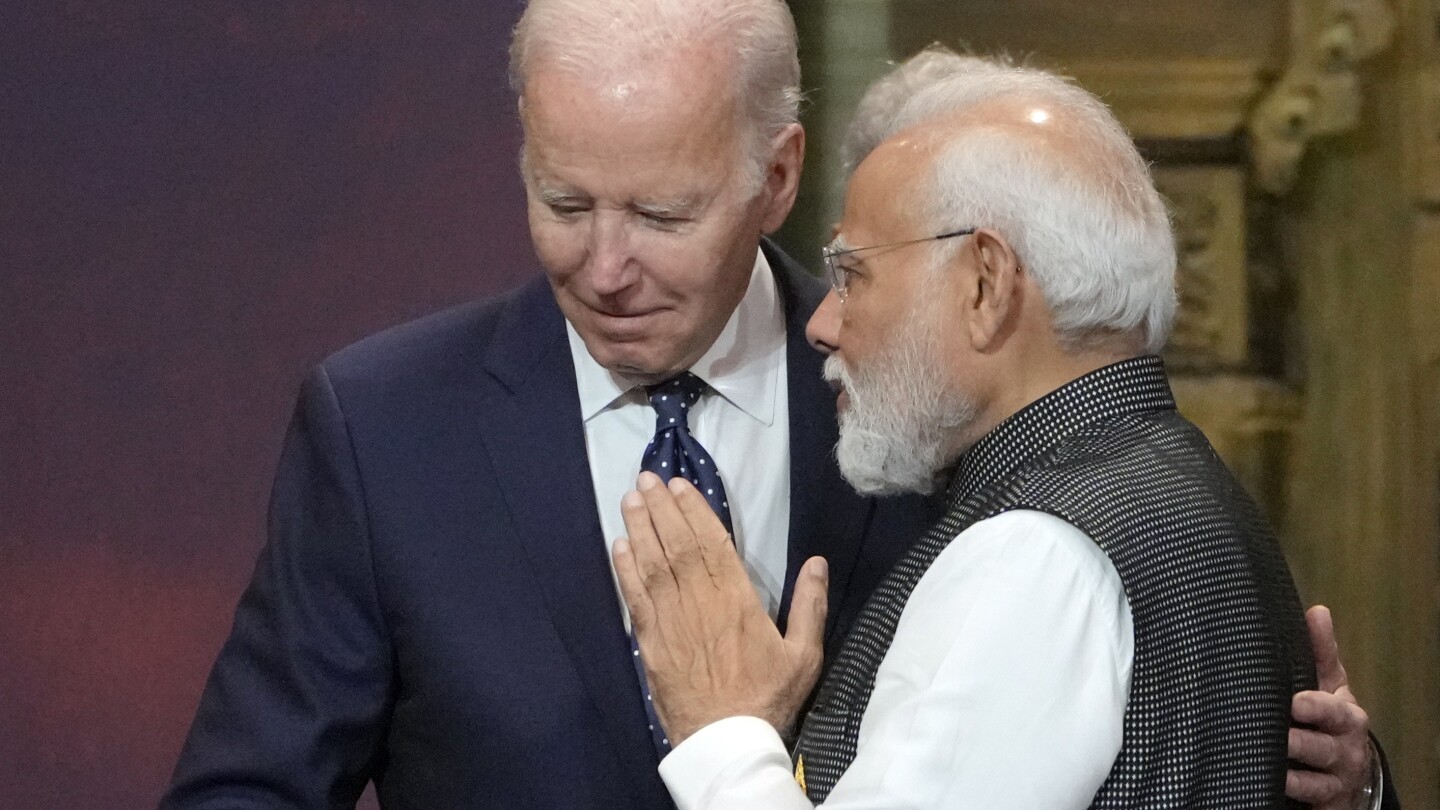
The relationship between India and the United States faces a significant test following the foiled assassination attempt on a Sikh separatist leader in New York City, with U.S. prosecutors accusing an Indian official of directing the plot. This comes after Canadian Prime Minister Justin Trudeau alleged Indian government involvement in the killing of a Sikh separatist near Vancouver. While the long-term damage is unlikely to be severe, the two governments may struggle to control the narrative and fallout as the case unfolds in a New York court. India's response to the accusations has been more cooperative with the U.S. compared to its harsh exchange with Canada. The Biden administration has emphasized the importance of the India-U.S. partnership, but the allegations pose a challenge to the relationship.
Canadian Prime Minister Justin Trudeau extended greetings for Diwali and Bandi Chorr Divas, acknowledging the contributions of Hindu, Jain, Sikh, and Buddhist communities to Canada's cultural fabric. Trudeau highlighted the values of selflessness, optimism, gratitude, and compassion associated with Diwali and recognized the story of Guru Hargobind Sahib Ji on Bandi Chorr Divas. He attended a Diwali and Bandi Chorr Divas event in Ottawa, where he lit lamps to mark the occasion.
Canada has withdrawn dozens of diplomats from India in response to a dispute over the murder of a Sikh man. The move comes after India summoned the Canadian High Commissioner to protest against Prime Minister Justin Trudeau's remarks on the ongoing farmers' protests in India. The murder of the Sikh man, allegedly by a member of a pro-Khalistan group, has further strained relations between the two countries.
A 19-year-old Sikh was assaulted in a suspected hate crime on a New York City bus when an assailant tried to remove his turban while saying, "We don't wear that in this country." The victim suffered minor injuries, including a laceration, and the suspect fled the scene. The NYPD Hate Crimes Unit is investigating the incident, and the Sikh Coalition is offering support to the victim. The attack comes amid a rise in hate crimes fueled by tensions in the Middle East.
Tensions have escalated between India and Canada following Canadian Prime Minister Justin Trudeau's allegations of Indian involvement in the killing of a Canadian Sikh leader. India has vehemently denied the claims and accused Canada of not doing enough to combat "Sikh extremism." The dispute highlights long-standing tensions between the two countries over the Khalistan movement, which advocates for a sovereign Sikh state in India's Punjab region. The relationship between India and Canada has been strained, with both countries expelling each other's diplomats and India suspending visa processing for Canadians. The issue has also raised concerns about the impact on the Sikh diaspora in Canada and the potential for further polarization within the community.
A clash between Indian police and Sikh activists in Canada highlights the ongoing calls for a separate Sikh homeland. The peaceful protest turned violent when armed young men confronted the police, overturning barricades.
Canada is investigating allegations linking agents of the Indian government to the killing of Sikh activist Hardeep Singh Nijjar, who advocated for an independent Sikh homeland in India known as Khalistan. The incident highlights tensions between the Indian government and Sikh activists in Canada, where a large Sikh diaspora community resides.
17 men have been arrested and sophisticated weapons used in gang wars have been seized in California after a months-long federal investigation into internecine Sikh-on-Sikh violence between two rival factions. The groups are alleged to be responsible for numerous violent crimes and shootings, including at two gurdwaras. The violence began in 2018 at the annual Sikh Parade in Yuba City and soon escalated to frequent shootings. The joint law enforcement effort resulted in the seizure of 41 firearms and the arrest of suspected gang members and their associates.
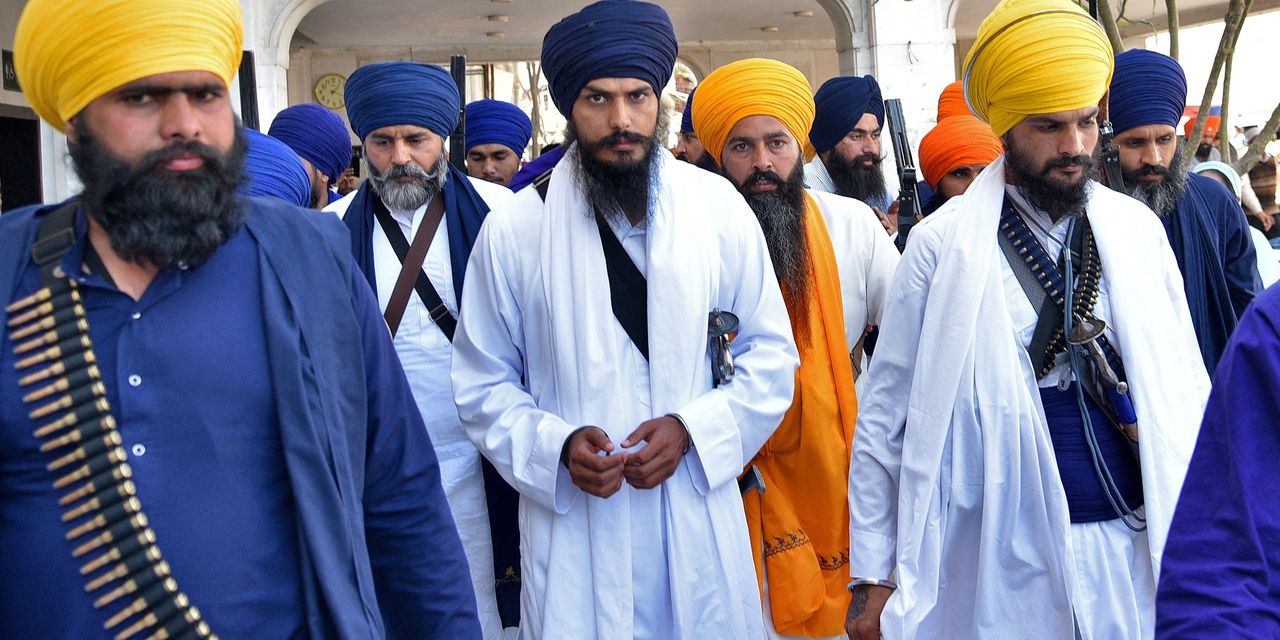
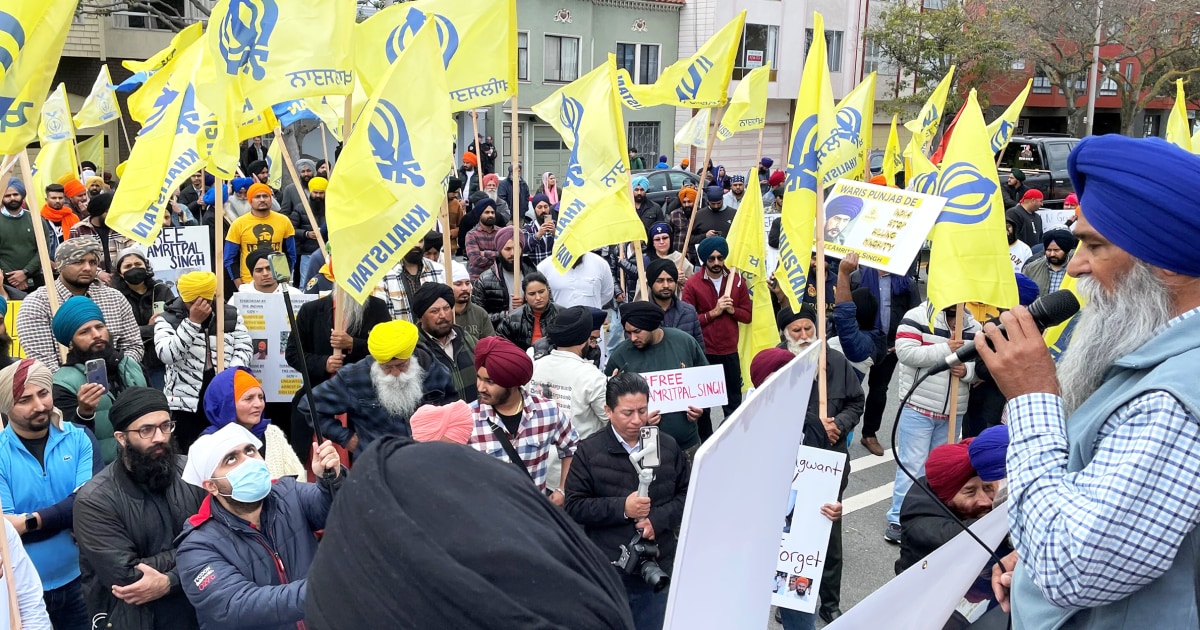
Protests have erupted in major cities across the US in response to the Indian police search for Sikh activist Amritpal Singh, while internet access has been shut down for 27 million people in Punjab. Demonstrators are supporting the Sikh separatist movement to create a nation called “Khalistan”. The Indian government is accused of a lack of transparency with its rule of law, human rights violations and the search for and possible arrest of Singh. India has had the most internet shutdowns in the world for the last five years, with at least 84 in 2022, according to a new report from Access Now.