The Pakistani-linked threat group Transparent Tribe (APT36) is targeting Indian government entities using sophisticated spear-phishing campaigns and weaponized desktop shortcuts on Windows and Linux systems to deploy malware, steal credentials, and maintain persistent access.
Google apologized to the Indian government for unsubstantiated comments made by its AI platform Gemini regarding PM Modi, admitting that the platform is "unreliable." The government criticized AI platforms for offering consumer solutions without proper testing and announced that AI platforms will now require a permit to operate in the country. The minister of state for IT & Electronics emphasized the need for proper disclosures to users and warned that AI platforms can be prosecuted under Indian IT and criminal laws for violations and wrong information. The government issued an advisory for AI-led startups to label unverified information as potentially false and error-prone.
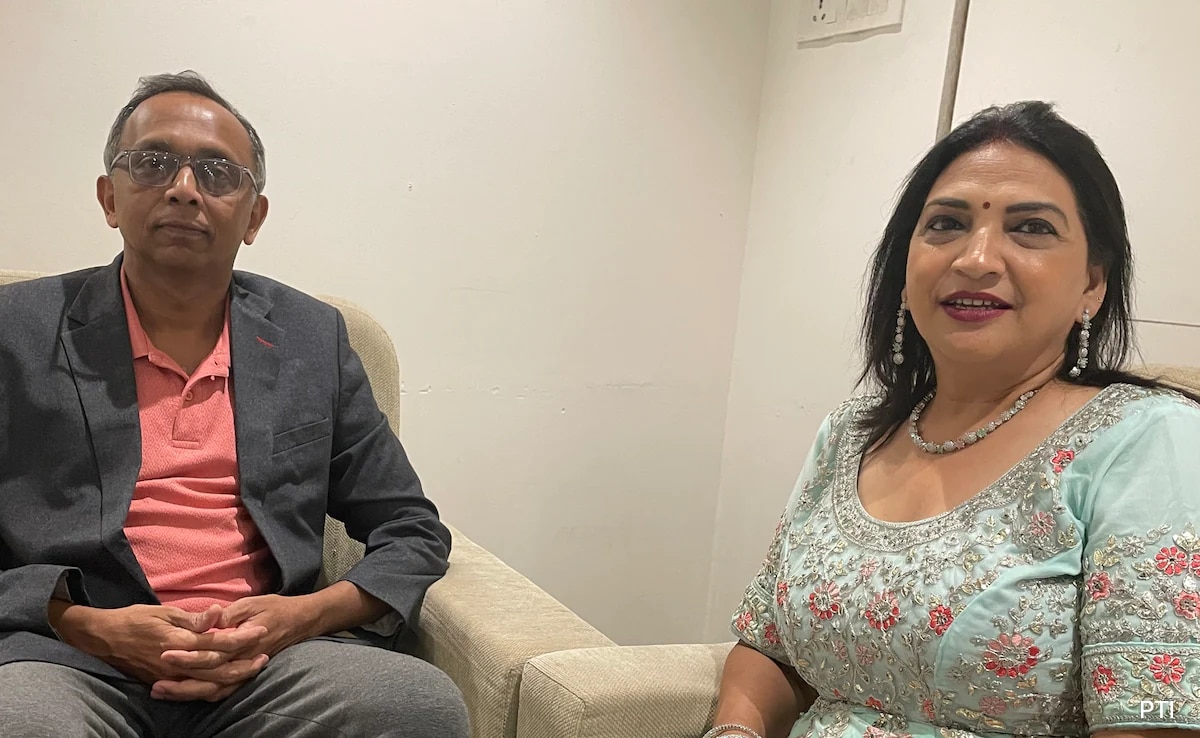
Retired Indian Navy commander BK Verma, who was among eight former Indian Navy personnel released from a jail in Qatar, expressed gratitude for Prime Minister Narendra Modi's personal intervention in securing their release. Verma, who missed his daughter's wedding due to his imprisonment, reflected on the nature of military life and expressed joy at reuniting with his family. His wife, Suman, expressed gratitude for her husband's release and the Indian government's efforts.
Shah Rukh Khan's manager, Pooja Dadlani, issued a statement denying claims that the actor played a role in the release of Indian Navy veterans from Qatar, emphasizing that the successful resolution solely rests with the Indian government officials. Shah Rukh Khan recently visited Qatar for work-related purposes and met with Qatar Prime Minister HE Sheikh Mohammed bin Abdulrahman bin Jassim Al Thani in Doha.
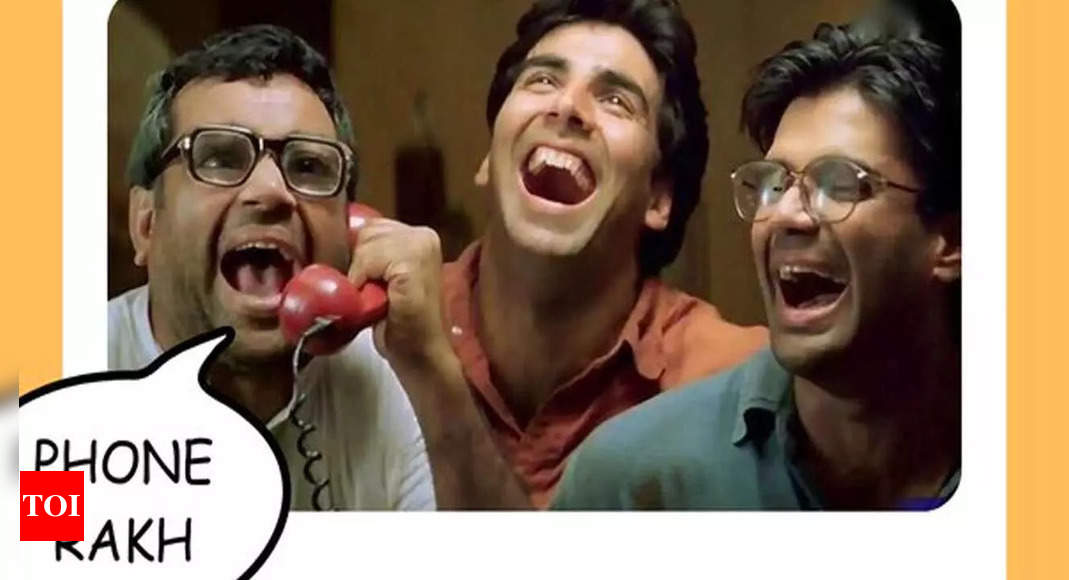
As the Pran Pratishtha ceremony at Ayodhya's Ram Mandir approaches, the Indian government has issued a cautionary warning against fraudsters offering fake VIP passes for the event, using a humorous 'Hera Pheri' meme. The government advises citizens to avoid suspicious links and refrain from making payments to unauthorized websites. The ceremony will be attended by several Bollywood celebrities.
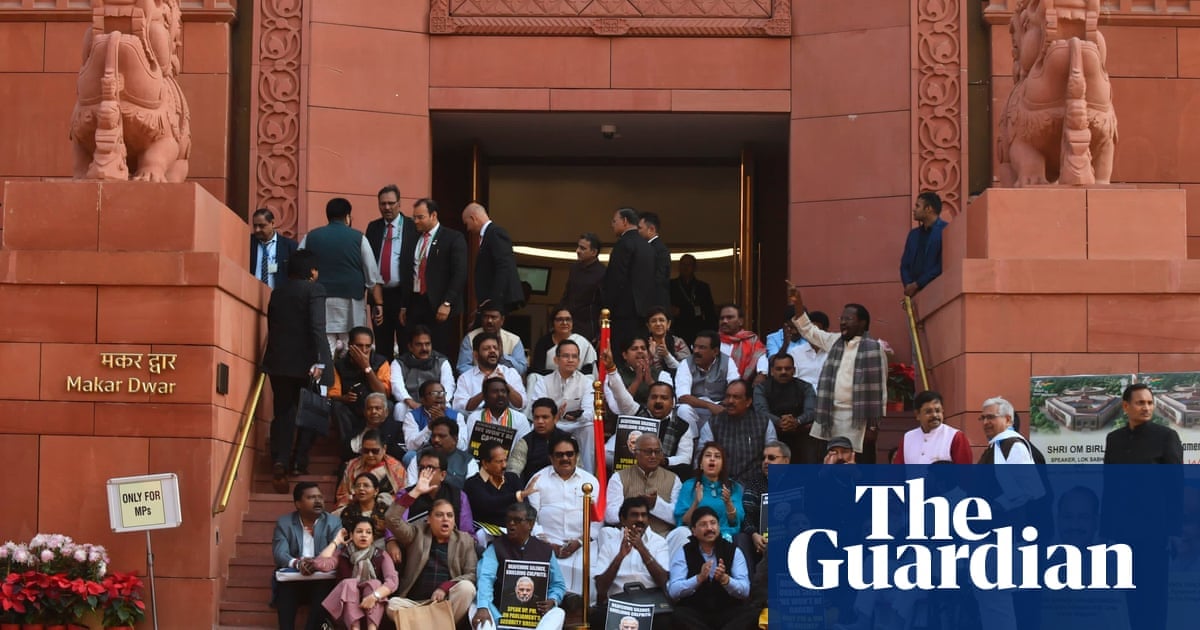
The Indian government has suspended 141 opposition MPs, the largest number in history, after they protested against a recent security breach at the parliamentary premises. The ruling Bharatiya Janata party (BJP) government has been accused of attacking democracy and creating anarchy. Opposition MPs have been calling for the prime minister and home minister to address parliament about the incident, but the debate has been refused. Critics argue that the government has been undermining parliamentary democracy since coming to power in 2014, with opposition parties and critical MPs facing harassment and criminal investigations.
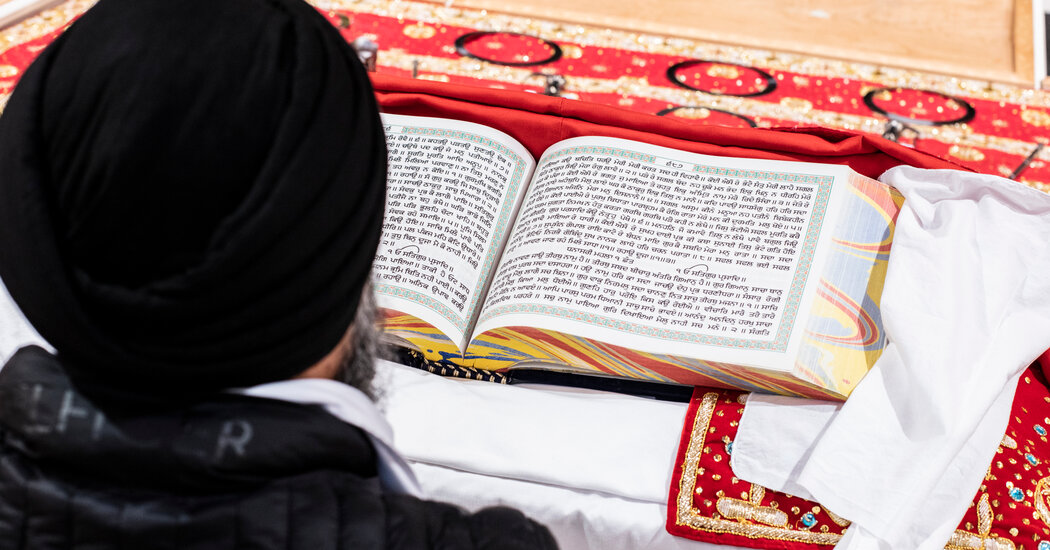
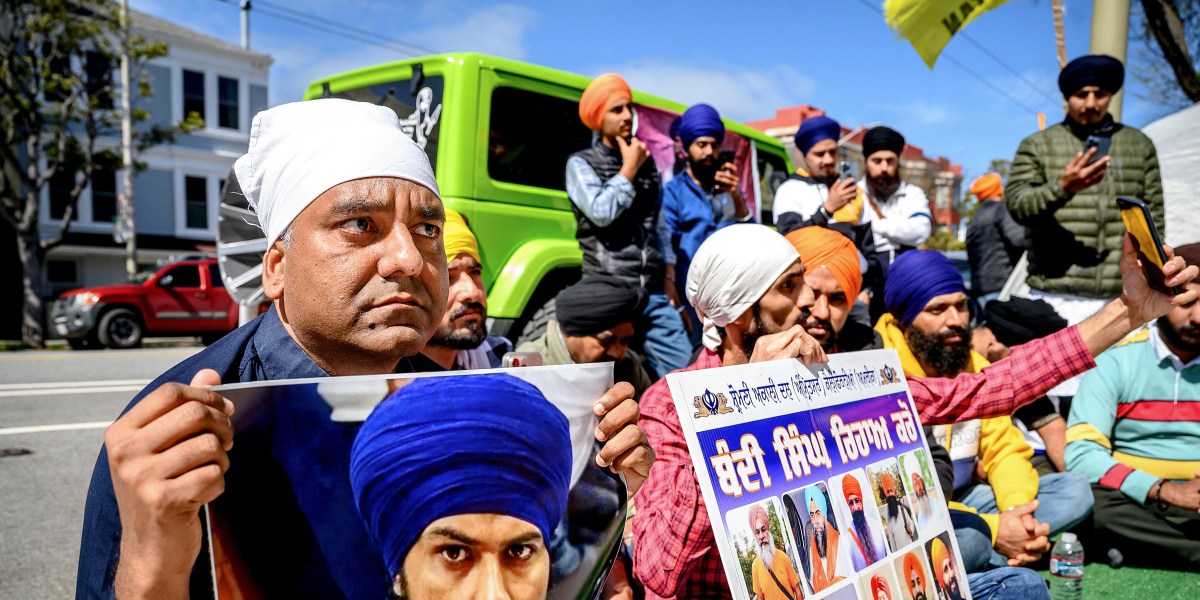
Sikh Americans are taking precautions and increasing security measures following an alleged assassination plot by the Indian government against a Sikh separatist in the United States. Many Sikh temples are adding security cameras and hiring night patrols, while some individuals are considering self-defense measures. The indictment has validated concerns among Sikh Americans about the Indian government's surveillance of their actions. Sikh Americans have faced discrimination and hate crimes in the past, and the recent plot has heightened anxieties within the community. There are differing opinions among Sikh Americans regarding secession from India, but many believe in greater autonomy for Punjab. Some Sikh American leaders are calling for a stronger public rebuke of India from the Biden administration. Despite the risks, Sikh activists remain committed to advocating for an independent Sikh homeland and seeking justice for the violence against Sikhs in 1984.
U.S. prosecutors have revealed that a foiled plot to assassinate a Sikh separatist leader in New York was part of a larger campaign of planned killings. The organizers of the plot discussed targeting individuals in California and Canada, in addition to the victim in New York. The goal was to kill at least four people by June 29, with plans for more afterwards. The plot was uncovered when the hitman turned out to be an undercover U.S. agent. The U.S. attorney in Manhattan has charged one individual and stated that the plot was directed by an official in the Indian government, although the official was not named or charged in the indictment. The Indian government has denied any involvement in the killings.
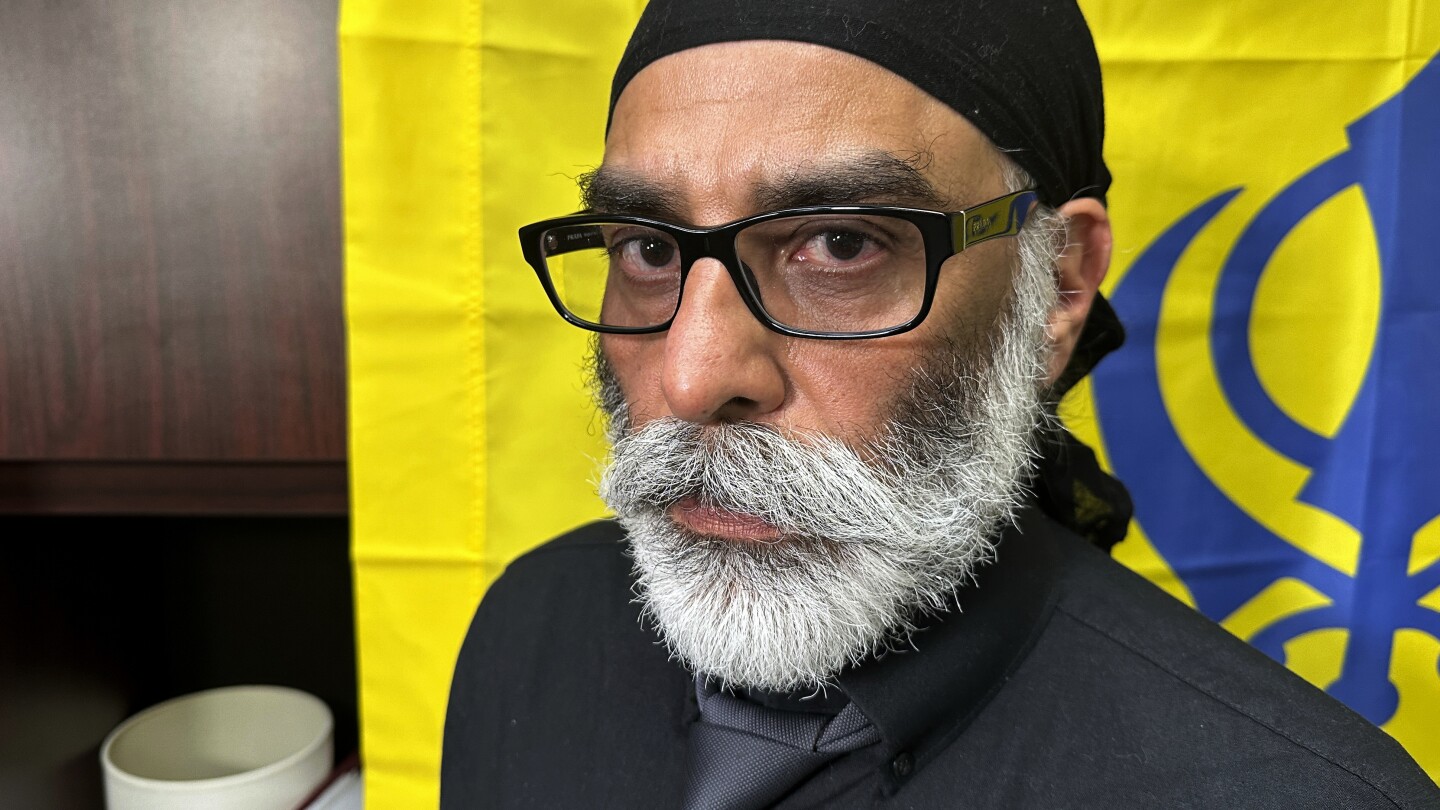
US federal prosecutors have charged an Indian national, Nikhil Gupta, in an alleged murder-for-hire plot to assassinate a Sikh political activist in New York City. Gupta, along with an unnamed Indian official, set up a meeting with an undercover officer posing as a hitman to target the victim, who is described as an attorney and vocal critic of the Indian government. The victim is believed to be Gurpatwant Singh Pannun, the leader of "Sikhs for Justice." Gupta has been charged with murder-for-hire and conspiracy to commit murder-for-hire. The case highlights tensions between the US and India, as another Sikh separatist was recently assassinated in Canada, with the Canadian government linking India to the murder.
The US Department of Justice has charged an Indian national, Nikhil Gupta, with murder-for-hire over an alleged plot to assassinate a Sikh activist in New York. The target, believed to be Gurpatwant Singh Pannun, a dual US-Canadian citizen and member of a US-based Sikh activist group, was not named in the indictment. Gupta was allegedly directed by an Indian government official, who was not named or charged. The White House has raised the issue with the Indian government, which has responded with "surprise and concern." Gupta was arrested in the Czech Republic and is currently detained at the US's request.
The Justice Department has announced charges against an Indian national, Nikhil Gupta, in connection with a foiled plot to assassinate a U.S. citizen in New York City. Gupta, along with an Indian government employee, allegedly directed the plot from India to murder a U.S.-based leader of the Sikh separatist movement. Gupta recruited a confidential source, who introduced him to an undercover law enforcement officer posing as a hitman. The Indian government employee agreed to pay $100,000 for the murder. Gupta provided personal information about the target and surveillance photographs to the undercover officer. Gupta is charged with murder-for-hire and conspiracy to commit murder-for-hire, with each count carrying a maximum penalty of 10 years in prison.
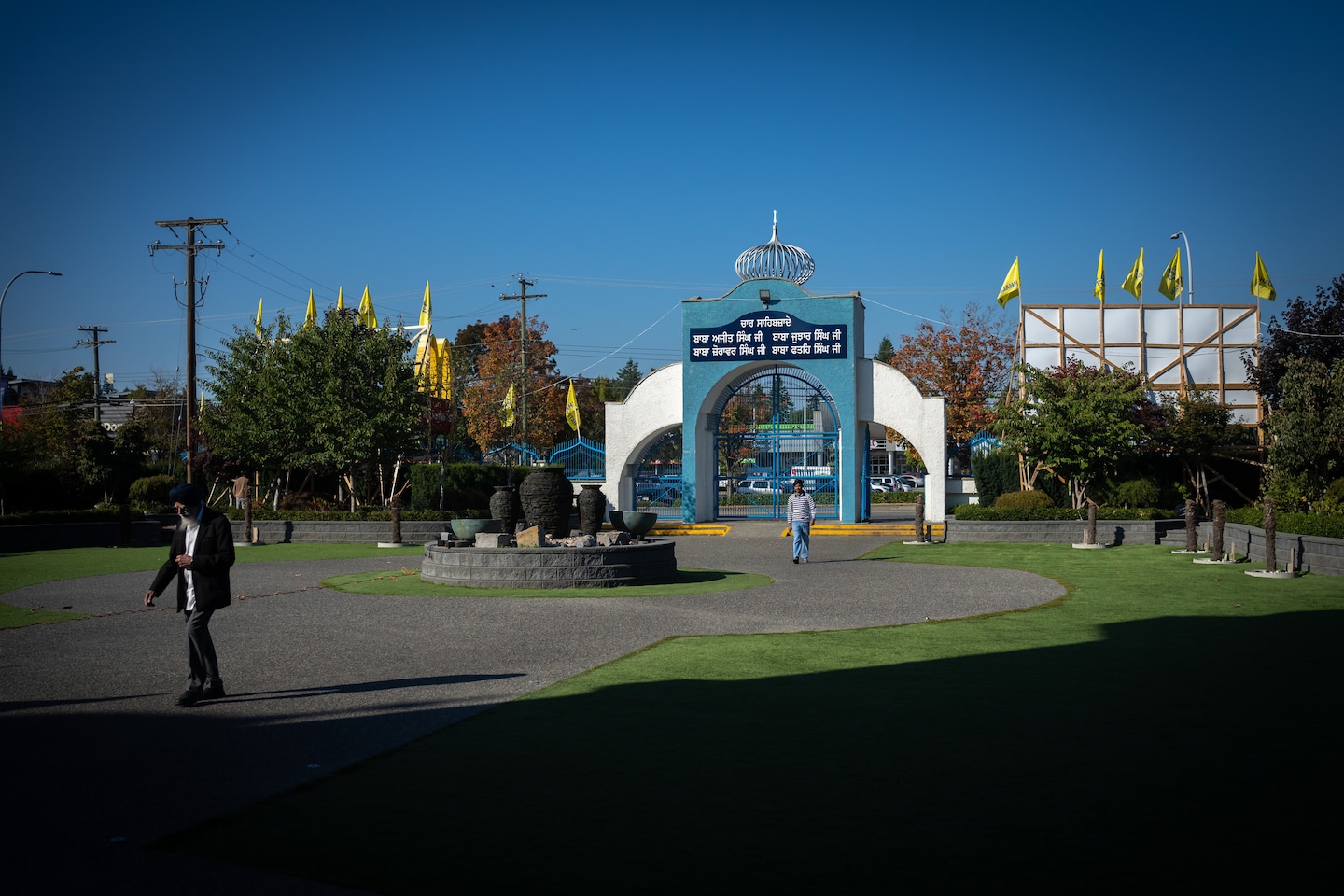
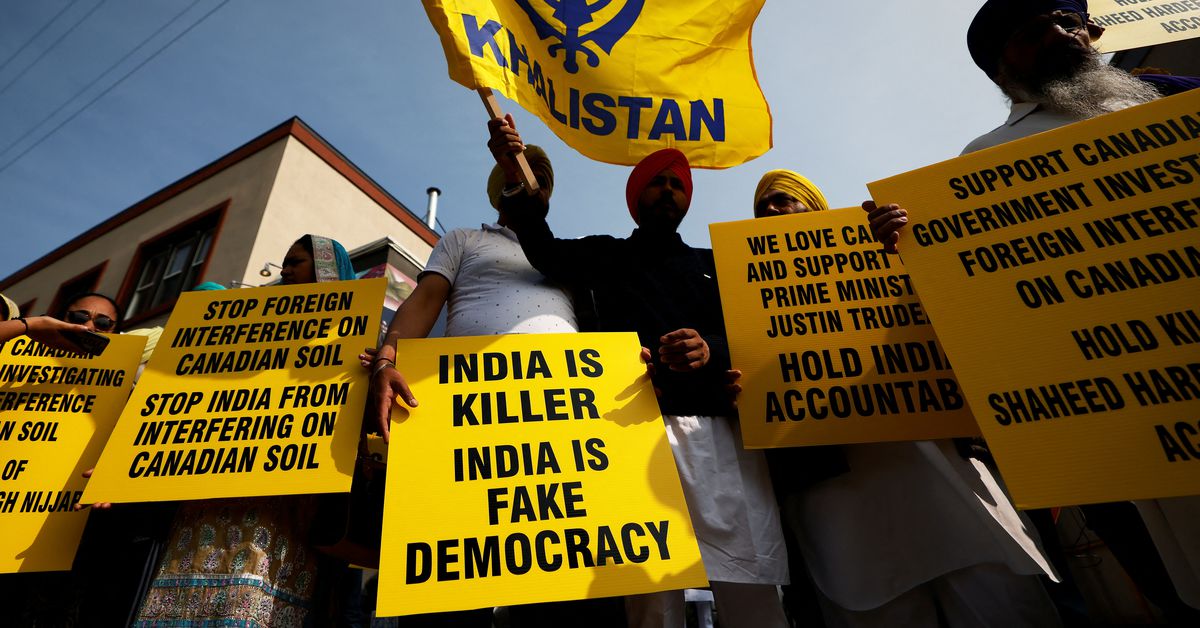
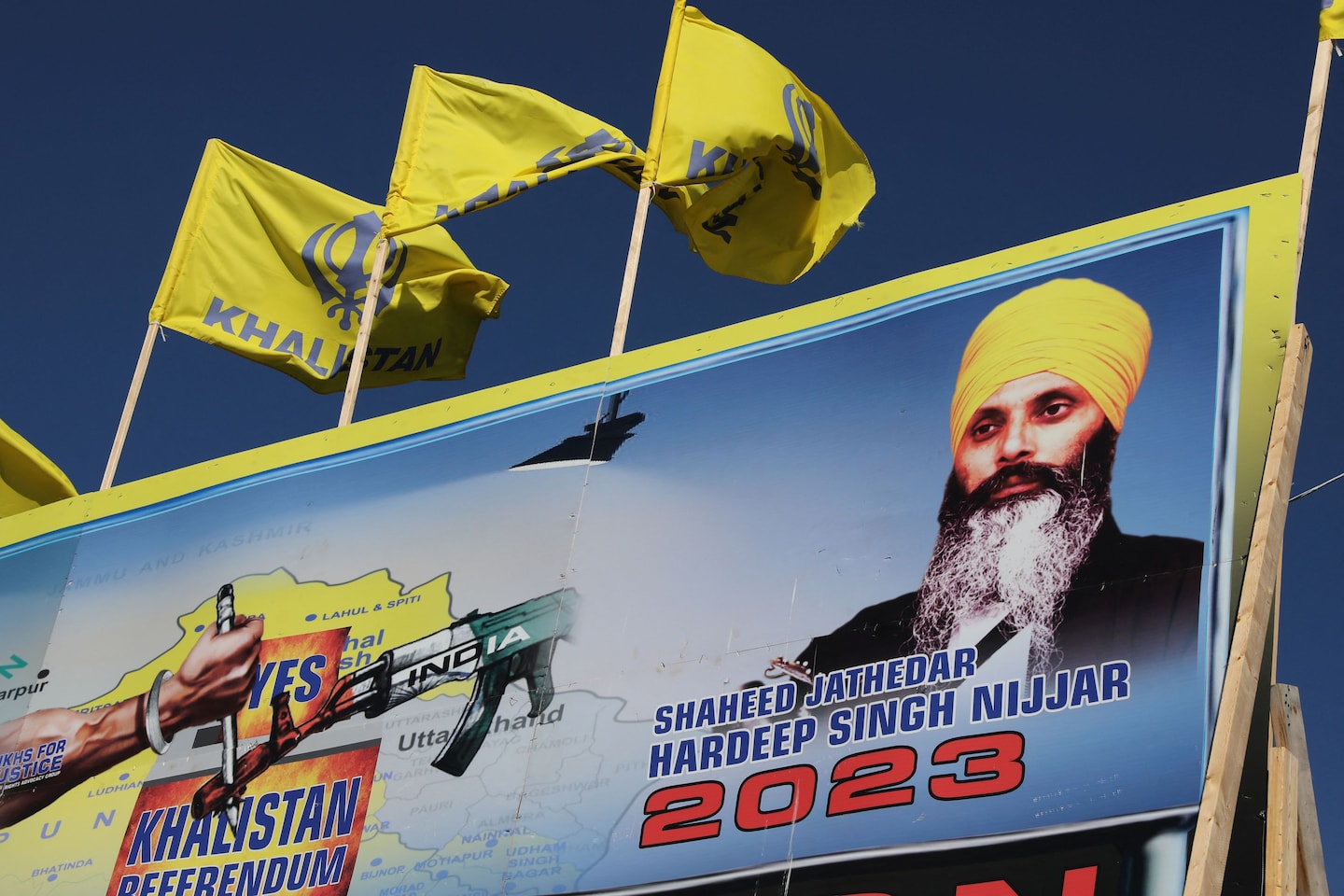
Video footage and witness accounts suggest that the killing of Sikh separatist leader Hardeep Singh Nijjar in Surrey, British Columbia, was a coordinated attack involving at least six men and two vehicles. The local Sikh community claims that authorities have provided little information about the investigation and were slow to respond to the scene. Prime Minister Justin Trudeau announced that authorities were pursuing credible allegations of Indian government involvement in the killing. Nijjar, who was the president of the Guru Nanak Sikh Gurdwara, had received death threats and was a leader in the Khalistan movement. The community is concerned about the lack of protection provided to Nijjar and the limited information shared by authorities.
Canadian Sikhs staged protests outside India's diplomatic missions in Toronto, Vancouver, and Ottawa, expressing their support for making India's Punjab region an independent state for Sikhs. The protests were sparked by Prime Minister Justin Trudeau's statement linking the Indian government to the murder of a Sikh separatist advocate in British Columbia. Canada's Sikh community, which is the largest outside of Punjab, has been the subject of recent tensions between Canada and India, resulting in the expulsion of diplomats and visa suspensions. The Indian government has denied the allegations and warned travelers of "anti-India activities" in Canada.
The FBI has warned Sikh activists in the U.S. about death threats following the killing of Canadian Sikh activist Hardeep Singh Nijjar. Canada recently revealed credible intelligence pointing to Indian government involvement in Nijjar's assassination. Sikh activists in the U.S. have received police warnings about potential threats, and there are concerns that India may target Sikh dissidents on U.S. soil. The U.S. has expressed concern over the allegations and is cooperating with Canada's investigation. Sikh Americans are calling for immediate support from the Biden administration to protect them from an increasingly aggressive Indian government.
Canada is investigating allegations linking agents of the Indian government to the killing of Sikh activist Hardeep Singh Nijjar, who advocated for an independent Sikh homeland in India known as Khalistan. The incident highlights tensions between the Indian government and Sikh activists in Canada, where a large Sikh diaspora community resides.