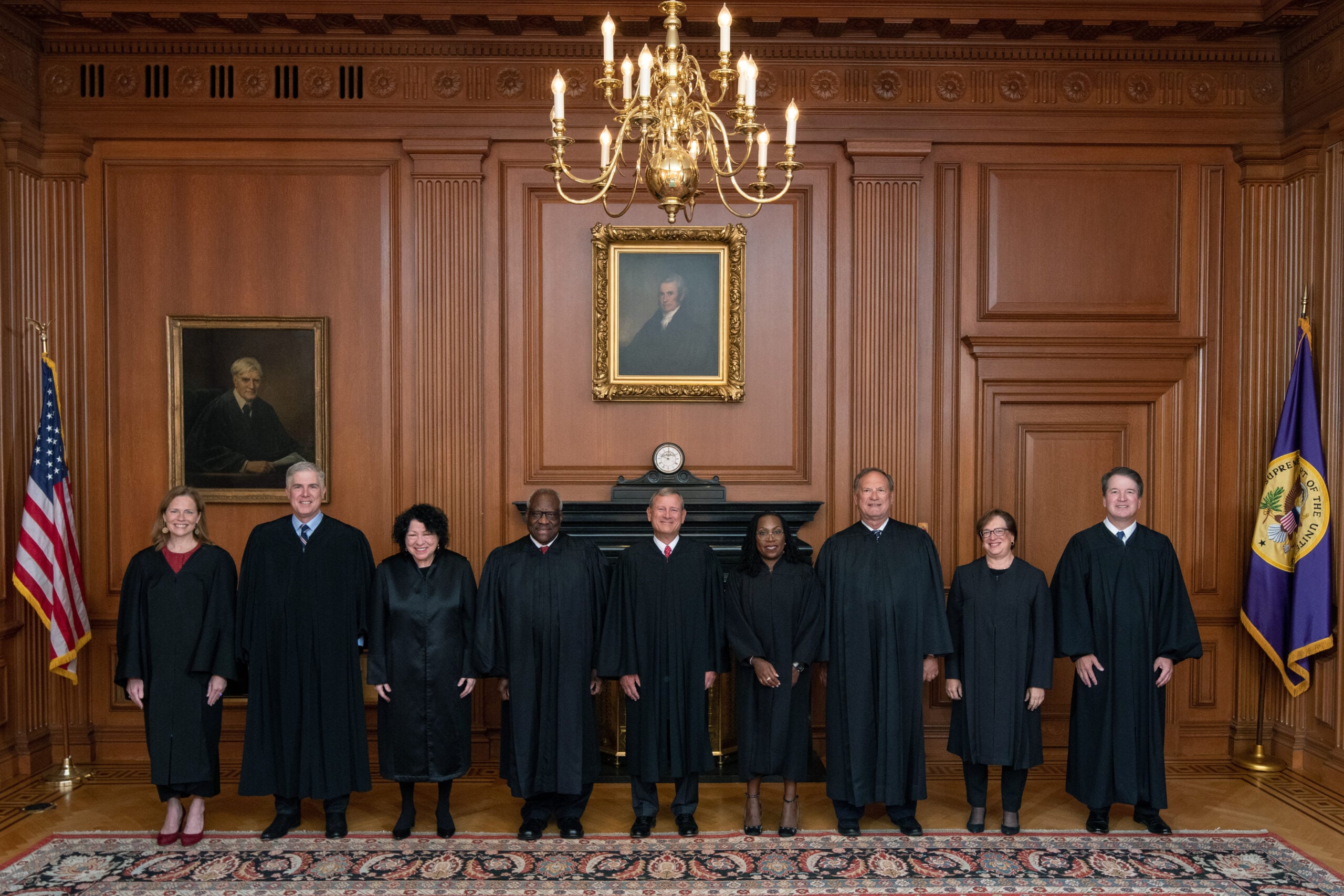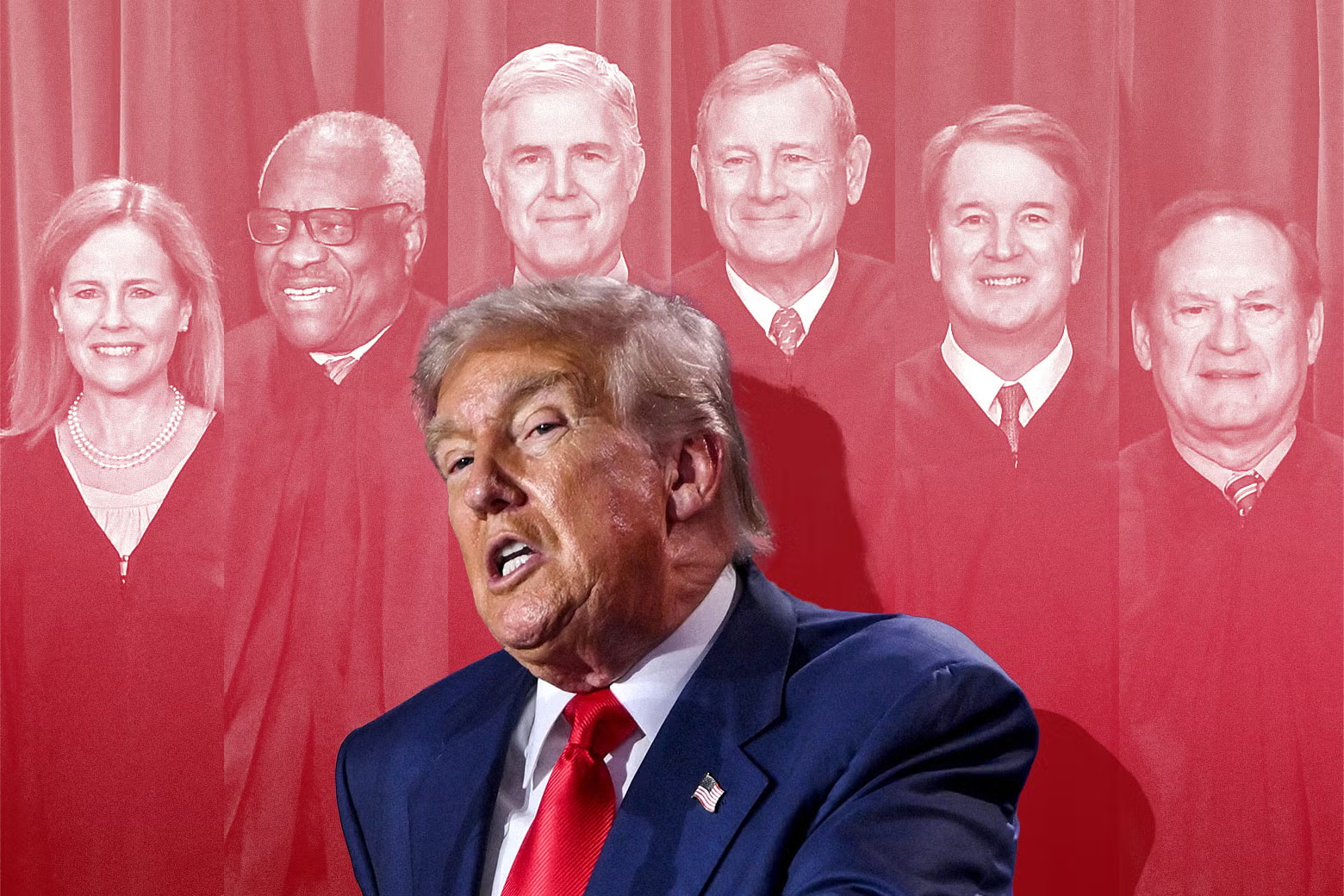
The upcoming US Supreme Court term will focus on key cases that could significantly limit or expand President Trump's powers, including issues related to military deployment, federal agency independence, tariffs, and immigration policies, amid ongoing debates over the court's use of the shadow docket and its impact on American legal and political landscapes.
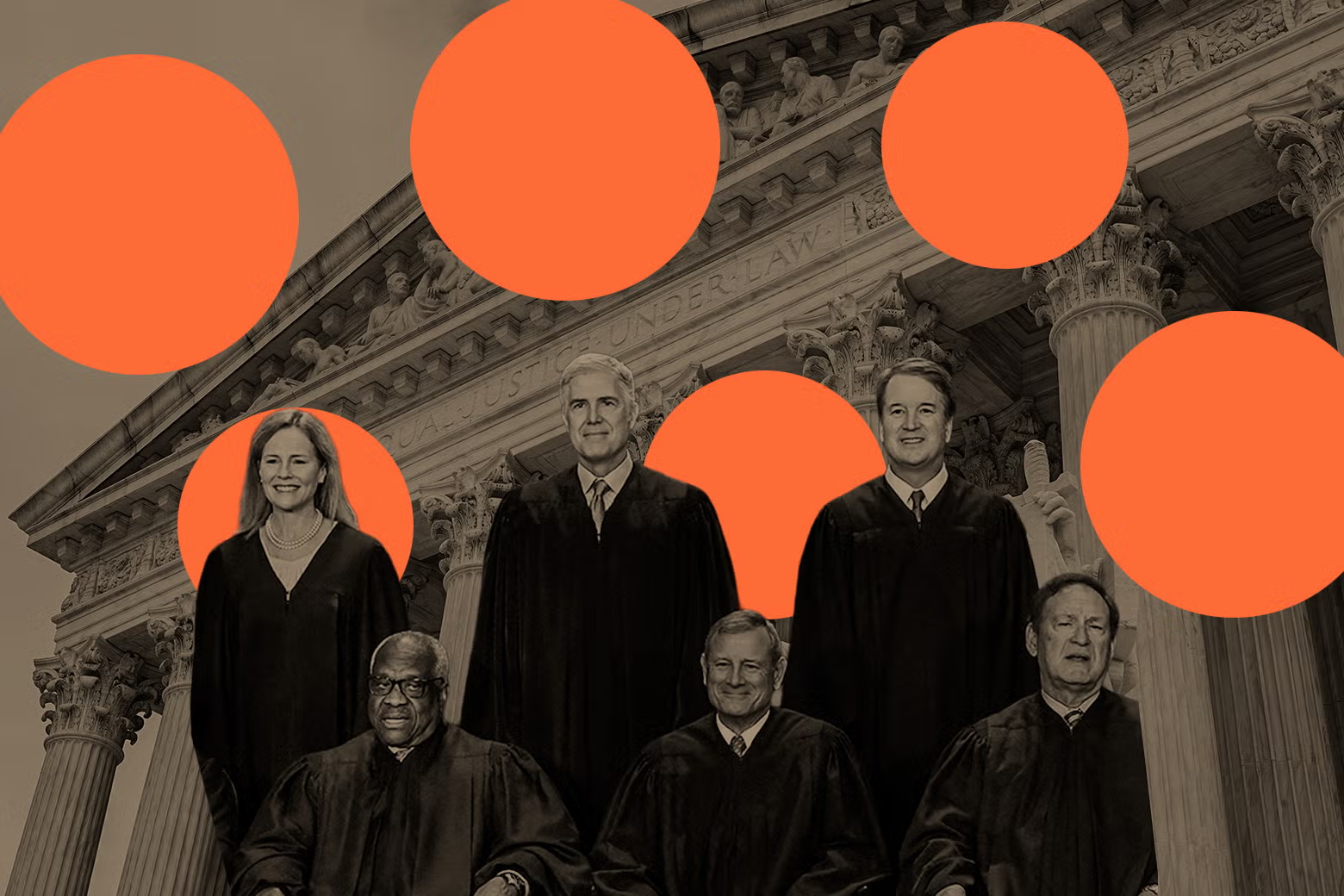
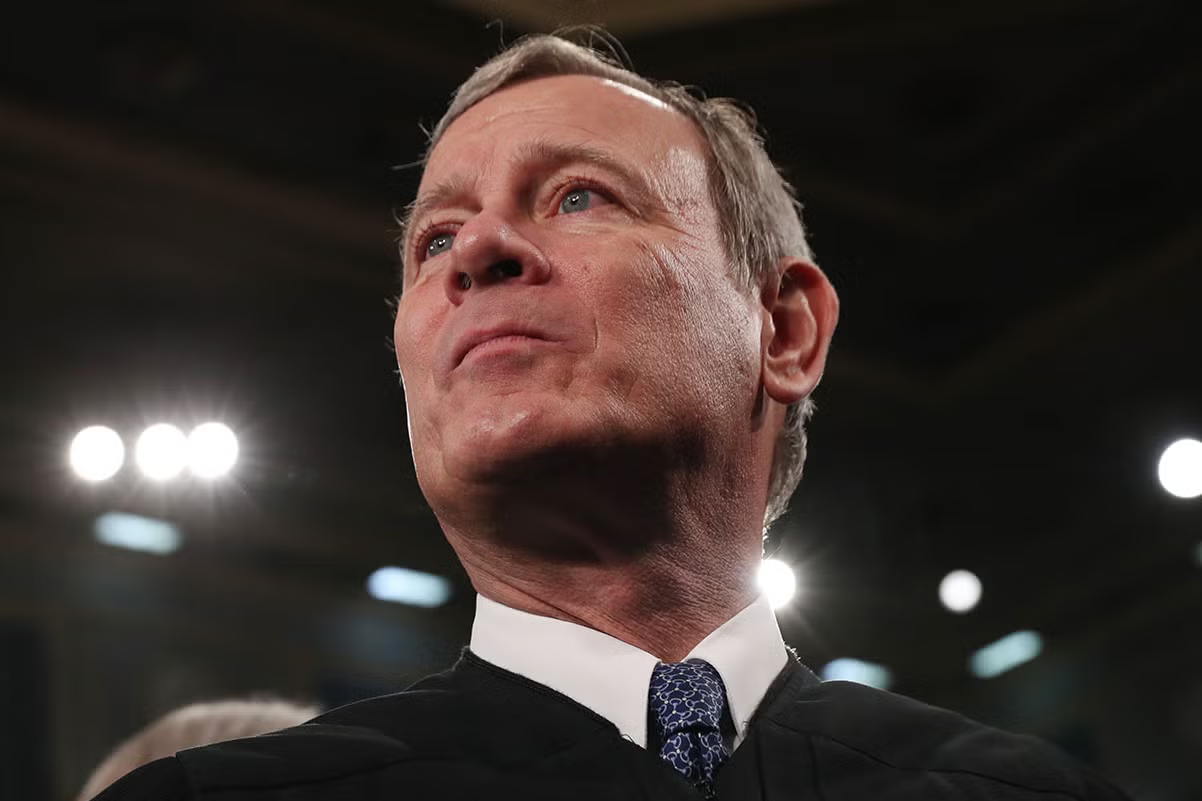
As Chief Justice John Roberts enters his third decade, critics argue he has enabled President Trump’s lawless actions and failed to check executive power, with the court often siding with Trump on emergency appeals and controversial rulings that may embolden the former president. Despite some instances of resistance, Roberts' court is seen as increasingly aligned with Trump’s policies, raising concerns about judicial independence amid a polarized political climate.
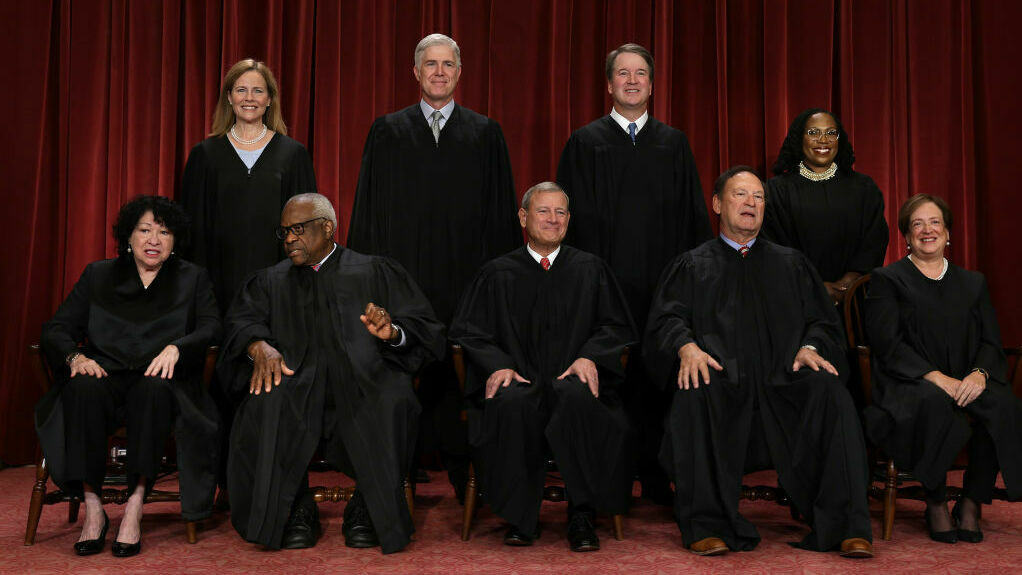
The article criticizes the current Supreme Court's departure from traditional judicial principles like respect for precedent, transparency, humility, and equal treatment, highlighting how recent decisions and practices undermine the court's legitimacy and suggest it is functioning more as a political body than an impartial judiciary.
Lower court judges are increasingly criticizing the Supreme Court for its shadow docket decisions and perceived disregard for judicial independence, with some judges openly rebuking justices like Gorsuch and Kavanaugh, signaling a potential generational and ideological divide within the judiciary.
Lower federal judges are anonymously criticizing the Supreme Court's use of the shadow docket, arguing that its opaque decisions favor the Trump administration, undermine lower courts, and threaten judicial independence amid rising threats and political tensions.
A group of federal judges criticize the Supreme Court for rapidly overturning lower court rulings involving the Trump administration with minimal explanation, which they believe undermines judicial integrity and emboldens political criticism, while also raising concerns about the safety of judges amid increasing threats and the Court's opaque decision-making process.
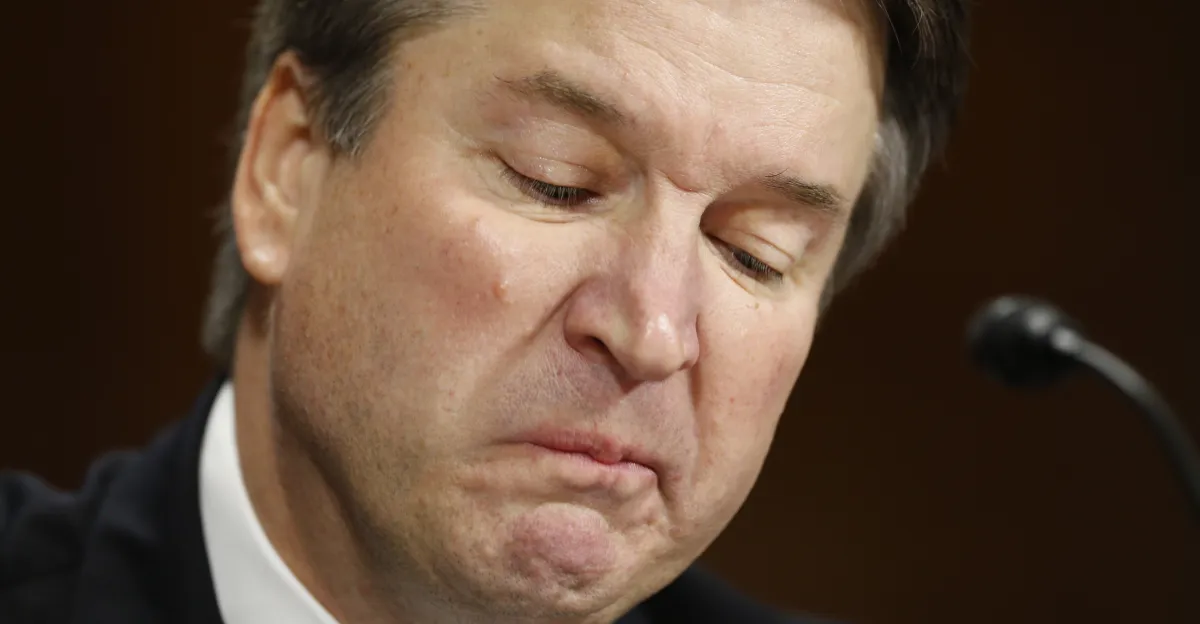
Justice Brett Kavanaugh defended the Supreme Court's practice of issuing decisions without explanations, particularly regarding cases involving President Trump, highlighting a shift from traditional caution to a more expedited process through the shadow docket.
Justice Brett Kavanaugh defended the Supreme Court's handling of emergency cases related to the Trump administration, emphasizing the court's efforts to give these cases proper attention despite criticism over the expedited process and limited explanations, and highlighting the importance of judicial independence.
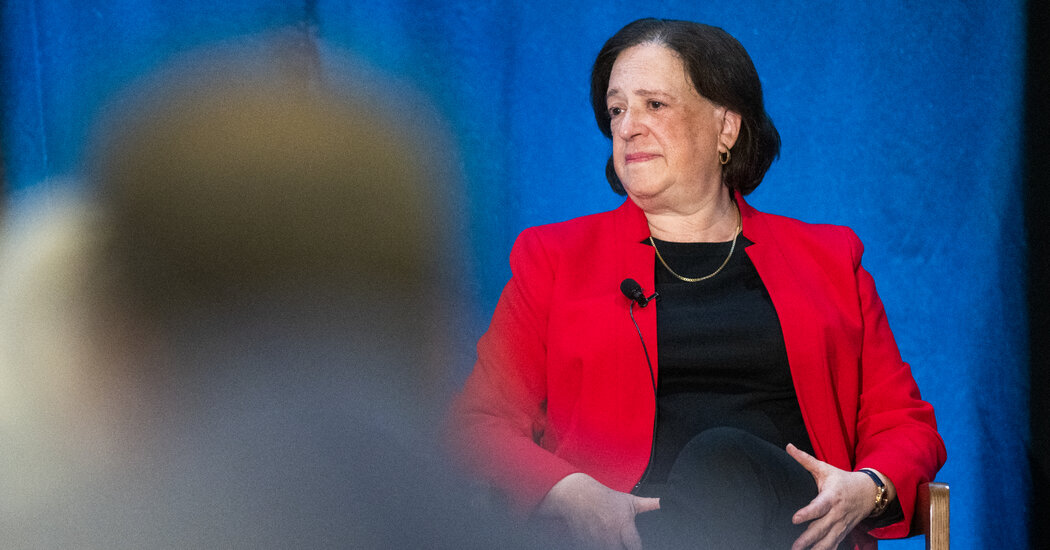
Justice Elena Kagan emphasized the need for the Supreme Court to better explain its reasoning in emergency decisions, criticizing the lack of transparency in the court's handling of urgent cases, especially on the shadow docket, to aid lower courts and the public's understanding.
The Supreme Court expanded Donald Trump's power by allowing him to fire Democratic members of the Consumer Product Safety Commission, disregarding federal law and precedent, and issued a controversial ruling that pressures lower courts to interpret future law based on shadow docket decisions, undermining judicial independence and accountability.
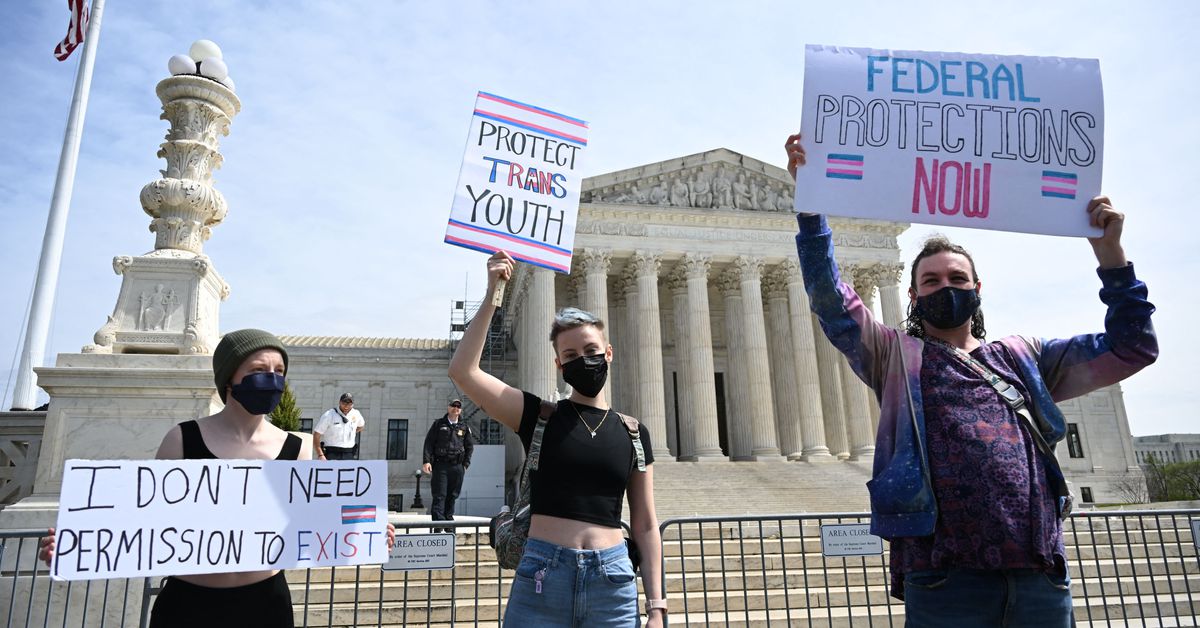
The Supreme Court's decision to largely reinstate Idaho's ban on gender-affirming care for minors was accompanied by a confusing set of opinions, with justices split into three different camps on how the Court should handle cases arising on its "shadow docket." The opinions did not extensively discuss the ban's constitutionality, but rather focused on procedural issues. Justice Kavanaugh's opinion suggests a likelihood of upholding the ban, raising concerns for transgender children. The justices' differing approaches to shadow docket cases and universal injunctions reveal potential implications for future decisions on contentious issues.
The 5th US Circuit Court of Appeals, known for its conservative rulings, has been at the center of legal clashes that have reached the Supreme Court, particularly on the shadow docket. The Supreme Court has frequently overturned or paused the 5th Circuit's decisions, signaling a divergence in views. The trend is driven by Texas being a hub for high-profile cases, often involving culture war issues, and the influence of Trump-appointed judges on the 5th Circuit. Republican attorneys general and conservative litigants are accused of steering cases to the 5th Circuit to potentially reach the majority-conservative Supreme Court.
The "shadow docket" is a part of the Supreme Court's work where cases are decided without full briefing or oral argument, and without any written opinion. This has become more prevalent in recent years, with the Trump administration using it aggressively and successfully. University of Texas law professor Stephen Vladeck argues that the court's use of unsigned and unexplained orders is unprecedented and inconsistent, and suggests that partisan politics may be at play. Vladeck also notes that historically, the court has provided principled rationales for its decision-making, but the shadow docket has none of that.
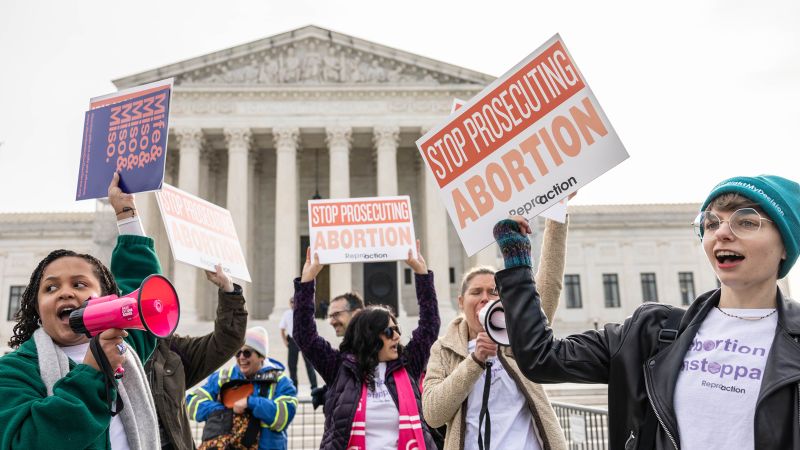
In his new book "The Shadow Docket," legal scholar Stephen Vladeck argues that the Supreme Court's unsigned and unexplained decisions issued through the shadow docket have helped propel its jurisprudence to the right. Vladeck chronicles how the shadow docket came to be and how the conservative members of the court have used it to expand religious liberty and crush reproductive rights. The book sheds light on the promiscuous use of the shadow docket and its implications for democracy.
Conservative justices on the US Supreme Court have been using the "shadow docket" to shift laws governing religious freedom sharply to the right through a series of unsigned and unexplained emergency orders, according to a new book by Stephen Vladeck. The orders do not reveal who voted for them or why, often providing one-line explanations of the legal thinking behind them. Vladeck warns that the trend is merging with the current ethics scandals surrounding the conservative justice Clarence Thomas to damage the legitimacy of the court and threaten a full-blown constitutional crisis.