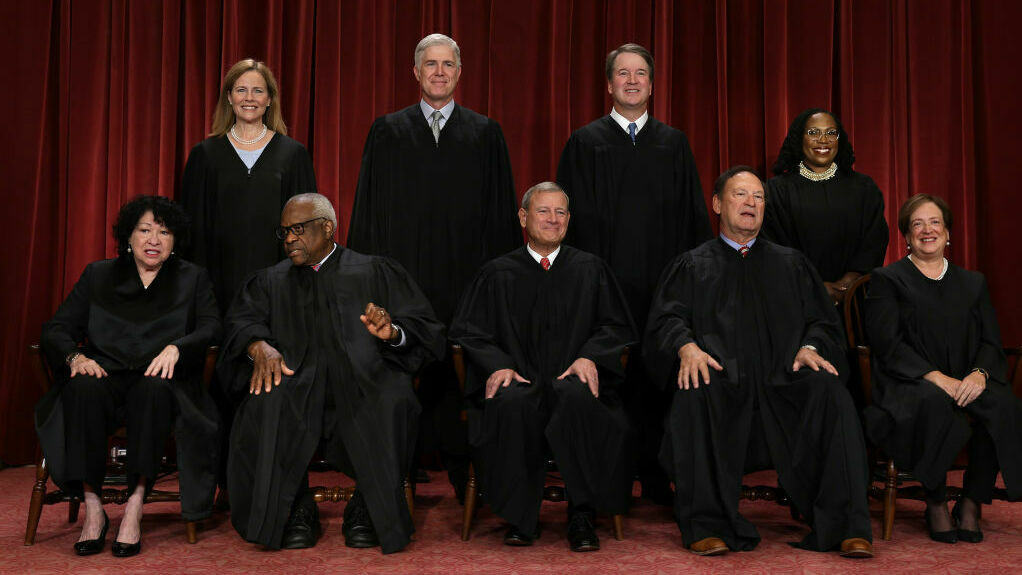
The US Supreme Court's conservative majority has expanded its use of the emergency docket to support President Trump's policies, often with minimal explanation, which has increased his executive power and raised concerns among liberals about the court overstepping traditional legal boundaries and setting binding precedents without full deliberation.
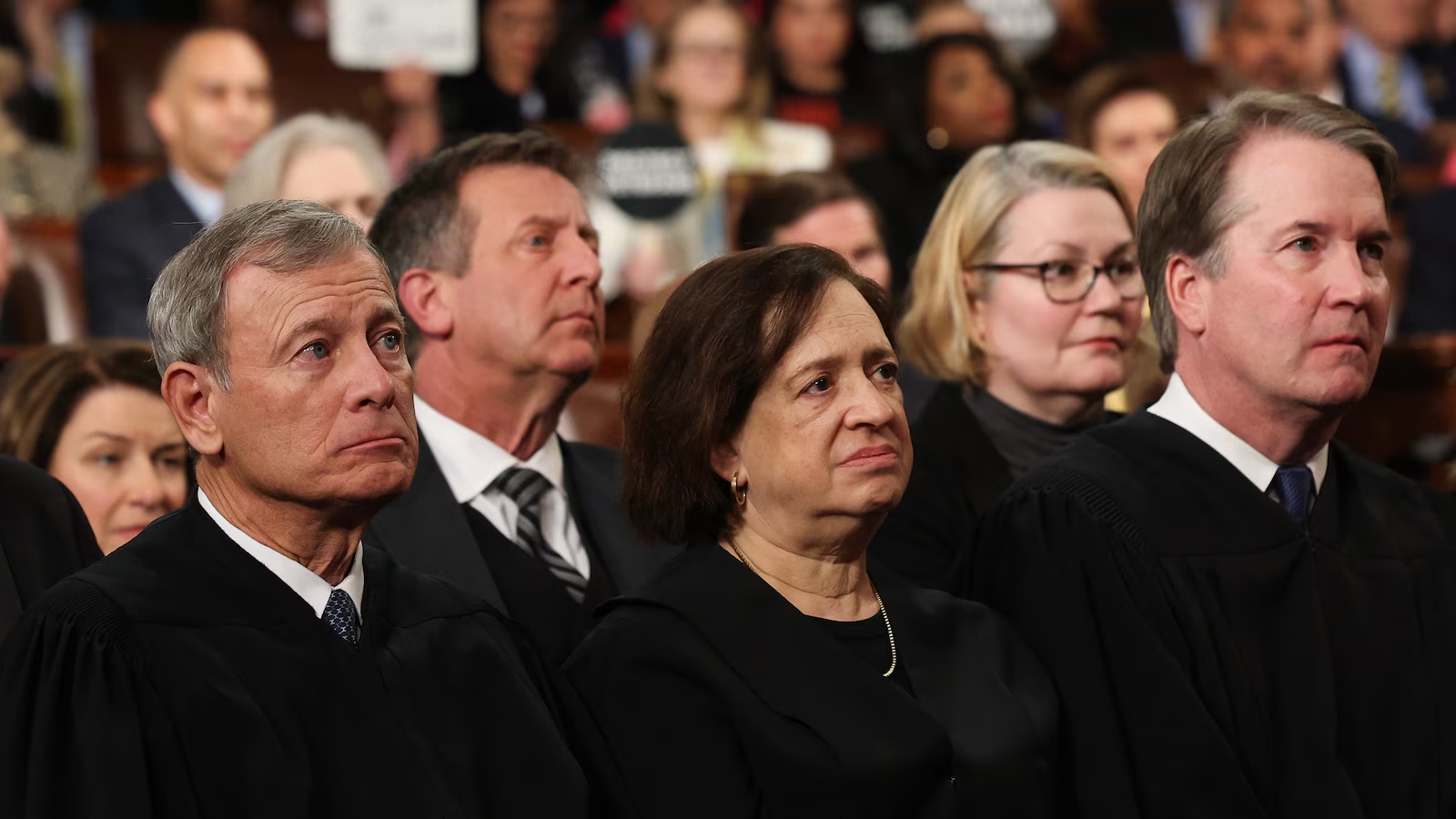
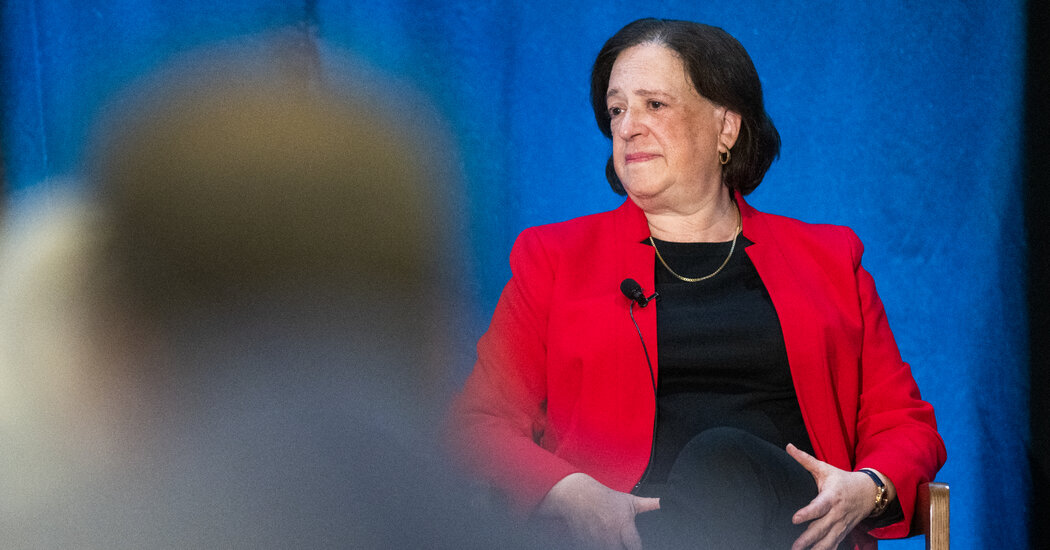
Justice Elena Kagan emphasized the importance of respecting court orders amid conflicts with the Trump administration, criticizing the Supreme Court's handling of emergency cases for lack of transparency and expressing frustration over ideological disagreements within the court.
Supreme Court Justice Elena Kagan criticized her conservative colleagues for issuing nearly a dozen recent emergency rulings without thorough hearings or explanations, emphasizing the importance of transparency and standards in judicial decision-making, especially in politically sensitive cases involving the Trump administration.
Justice Elena Kagan emphasized the need for the Supreme Court to better explain its reasoning in emergency decisions, criticizing the lack of transparency in the court's handling of urgent cases, especially on the shadow docket, to aid lower courts and the public's understanding.
The "shadow docket" is a part of the Supreme Court's work where cases are decided without full briefing or oral argument, and without any written opinion. This has become more prevalent in recent years, with the Trump administration using it aggressively and successfully. University of Texas law professor Stephen Vladeck argues that the court's use of unsigned and unexplained orders is unprecedented and inconsistent, and suggests that partisan politics may be at play. Vladeck also notes that historically, the court has provided principled rationales for its decision-making, but the shadow docket has none of that.