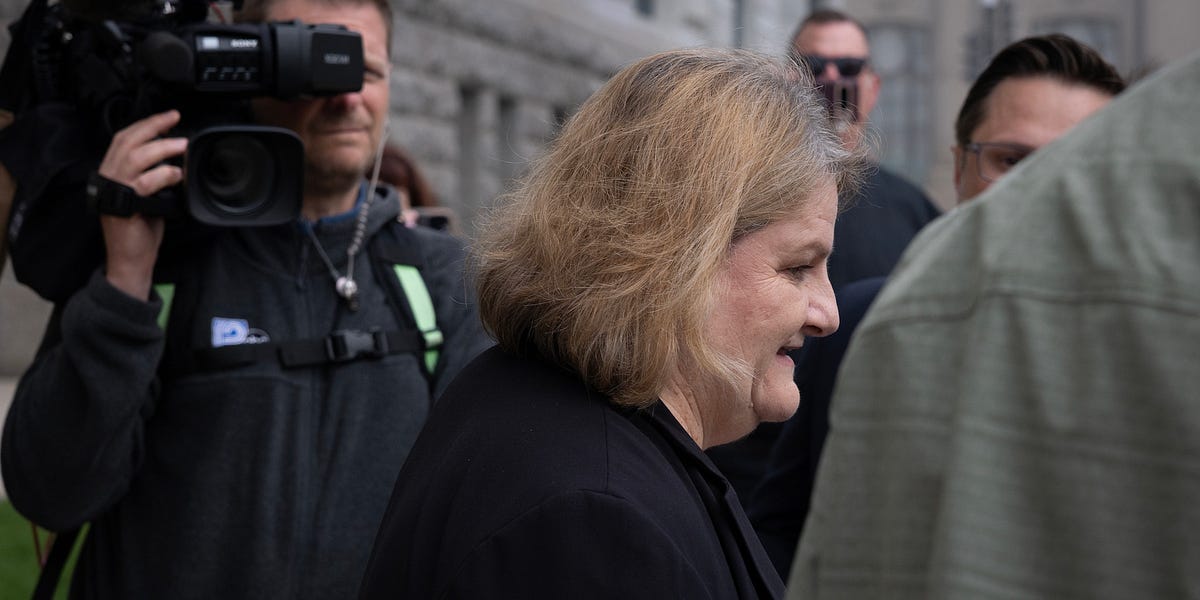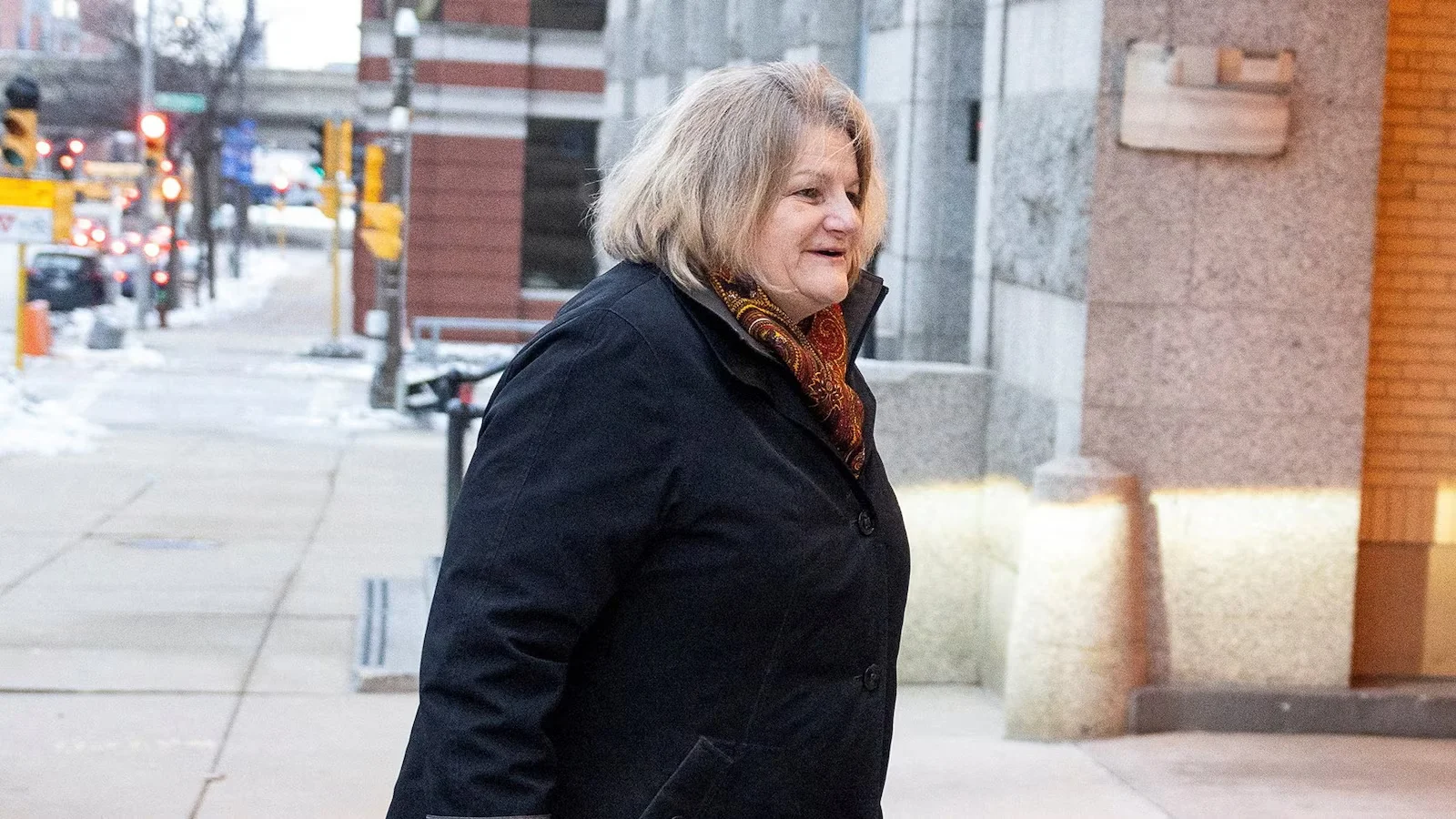
Milwaukee County Circuit Judge Hannah Dugan resigned after being convicted of obstructing federal immigration agents at her courthouse, citing her ongoing legal battles and defending her judicial record, while facing a maximum of five years in prison.
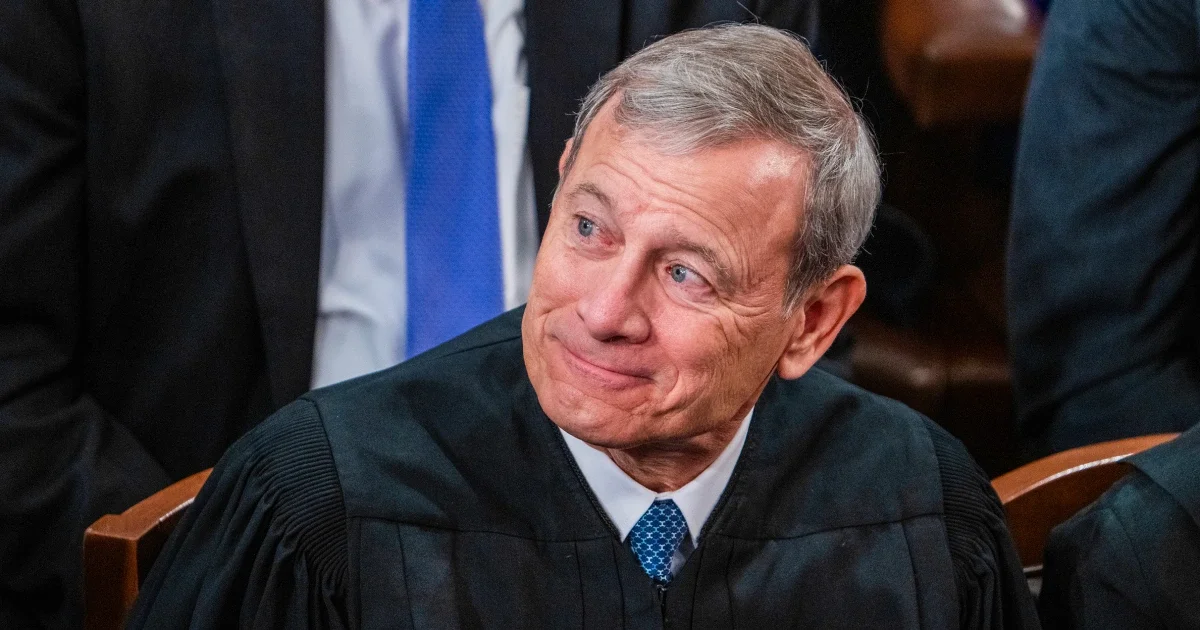
92-year-old Judge Hellerstein, known for his no-nonsense approach and deep ties to the Bronx, is presiding over the long-delayed case against Maduro, with a history of handling high-profile and complex cases including 9/11 responders and Paris Hilton, demonstrating his experience and distinctive courtroom style.
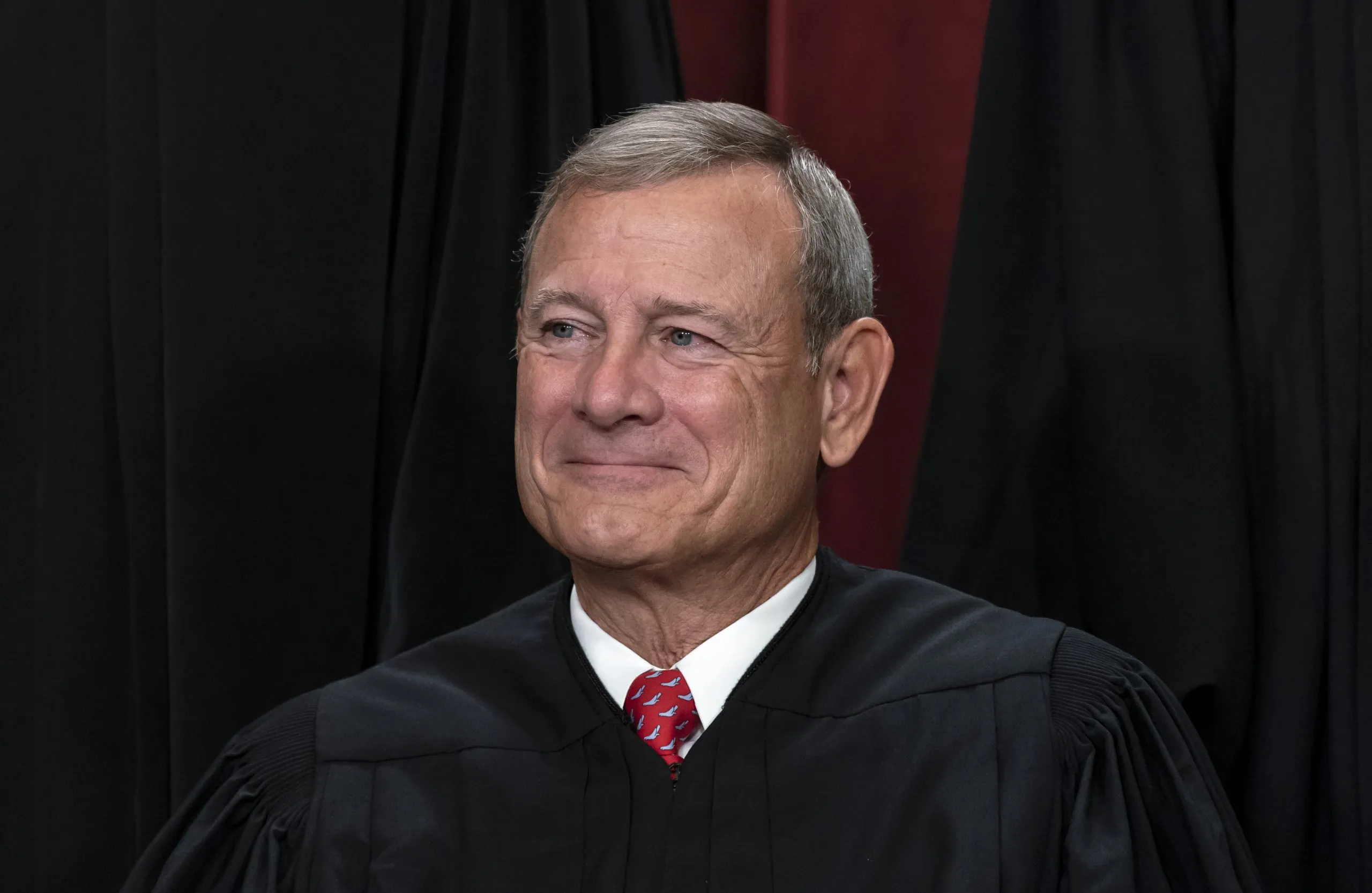
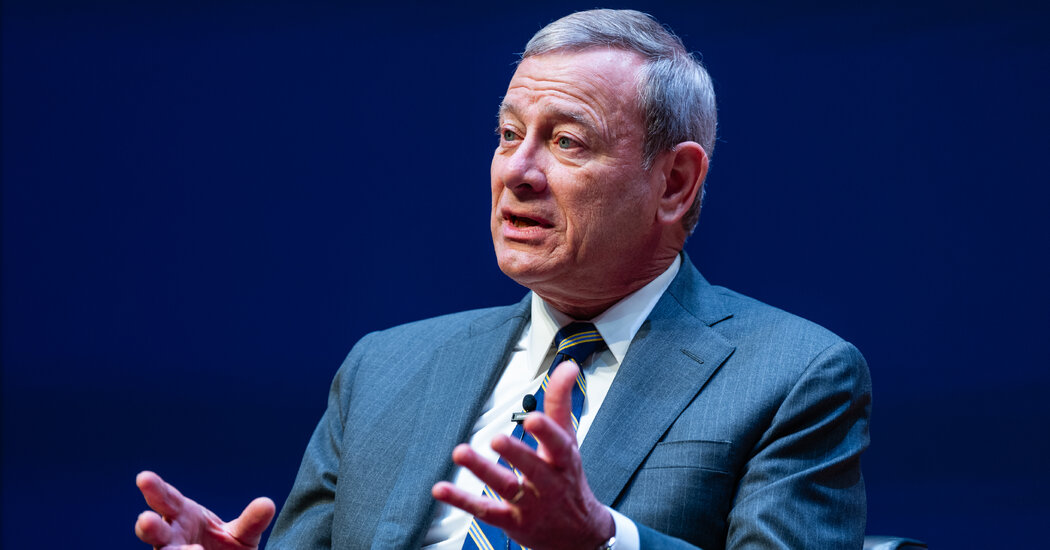
Chief Justice John Roberts' year-end message focused on the history of the Declaration of Independence and the importance of judicial independence, while avoiding direct comments on contentious issues and threats facing judges, emphasizing the duty of judges to uphold the Constitution impartially.
Judge Hannah Dugan's trial began after she was accused of improperly facilitating the arrest of an undocumented immigrant inside a Milwaukee courthouse, highlighting tensions around immigration enforcement and judicial conduct. The prosecution claims she intended to help the defendant evade arrest, while her defense argues she followed legal protocols amid a contentious practice of immigration arrests in courthouses. The case underscores broader debates over immigration policies and judicial independence.
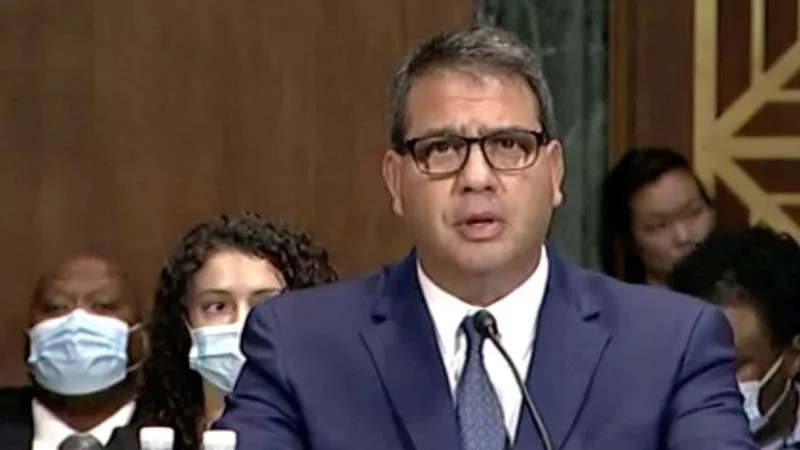
Judge Michael Nachmanoff, known for his calm demeanor and fairness, has been assigned to oversee the high-profile case of James Comey, facing charges of false statements and obstruction. Appointed by President Biden, he is respected for his impartiality and experience in handling complex and politically sensitive cases, and is expected to manage the proceedings with professionalism amidst intense scrutiny.
The 20th anniversary of John Roberts as Chief Justice marks a period where the Supreme Court has shifted significantly to the right, weakening the doctrine of stare decisis and overturning key precedents like Roe v. Wade and parts of the Voting Rights Act, raising concerns about the Court's commitment to legal stability and its increasing influence on American political and civil rights.
Lower federal judges are anonymously criticizing the Supreme Court's use of the shadow docket, arguing that its opaque decisions favor the Trump administration, undermine lower courts, and threaten judicial independence amid rising threats and political tensions.
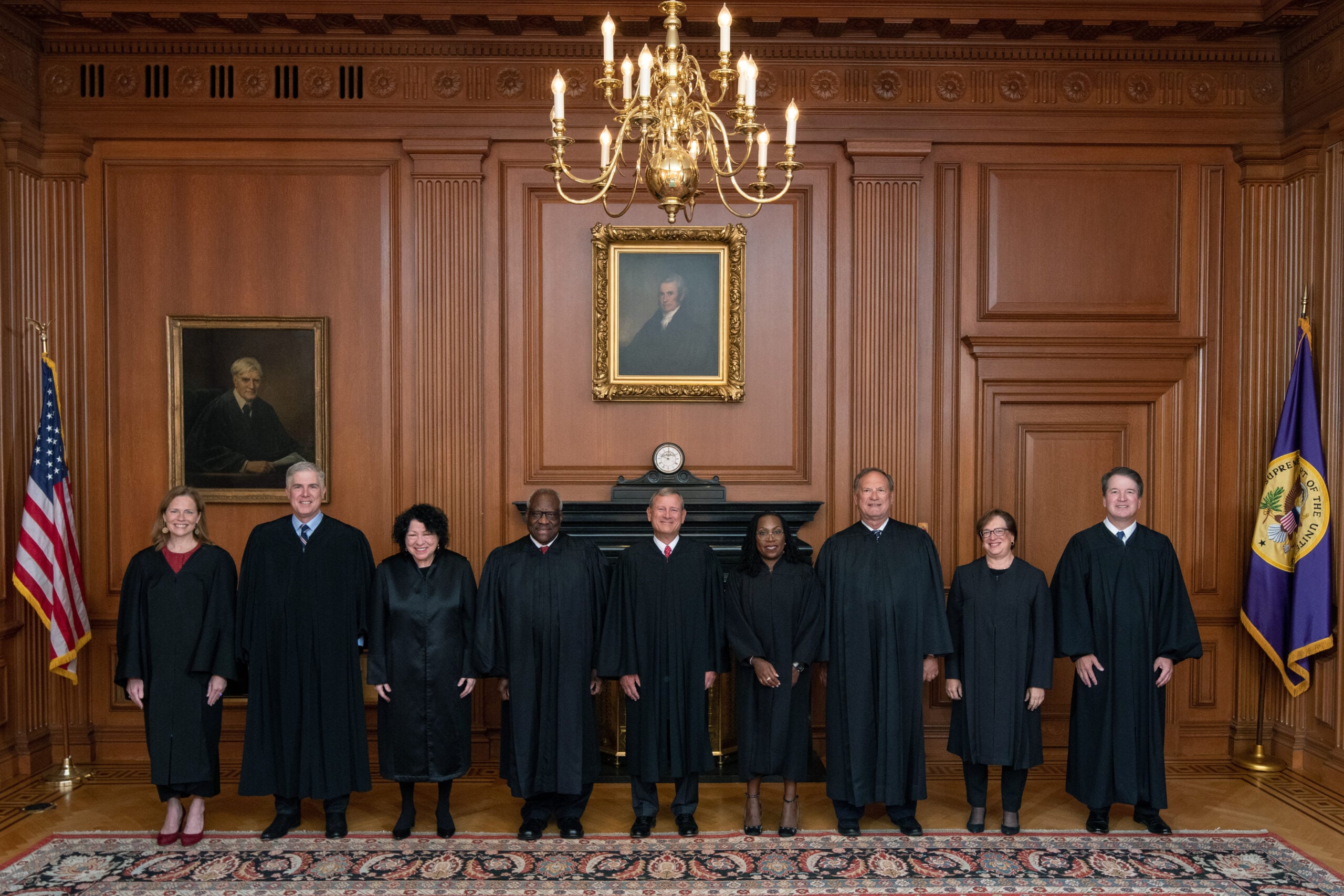
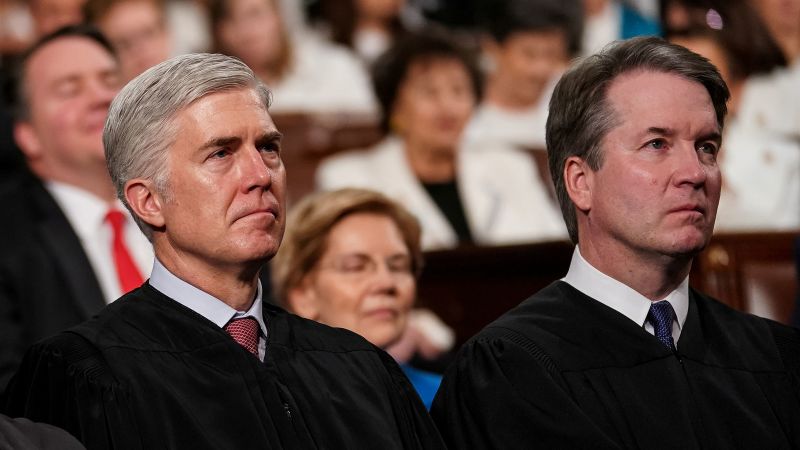
The U.S. Supreme Court's conservative justices, including Gorsuch and Kavanaugh, have issued warnings to lower court judges to respect Supreme Court decisions, especially in cases involving Trump-era policies, highlighting tensions between different judicial levels and concerns over judicial overreach and noncompliance.
A federal judge expressed skepticism about the Justice Department's lawsuit against Maryland's federal judges, which challenges a court rule designed to temporarily halt deportations of immigrants facing legal challenges, raising concerns about executive overreach and the potential impact on judicial independence.
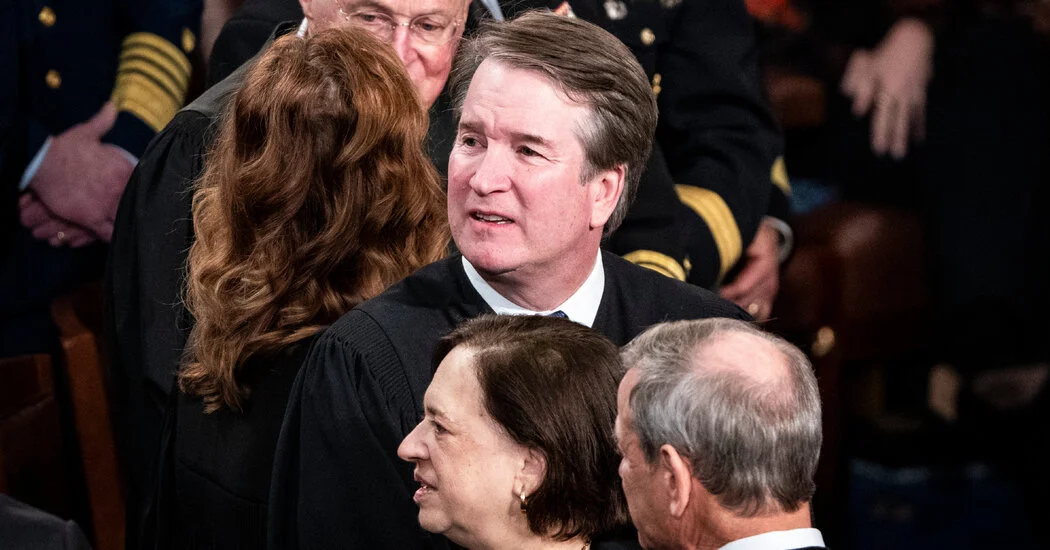
Justice Brett Kavanaugh emphasized caution in issuing detailed opinions on emergency applications to avoid premature judgments, highlighting the court's varied approaches and the importance of transparency, while also noting the influence of political and public opinion on judicial decisions.
Chief Justice Roberts urged political leaders to tone down heated rhetoric about judges, emphasizing the danger of threats and violence against the judiciary, especially amid recent Supreme Court decisions limiting lower court powers, without addressing the specific ruling or mentioning President Trump.