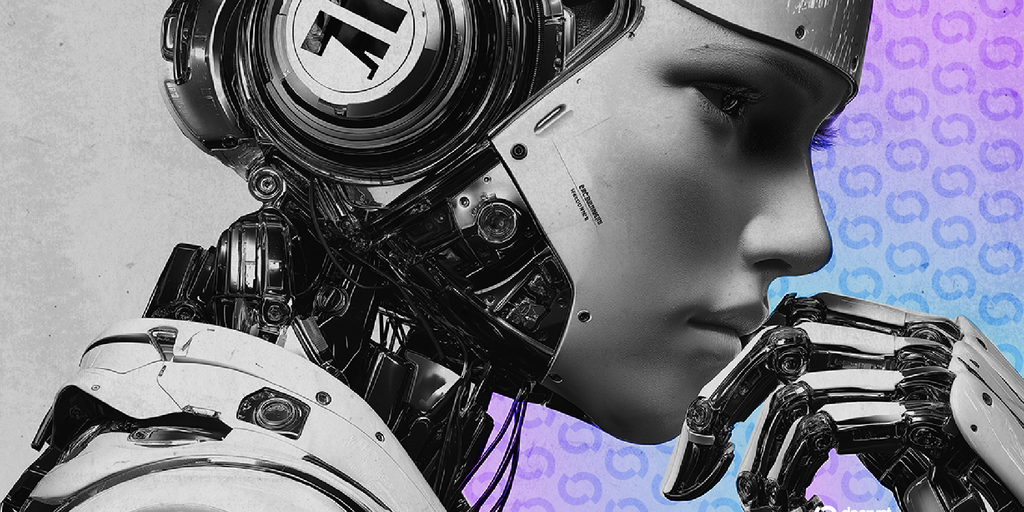
Microsoft's AI chief Mustafa Suleyman announced that Microsoft will not develop erotic or romantic AI products, contrasting with competitors like xAI and OpenAI, which are exploring adult content and emotional AI. The global sex-tech market is projected to surpass $100 billion by 2030, but Microsoft emphasizes creating AI that fosters meaningful, non-romantic relationships, reflecting its cautious and ethical approach to AI development.
A researcher was mistakenly listed as an expert on sex robots in a published paper, which was later retracted due to data inaccuracies and inappropriate search methods, highlighting issues of research misconduct and the importance of accurate bibliometric analysis.
Former Google executive Mo Gawdat predicts that AI-powered sex robots, combined with virtual reality and augmented reality headsets, will revolutionize love and relationships by eliminating the need for human partners. Gawdat believes that advancements in technology will allow these robots to simulate real-life sexual encounters so convincingly that people won't be able to tell the difference. He argues that even the mental and emotional aspects of intimacy can be recreated artificially. Gawdat dismisses the debate over whether AI bots can be considered sentient, stating that it doesn't matter as long as the human brain believes they are real. However, concerns have been raised about the potential impact of AI on human relationships and the workforce.